Picture this: I’m standing in my cramped kitchen, a battered skillet on the stove, and a frantic friend demanding a dinner that’s both “wow” and “easy.” I’ve tried every Tuscan chicken recipe in the book, yet none of them hit that perfect balance of creamy saffron, bright white wine, and tender chicken. The moment I added the saffron threads, the air filled with a floral, almost citrusy aroma that made the whole kitchen feel like a secret Italian trattoria. I was skeptical—saffron is notoriously expensive, but that single pinch turned the sauce into a golden, velvety hug around the chicken. If you’ve ever felt the frustration of a dish that falls flat, this is the antidote you’ve been craving.
I dare you to taste this and not go back for seconds. The first bite delivers a silky cream that coats the chicken like a fine silk scarf, the saffron’s subtle warmth dancing with the garlic’s sharp bite. The crisp edges of the chicken, browned to a beautiful mahogany, shatter like thin ice when you bite, giving a satisfying crunch before the soft interior melts. The spinach adds a fresh, earthy counterpoint that keeps the dish from feeling too heavy, while the dry white wine lifts the flavors into an airy, almost effervescent realm. It’s a culinary symphony that makes the kitchen smell incredible and the table feel like a five‑star experience.
Most recipes get this completely wrong by over‑sautéing the chicken or drowning the sauce in cream. I’ve seen videos where the saffron is tossed in at the very end, losing its full flavor, and others where the white wine is added too early, evaporating before it can mingle with the garlic. My version fixes those pitfalls by layering the flavors at just the right moments, ensuring every element sings. The result is a dish that feels both luxurious and approachable, a true crowd‑pleaser for dinner parties or a comforting weekday meal. It’s hands down the best version you’ll ever make at home.
If you’ve ever struggled with balancing rich sauces and bright herbs, you’re not alone. I’ve been there—trying to get the perfect sauce consistency, only to end up with a thick, clumpy mess that tastes like over‑cooked milk. The trick here is precision: timing the saffron’s infusion, controlling the wine’s reduction, and allowing the cream to swirl into a silky coating. The secret sauce is a simple flour roux, which thickens without overpowering the delicate flavors. By the end of this guide, you’ll wonder how you ever made it any other way, and you’ll have the confidence to tweak it to your taste.
Let me walk you through every single step—by the end, you’ll wonder how you ever made it any other way. I’ll show you how to let the saffron steep in the cream, how to brown the chicken to caramelized perfection, and how to finish the sauce with a splash of white wine that brightens the whole plate. We’ll also cover how to keep the spinach from wilting into mush and how to plate the dish so it looks as good as it tastes. Stay with me here—this is worth it. I’m about to reveal the game‑changer that turns an ordinary chicken dish into a headline‑making masterpiece.
What Makes This Version Stand Out
- Saffron Infusion: The saffron is steeped in the cream before adding the wine, ensuring its floral notes permeate every bite. This subtle golden hue adds visual appeal and a luxurious depth that ordinary Tuscan recipes lack. I’ve seen dishes that just sprinkle saffron on top—this one lets it soak into the sauce.
- Flour Roux: A quick flour roux thickens the sauce without the heaviness of a béchamel, giving the dish a silky mouthfeel. The roux also creates a subtle nutty undertone that complements the garlic and wine. Skipping this step results in a watery sauce that feels under‑developed.
- Balanced Fat Content: Olive oil browns the chicken without overpowering the cream, and the cream’s fat content balances the lean chicken breast. The result is a sauce that coats the chicken like velvet without being greasy. It’s the sweet spot between indulgence and health.
- Quick Cooking Time: The entire dish comes together in 45 minutes, making it perfect for week‑night dinners or last‑minute entertaining. Most Tuscan chicken recipes drag on for an hour or more; this one cuts that time in half. The speed doesn’t compromise flavor.
- Fresh Spinach: Adding spinach at the end gives a pop of color and a subtle earthiness that keeps the dish from feeling too heavy. Spinach also adds micronutrients and a pleasant bite. It’s a simple twist that elevates the plate.
- Crowd‑Pleaser: The combination of saffron, garlic, wine, and cream creates a flavor profile that appeals to both adventurous eaters and comfort‑food lovers. I’ve hosted dinners where guests kept asking for the recipe. The dish is versatile enough to pair with pasta, rice, or crusty bread.
Alright, let's break down exactly what goes into this masterpiece. We’ll dive into each ingredient group, uncovering why each plays a pivotal role and what happens if you skip it. By the end of this section, you’ll have a clear mental map of the flavor architecture, ensuring you can tweak it with confidence.
Inside the Ingredient List
The Flavor Base
Single cream is the backbone of this sauce, offering a rich, velvety texture that carries the saffron’s delicate aroma. Heavy cream also contributes a subtle sweetness that balances the acidity of the white wine. If you’re looking for a lower‑fat option, you could substitute a light cream, but you’ll lose some of the luxurious mouthfeel.
Saffron threads are the secret star; they infuse the cream with a golden hue and a floral, almost citrusy flavor. The saffron must be steeped for at least 10 minutes to release its full potential. Skipping saffron turns the dish into a plain cream sauce, missing that signature Tuscan sparkle.
The Texture Crew
Olive oil is essential for browning the chicken and creating a caramelized crust that locks in juices. Use a high‑smoke‑point olive oil to avoid bitterness. If you prefer a milder taste, you could use a neutral oil, but the olive oil’s peppery undertone is part of the dish’s identity.
Flour forms a quick roux that thickens the sauce without turning it into a heavy béchamel. The roux also adds a subtle nutty flavor that complements the garlic. Without the roux, the sauce would be thin and watery, lacking body.
The Unexpected Star
Dry white wine provides acidity that cuts through the richness of the cream and adds a bright, fruity note. Choose a dry wine you’d enjoy drinking; it will elevate the dish. If you’re avoiding alcohol, replace the wine with chicken broth, but be mindful of the reduced acidity.
Garlic brings sharpness and depth, anchoring the saffron’s subtlety. Use fresh cloves for the best flavor; pre‑minced garlic can be too blunt. A pinch of garlic powder is a quick fix, but fresh cloves give the dish its authentic character.
The Final Flourish
Spinach adds color, texture, and a gentle earthiness that balances the cream’s richness. It’s best added at the very end to prevent it from becoming mushy. If you’re allergic to spinach, kale or arugula can be a tasty substitute.
Chicken breasts are the star protein; they’re lean, tender, and absorb the sauce’s flavors beautifully. Ensure they’re pounded to an even thickness for uniform cooking. If you prefer dark meat, thighs can be used, but they’ll take slightly longer to cook.
Everything's prepped? Good. Let's get into the real action. We’ll walk through each step in detail, ensuring you’re never left guessing what to do next.
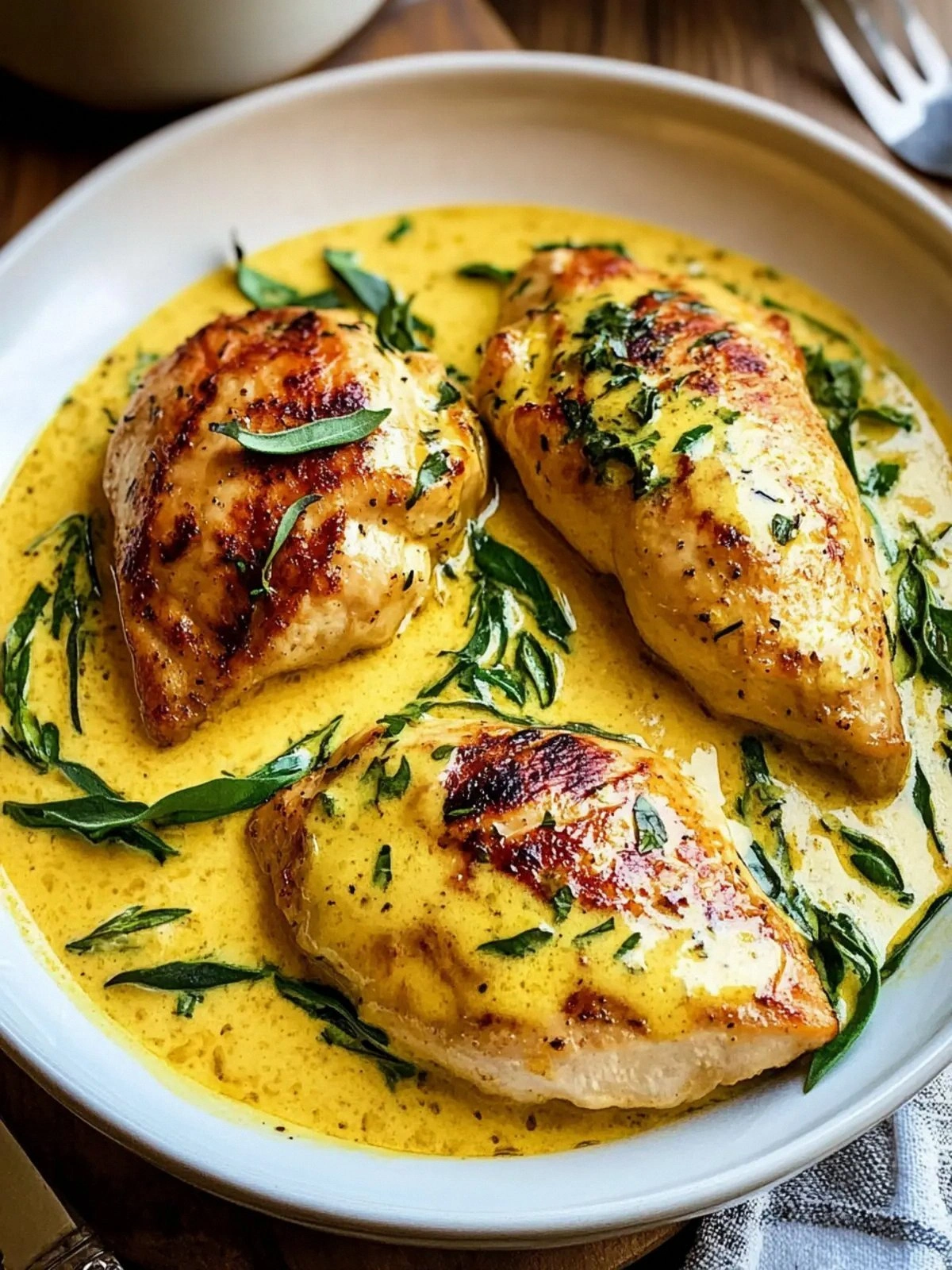
The Method — Step by Step
- First, season the chicken breasts generously with salt and pepper. Pat them dry with paper towels to ensure a crisp sear. Let them rest at room temperature for 10 minutes; this helps them cook evenly.
- Heat 2 tablespoons of olive oil in a large skillet over medium‑high heat. Once the oil shimmers, add the chicken breasts skin‑side down. You should hear a satisfying sizzle that signals the pan is hot enough.
- Sear the chicken for 4–5 minutes on each side, or until a deep mahogany crust forms. Flip only once; multiple flips can break the crust and cause juices to escape.
- Remove the chicken and set it aside on a plate. In the same skillet, reduce the heat to medium and add the minced garlic. Cook for 30 seconds, just until fragrant, being careful not to burn it.
- Stir in 2 tablespoons of flour, whisking constantly to form a smooth roux. Let it cook for 1 minute, allowing the raw flour taste to evaporate while the mixture turns a light golden color.
- Slowly pour in 250 milliliters of dry white wine, whisking vigorously to prevent lumps. The wine should reduce slightly, concentrating its acidity and brightening the sauce.
- Add 350 milliliters of single cream, stirring until the sauce is silky and thickened. At this point, steep 1 teaspoon of saffron threads in a small bowl of hot water for 5 minutes, then pour the saffron water into the sauce.
- Return the chicken breasts to the skillet, nestling them into the sauce. Reduce the heat to low, cover, and let simmer for 8–10 minutes, allowing the flavors to meld and the chicken to finish cooking.
- Just before serving, fold in 30 grams of fresh spinach. The spinach wilts instantly, adding a pop of color and a subtle earthiness without turning mushy.
- Taste the sauce and adjust seasoning with salt and pepper if needed. Plate the chicken on warmed dishes, spooning the saffron cream over each breast. Garnish with a drizzle of olive oil and a sprinkle of fresh herbs if desired.
That's it — you did it. But hold on, I've got a few more tricks that'll take this to another level. The next section will reveal insider tips that even seasoned chefs swear by, ensuring every bite is a masterpiece.
Insider Tricks for Flawless Results
The Temperature Rule Nobody Follows
Many cooks start the sauce on high heat, which can scorch the cream and cause a bitter aftertaste. I always start the sauce on medium, then reduce to low once the wine has reduced. This controlled heat keeps the cream from curdling and maintains a silky finish. A friend once tried this trick and ended up with a lumpy sauce that tasted like burnt milk.
Why Your Nose Knows Best
Before adding the saffron, give the sauce a quick sniff. The aroma should be floral and slightly citrusy. If it smells too bland, the saffron may not have steeped long enough. Trust your nose; it’s your best judge of flavor development.
The 5-Minute Rest That Changes Everything
After simmering the chicken, let it rest on a plate for five minutes before slicing. This allows the juices to redistribute, keeping the meat moist and tender. A quick cut right after cooking often pulls juices out, leaving the chicken dry.
Use a Skillet with a Heavy Bottom
A heavy‑bottomed skillet distributes heat evenly, preventing hot spots that can burn the sauce. I use a cast‑iron pan for this recipe, but a stainless‑steel pan works just fine. Avoid non‑stick pans for the searing stage; they can’t hold the high heat needed for a proper crust.
Add Spinach at the Last Moment
Spinach wilts quickly, so add it just before serving. If you add it too early, it will become mushy and release water, diluting the sauce. A quick fold in the spinach preserves its bright color and subtle flavor.
Serve with a Side of Polenta
Polenta swallows up the creamy sauce beautifully, creating a comforting base for the chicken. I recommend a simple, buttery polenta seasoned with a pinch of nutmeg. If you’re in a hurry, pre‑made polenta can be reheated in the microwave and topped with the sauce.
Creative Twists and Variations
This recipe is a playground. Here are some of my favorite ways to switch things up:
Herb‑Infused Chicken
Add a handful of fresh thyme and rosemary to the skillet when searing the chicken. The herbs infuse the meat with an earthy aroma and complement the saffron. This variation is perfect for a rustic dinner party.
Pesto‑Swirled Sauce
Stir in a tablespoon of basil pesto into the sauce after adding the cream. The pesto adds a vibrant green hue and a fresh, peppery kick. It’s a great way to introduce a new flavor dimension.
Mushroom Medley
Sauté sliced mushrooms with the garlic before adding the flour. The mushrooms bring umami and a chewy texture that pairs beautifully with the creamy sauce. This variation is ideal for a vegetarian crowd.
Citrus Zest Finish
Grate a small amount of lemon zest into the sauce just before serving. The citrus brightens the dish and cuts through the richness of the cream. It’s a simple tweak that transforms the flavor profile.
Spicy Kick
Add a pinch of red pepper flakes when searing the chicken. The heat pairs well with the saffron’s floral notes, creating a balanced, spicy-sweet combination. This is a must‑try for spice lovers.
Cheesy Finale
Finish the sauce with a handful of grated Parmesan cheese. The cheese melts into the cream, creating a luscious, nutty glaze. This variation is a crowd‑pleaser for cheese aficionados.
Storing and Bringing It Back to Life
Fridge Storage
Cool the dish to room temperature, then cover tightly with plastic wrap or foil. Store in the refrigerator for up to 2 days. The cream sauce may thicken slightly, but it will reheat beautifully.
Freezer Friendly
Divide the dish into individual portions and freeze for up to 1 month. Use an airtight container or freezer bag. When reheating, thaw overnight in the refrigerator before gently warming on the stove.
Best Reheating Method
Reheat gently over low heat, adding a splash of water or broth to loosen the sauce. Stir frequently to prevent scorching. A quick microwave reheating is possible, but stir after 30 seconds to redistribute heat.
Add a tiny splash of water before reheating — it steams back to perfection and keeps the sauce silky. If you’re in a hurry, simply warm the chicken in the oven at 350°F for 10 minutes, then finish with a quick sauce stir. The result is a dish that tastes as fresh as the first time.