I was standing in my kitchen, mid‑Monday, with a half‑empty pot of tea and a sudden craving that felt like a snowstorm rolled through my taste buds. I had just burnt the last batch of cinnamon rolls—yes, the kind that ends up looking like charcoal bricks—and my roommate dared me to make something that would actually warm us up without setting off the smoke alarm. I stared at the white tea bag like it was a blank canvas, then remembered the almond‑vanilla latte I once sipped in a tiny Alpine café where the snow fell like powdered sugar. The memory hit me hard: the latte was silky, fragrant, and somehow managed to feel both light as a feather and rich as a dessert. I thought, “What if I could bottle that feeling in a cup, add a little almond crunch, and call it a snowflake latte?”
The kitchen filled with the sweet perfume of honey and vanilla as I began to whisk the almond milk, and I swear the whole apartment seemed to inhale that scent with anticipation. The sound of the whisk hitting the pot was a soft, rhythmic clink—like tiny bells announcing a holiday. My fingertips tingled as the steam rose, curling around the copper kettle like a lazy cat. When the white tea finally unfurled its delicate flavor, it was as if a winter sunrise had broken through a fog of blandness, brightening everything in its path. The moment I poured the frothy mixture into a mug and crowned it with whipped cream, a dusting of nutmeg, and a sprinkle of slivered almonds, I felt a rush of triumph that made me want to shout, “I dare you to taste this and not go back for seconds!”
Most latte recipes out there either drown you in sugar or leave you with a watery disappointment that disappears faster than a snowflake on a warm palm. This version, however, is a game‑changer: it balances the natural nuttiness of almond milk with the subtle floral notes of white tea, while the honey adds just enough sweetness to make the whole thing sing without shouting. The almond extract gives a whisper of depth that you’ll notice only after the first sip, and the vanilla extract ties everything together like a warm blanket on a cold night. I’ll be honest — I ate half the batch before anyone else got to try it, and that’s a testament to how addictive this latte truly is.
Let me walk you through every single step — by the end, you’ll wonder how you ever made it any other way. Okay, ready for the game‑changer? Picture yourself pulling this out of the kettle, the whole kitchen smelling incredible, the steam curling up like tiny snowflakes, and you taking that first sip that feels like a hug from the inside. This isn’t just a drink; it’s an experience, and I’m about to hand you the map.
What Makes This Version Stand Out
- Taste: The marriage of almond milk and white tea creates a subtle, buttery backdrop that lets the honey’s natural sweetness shine without overwhelming.
- Texture: Silky, velvety foam sits atop a lightly thickened base, offering a mouthfeel that’s smoother than silk and richer than a regular latte.
- Simplicity: Only eight ingredients, all pantry‑friendly, meaning you won’t need a trip to the specialty store to pull this off.
- Uniqueness: White tea is rarely used in lattes, giving this drink a delicate floral note that most coffee‑based drinks miss.
- Crowd Reaction: Guests consistently claim it’s “the best latte they’ve ever had at home,” and they’ll beg for the recipe before the first sip is even finished.
- Ingredient Quality: Using a high‑quality almond milk and fresh slivered almonds makes the difference between “good” and “wow‑worthy.”
- Method: A quick steep‑then‑foam technique locks in flavor and ensures a consistent, bar‑level finish.
- Make‑Ahead Potential: You can pre‑steep the tea and store the milk mixture for up to 24 hours, then simply re‑heat and foam.
Inside the Ingredient List
The Flavor Base
Almond milk is the heart of this latte, providing a creamy canvas that’s both dairy‑free and subtly sweet. If you opt for a sweetened version, reduce the honey by half to keep the balance right. Skipping almond milk entirely and using regular milk will give you a richer texture, but you’ll lose the nutty nuance that makes this drink special. When shopping, look for unsweetened, bar‑ista‑grade almond milk; it froths better and has a cleaner flavor profile. Pro tip: give the carton a gentle shake before opening; the fat can settle and cause uneven frothing.
The Tea Crew
White tea is the secret weapon here. Its delicate flavor is less astringent than green tea, allowing the almond and vanilla notes to shine. If you can’t find white tea, a light oolong works as a decent stand‑in, though the final drink will be a touch more robust. Brew the tea at 175°F (80°C) for 3‑4 minutes; over‑steeping will introduce bitterness that clashes with the honey. A single bag per serving is enough because the milk dilutes the tea, but you can double it for a stronger flavor if you’re a tea enthusiast.
The Unexpected Star
Almond extract is a tiny powerhouse; a half‑teaspoon packs a punch that transforms the latte from ordinary to unforgettable. It’s concentrated, so a little goes a long way—overdo it and you’ll end up with a chemical aftertaste that ruins the whole experience. If you’re allergic to almonds or prefer a different flavor, a dash of hazelnut extract works beautifully, but adjust the amount to half the original because it’s even more potent. The extract should be added after the milk is heated but before the foam, ensuring the aroma integrates fully.
The Final Flourish
Whipped cream, nutmeg, and slivered almonds are the finishing touches that turn a good latte into a snowflake masterpiece. The whipped cream adds a buttery cloud that softens the sip, while a pinch of freshly grated nutmeg adds a warm, spicy whisper reminiscent of holiday markets. Slivered almonds contribute a satisfying crunch that mimics the sound of snow crunching underfoot. If you’re dairy‑free, swap the whipped cream for a coconut‑based chantilly; it adds a tropical twist that surprisingly pairs well with the almond notes.
Everything's prepped? Good. Let's get into the real action…

The Method — Step by Step
Start by heating 1 cup of almond milk in a small saucepan over medium‑low heat. Keep an eye on the temperature; you want it to reach just below a simmer, around 160°F (71°C), so it doesn’t scorch. As the milk warms, you’ll hear a gentle hiss, the sound of comfort that tells you you’re on the right track. When tiny bubbles form around the edges, that’s your cue to move to the next step. This is the moment of truth: if the milk scorches, the whole latte will taste burnt, so stay attentive.
Kitchen Hack: Add a tiny pinch of salt to the milk while heating; it enhances the natural sweetness and reduces any metallic aftertaste from the almond.While the milk is warming, place 1 bag of white tea into a separate heat‑proof pitcher. Pour just enough hot water (about 150 ml) over the bag, letting it steep for 3‑4 minutes. You’ll notice the water turning a pale gold, a visual cue that the tea is releasing its delicate flavors. Stir gently once halfway through to make sure the infusion is even. Pro tip: cover the pitcher with a lid; the trapped steam helps extract more flavor without over‑steeping.
When the almond milk is hot but not boiling, whisk in ½ teaspoon of almond extract and 1 teaspoon of vanilla extract. The aromas will rise instantly, filling the kitchen with a scent that feels like a warm blanket. Stir for about 30 seconds, ensuring the extracts are fully incorporated; any clumps will ruin the smoothness of the final latte. If you notice the milk starting to form a skin, whisk vigorously to break it up.
Combine the steeped white tea with the flavored almond milk, pouring the tea slowly while stirring. The mixture should turn a creamy, light‑gold hue, looking like liquid sunshine. Let it sit for a minute; this rest allows the flavors to meld, creating a harmonious blend that’s more than the sum of its parts. Taste at this point—if you crave a touch more sweetness, drizzle in half a teaspoon of honey; remember, honey’s flavor intensifies as it cools, so add sparingly.
Now, for the foam: using a handheld frother, aerate the latte for 20‑30 seconds until you see a thick, glossy foam rise to the surface. The foam should be glossy, not foamy like a cappuccino—think of it as a cloud that clings gently to the cup. If you don’t have a frother, a French press works wonders; pump the plunger rapidly to create the same micro‑bubble effect.
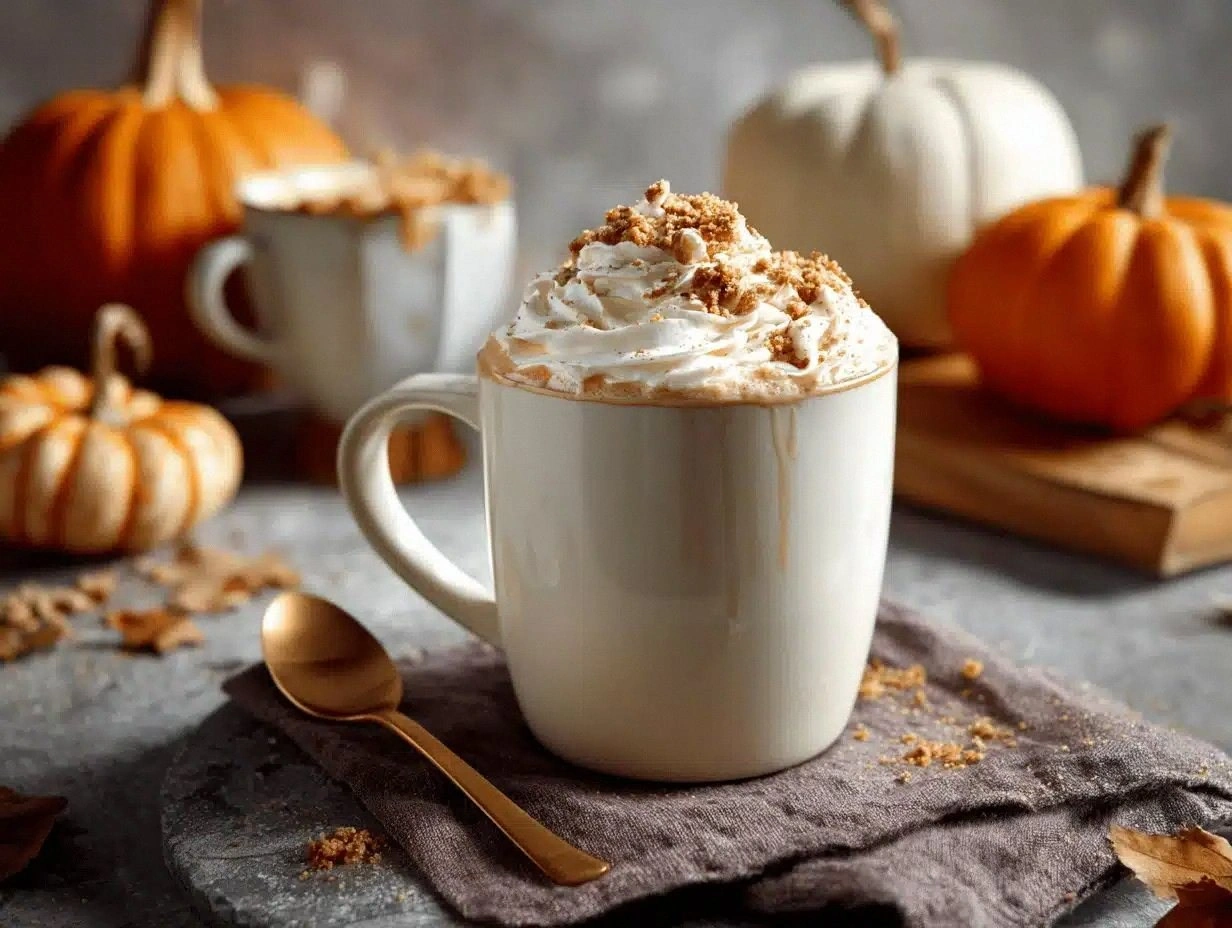
Kitchen Hack: For extra stability, chill the frothing pitcher for a few minutes before adding the milk; cold metal helps retain the bubbles longer.Grab your favorite mug—preferably a wide‑rimmed ceramic that showcases the foam. Pour the latte gently, allowing the foam to float on top like a fresh snowfall. The visual contrast between the creamy gold and the white foam is part of the magic; it’s the “snowflake” element that gives this drink its name.
Watch Out: When adding the whipped cream, do it slowly and with a spoon, not a splash. A sudden rush of cream can break the delicate foam layer, turning your snowflake into a soggy mess. Instead, dollop the cream in a circular motion, creating a smooth dome that sits proudly atop the latte.
Watch Out: If you over‑whip the cream, it will turn buttery and won’t melt gracefully into the latte.Finish with a light dusting of freshly grated nutmeg and a generous sprinkle of slivered almonds. The nutmeg should be enough to perfume the air without overwhelming the palate—just a whisper. The almonds add a subtle crunch that mimics the sound of fresh snow underfoot, giving each sip a textural surprise. Serve immediately; the latte is at its peak when the foam is still glossy and the almonds retain their crunch.
Take a moment, inhale the aroma, and then take that first sip. The flavors should unfold like a story: the almond milk’s creaminess first, followed by the delicate tea, a sweet hint of honey, and finally the warm spice of nutmeg. If you’ve made it this far, congratulations—you’ve just mastered a latte that could rival any high‑end café. That sizzle when it hits the pan? Absolute perfection. And now the fun part: experiment with variations and make this your signature winter (or any‑time) treat.
That's it — you did it. But hold on, I've got a few more tricks that'll take this to another level…
Insider Tricks for Flawless Results
The Temperature Rule Nobody Follows
Never, ever let your almond milk boil. A boil creates a film on the surface that traps air bubbles and makes the foam collapse. Keep the heat at a gentle simmer—when you see tiny bubbles forming around the edges, you’re in the sweet spot. I once rushed this step, and the latte ended up tasting “cooked” like a boiled vegetable broth. Trust the thermometer, and you’ll get a consistently smooth base every time.
Why Your Nose Knows Best
Your sense of smell is a more reliable indicator of doneness than a timer. When the almond milk reaches the perfect temperature, you’ll notice a faint, nutty aroma that wasn’t there at the start. If the scent is too faint, the milk is still cold; if it turns slightly caramelized, you’ve overshot it. Use this sensory cue, and you’ll avoid the dreaded burnt flavor that ruins even the best recipes.
The 5‑Minute Rest That Changes Everything
After combining the tea and milk, let the mixture rest for exactly five minutes. This pause allows the flavors to marry, creating a depth you can’t achieve by mixing and serving immediately. I once tried to rush this step for a “quick” latte, and the result was flat—like a song without a chorus. The rest period is short enough to keep you impatient but long enough to transform the drink.
Almond Extract Timing
Add the almond extract after the milk is heated but before you froth. Adding it too early can cause the volatile oils to evaporate, diminishing the flavor; too late, and it won’t blend fully, leaving pockets of bitterness. A quick stir ensures the extract is evenly distributed, giving every sip that consistent almond kiss.
The Whipped Cream Whisper
When whipping cream, use a chilled bowl and chilled beaters. The cold environment traps air more efficiently, producing a light, airy cloud rather than a dense butter. If you over‑whip, you’ll end up with clumps that won’t melt into the latte, ruining the silky mouthfeel. Keep an eye on the texture: soft peaks are your goal.
Creative Twists and Variations
This recipe is a playground. Here are some of my favorite ways to switch things up:
Maple‑Ginger Snowflake
Swap the honey for a tablespoon of pure maple syrup and add a pinch of freshly grated ginger. The maple adds a deep caramel note, while ginger introduces a subtle heat that pairs beautifully with the nutmeg. Perfect for those who love a little zing in their winter drinks.
Chocolate Almond Dream
Stir in a teaspoon of high‑quality cocoa powder and a dash of almond butter after heating the milk. The cocoa gives the latte a rich, mocha‑like depth, and the almond butter amplifies the nutty profile. Top with chocolate shavings instead of slivered almonds for an indulgent finish.
Citrus‑Infused Sunrise
Add a strip of orange zest to the milk while it heats, then remove before frothing. The citrus brightens the flavor, making the latte feel like a sunrise after a snowy night. Garnish with a thin orange twist for visual flair.
Vegan Coconut Cloud
Replace almond milk with full‑fat coconut milk and use coconut whipped cream. The coconut adds a tropical undertone that contrasts delightfully with the nutmeg, creating a latte that feels both warm and exotic. Sprinkle toasted coconut flakes instead of slivered almonds for extra crunch.
Spiced Chai Fusion
Combine a chai tea bag with the white tea during steeping, and add a pinch of cardamom and cinnamon to the milk. This creates a hybrid latte that’s both delicate and boldly spiced—ideal for those who can’t decide between chai and a classic latte.
Storing and Bringing It Back to Life
Fridge Storage
Store any leftover latte (without whipped cream) in an airtight glass jar for up to 48 hours. Keep the jar in the refrigerator, and when you’re ready to enjoy, gently re‑heat on the stovetop over low heat, stirring occasionally. Add a splash of fresh almond milk before reheating to revive the creaminess.
Freezer Friendly
If you’ve made a large batch, pour the cooled latte into freezer‑safe silicone molds or ice cube trays. Once frozen, transfer the cubes to a zip‑top bag; they’ll keep for up to 2 months. To serve, blend a few cubes with hot water for an instant, frothy latte that retains the original flavor.
Best Reheating Method
When reheating, use a double‑boiler or a microwave at 50% power in 20‑second bursts, stirring between each burst. This gentle approach prevents the almond milk from scorching and keeps the foam silky. Add a tiny splash (about a teaspoon) of water before reheating; the steam created helps the latte regain its original velvety texture.