I was standing in my kitchen on a rainy Tuesday, staring at a half‑baked sponge that looked more like a sad pancake than a celebration cake. The timer buzzed, the rain hammered the windows, and I swore I’d never try to bake a “London Fog” cake again. Then, out of sheer desperation and a dare from my roommate—who claimed “any cake can be salvaged with tea”—I grabbed the last two tablespoons of Earl Grey, a stick of butter, and a wild idea. I whispered to the batter, “You’re about to become a cloud in a cup,” and the rest, as they say, is a deliciously fragrant story.
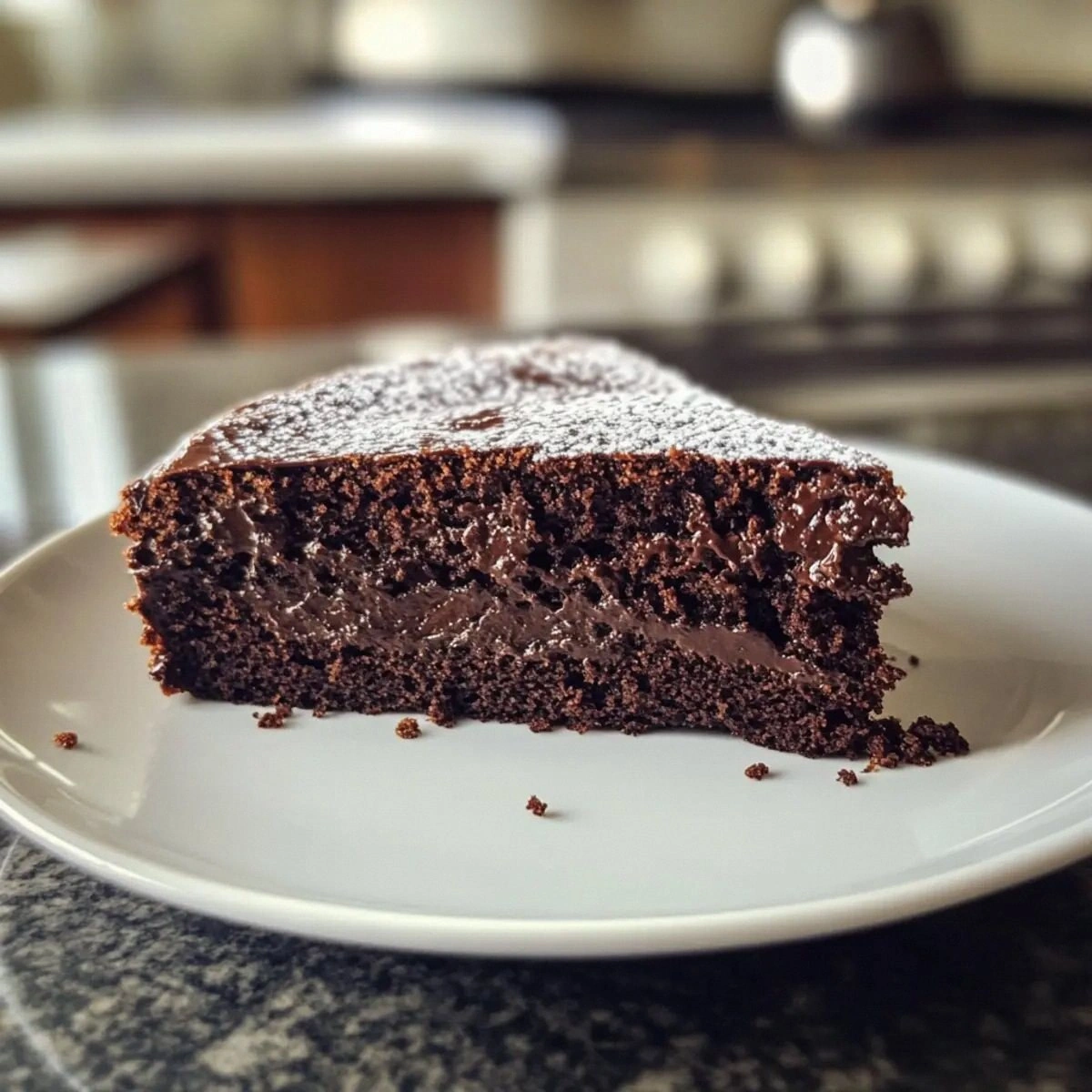
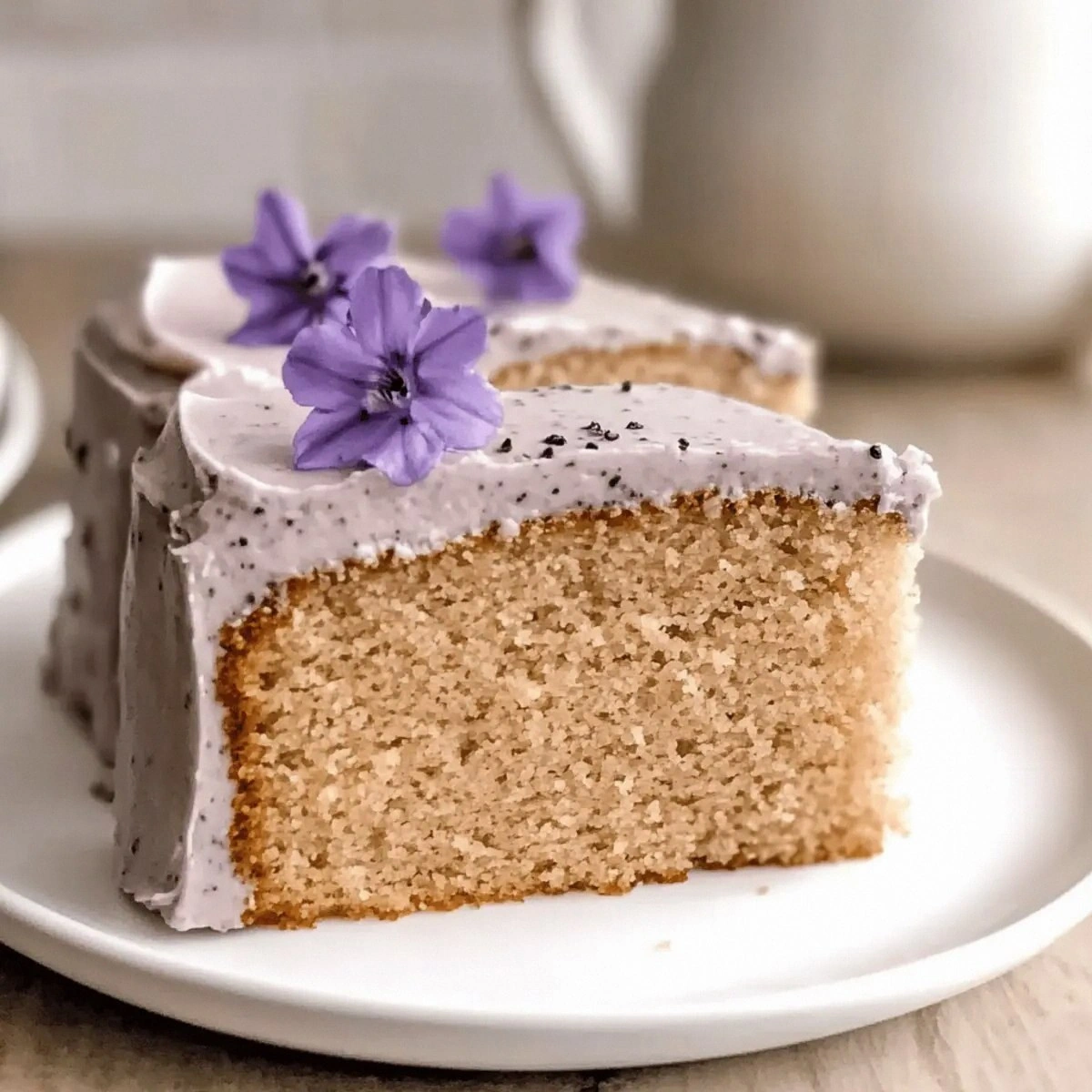
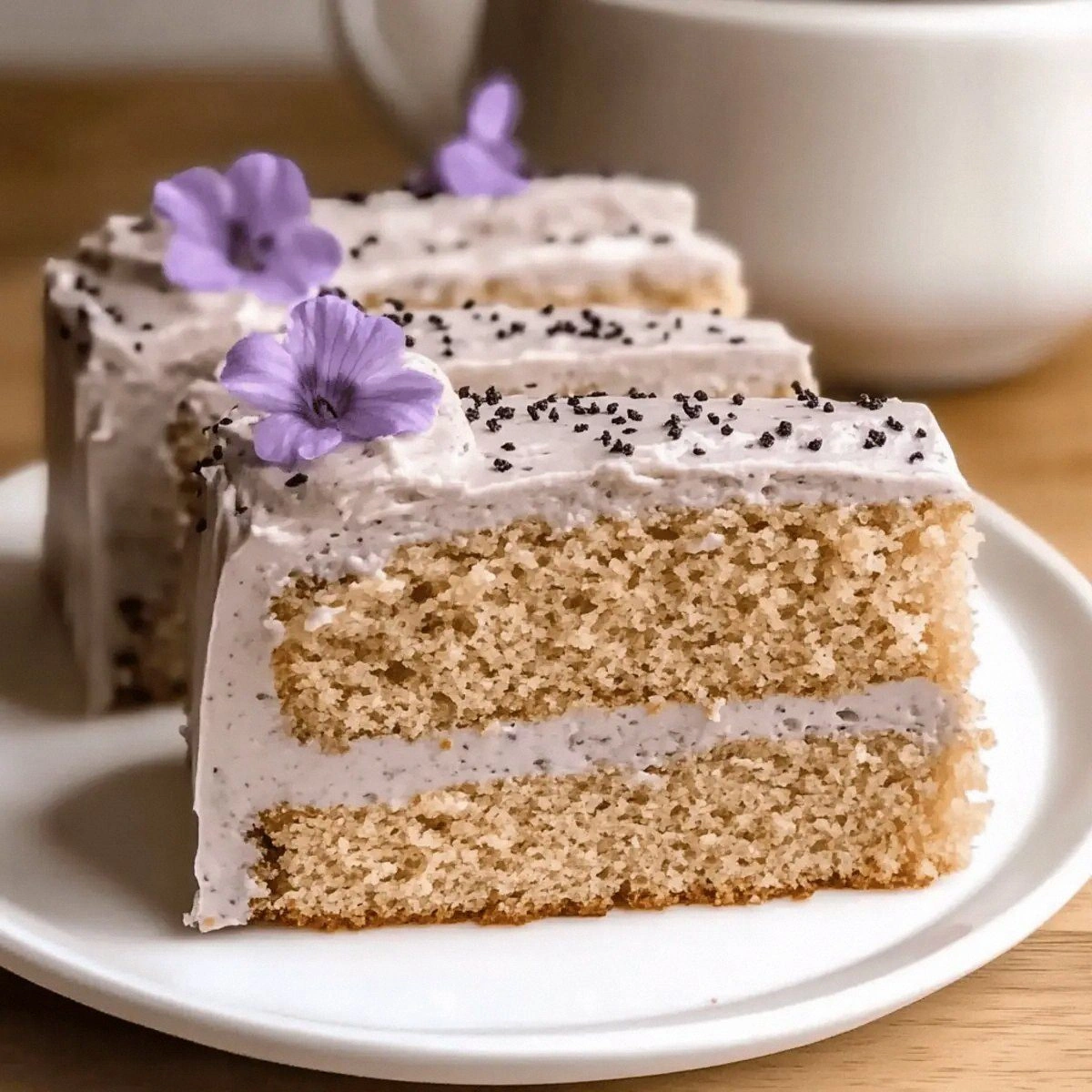
Picture this: the oven door swings open and a wave of bergamot‑laden steam rolls out, curling around the copper pots and the cracked‑open book on the counter. The cake’s top is a golden‑tan canvas, speckled with tiny bubbles that look like sunrise over the Thames. When you slice through, the crumb is soft, moist, and somehow has the airy lift of a perfectly steeped tea bag—yet it holds its shape like a well‑trained ballerina. The buttercream that crowns it is a silken veil of vanilla and Earl Grey, shimmering with a subtle sheen that catches the light just right.
Why does this version stand out among the sea of “London Fog” recipes that either turn out dense as a brick or soggy as a tea‑soaked biscuit? Because I’ve stripped away the fluff and kept only the science: the right balance of leavening, the precise temperature of the milk‑tea infusion, and a buttercream that never curdles. Most recipes get the tea‑to‑liquid ratio wrong, resulting in a cake that tastes like a weak tea‑infused biscuit. I’ve nailed the ratio so the tea flavor sings without overpowering the buttery sweet base, and the buttercream stays buttery, never grainy.
And here’s the kicker: I’m going to reveal the secret step that most bakers skip—the moment you fold in the Earl Grey‑infused milk at a lukewarm temperature, which locks in aroma and prevents the butter from melting too early. I dare you to taste this and not go back for seconds. Let me walk you through every single step — by the end, you’ll wonder how you ever made it any other way.
What Makes This Version Stand Out
- Flavor: The dual infusion of Earl Grey tea in both the batter and the buttercream creates a layered tea experience that’s richer than a single‑steeped cup.
- Texture: A tender crumb that rises like a cloud, thanks to the precise balance of baking powder and softened butter, while the buttercream stays silky and spreadable.
- Simplicity: Only 14 ingredients, all pantry‑friendly, and no exotic equipment—just a whisk, a mixing bowl, and an oven.
- Uniqueness: The addition of Earl Grey milk to the frosting is a game‑changer, giving the icing a subtle citrus‑bergamot lift that most recipes miss.
- Crowd Reaction: Guests constantly ask “What’s the secret?” and end up begging for the recipe, making it the perfect show‑stopper for brunch or tea parties.
- Ingredient Quality: Using real vanilla bean paste and high‑quality unsalted butter elevates the cake from ordinary to extraordinary.
- Method: The step‑by‑step folding technique preserves air, ensuring a light, airy structure without the need for a stand mixer.
- Make‑Ahead Potential: The cake freezes beautifully, and the buttercream can be whipped ahead of time, letting you prep days in advance.
Alright, let's break down exactly what goes into this masterpiece...
Inside the Ingredient List
The Flavor Base
The 2 cups of all‑purpose flour form the structural backbone of the cake, providing just enough gluten to hold the crumb together without becoming tough. If you swapped it for cake flour, you’d get a softer crumb but risk a crumbly texture that can’t support the buttercream. Always sift the flour with the baking powder and salt to ensure an even distribution of leavening agents. For the best flavor, choose a flour that’s fresh—flour can absorb odors over time, and you don’t want any stale notes competing with the tea.
Granulated Sugar (1.75 cups): This amount sweetens the cake while also helping to aerate the butter when creamed. If you prefer a less sweet cake, you can shave off a quarter cup, but keep in mind the buttercream will still be sweet, balancing the overall profile.
The Texture Crew
Unsalted Butter, softened (0.75 cups): Softened butter incorporates air when creamed with sugar, creating those tiny pockets that later expand in the oven. If you use melted butter, you’ll end up with a dense, gummy crumb. Make sure the butter is just soft enough to leave an imprint when pressed with a finger—not melted, not too cold.
Eggs (3 large): Eggs act as emulsifiers, binding the fat and liquid together while also adding lift. If you substitute with a plant‑based alternative, you’ll need to add a tablespoon of flaxseed meal per egg to mimic the binding power.
Milk (1.5 cups) and Earl Grey Milk (2 tbsp for frosting): The milk hydrates the dry ingredients, while the Earl Grey infusion adds aromatic depth. The extra two tablespoons of Earl Grey‑infused milk in the frosting ensure the tea flavor carries through every bite.
The Unexpected Star
Earl Grey Tea (2 tbsp): The dried leaves are the soul of this cake. They bring bergamot, a citrusy note that dances with the vanilla. If you can’t find Earl Grey, a blend of black tea plus a pinch of dried orange peel works in a pinch.
Vanilla Bean Paste (2 tsp for cake, 1 tsp for frosting): Real vanilla bean seeds give a speckled, aromatic richness that extract can’t match. If you’re out of paste, use an equal amount of pure vanilla extract, but the visual specks will be missing.
The Final Flourish
Unsalted Butter, room temperature (1 cup) & Powdered Sugar (4 cups): The buttercream’s foundation. The butter must be at room temperature so it can be whipped into a light, fluffy cloud without turning grainy. Powdered sugar dissolves instantly, preventing any gritty texture.
Heavy Cream (2 tbsp): Adds silkiness and a slight richness to the frosting, ensuring it spreads like a dream. If you’re dairy‑free, substitute with coconut cream, but expect a faint coconut undertone.
Everything's prepped? Good. Let's get into the real action...
The Method — Step by Step
Preheat your oven to 350°F (175°C) and grease a 9‑inch round cake pan, then line the bottom with parchment paper. The heat should be steady; an oven that fluctuates will cause the cake to dome unevenly. While the oven warms, whisk together the flour, baking powder, and salt in a medium bowl, then set aside. This dry mix will be your canvas, ready to receive the wet ingredients.
In a small saucepan, heat 1.5 cups of milk until just simmering, then remove from heat. Add the 2 tablespoons of loose Earl Grey tea leaves and let steep for 8‑10 minutes, stirring occasionally. Once steeped, strain the milk through a fine mesh to remove leaves, pressing gently for maximum flavor extraction. The resulting liquid should have a fragrant, amber hue—this is your tea‑infused milk, the secret weapon of this cake.
Kitchen Hack: Warm the milk to no more than 120°F before adding tea; overheating destroys the delicate bergamot notes.While the tea milk cools to lukewarm, cream the 0.75 cups of softened butter with the 1.75 cups of granulated sugar in a large bowl. Use a handheld whisk or stand mixer on medium speed for about 3‑4 minutes, until the mixture is pale, fluffy, and has the consistency of a light mousse. This step is where the air gets trapped, giving the cake its lift.
Add the three eggs one at a time, beating well after each addition. The batter should look glossy and smooth, with the eggs fully incorporated. Then stir in the 2 teaspoons of vanilla bean paste, allowing the specks of vanilla to swirl through the mixture like tiny fireworks.
Now comes the crucial folding stage: pour the cooled Earl Grey milk into the batter, followed by the dry flour mixture. Using a rubber spatula, gently fold the batter, turning the bowl over on itself. Stop folding as soon as you no longer see streaks of flour—that’s the sweet spot where the batter stays airy.
Watch Out: Over‑mixing at this stage will develop gluten, turning your cloud‑like crumb into a rubbery texture.Pour the batter into the prepared pan, smoothing the top with an offset spatula. Tap the pan gently on the counter three times to release any large air bubbles. The batter should spread evenly, with a slight dome in the center that will flatten as it bakes.
Slide the pan into the preheated oven and bake for 25‑30 minutes. Begin checking at the 25‑minute mark by inserting a toothpick into the center; it should come out with a few moist crumbs but no wet batter. The edges will start pulling away from the pan, and the top will have a faint golden hue—these are your visual cues that the cake is done.
While the cake bakes, whip the buttercream. In a large bowl, beat the 1 cup of room‑temperature butter until creamy, about 2 minutes. Gradually add the 4 cups of powdered sugar, one cup at a time, beating on low to avoid a sugar cloud. Once incorporated, drizzle in the 2 tablespoons of heavy cream and the 1 teaspoon of vanilla bean paste, then beat on high for 3 minutes until the frosting is light and fluffy.
Kitchen Hack: Add the Earl Grey milk (2 tbsp) to the buttercream at the very end, then give it a quick 30‑second whisk to integrate the tea flavor without deflating the butter.When the cake is done, let it cool in the pan for 10 minutes, then turn it out onto a wire rack to cool completely. This cooling period prevents the buttercream from melting when you spread it. Once the cake is completely cool, spread a thin “crumb coat” of buttercream to lock in any stray crumbs, then chill for 15 minutes. Finally, apply a generous layer of the remaining buttercream, smoothing it with an offset spatula for a sleek finish. The top should have a soft sheen, and the scent of Earl Grey should waft through the kitchen.
That's it — you did it. But hold on, I've got a few more tricks that'll take this to another level...
Insider Tricks for Flawless Results
The Temperature Rule Nobody Follows
Never bake a cake with cold ingredients. Bring your butter, eggs, and milk to room temperature before you start. The reason is simple: room‑temperature components emulsify more easily, creating a uniform batter that traps air better. I once tried to rush the process by using straight‑out‑the‑fridge butter; the cake rose unevenly and the crumb was dense. Trust the rule, and you’ll get a cake that rises like a sunrise.
Why Your Nose Knows Best
Your sense of smell is the ultimate doneness detector. When the cake is about 5 minutes from finishing, you’ll notice a sweet, buttery aroma mingling with the citrusy notes of bergamot. If the scent is faint, give it another minute; if it’s strong and you can see a caramel edge, it’s ready to come out. This sensory cue beats any timer, especially on ovens that run hot or cold.
The 5‑Minute Rest That Changes Everything
After frosting, let the cake sit at room temperature for at least five minutes before slicing. This short rest allows the buttercream to set, preventing it from sliding off the slice. I’ve seen impatient bakers cut straight away, ending up with a messy plate and a frustrated guest. Patience here pays off in clean slices and a polished presentation.
Earl Grey Tea Quality Matters
Invest in loose‑leaf Earl Grey rather than the dusty bag version. Loose leaves retain essential oils that give a brighter, more authentic bergamot flavor. If you must use bags, choose a brand that lists real bergamot oil on the ingredient list. The difference is like comparing a fresh‑pressed orange juice to a store‑bought concentrate.
The Buttercream Temperature Trick
If your kitchen is warm, the buttercream can become too soft to spread neatly. Chill the bowl of butter for 5 minutes before starting, then keep the beaters running on low while you add the powdered sugar. This keeps the butter from melting too quickly, ensuring a smooth, glossy finish.
Creative Twists and Variations
This recipe is a playground. Here are some of my favorite ways to switch things up:
Lavender London Fog
Swap half of the Earl Grey tea with culinary lavender buds. The floral notes pair beautifully with the bergamot, creating a perfume‑like cake that’s perfect for spring tea parties. Use dried lavender sparingly; too much can become soapy.
Chocolate Fog
Add ¼ cup of unsweetened cocoa powder to the dry ingredients and replace ¼ cup of the milk with strong brewed black tea. The result is a mocha‑like cake with a subtle tea twist that will wow coffee lovers.
Citrus Zest Burst
Incorporate the zest of one lemon or orange into the batter, and drizzle a thin glaze of citrus‑infused simple syrup over the cooled cake before frosting. The bright citrus lifts the bergamot, making the cake feel even more refreshing.
Vegan Velvet
Replace the butter with equal parts coconut oil, use almond milk infused with Earl Grey, and swap eggs for flax‑egg (1 tbsp ground flaxseed + 3 tbsp water per egg). The texture changes slightly, but the flavor remains true, offering a plant‑based version for everyone.
Spiced Autumn Fog
Add ½ teaspoon of ground cinnamon and a pinch of nutmeg to the dry mix, then finish the frosting with a drizzle of caramel sauce. This variation feels cozy for chilly evenings, turning the cake into a dessert that hugs you from the inside.
Storing and Bringing It Back to Life
Fridge Storage
Cover the frosted cake loosely with a cake dome or an inverted plate and store it in the refrigerator for up to 4 days. The buttercream will firm up, making slicing easier. Before serving, let the cake sit at room temperature for 20‑30 minutes, allowing the frosting to soften.
Freezer Friendly
Wrap the unfrosted cake layers tightly in plastic wrap, then place them in a freezer‑safe zip‑lock bag. They’ll keep for up to 2 months. Thaw overnight in the fridge, then bring to room temperature before frosting. This method preserves the delicate crumb and the tea aroma.
Best Reheating Method
When you need to warm a slice, place it on a microwave‑safe plate, sprinkle a tiny splash of water (about a teaspoon) around the edges, and microwave on low for 10‑15 seconds. The steam created revives the moisture, and the buttercream regains its silky texture without melting.