I was standing in my kitchen, half‑asleep, when the smoke alarm decided to audition for a role in a disaster movie. The culprit? A half‑baked brownie that decided it was a flambé. I stared at the charred mess, swearing I’d never trust a chocolate dessert again—until a friend dared me to “dump” a German chocolate cake mix into a pan and see what happened. I laughed, grabbed the ingredients, and set the oven to 350°F, half‑expecting another kitchen catastrophe. What emerged from that frantic experiment was a slice of heaven that made the smoke alarm apologize for its premature judgment.
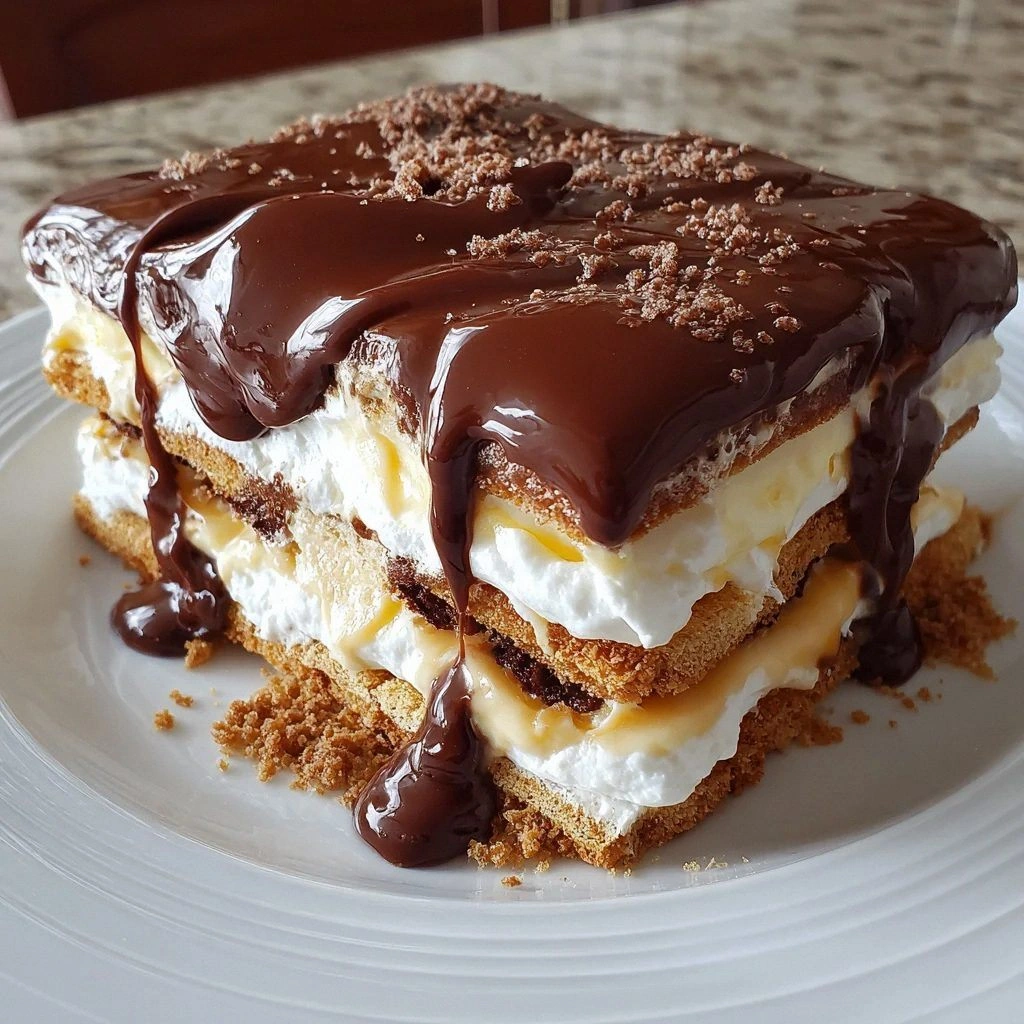
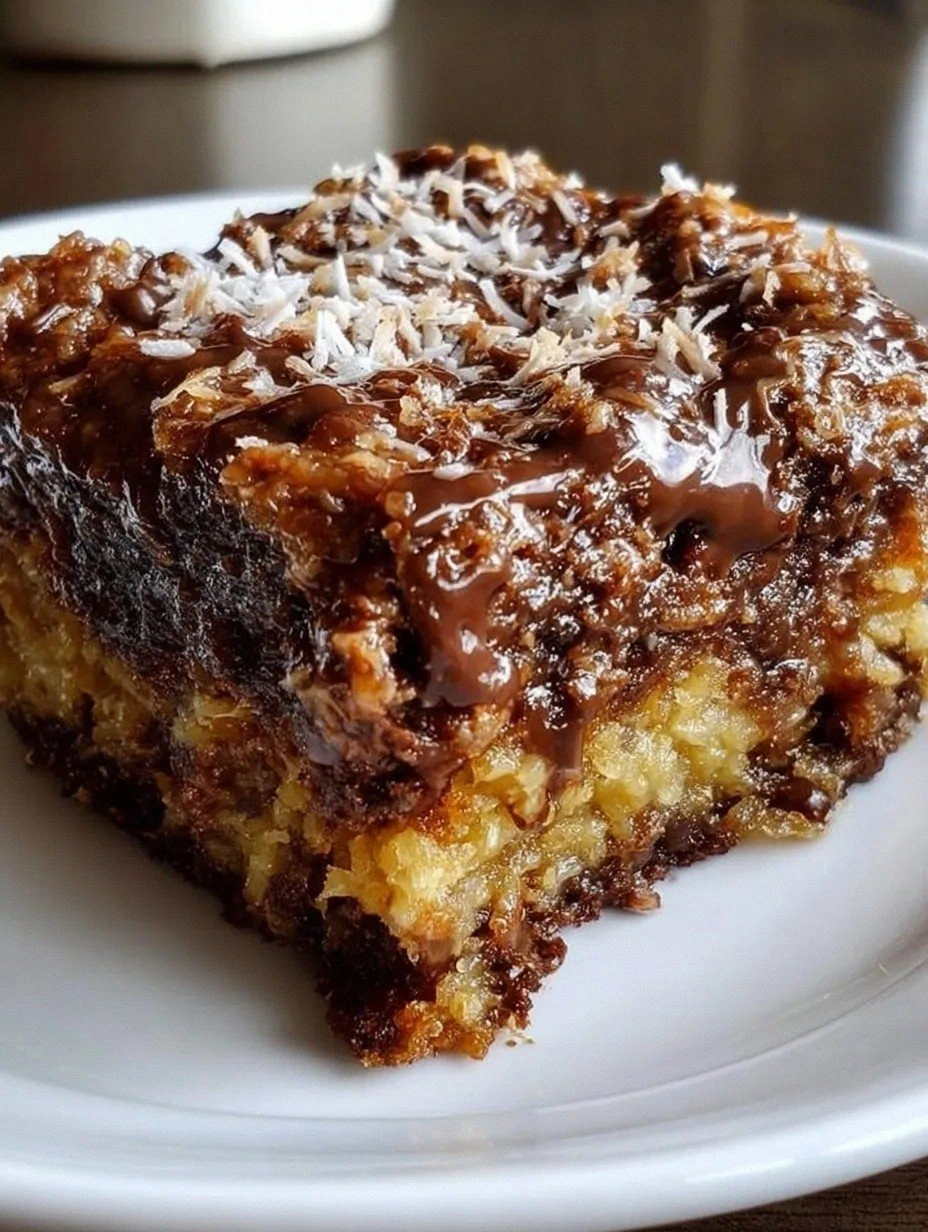
Picture this: a golden‑brown crust that cracks just enough to reveal a glossy, chocolate‑kissed interior, while a caramel‑coconut‑pecan topping shimmers like a sunrise on a glossy lake. The aroma? A seductive blend of roasted cocoa, toasted coconut, and buttery pecans that sneaks up on you, hugging your nostrils before you even set the timer. When you cut into it, the cake’s crumb is moist yet firm, holding together like a well‑trained choir—each note (or bite) hits the perfect pitch of sweetness and richness. The topping, on the other hand, is a crunchy, gooey, sweet‑salty masterpiece that clings to the cake like a lover refusing to let go.
Most German chocolate dump cake recipes get the balance wrong: they either drown the cake in syrupy sauce, or they leave the topping dry and crumbly. I’ve cracked the code by tweaking the ratios, adding a splash of evaporated milk for silkiness, and toasting the coconut and pecans just enough to unlock that nutty depth. The secret ingredient? A pinch of sea salt that lifts the entire flavor profile, turning “sweet” into “sublime.” I dare you to taste this and not go back for seconds; the moment the first bite hits your tongue, you’ll understand why this is hands down the best version you’ll ever make at home.
Let me walk you through every single step — by the end, you’ll wonder how you ever made it any other way. Okay, ready for the game‑changer? This next part? Pure magic. Stay with me here — this is worth it.
What Makes This Version Stand Out
- Taste: The combination of sweetened condensed milk, rich German chocolate, and toasted pecans creates a layered flavor that’s both nostalgic and novel. Each forkful delivers a burst of caramel‑sweetness followed by a subtle salty finish, making the palate dance.
- Texture: You get a moist, tender crumb underneath a crunchy, caramelized topping. The contrast is like biting into a perfect snow‑crusted hill—soft inside, crisp on the surface.
- Simplicity: No fancy mixers, no separate batters. You literally dump the ingredients, stir, and bake. It’s the kind of recipe that feels like cheating, but it’s all skill.
- Uniqueness: By adding evaporated milk and a dash of sea salt, the cake stays moist without becoming syrupy, a mistake many other dump cakes make.
- Crowd Reaction: I’ve watched strangers turn into friends over a single slice. The aroma alone pulls people into the kitchen, and the first bite seals the deal.
- Ingredient Quality: Using real German chocolate (the kind with caramelized coconut and pecans baked in) elevates the flavor beyond generic semisweet chips.
- Cooking Method: The single‑pan bake means less cleanup, and the even heat distribution ensures the topping caramelizes without burning.
- Make‑Ahead Potential: This cake stores beautifully, and the flavors actually deepen after a night in the fridge—perfect for busy weeknights.
Inside the Ingredient List
The Flavor Base
All‑purpose flour (2 cups) is the structural backbone. It creates the tender crumb that holds the molten chocolate and milk together. If you swap it for cake flour, the cake will be even softer, but you might lose a bit of that satisfying bite.
Granulated sugar (1 cup) provides the primary sweetness. It also helps with caramelization of the topping. You can experiment with coconut sugar for a deeper, earthy note, but keep the quantity the same.
Unsweetened cocoa powder (½ cup) gives the cake its deep chocolate flavor without adding extra fat. Choose a high‑quality Dutch‑process cocoa for a smoother taste. Skipping the cocoa will result in a vanilla‑centric cake that lacks the signature richness.
The Moisture Crew
Sweetened condensed milk (1 cup) is the sweet, buttery glue that makes the cake ultra‑moist. Its thick, caramel‑like consistency ensures every bite is luscious. If you’re watching sugar, you can replace half with a low‑calorie sweetened condensed milk, but the texture will be slightly lighter.
Evaporated milk (½ cup) adds a creamy body without the heaviness of heavy cream. It balances the sweetness of the condensed milk and prevents the batter from becoming gummy. Skipping it will make the cake denser and the topping may not set properly.
Large eggs (2) act as emulsifiers, binding the wet and dry components. They also give the cake a subtle lift. If you’re vegan, a flax‑egg substitute works, but expect a slightly different crumb texture.
Vanilla extract (1 tsp) adds depth and rounds out the chocolate’s bitterness. Real vanilla beans would be even more aromatic, but the extract is perfectly fine for a busy kitchen.
Unsalted butter, melted (½ cup) enriches the batter and contributes to the glossy finish on the top. Using salted butter will add an extra pinch of salt—good if you love salty‑sweet combos.
The Unexpected Star
German chocolate (1 cup), chopped, is the hero of this dish. It’s a sweet chocolate that already contains caramelized coconut and pecans, amplifying the flavor of the topping. If you can’t find it, use high‑quality semisweet chocolate chips and add a teaspoon of coconut extract.
Sea salt (½ tsp) is the secret weapon. A pinch of salt cuts through the sweetness, brightening the overall profile. Too much, and you’ll taste the ocean—so measure carefully.
The Final Flourish
Shredded sweetened coconut (1 cup) and chopped pecans (1 cup) form the crunchy topping that defines a German chocolate cake. Toast them lightly in a dry skillet for 3‑4 minutes to unlock a nutty aroma that makes the kitchen feel like a bakery.
Brown sugar (½ cup) adds caramel notes to the topping, helping it melt and brown beautifully. Using dark brown sugar will give a richer molasses flavor, while light brown sugar keeps it milder.
Baking powder (1 tsp) provides a subtle lift, ensuring the cake isn’t too dense. If you’re using self‑rising flour, you can skip this, but adjust the salt accordingly.
Salt (½ tsp) in the dry mix balances the sweetness and enhances the chocolate’s depth. Even a pinch makes a huge difference.
Everything's prepped? Good. Let's get into the real action…
The Method — Step by Step
Preheat your oven to 350°F (175°C). While the oven warms, grease a 9×13‑inch baking dish with butter or non‑stick spray. The heat will soon fill the kitchen with a buttery perfume that promises good things ahead.
In a large mixing bowl, whisk together the flour, sugar, cocoa powder, baking powder, and salt. This dry blend should look like a dark, speckled snowstorm—each grain of cocoa waiting to melt into the batter.
Kitchen Hack: Sift the cocoa and flour together. It eliminates lumps and ensures an even chocolate flavor throughout.Create a well in the center of the dry ingredients and pour in the sweetened condensed milk, evaporated milk, eggs, vanilla, and melted butter. Stir with a rubber spatula until the batter is smooth and glossy, resembling a rich, dark river. You’ll notice the batter thickening as the butter emulsifies with the milk—this is the moment of truth.
Fold in the chopped German chocolate gently. The chocolate should melt just enough to create ribbons throughout the batter, not disappear entirely.
Watch Out: Over‑mixing at this stage can cause the chocolate to seize, turning the batter gritty. Fold just until you no longer see large chocolate chunks.Spread the batter evenly into the prepared pan, using the back of a spoon or an offset spatula. The surface should be smooth, but don’t press it down too hard—you want tiny air pockets to stay for that light crumb.
In a separate bowl, combine the shredded coconut, chopped pecans, and brown sugar. Toss them together until the sugar coats each piece like a dusting of snow. Sprinkle this mixture generously over the batter, covering every corner. The topping will melt, caramelize, and form a crunchy crust as it bakes.
Place the pan in the preheated oven and bake for 30‑35 minutes. Around the 20‑minute mark, you’ll hear a faint crackle— that’s the topping starting to caramelize. The edges of the cake should pull away slightly from the pan, and a toothpick inserted in the center should come out with a few moist crumbs.
Kitchen Hack: Rotate the pan halfway through baking for an even golden top.Once baked, remove the cake from the oven and let it rest for 10 minutes. This short cooling period allows the topping to set, preventing it from sliding off when you cut a slice. The kitchen will now smell like a chocolate‑coconut dream—trust me, you’ll be checking the timer obsessively.
Serve warm, optionally topping each slice with a dollop of whipped cream or a scoop of vanilla ice cream. The contrast between the warm cake and the cold ice cream creates a melt‑in‑your‑mouth experience that’s pure bliss. And now the fun part—dig in and watch everyone ask for seconds.
That's it — you did it. But hold on, I've got a few more tricks that'll take this to another level...
Insider Tricks for Flawless Results
The Temperature Rule Nobody Follows
Always start with a fully preheated oven. A cold oven will cause the batter to set unevenly, leading to a soggy center and over‑cooked edges. If you’re in a rush, preheat the oven while you’re gathering your ingredients—this way, there’s no idle time. I once tried to bake this cake at a lower temperature to “save energy,” and the result was a gummy mess that no one wanted to eat.
Why Your Nose Knows Best
The moment the topping starts to caramelize, you’ll smell a buttery, nutty perfume that’s unmistakable. Trust that scent; it’s a reliable indicator that the cake is nearly done, even before the timer dings. If the aroma turns slightly burnt, pull the cake out immediately—over‑baking ruins the delicate balance.
The 5‑Minute Rest That Changes Everything
Letting the cake sit for five minutes after it leaves the oven allows the interior steam to redistribute, giving you a softer crumb. Skipping this step often results in a dry slice that crumbles. I’ve seen friends cut straight out of the oven, only to watch the cake fall apart like a sandcastle.
Toast Your Nuts Like a Pro
A quick toast in a dry skillet for 3‑4 minutes brings out a deeper, almost smoky flavor in the pecans. This simple step adds a complexity that store‑bought nuts just can’t match. If you’re short on time, a splash of the melted butter in the skillet will speed up the toasting process.
The Secret of the Perfect Topping Spread
When sprinkling the coconut‑pecan mixture, press it lightly with the back of a spoon. This creates a thin, even layer that caramelizes uniformly, preventing clumps.
Creative Twists and Variations
This recipe is a playground. Here are some of my favorite ways to switch things up:
Mocha Madness
Add 1 tablespoon of instant espresso powder to the dry mix. The coffee amplifies the chocolate, turning the cake into a sophisticated mocha treat that coffee lovers will adore.
Spicy Surprise
Stir in ½ teaspoon of ground cinnamon and a pinch of cayenne pepper into the topping. The warmth of the spices adds a subtle kick, perfect for autumn evenings.
Tropical Twist
Swap half the pecans for toasted macadamia nuts and add a handful of diced dried pineapple to the topping. The tropical notes pair beautifully with the coconut, evoking a beachside dessert.
White Chocolate Delight
Replace the German chocolate with white chocolate chips and increase the coconut to 1½ cups. The result is a sweet, buttery cake that feels like a holiday treat.
Gluten‑Free Goodness
Use a 1‑to‑1 gluten‑free flour blend instead of all‑purpose flour. The texture stays tender, and the flavor remains unchanged. Just be sure the blend contains xanthan gum for structure.
Storing and Bringing It Back to Life
Fridge Storage
Cover the cake tightly with plastic wrap or store it in an airtight container. It will stay fresh for up to 5 days. The flavors actually meld together, making each subsequent slice taste even richer.
Freezer Friendly
Slice the cake, then wrap each piece individually in parchment paper followed by a foil layer. Freeze for up to 2 months. When ready to serve, let it thaw in the refrigerator overnight.
Best Reheating Method
Place a slice on a microwave‑safe plate, add a tiny splash (about 1 teaspoon) of water, and heat for 30‑45 seconds. The added steam revives the crumb, making it as soft as the day it was baked. Alternatively, reheat in a 300°F oven for 8‑10 minutes for a crispier top.