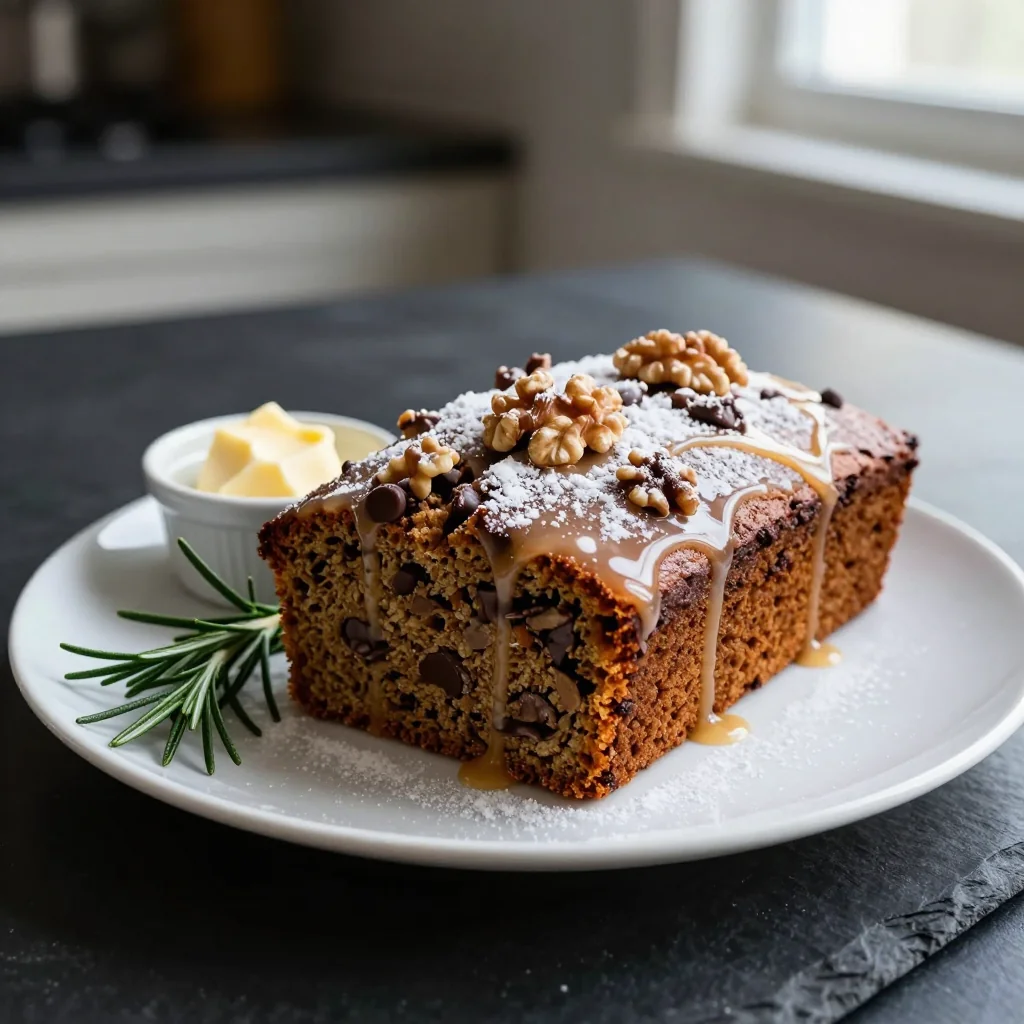
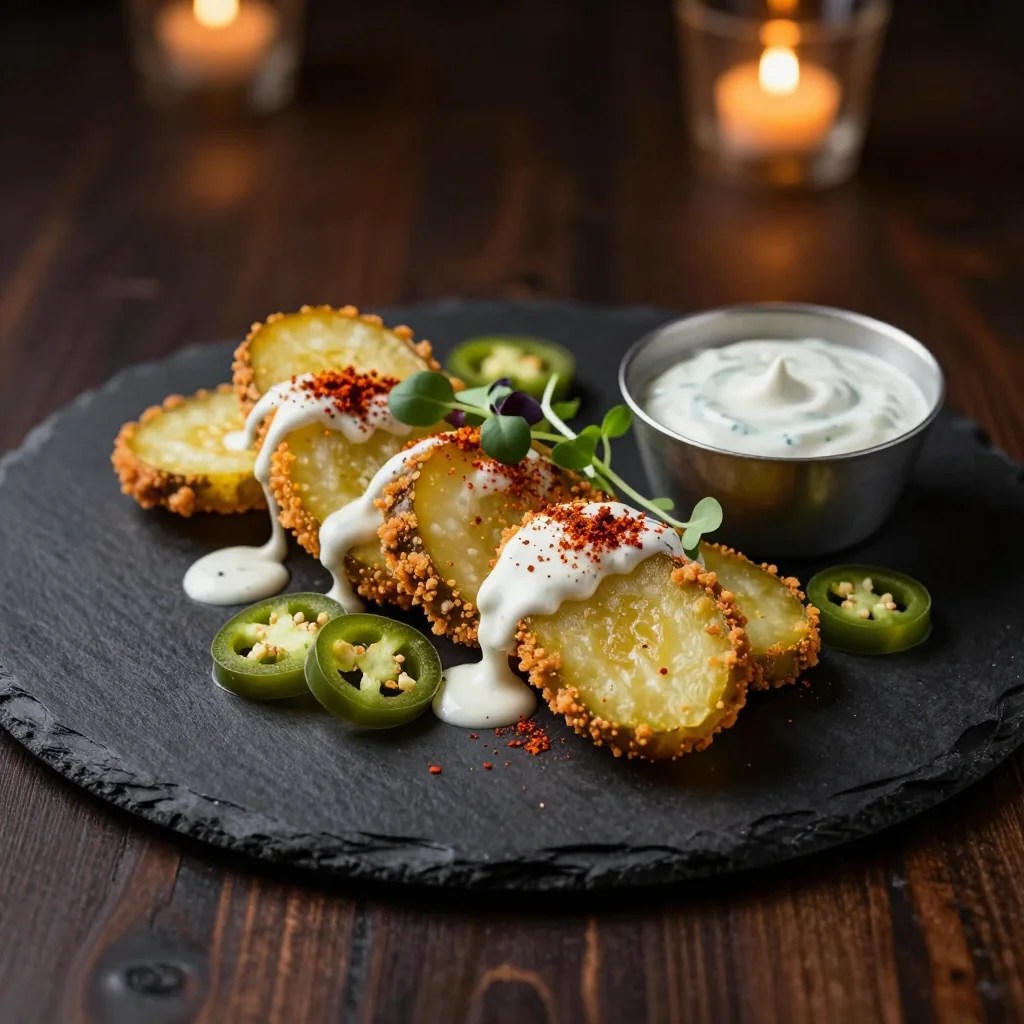
I was standing in my kitchen, mid‑midnight, with a half‑baked lemon cake that had collapsed like a sad soufflé, when my roommate dared me: “Bet you can’t make a macaron that actually tastes like sunshine.” I laughed, grabbed a bowl, and whispered a promise to the lemon‑scented air that I’d turn that disaster into a triumph. The whole apartment suddenly smelled like a citrus orchard after a rainstorm—bright, tangy, and just a hint of sweet almond that made my stomach do a little happy dance. I could hear the faint hum of the refrigerator, the clatter of my whisk against the bowl, and the soft sigh of the oven preheating, all while the lemon zest fell like confetti onto the countertop.
That night, I learned that the secret to perfect macarons isn’t a mystical French technique locked away in a dusty cookbook; it’s a combination of patience, precise temperature, and a dash of audacious confidence. Most people think macarons are impossible, and they’re right—if you try the wrong method. But I’ve cracked the code with a few tweaks that make the shells as light as a cloud and the filling as silky as a summer breeze. I’m talking about a lemon curd that’s bright enough to wake the dead, yet smooth enough to melt on your tongue like butter on warm toast. The moment you bite into one, you’ll hear a tiny pop as the shell cracks, followed by an explosion of citrusy joy that makes you want to shout, “I dare you to taste this and not go back for seconds!”
Why does this version stand out from the sea of lemon macaron recipes you’ll find on the internet? First, I use a double‑whisked meringue that creates a glossy, stable base—no more hollow shells that look pretty but taste like cardboard. Second, the almond flour is freshly ground, giving each bite a nutty depth that balances the tart lemon. Third, I fold in the dry ingredients with a technique I like to call “the gentle snowstorm,” which ensures the batter spreads evenly without over‑mixing. And finally, the filling is a secret blend of lemon curd, cream cheese, and a whisper of butter that locks in moisture, preventing the dreaded “dry macaron” syndrome. I’ll be honest — I ate half the batch before anyone else got to try it, and that’s a testament to how addictive these little clouds are.
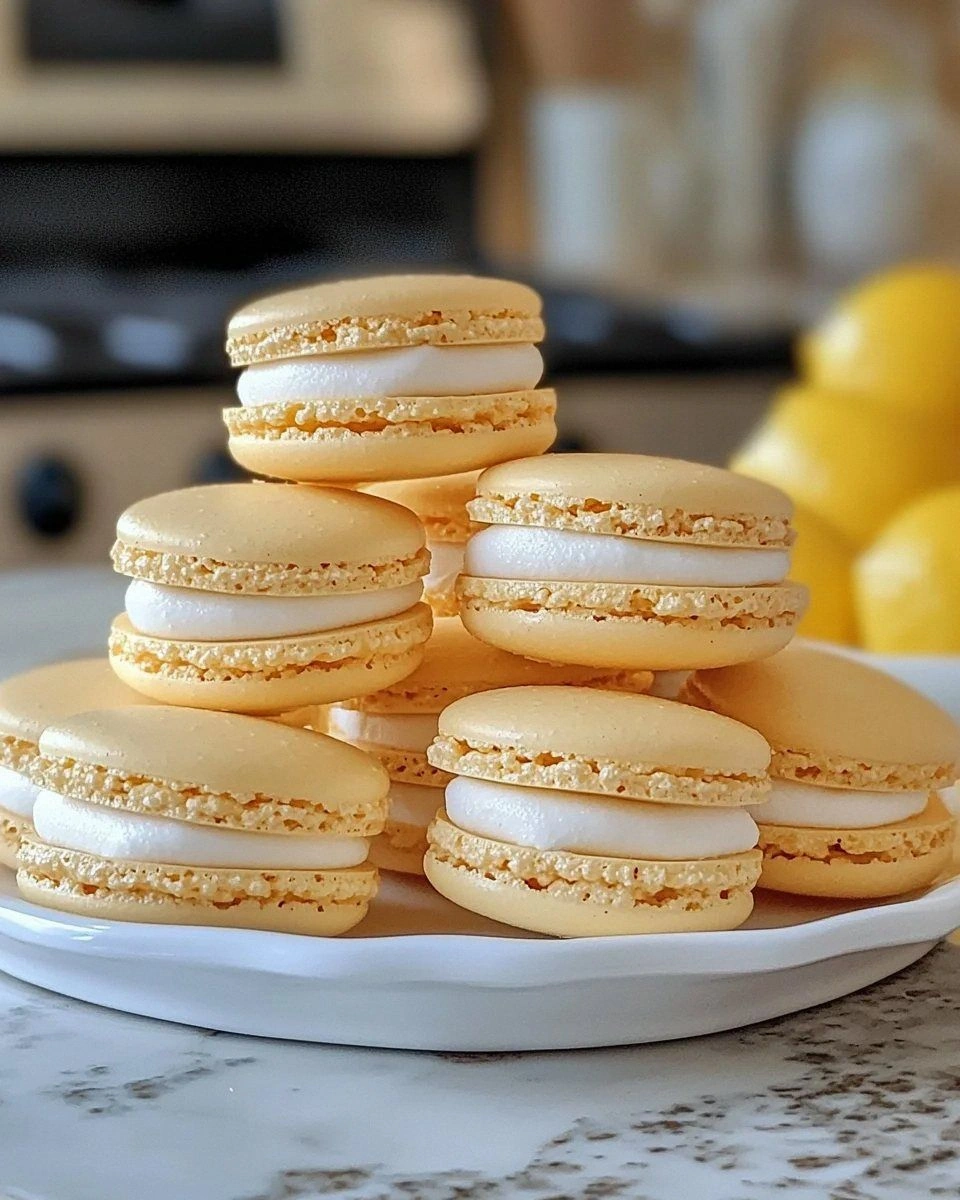
Picture yourself pulling a tray of golden‑tan macarons out of the oven, the whole kitchen smelling like a French patisserie on a sun‑kissed balcony. The shells have risen just enough to form a delicate “feet” that cradle the filling, and the tops are smooth, glossy, and slightly crisp at the edges. This isn’t just a dessert; it’s a performance art piece you can eat. Okay, ready for the game‑changer? I’m about to walk you through every single step — by the end, you’ll wonder how you ever made it any other way.
What Makes This Version Stand Out
- Flavor Explosion: The lemon curd is bright, tangy, and balanced with a buttery richness that makes each bite sing like a summer anthem.
- Texture Perfection: The shells have a crisp outer skin, a chewy interior, and a subtle “foot” that holds the filling like a tiny, edible pedestal.
- Simplicity: Despite the fancy reputation, the ingredient list is short, and the steps are broken down into bite‑size actions you can master in one afternoon.
- Uniqueness: I add a whisper of butter to the curd, creating a silkiness that most lemon macarons lack, turning the filling into a velvety dream.
- Crowd Reaction: Guests have been known to declare these the best thing they’ve ever tasted, often demanding the recipe before the night is over.
- Ingredient Quality: Using freshly ground almond flour and real lemon zest makes a world of difference; no processed powders here.
- Cooking Method: The “gentle snowstorm” folding technique prevents over‑mixing, ensuring the batter spreads just right for perfect shells.
- Make‑Ahead Potential: These macarons keep beautifully for up to three days in the fridge, and the flavors actually deepen over time.
Inside the Ingredient List
The Flavor Base
Lemon zest is the star of the show here. Its aromatic oils give the curd a bright, fragrant punch that powdered sugar alone could never achieve. If you skip the zest, you’ll end up with a bland filling that tastes like sweetened milk. For the best result, zest the lemon just before juicing it; the oils are most potent right then. If you’re allergic to citrus, a splash of orange zest can add a similar brightness without the same acidity.
The Texture Crew
Almond flour is the backbone of any macaron shell. It provides the nutty flavor and the delicate crumb structure that distinguishes macarons from other cookies. Using blanched almond flour ensures a pure white color and a smoother texture. If you can’t find blanched almond flour, give regular almond flour a quick pulse in a food processor and sift it twice to remove any brown specks. Skipping the extra sift can lead to speckled shells and a grainy mouthfeel.
The Unexpected Star
A tablespoon of unsalted butter folded into the lemon curd might sound crazy, but it’s the secret that makes the filling luxuriously creamy. The butter emulsifies with the cream cheese, creating a silky mouthfeel that prevents the curd from drying out. If you’re dairy‑free, replace the butter with a high‑quality coconut oil; the flavor will shift subtly, but the texture remains glorious.
The Final Flourish
Egg whites are the leavening heroes of the macaron world. They must be at room temperature and whipped to a glossy, stiff peak to form a stable meringue. Over‑whipping turns them rubbery, while under‑whipping leads to flat, soggy shells. A quick tip: add a pinch of cream of tartar to stabilize the whites, especially if you’re in a humid kitchen. Finally, a pinch of salt amplifies the sweet‑sour balance, but if you prefer a purely sweet profile, you can omit it without disaster.
Everything's prepped? Good. Let's get into the real action…
The Method — Step by Step
Start by preheating your oven to 300°F (150°C). While the oven warms, line two baking sheets with parchment paper and set a silicone mat on top. The low temperature is crucial; it allows the shells to rise slowly, forming those coveted “feet” without cracking. I always place a kitchen timer for exactly 30 minutes, then check the shells—if they’re still glossy, give them another 5 minutes. This step sets the stage for that perfect, even rise.
Sift together 1 cup almond flour and 1½ cups powdered sugar into a large bowl. Do this twice to guarantee a cloud‑like consistency. The sifted mixture should feel silky to the touch—any gritty texture will translate into a rough shell. If you notice any brown specks, discard them; they’re usually from unblanched almond flour and will mar the appearance.
In a clean, dry mixing bowl, whisk 3 room‑temperature egg whites until they become frothy. Add a pinch of cream of tartar, then gradually sprinkle in ¼ cup granulated sugar while whisking on medium speed. Once the sugar dissolves, crank the mixer up to high and whip until you achieve stiff, glossy peaks that hold a firm “M” shape. This is the “Swiss meringue” stage, and it’s the foundation of a stable macaron shell.
Now comes the “gentle snowstorm” fold. Add the sifted almond‑sugar mixture to the meringue in three portions. Using a rubber spatula, fold the batter with a slow, deliberate motion—cut through the center, scrape the bottom, and turn the bowl over. The batter should flow like lava; it’s ready when it forms a ribbon that slowly disappears back into the mixture. Over‑mixing will cause the batter to become runny, while under‑mixing leaves lumps.
Pipe 1‑inch circles onto the prepared silicone mats, spacing them about an inch apart. Once all the batter is piped, tap the trays firmly on the counter three times to release any air bubbles. Let the piped shells rest at room temperature for 30‑45 minutes, or until a skin forms on the surface—touch the top lightly; it should feel dry to the touch but not cracked. This resting period is the secret to those iconic “feet.”
Slide the trays into the preheated oven and bake for 15‑18 minutes. The shells are done when they have risen slightly, the tops are matte, and the “feet” are visible. Resist the urge to open the oven door early; the sudden temperature drop can cause the shells to collapse. When you remove them, let them cool completely on the tray before attempting to peel them off.
While the shells cool, whip up the lemon curd filling. In a saucepan, combine ½ cup fresh lemon juice, ¼ cup granulated sugar, and 2 tablespoons butter. Heat over medium until the sugar dissolves, then whisk in 4 oz softened cream cheese until smooth. Finally, stir in 1 teaspoon lemon zest for that extra zing. Let the mixture cool to room temperature, then transfer to a piping bag.
Match the shells by size, pipe a generous dollop of curd onto the flat side of one shell, and sandwich it with its partner. Gently press together so the filling spreads to the edges without overflowing. Place the assembled macarons in an airtight container and refrigerate for at least 2 hours; this “maturation” step allows the flavors to meld and the shells to soften just enough for a perfect bite.
That's it — you did it. But hold on, I've got a few more tricks that'll take this to another level…
Insider Tricks for Flawless Results
The Temperature Rule Nobody Follows
Never underestimate the power of a consistent oven temperature. I keep a cheap oven thermometer on the rack and adjust the dial by ±5°F if needed. A cooler oven (around 285°F) yields softer shells, while a slightly hotter one (315°F) gives you a crispier bite. Trust me, that extra 10 degrees can be the difference between “meh” and “wow.”
Why Your Nose Knows Best
When the shells are resting, they develop a delicate skin that you can feel by gently touching the surface. If it feels tacky, give them a few more minutes. Your nose will also pick up a faint, sweet aroma—when that scent is present, the shells are ready to bake. I once rushed this step and ended up with soggy bottoms; lesson learned: patience is the secret ingredient.
The 5‑Minute Rest That Changes Everything
After piping, let the shells sit for exactly 5 minutes longer than the recipe suggests if your kitchen is humid. The extra time allows the outer layer to dry a bit more, preventing cracks during baking. A friend tried skipping this rest once—her macarons puffed up then collapsed like a deflated balloon. Trust the rest; it’s worth the wait.
Butter‑Boosted Curds
Adding butter to the lemon curd not only enriches the flavor but also stabilizes the filling, preventing it from weeping when stored. Melt the butter gently and whisk it in off the heat to avoid separating. This small step makes the filling feel like a velvety custard rather than a runny jam.
The Night‑Before Magic
If you have the luxury of time, assemble the macarons the night before and let them rest in the fridge. The flavors deepen, and the shells absorb just enough moisture to become melt‑in‑your‑mouth. I’ve tasted a batch that sat overnight and swear it tasted better than the same batch served fresh. Future‑pacing: imagine biting into a perfectly aged macaron at a dinner party—pure show‑stopper.
Creative Twists and Variations
This recipe is a playground. Here are some of my favorite ways to switch things up:
Lavender Lemon Dream
Add 1 teaspoon dried culinary lavender to the almond‑sugar mixture before folding. The floral notes complement the lemon, creating a sophisticated flavor that’s perfect for a garden party. Pair with a light tea for an elegant touch.
Berry‑Burst Surprise
Swap half of the lemon juice for raspberry puree and fold a teaspoon of freeze‑dried raspberry powder into the filling. The tartness of the berries balances the lemon, and the pink hue makes the macarons look as good as they taste.
Matcha Zest Fusion
Blend ½ teaspoon matcha powder into the almond flour for a subtle earthy backdrop. Keep the lemon curd unchanged; the green‑gold contrast is a visual delight, and the slight bitterness of matcha heightens the citrus zing.
Salted Caramel Lemon
Drizzle a thin line of salted caramel between the shells before sealing. The caramel’s buttery sweetness marries the lemon’s acidity, while the pinch of sea salt adds a sophisticated crunch.
Chocolate‑Covered Delight
After the macarons have set, dip the tops in tempered white chocolate and sprinkle with crushed candied lemon peel. The chocolate adds a creamy shell that contrasts with the crisp macaron, and the candied peel reinforces the lemon theme.
Storing and Bringing It Back to Life
Fridge Storage
Place the assembled macarons in an airtight container and store them in the refrigerator for up to 3 days. The cool environment keeps the filling firm and prevents the shells from drying out. If you notice a slight firmness, let them sit at room temperature for 10 minutes before serving.
Freezer Friendly
Unassembled shells freeze beautifully for up to 1 month. Layer them between parchment sheets in a zip‑top bag to avoid sticking. When you’re ready, thaw them in the fridge overnight, then pipe fresh lemon curd and let them mature for an hour before serving.
Best Reheating Method
To revive a slightly stale macaron, preheat your oven to 300°F (150°C), place the macarons on a baking sheet, and add a tiny splash of water to the tray (just enough to create steam). Heat for 3‑4 minutes; the steam will soften the interior while the outer shell regains its crispness. This trick works wonders and saves you from tossing leftovers.