Picture this: a cramped kitchen, the oven timer blaring, and you, half‑heartedly, flipping a pot of tomato sauce that’s more brown than red. The next day, you’re craving something that feels like a Mediterranean hug, but the pantry is only stocked with ground turkey and a handful of herbs. I stared at the ingredients list, sighed, and decided to turn that turkey into the star of a dish that would make even the most skeptical foodie swoon. I’ll be honest — I ate half the batch before anyone else got a taste.
That sizzle when it hits the pan? It’s absolute perfection. The aroma of garlic and oregano rises like a fragrant sunrise, while the sound of the meatball browning is a soundtrack to my culinary confidence. Every time the pan crackles, I know the flavor is building, and the kitchen fills with a warmth that feels like a promise of comfort. I dare you to taste this and not go back for seconds. If you’ve ever struggled to make a meatball that actually tastes like the Greek you imagined, you’re not alone — and I’ve got the fix.
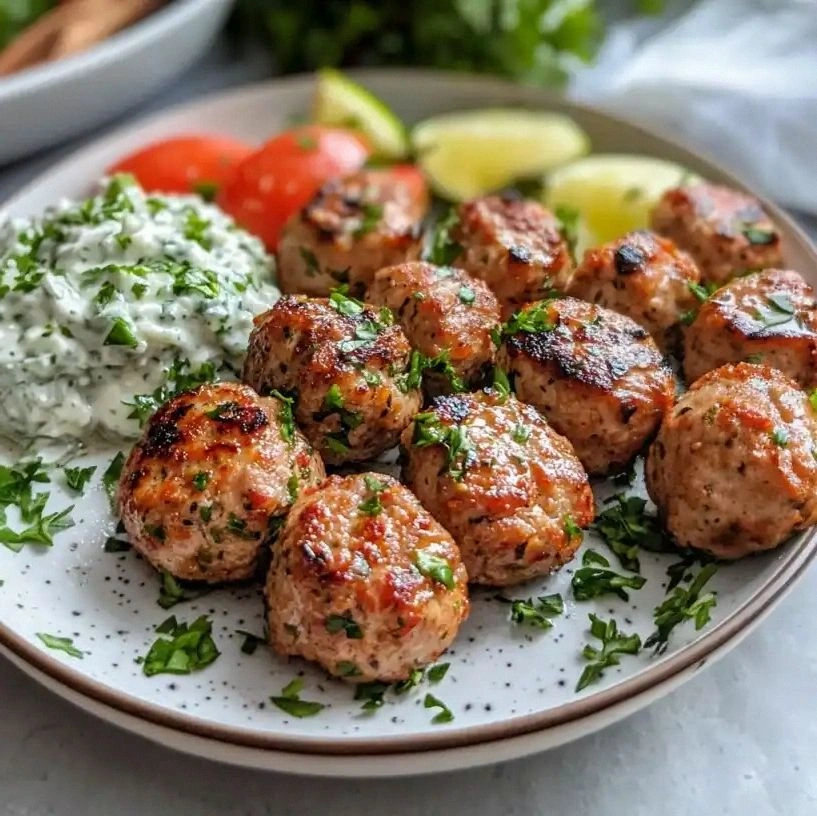
What makes this version stand out? It’s not just the ingredients; it’s the method that turns ordinary turkey into a melt‑in‑your‑mouth masterpiece. Most recipes get this completely wrong, focusing on heavy sauces that drown the subtle herbaceous notes. Here, the meatballs are light, airy, and packed with a citrusy tzatziki that cuts through the richness like a bright, refreshing breeze. Picture the sauce coating the meatballs like velvet, the cool cucumber crunching against the warm, fragrant meat. This is hands down the best version you'll ever make at home, and I’m ready to walk you through every single step.
Ready for the game‑changer? I’ll show you how to combine lean turkey with breadcrumbs and a secret blend of spices to create a texture that’s both firm and tender. Then, we’ll whip up a tzatziki that’s creamy, tangy, and the perfect counterbalance to the savory meatballs. The technique for achieving that perfect golden crust without overcooking is a revelation. Stay with me here — this is worth it.
What Makes This Version Stand Out
- Flavor: The blend of oregano, cumin, and fresh parsley gives the meatballs an unmistakable Mediterranean punch that lingers on the palate.
- Texture: Using a mix of breadcrumbs and a single egg locks in moisture, creating a bite that’s chewy yet tender.
- Speed: The entire process takes less than an hour, making it a perfect weeknight dinner without sacrificing quality.
- Health: Lean ground turkey keeps the dish low in saturated fat while still delivering protein.
- Versatility: The recipe scales easily for leftovers or for a family gathering, and it works beautifully with pita, rice, or a fresh salad.
- Make‑ahead: The meatballs can be frozen before cooking, and the tzatziki stores well, making this a go‑to meal prep solution.
- Presentation: Served on a bed of crisp greens with a drizzle of tzatziki, the dish feels both rustic and refined.
Alright, let's break down exactly what goes into this masterpiece...
Inside the Ingredient List
The Flavor Base
Ground turkey: The heart of the dish, lean ground turkey keeps the meatballs light and allows the spices to shine. If you’re a fan of a slightly richer bite, consider using a 80/20 blend, but watch the fat content. Skipping the turkey would mean losing the protein punch that makes this dish filling.
Garlic cloves: Fresh garlic infuses the meat with a sharp, aromatic kick. Crushing the cloves before adding them helps release their essential oils. If you’re allergic or sensitive, you can replace garlic with garlic powder, but the flavor will be milder.
Fresh parsley: Adds a bright, herbaceous note that balances the earthiness of the cumin. A handful of chopped parsley also gives the meatballs a pop of color. If you don’t have parsley, cilantro can be a suitable, though slightly different, substitute.
The Texture Crew
Breadcrumbs: They act as a binder, preventing the meat from falling apart while absorbing excess moisture. Use fresh or lightly toasted breadcrumbs for a subtle crunch. If you’re avoiding gluten, opt for gluten‑free breadcrumbs or a blend of almond flour and panko.
Large egg: The egg is the glue that holds everything together, ensuring a uniform shape. A beaten egg also adds a slight richness that balances the lean turkey. For a vegan version, replace the egg with a flaxseed “egg” or a commercial egg replacer.
The Unexpected Star
Dried oregano: This classic Greek herb provides depth and a slightly bitter undertone that pairs beautifully with the sweet notes of the tzatziki. A pinch of oregano is enough to avoid overpowering the dish. If you’re out of oregano, dried marjoram works as a close alternative.
Ground cumin: The warm, nutty flavor of cumin adds an earthy dimension that sets this recipe apart from typical turkey meatballs. A half teaspoon is sufficient; too much can make the dish taste like a spice rack. If you prefer a milder flavor, reduce the cumin to a quarter teaspoon.
The Final Flourish
Olive oil for cooking: A splash of olive oil ensures the meatballs develop a golden crust and stay moist inside. Use a high‑smoke‑point oil for best results. If you’re watching calories, a non‑stick spray can reduce the amount of oil needed.
Everything's prepped? Good. Let's get into the real action...
The Method — Step by Step
- Combine the meat mixture: In a large bowl, mix the ground turkey, breadcrumbs, beaten egg, minced garlic, chopped onion, parsley, oregano, cumin, salt, and pepper. Use your hands to knead until just combined; over‑mixing will make the meatballs tough. The mixture should feel moist but not wet, like damp sand. This is the moment of truth.
- Heat the skillet: Place a large non‑stick skillet over medium heat and add a tablespoon of olive oil. Let the oil heat until it shimmers, but not so hot that it starts to smoke. This ensures a crisp crust without burning. Watch for the first sign of bubbles; that’s when the meatballs should go in.
- Sear the meatballs: Gently slide the meatballs into the skillet, leaving enough space between each. Don’t crowd the pan; if necessary, cook in batches. Sear each side for about 2–3 minutes or until a golden crust forms. Flip carefully with tongs to avoid breaking.
- Finish cooking: Once all sides are browned, reduce the heat to low, cover the skillet, and let the meatballs steam for 8–10 minutes. The internal temperature should reach 165°F (74°C). The steam locks in moisture, making the meatballs juicy.
- Prepare the tzatziki: While the meatballs finish, combine Greek yogurt, grated cucumber (squeeze out excess liquid), minced garlic, lemon juice, chopped dill, and a pinch of salt and pepper in a bowl. Whisk until smooth and creamy. The cucumber adds a refreshing crunch that contrasts the warm meatballs.
- Serve: Arrange the meatballs on a platter, drizzle with tzatziki, and garnish with extra dill or parsley. Serve with warm pita, a side of couscous, or a crisp Greek salad. The dish feels like a celebration of flavors.
- Enjoy: Take a bite, let the savory meatball melt in your mouth, and feel the cool tzatziki wash over it. The combination of textures and flavors is pure bliss. That moment when the sauce coats the meatball like velvet? Absolutely unforgettable.
That's it — you did it. But hold on, I've got a few more tricks that'll take this to another level...
Insider Tricks for Flawless Results
The Temperature Rule Nobody Follows
Keep the skillet at medium heat: Many cooks start too hot, causing the exterior to burn before the interior cooks. A steady medium heat allows the meatballs to brown evenly while retaining moisture. If you notice the oil smoking, lower the heat immediately.
Why Your Nose Knows Best
Smell the meat: A fresh turkey should have a clean, slightly sweet scent. If it smells sour or off, it’s best to discard it. The aroma will tell you if the meat is still good and if the spices are balanced.
The 5‑Minute Rest That Changes Everything
Let the meatballs rest: After cooking, transfer them to a plate and cover loosely with foil for 5 minutes. This rest period allows the juices to redistribute, making every bite succulent. A friend tried skipping this step once — let’s just say the meatballs were dry and less flavorful.
Serve with a Sidekick
Choose the right accompaniment: Pair the meatballs with a Greek salad or a simple cucumber‑tomato mix for a refreshing contrast. A side of couscous or rice will soak up the remaining tzatziki. The right side dish can elevate the entire meal.
Make-Ahead Magic
Freeze the meatballs before cooking: Form the meatballs and place them on a parchment‑lined tray, freeze until solid, then transfer to a freezer bag. Cook them straight from the freezer; just add a minute or two to the cooking time. This makes meal prep a breeze.
Creative Twists and Variations
This recipe is a playground. Here are some of my favorite ways to switch things up:
Smoky Chipotle Twist
Swap oregano for chipotle powder: Add 1/4 teaspoon of chipotle for a smoky kick. The heat balances the cool tzatziki, creating a complex flavor profile that adults love. Serve with a side of black beans for a hearty meal.
Herb‑Infused Lemon
Replace dill with fresh basil: Basil pairs wonderfully with lemon, giving the tzatziki a sweet, aromatic note. This variation feels lighter, perfect for a summer dinner. Add a splash of white wine for extra depth.
Spicy Sriracha Splash
Add a teaspoon of sriracha to the tzatziki: The heat from the sriracha cuts through the richness of the meatballs, creating a bold contrast. Pair with a cucumber yogurt dip for a balanced palate. This version is a crowd‑pleaser at parties.
Gluten‑Free Delight
Use gluten‑free breadcrumbs: Swap regular breadcrumbs for almond flour or a gluten‑free blend. The texture remains light, and the dish stays safe for gluten‑sensitive diners. Keep the rest of the recipe unchanged.
Veggie‑Loaded Variation
Incorporate finely chopped spinach or zucchini: Add 1/4 cup of each to the meat mixture for extra nutrition and color. The veggies blend seamlessly, adding moisture without overpowering the flavor. This makes the dish a perfect side for a vegetarian family member.
Storing and Bringing It Back to Life
Fridge Storage
Store in an airtight container: Keep the cooked meatballs in the fridge for up to 3 days. The tzatziki can be kept separately to prevent sogginess. When ready to serve, reheat gently in a skillet or microwave.
Freezer Friendly
Freeze for up to 2 months: Place the cooked meatballs in a single layer on a tray, freeze, then transfer to a freezer bag. When reheating, thaw overnight in the fridge or use the microwave. The texture remains tender.
Best Reheating Method
Reheat with a splash of water: Add a tablespoon of water to the skillet, cover, and let steam for 2–3 minutes. This step keeps the meatballs moist and prevents drying. Serve immediately with fresh tzatziki.