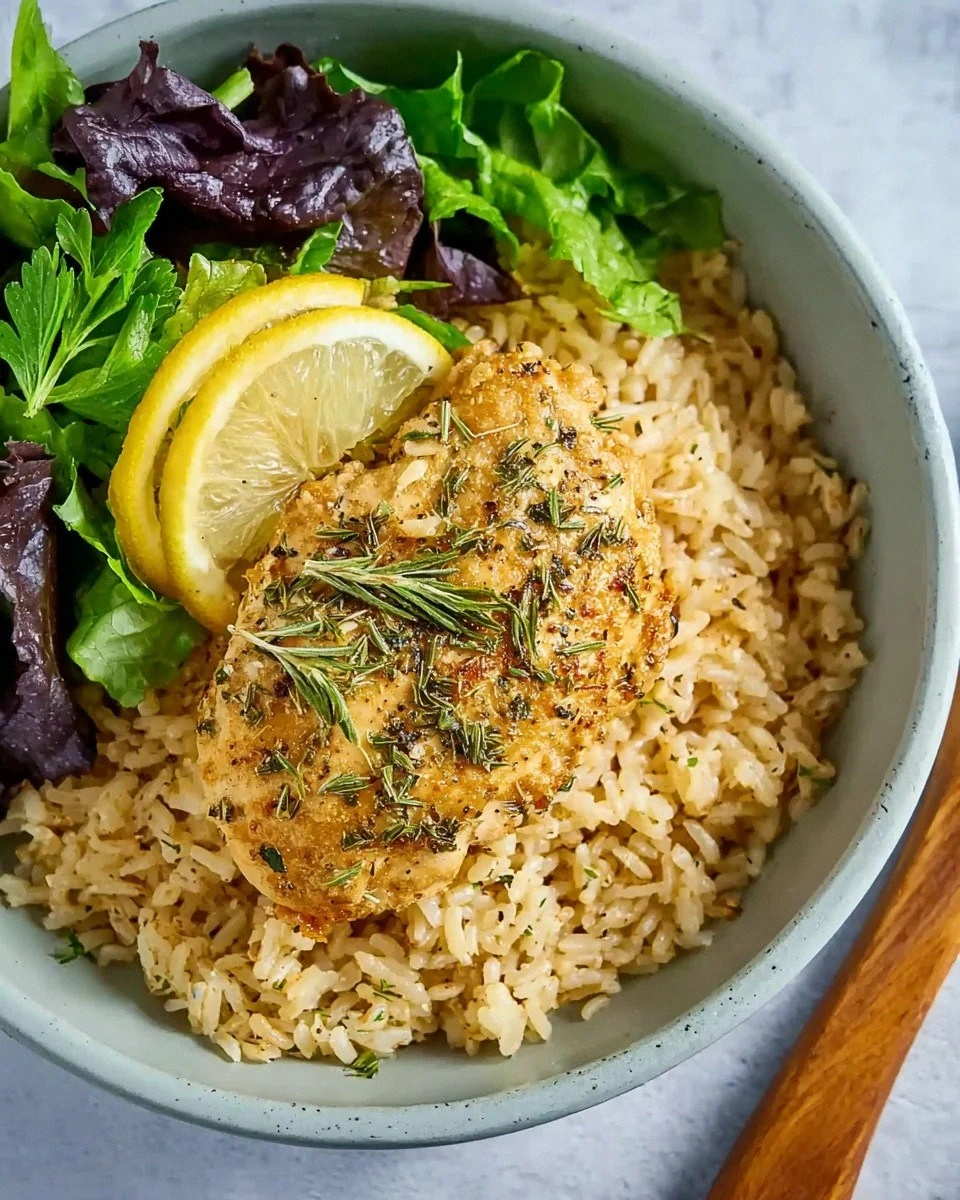
I still remember the Tuesday night I set my kitchen on fire—okay, technically it was just a small blaze in the skillet, but it felt like the whole apartment was auditioning for a pyrotechnics show. I was chasing that perfect one-pan dinner, the kind food bloggers promise will change your life in thirty minutes or less. Instead, I produced blackened chicken, undercooked rice, and a smoke alarm that wouldn’t shut up until I flapped a dish towel like a maniac. Fast-forward through three more failed attempts, a very patient fire extinguisher, and a fridge that smelled like burnt popcorn for a week, and I finally cracked the code. What emerged was this: One-pan Lemon Herb Chicken Rice—golden chicken that hisses and crackles as it hits the pan, rice that drinks up every drop of citrusy broth, and herbs so fragrant your neighbors will swear you hired a private chef.
Picture yourself pulling this out of the oven, the whole kitchen smelling incredible, steam curling up like it’s auditioning for a perfume commercial. You’ll taste sunshine in the form of lemon zest, earthy rosemary that reminds you of mountain hikes, and garlic that mellows into sweet, mellow magic. The rice grains plump up like they’ve been doing yoga, each one wearing a tiny coat of chicken fat and herb oil. And the chicken—oh, the chicken—sporting bronzed skin that shatters like thin ice under your fork, revealing meat so juicy it practically sighs. I dare you to taste this and not go back for seconds; I double-dare you to stop picking at the crispy bits stuck to the bottom of the pan while you “let it rest.”
I’ll be honest—I ate half the batch before anyone else got to try it. My excuse was “quality control,” but really I was hovering over the stove, fork in hand, pretending to adjust the heat while sneaking another bite. Most recipes get this completely wrong: they either dump everything in at once and you end up with rubbery chicken and mushy rice, they ask you to babysit three separate pans like you’re juggling flaming torches. Here’s what actually works—layered timing, one trusty oven-safe skillet, and a few sneaky techniques that restaurant chefs never write down. Stay with me here—this is worth it, and by the end you’ll wonder how you ever made it any other way.
Okay, ready for the game-changer? We’re talking about a dish that feels like a warm hug from the inside out, yet looks fancy enough for date night. If you’ve ever struggled with dry chicken, bland rice, or the dreaded “is it done yet?” moment where you poke everything and guess, you’re not alone—and I’ve got the fix. Let me walk you through every single step, from the first sizzle to the final flourish of fresh herbs, so you can nail this on the very first try.
What Makes This Version Stand Out
- Flavor Bomb: We sear the chicken skin-side down until the fat renders and creates natural, smoky fond—those caramelized bits that dissolve into the rice and taste like liquid gold.
- Texture Heaven: Par-cooking the rice in fragrant broth before nestling the chicken back in guarantees each grain stays distinct yet creamy, while the skin stays shatter-crisp.
- One-Pan Reality: Everything—protein, starch, veg—happens in a single skillet, meaning fewer dishes and more time to brag on Instagram about your culinary prowess.
- Citrus Upgrade: Lemon is used three ways—zest for brightness, juice for tang, and wedges roasted alongside for caramelized squeeze-over wedges that taste like candy.
- Herb Harmony: Fresh rosemary, thyme, and parsley are added at different stages so you get layered, evolving flavors instead of a tired, stewed mess.
- Make-Ahead Magic: The components can be prepped separately up to two days ahead, then assembled and finished in fifteen minutes when guests walk through the door.
- Crowd Reaction: I’ve served this to picky toddlers, carnivorous teenagers, and a French mother-in-law who critiques everything—every plate came back licked clean.
Alright, let’s break down exactly what goes into this masterpiece, because ingredient quality here is the difference between “meh” and “mind-blowing.”
Inside the Ingredient List
The Flavor Base
Extra-virgin olive oil is our first violin—choose something grassy and peppery, not the bland “light” stuff that tastes like melted crayons. You only need two tablespoons, so splurge on the good bottle you’ve been saving for salads. The chicken thighs must be bone-in and skin-on; bones conduct heat evenly and the skin renders into nature’s own crackling. If you try boneless skinless breasts, you’ll end up with dry cotton balls floating in lemon water, and nobody wants that tragedy. Salt early and generously, at least forty minutes before cooking, so it penetrates deep into the meat rather than sitting like a polite guest on the surface.
The Texture Crew
Long-grain rice is the VIP here—basmati if you want floral perfume, jasmine if you crave popcorn undertones. Short grains will clump like kindergarten glue, so avoid them unless you’re aiming for arancini. We’re toasting the rice in chicken fat until it smells like buttery popcorn; that nutty edge prevents the final dish from tasting flat. If you only have brown rice, no worries—just add ten extra minutes and a splash more broth, but know the flavor will be earthier. And please, for the love of culinary sanity, rinse until the water runs clear; excess starch is the enemy of fluffy grains.
The Unexpected Star
One whole head of garlic gets halved horizontally; those exposed cloves roast into sweet, squishy nuggets you’ll smear on crusty bread. A single bay leaf sneaks in subtle menthol notes, but skip it if you’re a card-carrying bay-leaf hater—I won’t judge (much). Low-sodium chicken broth is non-negotiable; the regular stuff reduces into a salt lick and ruins the delicate lemon balance. White wine adds floral acidity—use anything you’d happily drink, not the “cooking wine” that tastes like vinegar and regret. If you avoid alcohol, swap in an equal amount of broth plus an extra squeeze of lemon, but promise me you’ll deglaze the pan properly so those browned bits don’t sulk in the corner.
The Final Flourish
Fresh herbs finish in two waves: hardy rosemary and thyme go in early to perfume the oil, while soft parsley scatters on at the end for a chlorophyll punch. Lemon zest gets added off-heat so the volatile oils survive; juice goes in earlier to reduce and mellow. A knob of cold butter swirled in at the end creates a glossy emulsion that coats each grain like velvet. Taste, then adjust salt and pepper aggressively—this is your last chance before the curtain call. Serve straight from the skillet so the crispy rice on the bottom stays intact; that socarrat is the cook’s treat, and you’ve earned it.
Everything’s prepped? Good. Let’s get into the real action, where sizzles become symphonies and your spatula is the conductor.
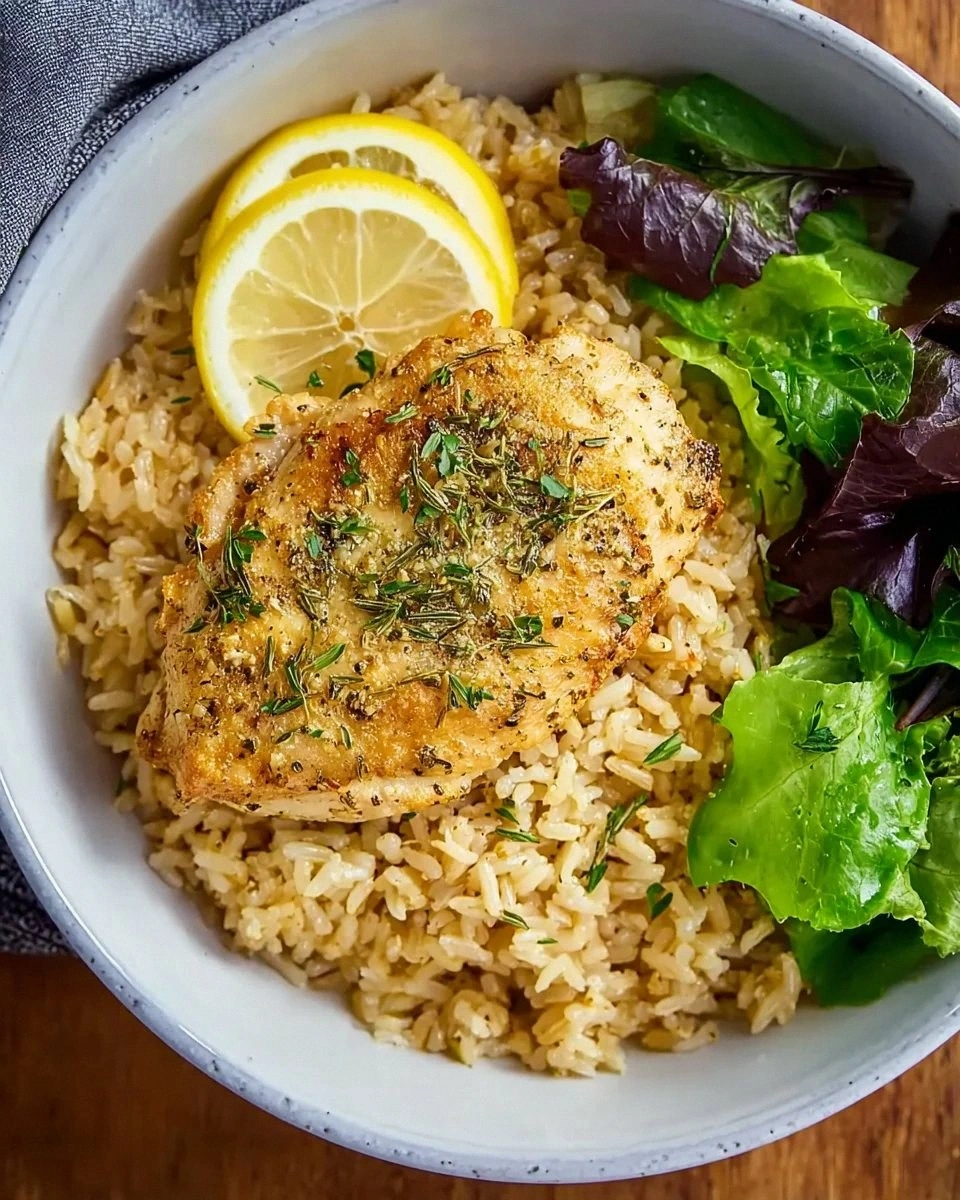
The Method — Step by Step
- Preheat your oven to 400°F (205°C) and position a rack square in the middle; too high and the skin burns before the meat cooks, too low and you lose that golden crunch. Pat the chicken thighs very, very dry with paper towels; moisture is the arch-nemesis of crispy skin. Season generously on both sides with kosher salt, freshly cracked black pepper, and a whisper of smoked paprika for subtle campfire vibes. Let them rest on a wire rack while you prep everything else; the salt will start dissolving into a brine that seasons the meat from the inside out.
- Heat a heavy, oven-safe skillet—cast iron is ideal—over medium-high until a drop of water skitters like a disco dancer across the surface. Add the olive oil; it should shimmer immediately but not smoke. Lay the chicken skin-side down in a single, confident sizzle. Do not, under penalty of soggy skin, move them for a full six minutes. That sizzle when it hits the pan? Absolute perfection. While the bottoms bronze, slice your garlic head in half horizontally and zest the lemon; keep the zest in a small bowl covered so the oils don’t evaporate into the ether.
- Flip the chicken with tongs, not a fork—piercing lets juices escape and we need every drop. The skin should be the color of antique mahogany. Transfer the thighs to a waiting plate; they’ll finish later in the oven. Pour off all but two tablespoons of the rendered fat, leaving the golden speckled fond in the pan. This is liquid flavor gold; treasure it. Drop the heat to medium and scatter in the rinsed rice, stirring constantly until each grain is coated and smells like buttery popcorn, about two minutes.
- Clear a small circle in the center of the rice and nestle the halved garlic head cut-side down. Add the bay leaf, rosemary sprig, and thyme. Pour in the wine; it will hiss and steam like an angry cat. Scraping with a wooden spoon, coax every last bit of browned magic from the skillet floor. Let the wine reduce by half so the raw alcohol smell disappears and you’re left with a concentrated fruity backbone.
- Stir in the chicken broth, lemon juice, and a pinch of salt—remember the liquid will reduce, so under-season slightly. Bring to a gentle simmer; small lazy bubbles should break the surface, not a rolling boil that flings rice onto your backsplash. Nestle the chicken skin-side up on top, letting the skin perch above the liquid so it stays crisp. Tuck lemon wedges around like edible confetti. Slide the whole skillet, uncovered, into the preheated oven and set a timer for twenty-five minutes.
- While the oven works its magic, chop the parsley and set out your serving plates. Resist opening the door for the first twenty minutes; the steam bath is crucial for evenly cooked rice. At the twenty-five-minute mark, slip on an oven mitt and give the skillet a gentle shake; the rice should look plump and the liquid mostly absorbed. If it still swims, bake five more minutes and check again—ovens have personalities, some run hot, some chilly.
- Transfer the skillet to a trivet and crank the oven to broil. This next part? Pure magic. Slide the pan under the broiler for two to three minutes, watching like a hawk through the glass. The skin will blister and bubble into a crunch that shatters under your fork. Stay with me here—this is worth it. If your broiler is the drawer-under-the-oven type, leave the door cracked so the thermostat doesn’t shut off the heat.
- Remove the skillet—admire your handiwork for a second because it’s going to smell like a Mediterranean sunset. Scatter the reserved lemon zest and fresh parsley over the top; the heat will bloom their oils instantly. Add the cold butter and swirl the pan gently so it melts into a glossy sauce that lacquers every grain. Taste a corner grain for salt; add more if needed, but remember the chicken skin carries seasoning too.
- Let everything rest for five minutes; this is the moment of truth where the rice absorbs the last tablespoon of liquid and the chicken juices redistribute. Serve directly from the skillet at the table so everyone can fight over the crispy socarrat on the bottom. Provide lemon wedges for an extra pop, though honestly, they’re almost candied from the oven and completely edible. Sit back, accept compliments, and casually mention you only used one pan—then watch your guests worship you like a kitchen deity.
That’s it—you did it. But hold on, I’ve got a few more tricks that’ll take this to another level, the kind chefs whisper to each other when no one’s recording.
Insider Tricks for Flawless Results
The Temperature Rule Nobody Follows
Pull the chicken from the fridge thirty minutes before cooking; cold meat hitting a hot pan contracts tighter than a miser’s fist, squeezing out moisture and sabotaging your sear. Room-temperature thighs brown faster and more evenly, plus they cook more uniformly so you don’t get that dreaded pink spot near the bone. A friend tried skipping this step once—let’s just say it didn’t end well, and we still tease him about “medium-rare poultry” at every game night. If you’re in a rush, submerge the sealed package in lukewarm water for ten minutes, but never hot water unless you fancy salmonella roulette.
Why Your Nose Knows Best
Trust your senses more than the clock. When the rice toasts, it should smell like popcorn; if it smells nutty and golden, you nailed it. If it smells like burnt rice krispies, you’ve crossed into bitter territory—immediately dump the grains onto a cold plate to stop the cooking. The same goes for the wine reduction: sniff the steam; if you still smell harsh alcohol, let it bubble longer. Your nose is the built-in kitchen timer Michelin-starred chefs rely on when they’re too busy to watch pots.
The 5-Minute Rest That Changes Everything
After the skillet exits the oven, drape a clean tea towel over the top and let it sit untouched for five full minutes. The towel traps just enough steam to finish the rice without turning the chicken skin flabby. Meanwhile, pour yourself a glass of whatever wine is left in the bottle—you’ve earned a victory sip. When you lift the towel, the aroma that greets you is so intoxicating you’ll swear someone slipped truffle oil into the rice. Try rushing this once and you’ll understand why patience is the secret sauce.
Creative Twists and Variations
This recipe is a playground. Here are some of my favorite ways to switch things up:
Moroccan Sunset
Swap thyme for a teaspoon of ras el hanout, stir in a handful of chopped dried apricots with the broth, and finish with toasted almonds and cilantro. The sweet-savory perfume transports you straight to a Marrakech riad where spice markets hum with chatter.
Green Goddess
Replace rosemary with tarragon and parsley with a handful of spinach blended into the broth for a vibrant emerald hue. Stir in peas during the last five minutes for pops of sweetness that make the dish taste like spring in a bowl.
Smoky Cajun Bayou
Use andouille sausage coins instead of chicken, swap paprika for Cajun seasoning, and add a diced bell pepper to the rice toast step. A dash of hot sauce at the end wakes everything up like Mardi Gras brass bands.
Creamy Tuscan Dream
Stir in a quarter cup of mascarpone and a handful of sun-dried tomatoes after baking. The cheese melts into luscious pockets that make the rice taste like risotto without the arm-numbing stirring marathon.
Island Escape
Sub coconut milk for half the broth, add a pinch of turmeric for golden color, and finish with diced mango and toasted coconut flakes. Close your eyes and you’ll hear waves lapping at white sand.
Autumn Harvest
Toss in cubed butternut squash during the rice toast and add sage instead of rosemary. The squash caramelizes into candy-like nuggets that pair beautifully with the lemony brightness.
Storing and Bringing It Back to Life
Fridge Storage
Let the skillet cool completely, then transfer leftovers to airtight glass containers; plastic traps odors and the lemon can start tasting like a cleaning product after day three. Refrigerate up to four days, but honestly, mine never lasts past two because midnight raids happen. Store the chicken and rice together so the juices mingle and flavors deepen like a good gossip session.
Freezer Friendly
Portion into freezer bags, press out excess air, and freeze flat for space-saving bricks that thaw in minutes under warm water. It keeps for two months without quality loss, though the skin will lose its shatter—simply re-crisp under the broiler for two minutes. Label the bag boldly; future you is bleary-eyed and doesn’t play guessing games.
Best Reheating Method
Add a tablespoon of water per serving, cover with a damp paper towel, and microwave at 70% power in one-minute bursts, stirring between rounds. The steam revives the rice without turning it into glue. For the chicken, set it skin-side up on a wire rack over a sheet pan in a 400°F oven for six minutes; the skin crisps back to life like it never took a refrigerator vacation.