I was standing in my kitchen on a rainy Tuesday, the kind of day when the clouds look like they’re about to spill their secrets, and my stomach was growling louder than the thunder outside. I had a bag of orzo, a handful of fresh veggies, and a craving for something that felt both comforting and sophisticated, but every recipe I tried either turned into a soggy mush or a bland side that could barely hold a conversation. That night, I dared my inner chef to take a gamble: roast the vegetables until they were caramelized, soak the orzo in a fragrant broth, and finish it all with a garlic‑Parmesan kiss that would make even the most skeptical palate sing. I’ll be honest — I ate half the batch before anyone else got a chance to try it, and the rest of the evening was spent convincing my roommate that the “mystery sauce” was actually a culinary masterpiece, not a kitchen accident.
Picture yourself pulling this dish out of the oven, the whole kitchen smelling of toasted garlic, sweet bell pepper, and a hint of rosemary that whispers promises of Mediterranean breezes. The orzo is buttery and al dente, each grain coated in a creamy Parmesan veil that clings like velvet, while the roasted vegetables bring a burst of color and a crisp‑tender snap that shatters the monotony of ordinary side dishes. When you take that first forkful, you’ll hear the sizzle of the edges as they meet the hot pan, feel the warmth radiating through the bowl, and taste the perfect balance of salty, savory, and just‑right acidity from the caramelized tomatoes. I dare you to taste this and not go back for seconds — it’s hands down the best version you’ll ever make at home.
Most recipes get the texture completely wrong, either drowning the orzo in a soupy broth or leaving the veggies under‑cooked and limp. Here’s what actually works: a two‑stage cooking process that first roasts the vegetables to unlock their natural sugars, then gently simmers the orzo in a low‑sodium vegetable broth so it absorbs flavor without turning mushy. The secret ingredient that most people overlook is a splash of olive oil drizzled over the veggies before they hit the oven, which creates those crispy edges that shatter like thin ice when you bite into them. And let’s not forget the finishing flourish — a generous handful of freshly grated Parmesan that melts into the hot orzo, creating a sauce so rich it could double as a dip for crusty bread.
Okay, ready for the game‑changer? I’m about to walk you through every single step, from selecting the perfect orzo to plating the final masterpiece. By the end, you’ll wonder how you ever made this dish any other way, and you’ll have a new go‑to recipe that will impress friends, family, or even that picky coworker who thinks “vegetable” is a synonym for “boring.” Stay with me here — this is worth it.
What Makes This Version Stand Out
- Flavor Fusion: The combination of roasted vegetables and garlic‑Parmesan orzo creates a layered taste experience where sweet, smoky, and umami notes dance together, making each bite more exciting than the last.
- Texture Harmony: You get a satisfying contrast between the tender, slightly chewy orzo and the crisp‑to‑caramelized vegetables, ensuring the dish never feels one‑dimensional.
- Simplicity Meets Sophistication: Despite the gourmet vibe, the recipe uses pantry staples and a handful of fresh produce, so you don’t need a culinary degree to pull it off.
- Ingredient Quality: Using low‑sodium vegetable broth and fresh Parmesan maximizes flavor without relying on excessive salt, keeping the dish balanced and heart‑friendly.
- Crowd‑Pleaser Factor: Whether it’s a weeknight dinner or a potluck, the vibrant colors and comforting aromas draw people in, and the taste keeps them coming back for more.
- Make‑Ahead Magic: This dish stores beautifully, and a quick reheating with a splash of broth brings it back to life, making it perfect for meal‑prepping enthusiasts.
- Versatile Base: Orzo’s rice‑like shape soaks up the broth like a sponge, allowing endless variations and adaptations without compromising the core texture.
- Seasonal Flexibility: The recipe shines with summer zucchini and tomatoes but can be swapped for autumn squash or winter root veggies, making it truly year‑round.
Inside the Ingredient List
The Flavor Base
Orzo pasta is the heart of this dish, a small rice‑shaped pasta that cooks quickly and soaks up flavors beautifully. Because it’s shaped like tiny grains of rice, it provides a comforting familiarity while still delivering a pleasant chew that holds up against the broth. If you skip the orzo, you lose the ability to create that cohesive, saucy coating that makes every bite feel indulgent. A good swap is small pearl couscous, but expect a slightly nuttier texture.
Vegetable broth acts as the savory foundation, infusing the orzo with depth that water simply can’t provide. Using a low‑sodium version lets you control the salt level, preventing the dish from becoming overly salty once the Parmesan is added. If you’re short on broth, a mix of water and a splash of soy sauce or miso paste can mimic the umami punch.
The Texture Crew
Olive oil is essential for roasting the veggies, enhancing their natural sweetness and creating those coveted crispy edges. Drizzling just enough to coat the vegetables ensures they brown evenly without steaming. For a richer flavor, consider finishing the roasted veggies with a drizzle of toasted walnut oil right before serving.
Zucchini adds a tender crunch and mild flavor that pairs wonderfully with herbs. Choose firm, medium‑sized zucchinis; if they’re too soft, they’ll release water during roasting, leading to soggy bites. You can substitute yellow squash for a sunny pop of color without altering the taste profile.
Red bell pepper brings sweet vibrancy and a pop of color that lifts the entire dish. Its natural sugars caramelize beautifully, creating a subtle smoky note. If you’re looking for a deeper flavor, a roasted poblano can add a gentle heat without overwhelming the dish.
Cherry tomatoes, when roasted, become juicy and caramelized, intensifying their sweetness and adding a burst of acidity that balances the richness of the cheese. Halve them for quicker caramelization, or leave them whole for a burst of juice in the mouth.
The Unexpected Star
Dried Italian herbs — a blend of basil, oregano, and thyme — bring a Mediterranean vibe that ties all the flavors together. The dried form releases its aromatics slowly during roasting, ensuring the herbs don’t burn. Fresh herbs can be used as a garnish, but the dried blend is the secret sauce that makes the dish sing.
Garlic, freshly minced, infuses the dish with robust flavor and an irresistible aroma. If you’re not a garlic fan, you can reduce the amount, but the dish will lose that bold backbone that makes the Parmesan shine. A quick tip: smash the cloves before mincing to release more oils.
Parmesan cheese, freshly grated, provides creaminess and a salty bite that ties everything together. It melts into the hot orzo, creating a sauce that coats each grain like silk. For a vegan twist, nutritional yeast offers a similar cheesy note, though the texture will be less buttery.
The Final Flourish
Salt and pepper are the essential seasonings that enhance every component, from the broth to the roasted vegetables. Use them judiciously; taste as you go, especially after adding the Parmesan, which already contributes saltiness. A pinch of flaky sea salt added just before serving can elevate the dish with a satisfying crunch.
Fresh parsley, chopped and sprinkled on top, adds a splash of color and a fresh finish that cuts through the richness. If you’re short on time, a handful of arugula tossed in at the end can provide a peppery contrast.
Everything's prepped? Good. Let’s get into the real action — the part where flavors meld, aromas rise, and you become the maestro of your own kitchen symphony.
The Method — Step by Step
Preheat your oven to 425°F (220°C). While the oven warms up, line a large baking sheet with parchment paper and gather your vegetables. Toss the zucchini, red bell pepper, and cherry tomatoes with 2 tablespoons of olive oil, a generous pinch of salt, and the dried Italian herbs. Spread them in a single layer so they roast evenly; the goal is to achieve caramelized edges that whisper sweet, smoky notes. This is the moment of truth — if the veggies are crowded, they’ll steam instead of roast, and you’ll lose that coveted crunch.
Slide the tray into the oven and let the vegetables roast for 20‑25 minutes, stirring halfway through. You’ll know they’re ready when the zucchini pieces are tender‑but‑still‑firm, the bell pepper has blistered, and the cherry tomatoes have burst open, releasing a syrupy juice that caramelizes on the pan. That sizzle when they hit the hot sheet? Absolute perfection.
While the vegetables are turning golden, bring 3 cups of low‑sodium vegetable broth to a gentle simmer in a medium saucepan. Add the orzo, stir once, and reduce the heat to low, covering the pot. Let it cook for 8‑10 minutes, or until the orzo is al dente and most of the broth has been absorbed. The orzo should be tender but still have a slight bite, like a good piece of risotto before it’s finished.
In a large skillet, heat 1 tablespoon of olive oil over medium heat. Add the minced garlic and sauté for 30 seconds, just until fragrant — be careful not to let it brown, or you’ll end up with a bitter bite. Once the garlic is aromatic, fold in the roasted vegetables, letting them mingle with the garlic for another minute. This step binds the flavors together, creating a unified taste profile.
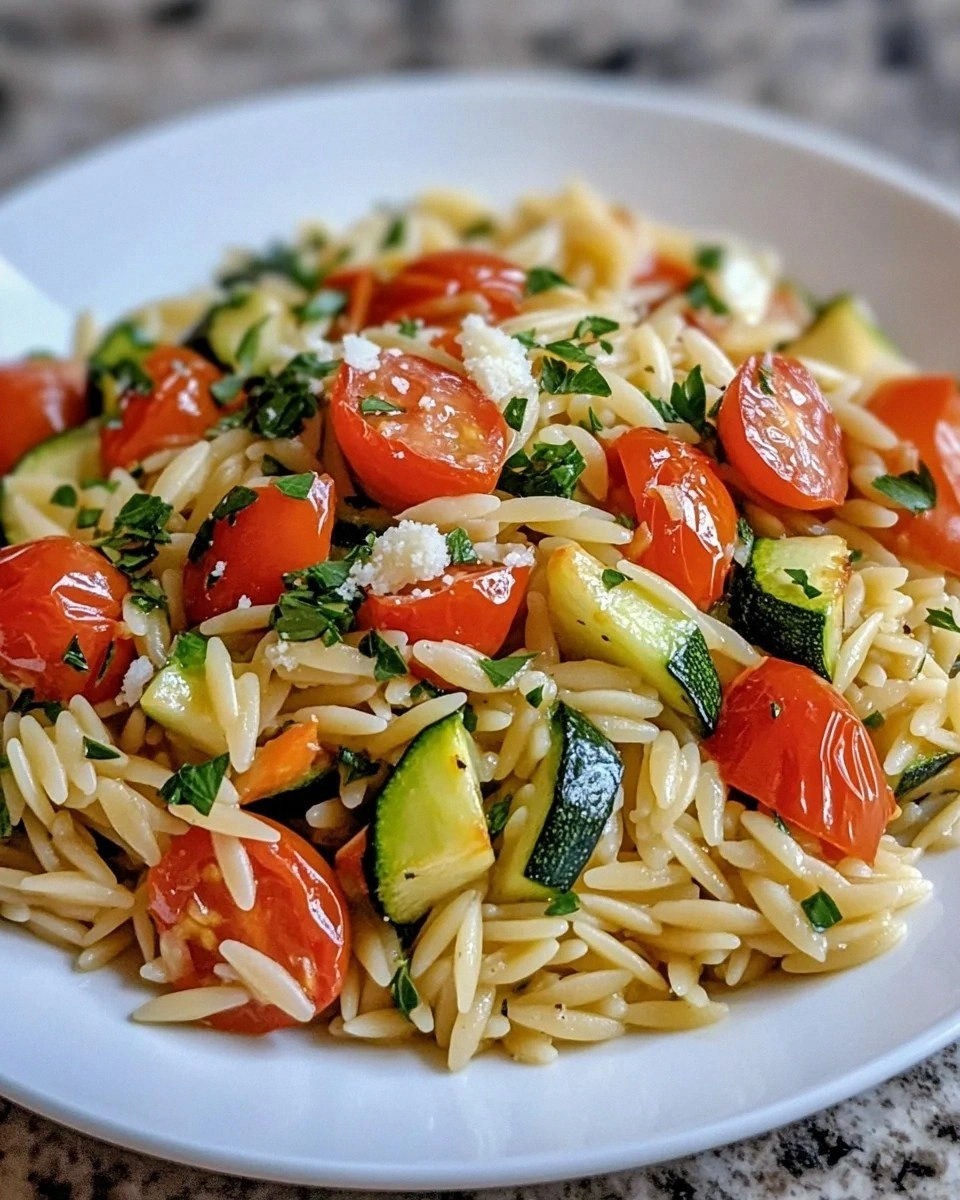
Now, combine the cooked orzo with the skillet mixture. Toss everything together gently, allowing the residual heat to meld the broth, garlic, and veggies. Sprinkle the freshly grated Parmesan over the top, stirring until it melts into a silky sauce that coats each grain of orzo like a luxurious blanket. Taste at this point and adjust salt and pepper as needed — remember, the Parmesan already contributes salt.
Remove the pan from the heat and fold in the chopped fresh parsley, letting the bright green specks add a pop of color and a fresh, herbaceous finish. If you’re feeling adventurous, drizzle a final teaspoon of high‑quality extra‑virgin olive oil for an extra layer of richness. Let the dish sit for two minutes; this resting period allows the flavors to settle and the sauce to thicken just enough to cling perfectly to the orzo.
Serve the Garlic Parmesan Orzo with Roasted Vegetables hot, straight from the pan, or transfer to a serving bowl and garnish with an extra sprinkle of Parmesan and a few parsley leaves. The steam rising from the bowl will fill your kitchen with that irresistible aroma that says “comfort food with a gourmet twist.” And now the fun part — dig in, savor every bite, and watch your guests scramble for seconds. That’s it — you did it. But hold on, I’ve got a few more tricks that’ll take this to another level...
Insider Tricks for Flawless Results
The Temperature Rule Nobody Follows
Never roast vegetables at a temperature lower than 425°F; anything less will cause them to steam instead of caramelize. The high heat creates a Maillard reaction that gives those crispy, caramelized edges that are the hallmark of this dish. If your oven runs cool, add an extra 5‑10 minutes and keep an eye on the color. A friend once tried roasting at 350°F and ended up with soggy zucchini that ruined the texture — lesson learned!
Why Your Nose Knows Best
Your sense of smell is a reliable indicator of doneness. When the vegetables start to emit a sweet, nutty aroma, you’re within minutes of perfect caramelization. Trust that nose over a timer; ovens can vary, and the scent tells you when the sugars have browned just right. I always pause, inhale deeply, and let the fragrance guide the final minutes.
The 5‑Minute Rest That Changes Everything
After combining the orzo with the roasted veggies and cheese, let the mixture rest off the heat for about five minutes. This short rest allows the starches in the orzo to absorb the remaining broth, resulting in a creamier texture without additional liquid. Skipping this step often leaves the dish a bit watery and less cohesive.
The Secret Splash
If you find the orzo a tad dry after mixing, add a splash (about ¼ cup) of warm vegetable broth or even a splash of white wine before the final stir. The liquid re‑hydrates the pasta and lifts the flavors, creating that restaurant‑quality sheen. This trick saved my dinner party once when the orzo seemed a little too thick.
Parmesan Timing
Add the Parmesan at the very end of cooking, when the heat is still on but the pan is off the burner. This prevents the cheese from clumping and ensures it melts smoothly into a silky sauce. Adding it too early can cause it to seize and form gritty bits that ruin the mouthfeel.
Creative Twists and Variations
This recipe is a playground. Here are some of my favorite ways to switch things up:
Mediterranean Spin
Swap the red bell pepper for sun‑dried tomatoes and add a handful of Kalamata olives. The briny olives and tangy sun‑dried tomatoes bring a bold, salty punch that pairs perfectly with the creamy Parmesan.
Spicy Kick
Add a pinch of red pepper flakes to the garlic sauté and toss in sliced jalapeños with the vegetables. The heat cuts through the richness, giving the dish a lively zing that awakens the palate.
Herbaceous Green
Replace the parsley garnish with fresh basil and mint, and stir in a handful of baby spinach at the end. The herb combo adds a fresh, slightly peppery note and a pop of color that makes the plate look even more inviting.
Protein Power
Add cooked chicken breast, shrimp, or chickpeas for a protein boost. The protein should be added after the orzo is cooked, allowing it to warm through without overcooking.
Vegan Victory
Replace Parmesan with nutritional yeast and drizzle a tablespoon of cashew cream at the end. The cashew cream adds richness while the yeast supplies a cheesy umami flavor, keeping the dish entirely plant‑based.
Autumn Harvest
Swap zucchini for cubed butternut squash and use sage instead of Italian herbs. The sweet, nutty flavor of roasted squash pairs beautifully with the earthiness of sage, turning this into a cozy fall favorite.
Storing and Bringing It Back to Life
Fridge Storage
Allow the dish to cool to room temperature, then transfer it to an airtight container. It will keep fresh for up to four days in the refrigerator. When reheating, add a splash of vegetable broth or water and gently stir over low heat until warmed through; this restores the creamy texture that can dry out overnight.
Freezer Friendly
Portion the cooled orzo into freezer‑safe bags or containers, leaving a little headspace for expansion. It freezes well for up to three months. To reheat, thaw overnight in the fridge, then warm in a skillet with a tablespoon of broth, stirring until the sauce becomes glossy again.
Best Reheating Method
The stovetop method is king: place the desired amount in a non‑stick pan, drizzle a teaspoon of olive oil, and add a splash of broth. Cover and heat over medium‑low, stirring occasionally, until the dish is steaming hot and the cheese has melted back into a velvety coating. Microwaving works in a pinch, but it can make the orzo rubbery if not monitored closely.