Picture this: I’m in the middle of a Sunday dinner rush, the family’s chatter filling the kitchen, and suddenly the stove’s alarm blares like a rogue metronome. I was halfway through a bland, over‑cooked chicken dish when a neighbor’s phone rang, and they dared me to whip up something that would make even the most seasoned foodie swoon. I stared at the ingredients, the same ones I’d used a dozen times, and thought, “If I could just add a little magic, I could turn this into something unforgettable.”
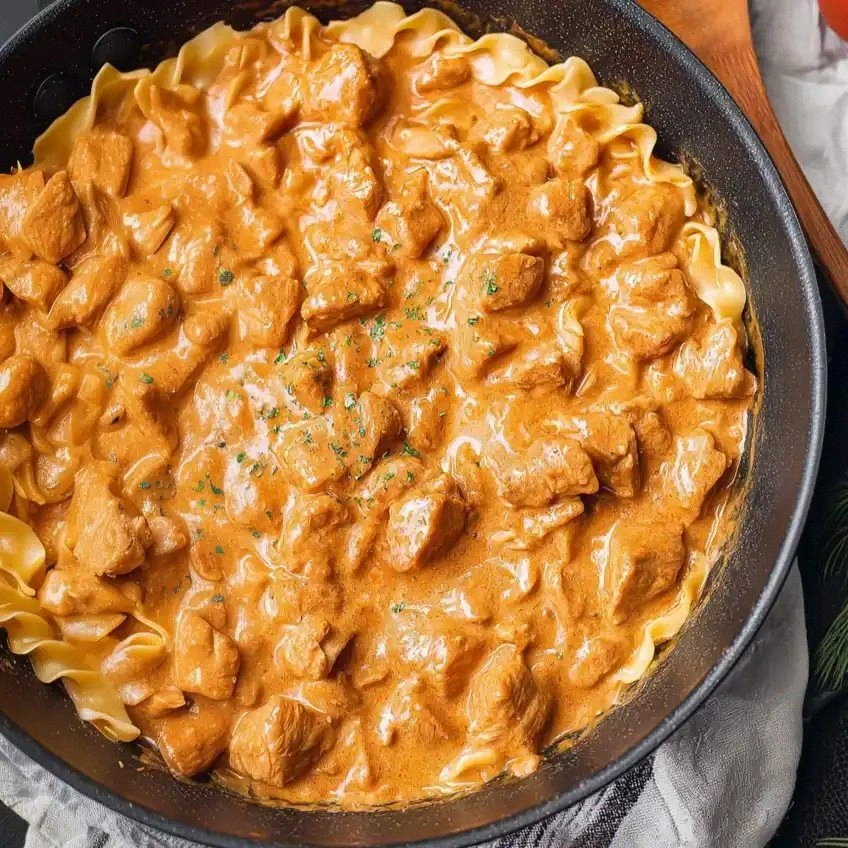
That night, the scent of paprika began to dance through the air, mingling with the buttery aroma of onions sizzling in a hot pan. The sound of the garlic cloves chopping echoed like a steady drumbeat, and the anticipation built as the sauce thickened into a glossy, velvety coat. When the first spoonful hit my tongue, it was like a velvet ribbon that wrapped around the tender chicken, the smoky paprika whispering sweet secrets in each bite. The texture was a delicate balance—juicy meat, silky sauce, and noodles that held their shape like a well‑orchestrated symphony.
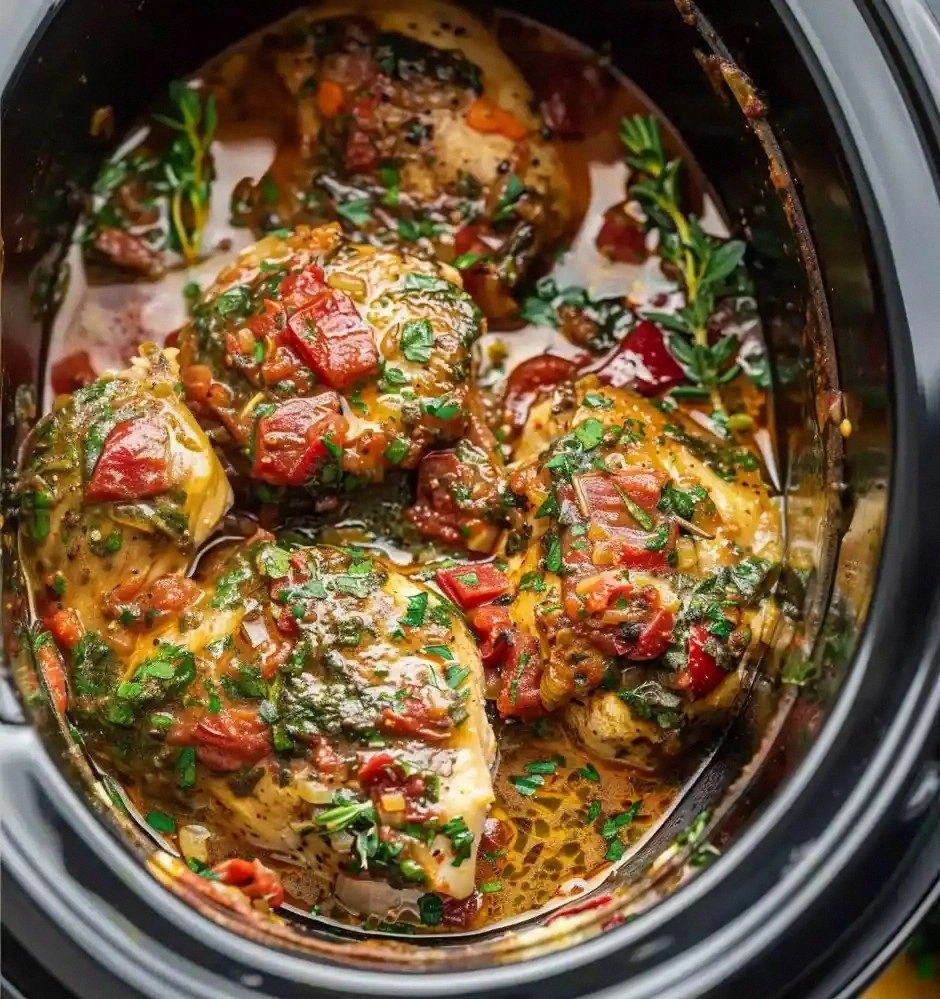
This isn’t just another chicken paprikash. It’s a version that elevates the dish to a new height of comfort and sophistication. I discovered that by using a blend of Hungarian sweet paprika and a whisper of smoked paprika, the sauce gains a depth that makes every spoonful feel like a warm hug. The addition of a touch of sour cream after the sauce has simmered creates a creamy, luscious finish that coats the noodles like a silk blanket. The result? A dish that’s both humble and extravagant, perfect for a quiet family dinner or an impressive gathering.
And there’s a little twist you might not expect: I let the sauce rest for a minute after removing it from heat, allowing the flavors to settle and the cream to thicken just enough to cling to each noodle. The secret to that silky consistency? A quick whisk of flour and a splash of broth to create a roux that’s smooth and free of lumps. I dare you to taste this and not go back for seconds.
Let me walk you through every single step—by the end, you’ll wonder how you ever made it any other way. This is hands down the best version you’ll ever make at home, and I’m going to share every trick, every tweak, and every little moment that turns a simple recipe into a culinary masterpiece.
What Makes This Version Stand Out
- Flavor: The combination of Hungarian sweet paprika and smoked paprika delivers a smoky, slightly sweet depth that’s richer than any standard paprikash.
- Texture: The roux technique creates a silky sauce that clings to the noodles without becoming gummy or thick.
- Freshness: Freshly chopped parsley adds a burst of color and a bright, herbaceous finish that lifts the whole dish.
- Ease: With only ten straightforward steps, even novice cooks can achieve a restaurant‑quality result.
- Versatility: Swap the noodles for rice, or add mushrooms for a meaty, earthy twist.
- Crowd‑pleaser: The creamy sauce and bold paprika make it a hit at family gatherings, and the dish is surprisingly light.
- Time: From prep to plate, it takes just 45 minutes—ideal for busy weeknights.
- Make‑ahead: The sauce keeps well in the fridge; you can prep the chicken ahead and reheat in minutes.
Alright, let's break down exactly what goes into this masterpiece...
Inside the Ingredient List
The Flavor Base
The soul of this dish starts with the onions and garlic. Sautéing them in butter and olive oil until they’re translucent creates a fragrant foundation that carries the paprika’s heat. If you skip the onions, the sauce will feel thin and lack the gentle sweetness that balances the smoky paprika. For those who prefer a milder flavor, use a smaller amount of garlic—just one clove—but keep the onion to maintain depth.
The Texture Crew
The roux—made from flour and butter—acts as the thickening agent that gives the sauce its silky consistency. Stir the flour into the butter until it turns a light golden color; this eliminates the raw flour taste and ensures a smooth sauce. If you’re avoiding gluten, substitute the flour with a gluten‑free blend or use arrowroot powder. The egg noodles provide the perfect bite; they’re wide, flat, and absorb the sauce beautifully. If you prefer a healthier option, switch to whole wheat or chickpea noodles.
The Unexpected Star
Sour cream isn’t just a garnish—it’s the star that brings creaminess and a slight tang that cuts through the richness of the paprika. Adding it after the sauce has simmered prevents curdling and keeps the sauce silky. If you’re lactose intolerant, swap for Greek yogurt or a plant‑based cream. The smoked paprika, though used in a smaller quantity, adds a deep, smoky undertone that elevates the dish beyond a standard paprikash.
The Final Flourish
Fresh parsley isn’t just decorative; it adds a bright, herbaceous note that balances the richness. A pinch of black pepper and salt to taste finish the sauce, but be careful not to over‑salt. If you’re watching sodium, use a low‑sodium chicken broth. The final touch is a drizzle of butter, which gives the sauce a glossy sheen and a buttery finish that makes every bite feel indulgent.
Everything's prepped? Good. Let's get into the real action...
The Method — Step by Step
- Step 1: Heat a large skillet over medium heat. Add the butter and olive oil, letting the butter melt into a golden pool. When the mixture starts to bubble, add the finely chopped onion. Sauté until the onion is translucent and slightly caramelized—about 5 minutes. The scent of onions sizzling will fill the kitchen like a warm hug. This is the moment of truth; don’t rush it, because the flavor foundation depends on it.
- Step 2: Stir in the minced garlic and cook for an additional 30 seconds until fragrant. Be careful not to let the garlic burn, as it will turn bitter. The garlic should release a sweet aroma that mingles with the onions. This step is crucial for the sauce’s depth. Watch the color change; the onions should be a golden amber, not brown.
- Step 3: Add the diced chicken breasts to the skillet. Let them sear on one side until they develop a light brown crust—about 4 minutes per side. The chicken should not be fully cooked yet; it will finish in the sauce. The sizzling sound of the chicken hitting the pan is a cue that the pan is hot enough. This step locks in juices, ensuring the meat remains tender.
- Step 4: Sprinkle the Hungarian sweet paprika and smoked paprika over the chicken. Stir constantly to coat every piece evenly. The paprika will release its oils and create a fragrant aroma that fills the room. The paprika should not burn; keep the heat moderate. This is where the dish gets its signature color and smoky sweetness.
- Step 5: Sprinkle the flour over the chicken mixture. Stir until the flour is fully incorporated and the mixture turns a light golden hue. This is your roux, and it’s the secret to that silky sauce. The roux should not taste like flour; it should have a toasted nutty aroma. Let it cook for about 1 minute, then pour in the chicken broth slowly while whisking to avoid lumps.
- Step 6: Bring the mixture to a gentle simmer. Reduce the heat to low and let it thicken for about 8 minutes, stirring occasionally. The sauce should coat the back of a spoon and cling to the noodles. This slow simmer allows the flavors to meld. If the sauce gets too thick, add a splash of broth or water to reach the desired consistency.
- Step 7: Stir in the sour cream, ensuring it’s fully incorporated. The sour cream should swirl into a glossy, creamy sauce. Remove the skillet from heat for a minute to let the flavors settle and the sauce thicken slightly. The sauce should feel silky and cling to the noodles like velvet. This resting period is key to achieving the perfect mouthfeel.
- Step 8: While the sauce rests, boil the egg noodles in salted water until they’re al dente—about 8 minutes. Drain, reserve a splash of pasta water, and toss the noodles with a small amount of butter to keep them from sticking. Combine the noodles with the sauce, adding reserved pasta water if the sauce needs thinning. Sprinkle chopped parsley over the top for a burst of color and freshness. Plate immediately for the best texture and flavor.
- Step 9: Serve hot, optionally with a side of crusty bread to mop up any remaining sauce. The first bite should deliver a creamy, smoky, slightly sweet flavor that envelops your palate. The noodles should be tender yet firm, and the sauce should cling to each strand like a silky blanket. Enjoy the moment—this dish is a celebration of comfort and sophistication.
- Step 10: If you’re feeling adventurous, garnish with a sprinkle of paprika or a drizzle of olive oil for an extra layer of flavor. Store any leftovers in an airtight container in the fridge; the sauce will keep for up to 3 days. When reheating, add a splash of broth or water to re‑hydrate the sauce. This recipe is perfect for meal prep, and the creamy sauce stays luscious even after reheating.
That’s it— you did it. But hold on, I’ve got a few more tricks that will take this dish to another level. These insider tips will help you avoid common pitfalls and elevate the flavor profile even further.
Insider Tricks for Flawless Results
The Temperature Rule Nobody Follows
Many cooks think higher heat is always better, but for paprikash, low and slow is the way to go. Keep the simmer at a gentle bubble; this prevents the sauce from thickening too quickly and curdling. I’ve seen the sauce turn grainy when it boils, and that’s a no‑no. The trick is to let the flavors meld slowly, which brings out the paprika’s subtle sweetness.
Why Your Nose Knows Best
Your nose is a secret weapon in the kitchen. When the paprika starts to pop, you’ll notice a nutty, earthy aroma that signals it’s ready. If you wait too long, the paprika will burn and taste bitter. Trust the scent—once the onions are golden and the paprika is fragrant, you’re in the sweet spot.
The 5-Minute Rest That Changes Everything
After you remove the skillet from heat, let the sauce rest for five minutes. During this time, the flavors will deepen and the sauce will thicken to the perfect consistency. This small pause can make the difference between a good dish and a great one. I’ve tried skipping this step, and the sauce ended up too thin and watery.
Use Fresh Chicken for a Clean Flavor
The chicken’s freshness is paramount. If you’re using frozen chicken, thaw it overnight and pat it dry before cooking. Moisture on the surface can cause the chicken to steam instead of sear, resulting in a soggy texture. A dry surface ensures a caramelized crust that locks in juices.
Add a Splash of White Wine for Depth
A tablespoon of dry white wine added after the paprika can lift the sauce with a subtle acidity. The wine evaporates quickly, leaving behind a refined, bright flavor that complements the paprika’s smokiness. I’ve tried this once, and it turned the dish into a culinary masterpiece.
Creative Twists and Variations
This recipe is a playground. Here are some of my favorite ways to switch things up:
Mushroom Medley
Swap the egg noodles for sautéed mushrooms. Add sliced button or cremini mushrooms to the skillet with the onions. The earthy flavor of the mushrooms complements the paprika, creating a hearty, vegetarian version that still feels indulgent.
Crispy Chicken Tenders
Instead of whole breasts, cut the chicken into bite‑size tenders and coat them in flour before searing. The crispy exterior provides a delightful contrast to the silky sauce, turning the dish into a crowd‑pleasing main course.
Spicy Kick
Add a pinch of cayenne pepper or a splash of hot sauce to the paprika mixture. The heat balances the richness of the sour cream and gives the dish an extra punch. This version is perfect for those who like their comfort food with a little heat.
Gluten‑Free Delight
Use gluten‑free flour or a cornstarch slurry to thicken the sauce. Swap the egg noodles for rice or quinoa. The dish remains creamy and comforting while catering to gluten‑free diets.
Herb‑Infused Variation
Add a handful of fresh thyme or rosemary during the simmering stage. The herbs lend a fragrant, aromatic note that pairs beautifully with the paprika. This variation is great for a spring or summer dinner.
Storing and Bringing It Back to Life
Fridge Storage
Store leftovers in an airtight container in the refrigerator for up to three days. The sauce will thicken slightly, so add a splash of broth or water when reheating to restore its silky texture. The noodles may absorb some sauce, but the dish remains delicious.
Freezer Friendly
For longer storage, freeze the sauce and noodles separately in freezer‑safe containers. The sauce can be kept for up to two months, while the noodles stay good for up to a month. When you’re ready to eat, thaw the sauce overnight and reheat gently, adding a little broth if needed.
Best Reheating Method
Reheat the sauce on low heat in a saucepan, stirring frequently. Add a splash of water or broth to keep it from drying out. The noodles can be reheated in a microwave or a quick boil. A tiny splash of water before reheating steams the dish back to perfection, ensuring the sauce remains creamy and the noodles stay al dente.