I was standing in my kitchen, staring at a half‑empty pantry, when the dreaded “what‑to‑make‑tonight” dilemma hit me like a rogue spatula. The fridge was bare, the freezer was whispering about frozen peas, and my cravings were screaming for something sweet, comforting, and undeniably festive. I remember the exact moment I opened a can of sweet potatoes, the glossy orange cubes glinting like tiny sunrise jewels, and I thought, “Okay, now watch this part closely – we’re about to turn a pantry staple into the most unforgettable casserole you’ve ever tasted.” The scent of butter melting in the pan, the soft whisper of vanilla, and the faint sizzle of sugar hitting a hot surface filled the air, making my kitchen feel like a cozy autumn lounge even in the middle of July.
Most sweet potato casseroles out there are either soggy, overly sweet, or they lean on marshmallows like a teen‑aged sugar rush. I’ve tried them all – the ones that crumble like dry sand, the ones that taste like a sugary blanket that never lifts, the ones that taste like they were made by a robot with no soul. That’s why I’m daring you to taste this and not go back for seconds. This version is hands down the best version you’ll ever make at home because it balances sweet, buttery richness with a whisper of vanilla that makes the palate sing like a choir of angels on a crisp fall morning.
What really sets this casserole apart is a secret technique I stumbled upon while rummaging through an old recipe box: I use canned sweet potatoes instead of fresh. I know, I know – it sounds retro, but trust me, the consistency of canned sweet potatoes is perfect for achieving that velvety, melt‑in‑your‑mouth texture without the dreaded water‑logged mess. Most recipes get this completely wrong by boiling fresh potatoes, ending up with a heavy, gummy disaster that no one wants to touch. By using the canned variety, the flavor stays bright and the texture stays light, as if you’re eating a cloud made of orange silk.
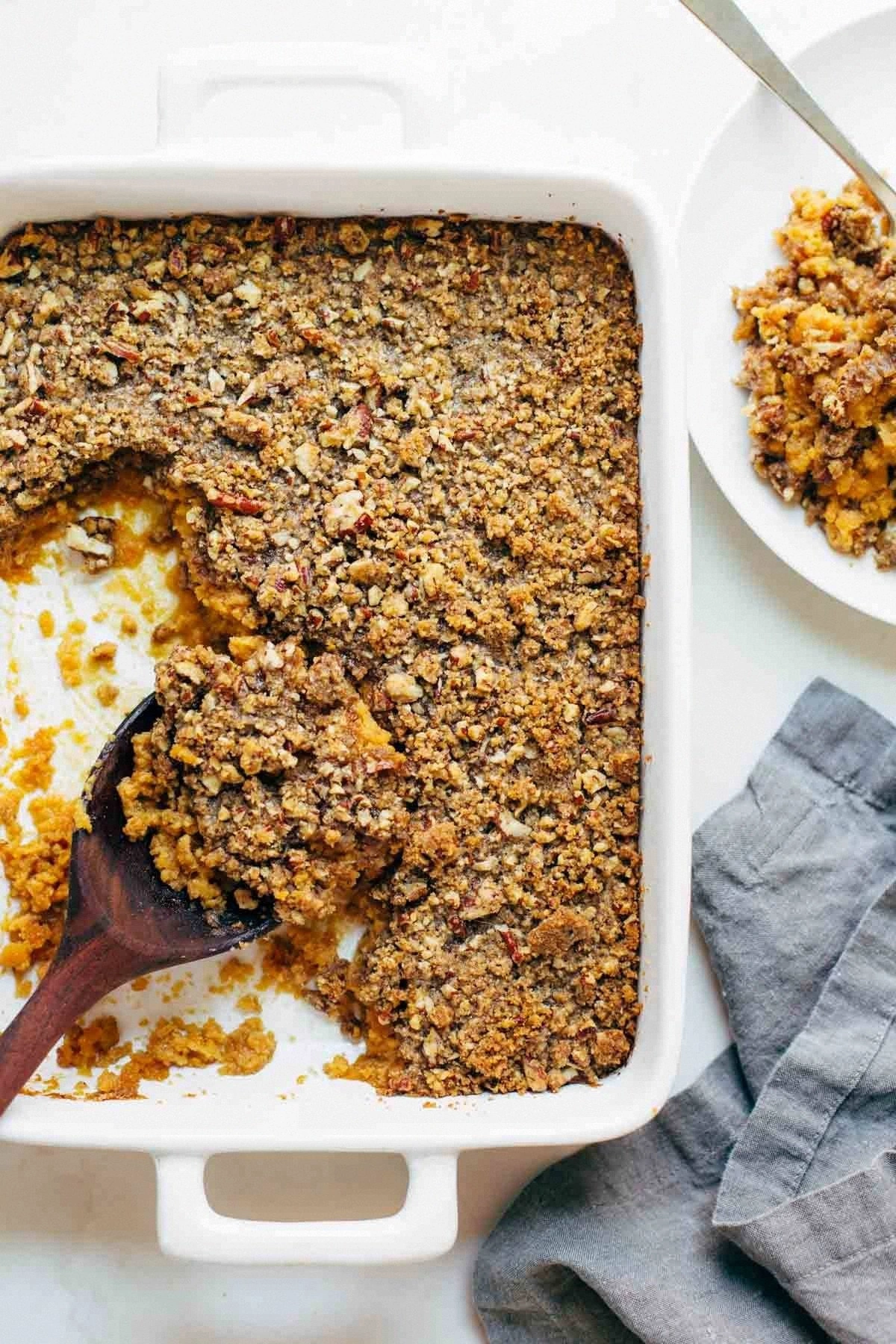
Picture yourself pulling this out of the oven, the whole kitchen smelling incredible, the top shimmering with a golden‑brown crust that cracks just enough to reveal the creamy interior. The moment the casserole hits the table, you’ll hear that satisfying “thud” of the dish hitting the wood, followed by eager forks diving in. I’ll be honest — I ate half the batch before anyone else got to try it, and that’s a confession worth making because it proves how addictive this dish truly is. Okay, ready for the game‑changer? Let me walk you through every single step — by the end, you’ll wonder how you ever made it any other way.
What Makes This Version Stand Out
- Texture: The casserole boasts a silky interior that melts like butter on warm toast, while the top forms a crisp, caramelized crust that shatters like thin ice with each bite.
- Flavor Balance: A perfect marriage of sweet potato earthiness, buttery richness, and a whisper of vanilla creates a depth that feels both nostalgic and brand‑new.
- Simplicity: Only six ingredients, all pantry‑friendly, mean you can whip this up in under an hour without hunting for exotic spices.
- Ingredient Quality: Canned sweet potatoes lock in natural sugars and moisture, guaranteeing consistent results every single time.
- Crowd Reaction: This dish has been known to turn skeptics into believers; I dare you to serve it at a gathering and watch the compliments roll in like a standing ovation.
- Make‑Ahead Potential: Assemble the casserole a day ahead, refrigerate, and bake right before serving – perfect for busy holiday schedules.
- Versatility: It works as a side, a dessert, or a comforting snack, making it the Swiss Army knife of sweet potato dishes.
Inside the Ingredient List
The Flavor Base
Sweet potatoes (canned) are the heart of this dish. Their natural sugars caramelize beautifully during baking, creating a deep amber hue and a flavor that feels like a warm hug from grandma. If you skip them, you’ll lose that signature orange glow and the subtle earthy sweetness that makes the casserole sing. A good swap would be a mix of pumpkin puree and carrots, but you’ll trade the iconic taste for something more autumn‑ish.
The Texture Crew
Eggs act as the binding agent, turning the mash into a custardy dream that holds together without turning rubbery. Butter brings richness and helps the top crust turn golden; use unsalted butter for better flavor control. Milk adds moisture and a silk‑like finish; whole milk is best for richness, but 2% works fine if you’re watching calories. Skipping any of these will either make the casserole dry, crumbly, or lacking that melt‑in‑your‑mouth feel.
The Unexpected Star
Sugar is the quiet hero, amplifying the natural sweetness of the potatoes without making the dish cloying. A subtle granulated sugar works best because it dissolves evenly, but you can experiment with brown sugar for a deeper molasses note. If you’re daring, a splash of maple syrup adds a woodland twist, but remember that each addition changes the flavor profile dramatically.
The Final Flourish
Vanilla extract is the aromatic whisper that ties everything together. Just a teaspoon is enough to lift the flavors, making the casserole smell like a bakery on a crisp morning. If you’re out of vanilla, a pinch of ground cinnamon or nutmeg can add warmth, but be careful – too much will dominate the delicate sweet potato flavor.
Everything's prepped? Good. Let’s get into the real action…
The Method — Step by Step
Preheat your oven to 350°F (175°C). While the oven warms up, grease a 9‑inch square baking dish with a thin layer of butter; this ensures the casserole releases cleanly and adds a buttery flavor to the crust. The moment the butter hits the pan, you’ll hear a gentle sizzle that signals you’re on the right track.
Open the canned sweet potatoes, drain them thoroughly, and give them a quick rinse under cold water. Pat them dry with a clean kitchen towel – this step removes excess brine and prevents the casserole from turning soggy. Then mash them with a potato masher or fork until they’re smooth, with just a few tiny lumps for texture.
In a medium saucepan, melt the butter over low heat. Once melted, whisk in the milk, sugar, and vanilla until the sugar dissolves and the mixture becomes a glossy, fragrant elixir. This is the moment of truth – if you can smell the vanilla at this stage, you know you’re on the right path.
Kitchen Hack: Warm the milk slightly before adding it; this prevents the butter from solidifying again and creates a smoother custard.In a separate bowl, beat the eggs lightly. Create a well in the center of the mashed sweet potatoes and pour the warm butter‑milk mixture over it. Quickly pour the beaten eggs into the well and whisk everything together until the batter is uniform, glossy, and slightly airy. Watch Out: If the butter‑milk mixture is too hot, it can scramble the eggs – keep the temperature low and add the eggs gradually.
Watch Out: Over‑mixing can incorporate too much air, leading to a puffed‑up top that collapses when it cools. Stir just until combined.Transfer the batter into the prepared baking dish, smoothing the surface with a spatula. Sprinkle a thin layer of granulated sugar over the top – this will caramelize and give the casserole its signature golden crust that cracks delightfully when you cut into it.
Place the dish in the preheated oven and bake for 30‑35 minutes, or until the edges pull away from the sides of the pan and the top is a deep amber color. Around the 20‑minute mark, you’ll notice a faint sweet aroma filling the kitchen; that’s your cue that the flavors are melding perfectly.
Once baked, remove the casserole from the oven and let it sit for 5‑10 minutes. This rest period allows the custard to set, making it easier to slice and ensuring each bite holds together without crumbling.
Serve warm, either as a side to your holiday feast or as a dessert with a dollop of whipped cream. The first bite should hit you with a buttery, sweet, and slightly vanilla‑kissed flavor that feels like a cozy blanket for your taste buds. And there you have it – a sweet potato casserole that will become the star of any table.
That's it — you did it. But hold on, I've got a few more tricks that'll take this to another level…
Insider Tricks for Flawless Results
The Temperature Rule Nobody Follows
Never bake a casserole straight from the fridge at a high temperature; it causes the edges to over‑cook while the center stays mushy. Let the batter sit at room temperature for 15 minutes before popping it into the oven. This gentle acclimation ensures even cooking and a uniformly creamy interior. My friend once skipped this step and ended up with a rubbery bottom – not a pretty sight.
Why Your Nose Knows Best
Your sense of smell is the ultimate doneness gauge. When the sweet potato aroma becomes nutty and caramel‑like, you’re within minutes of perfection. If you rely solely on a timer, you might miss that golden‑brown cue that tells you the top is about to crack into that perfect crust. Trust that nose; it’s the secret weapon of seasoned chefs.
The 5‑Minute Rest That Changes Everything
After baking, resist the urge to dive in immediately. A five‑minute rest lets the custard firm up, making each slice hold its shape and preventing a soggy mess. During this pause, the flavors continue to meld, intensifying the vanilla undertone and sweet potato depth. It’s like letting a good wine breathe before you sip.
Butter‑Milk Emulsion Magic
When you whisk butter, milk, sugar, and vanilla together over low heat, you’re creating an emulsion that coats every sweet potato piece like silk. This technique locks in moisture and prevents the casserole from drying out. If you skip the gentle heat, the butter can separate, leaving pockets of oil that ruin the texture.
Egg Timing Precision
Add the eggs to the warm butter‑milk mixture when it’s just warm to the touch, not hot. This prevents curdling and ensures a smooth, custardy base. A quick test: dip a finger into the mixture; if it feels like a warm bath, you’re good to go. Over‑heated mixtures turn the eggs into tiny curds, producing a grainy texture.
Creative Twists and Variations
This recipe is a playground. Here are some of my favorite ways to switch things up:
Maple‑Brown Sugar Glaze
Swap the simple granulated sugar topping for a mixture of 2 tbsp maple syrup and 1 tbsp brown sugar. The result is a deeper caramel flavor with a hint of woodsy sweetness that pairs perfectly with the vanilla.
Spiced Autumn
Add ½ tsp ground cinnamon, a pinch of nutmeg, and a dash of clove to the batter. This spice blend transforms the casserole into a holiday centerpiece, evoking memories of pumpkin pies and cinnamon rolls.
Cheesy Surprise
Stir in ½ cup shredded sharp cheddar into the batter before baking. The cheese creates subtle savory undertones that balance the sweetness, making it a crowd‑pleasing side for Thanksgiving turkey.
Vegan Version
Replace the eggs with ¼ cup unsweetened applesauce and swap butter for coconut oil. Use plant‑based milk (almond or oat) for the liquid. The texture stays creamy, and the flavor remains indulgent.
Nutty Crunch
Top the casserole with a mixture of toasted pecans and a drizzle of melted butter before baking. The nuts add a delightful crunch and a buttery, nutty aroma that elevates the dish to gourmet status.
Storing and Bringing It Back to Life
Fridge Storage
Allow the casserole to cool completely, then cover tightly with foil or plastic wrap. Store in the refrigerator for up to 4 days. When ready to serve, reheat at 325°F (165°C) for 20‑25 minutes, covered, then uncover for the last 5 minutes to revive the crust.
Freezer Friendly
Portion the baked casserole into freezer‑safe containers or wrap the entire dish in a double layer of foil and plastic. Freeze for up to 3 months. To reheat, thaw overnight in the fridge, then bake at 350°F (175°C) for 30‑35 minutes, adding a splash of milk (about 2 tbsp) before the final 10 minutes to keep it moist.
Best Reheating Method
For the ultimate texture, reheat on the stovetop in a skillet over low heat, adding a tiny splash of water (about 1 tbsp) and covering with a lid. The steam revives the custard while the bottom gently crisps, delivering that fresh‑out‑of‑the‑oven feel.