I was in a culinary crisis that night, standing in my kitchen with a steak that had been sitting too long in the fridge, a bag of shrimp that smelled faintly like the ocean, and a pantry that seemed to whisper, “You need something bold.” I stared at the ingredients and decided to turn a disaster into a masterpiece. That decision led me to the ultimate version of a creamy Cajun steak that would make even the most skeptical food critic swoon. It’s the kind of dish that turns a simple dinner into a story you’ll tell for years.
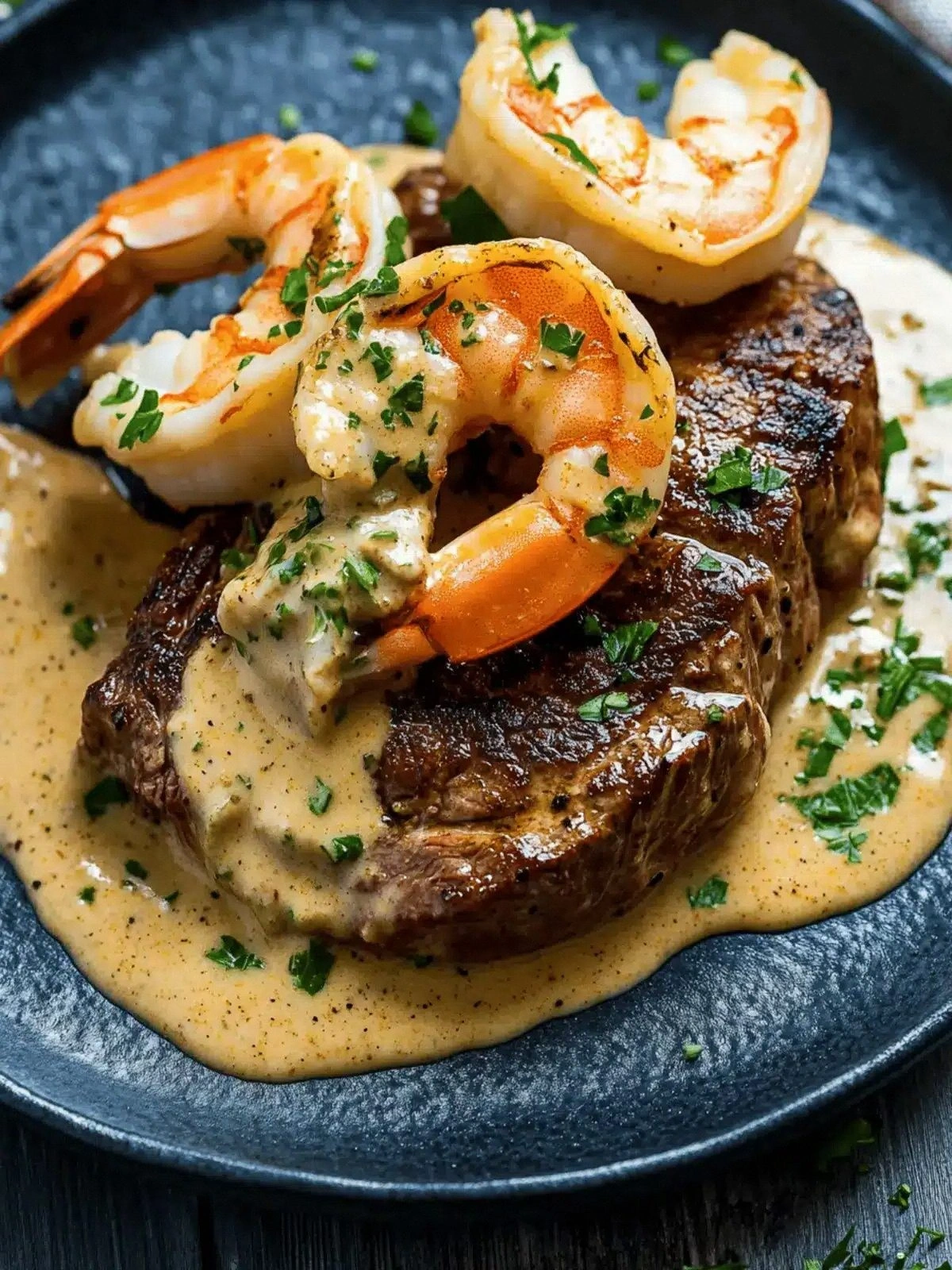
Picture this: the steak sizzles on a hot skillet, sending a crackling sound that feels like applause. The air fills with the sharp, peppery scent of Cajun seasoning, mingling with the sweet, buttery aroma of melted butter and garlic. As the shrimp curls into a golden ring, the sauce thickens, turning amber and glistening like liquid gold. Every bite delivers a symphony—meaty umami, creamy richness, and a hint of citrus that lifts the palate. If you can’t taste the difference, I dare you to try this and not go back for seconds.
What sets this recipe apart from the countless “Cajun steak” variations you’ve tried is the intentional layering of flavors and textures. The shrimp isn’t a sidekick; it’s an integral part of the sauce, adding a briny bite that cuts through the cream. The double use of Cajun seasoning—first on the steak, then folded into the sauce—creates depth and a smoky warmth that lingers. The finish, a sprinkle of Parmigiano Reggiano and fresh parsley, gives a nutty finish and a pop of color. It’s not just a dish; it’s an experience that turns a regular night into a celebration.
And there’s a twist you won’t see in standard recipes: a splash of lemon juice right before serving. That bright note balances the richness and gives the sauce a silky, glossy sheen. The result is a sauce that coats the steak like velvet, while the shrimp’s tender bite adds a playful contrast. By the time you finish, you’ll wonder how you ever cooked without this method. Let me walk you through every single step—by the end, you’ll wonder how you ever made it any other way.
What Makes This Version Stand Out
- Flavor Depth: The double application of Cajun seasoning and the inclusion of shrimp elevate the dish beyond a simple steak, creating a layered taste that sings.
- Texture Contrast: Juicy steak, tender shrimp, and a silky sauce combine for a mouthfeel that feels indulgent yet balanced.
- Visual Appeal: The amber sauce, bright green parsley, and golden shrimp create a dish that looks as good as it tastes.
- Ingredient Quality: Using fresh, high‑quality steak and shrimp ensures the flavors shine and the texture stays flawless.
- Time Efficiency: The entire process takes less than an hour, making it a perfect weeknight dinner that feels luxurious.
- Make‑Ahead Potential: The sauce can be prepared ahead of time and reheated, allowing you to focus on the steak when you’re ready to serve.
- Crowd‑Pleaser: This dish is guaranteed to impress guests; the creamy sauce and spicy kick are a winning combo.
- Versatility: Swap the steak for chicken or pork, or use frozen shrimp, and the recipe still delivers.
Alright, let’s break down exactly what goes into this masterpiece…
Inside the Ingredient List
The Flavor Base
Oil and butter form the foundation of this sauce, creating a silky medium that carries the Cajun spices. The oil keeps the pan from sticking while the butter adds a buttery richness that complements the shrimp. If you skip the butter, the sauce will feel thin and less luxurious. For an extra layer of depth, try adding a teaspoon of smoked paprika to the oil before searing the steak.
The Meat and Seafood Crew
The steak is the star—choose a cut with good marbling like ribeye or New York strip for maximum tenderness. The shrimp provides a briny contrast that cuts through the creaminess; fresh shrimp is ideal, but frozen shrimp works if thawed properly. If you’re on a budget, you can replace shrimp with scallops or even cooked diced bacon for a smoky twist. Remember, overcooked shrimp becomes rubbery, so keep an eye on the timing.
The Unexpected Star
Heavy cream is the heart of the sauce, giving it that luscious, velvety texture. If you prefer a lighter version, substitute half‑and‑half or a dairy‑free cream alternative, but be aware it will change the mouthfeel. A pinch of nutmeg can be added for a subtle warmth that pairs well with the Cajun heat. Don’t forget the Dijon mustard; it adds a subtle tang that brightens the sauce.
The Final Flourish
Parmigiano Reggiano adds a nutty, salty finish that balances the cream and spices. It also helps thicken the sauce slightly as it melts. Lemon juice is the final touch that cuts through the richness and adds a bright, citrusy note that lifts the dish. Fresh parsley provides color and a fresh herbal aroma that completes the plate. If you’re vegan, you can replace the Parmesan with a nutritional yeast sprinkle for a similar umami kick.
Everything's prepped? Good. Let's get into the real action…
The Method — Step by Step
- Pat the steak dry with paper towels; this step is crucial for a good sear. Season both sides generously with Cajun seasoning, pressing it into the meat to form a flavorful crust. Let the steak rest at room temperature for 10 minutes to ensure even cooking. This is the moment you can hear the anticipation build.
- Heat a cast‑iron skillet over medium‑high heat until it shimmers. Add the 2 tablespoons of oil, swirling to coat the surface. When the oil starts to smoke, slide the steak in. Sear each side for 2–3 minutes, creating a caramelized crust. The sizzle should sound like applause—this is the soundtrack of flavor.
- Remove the steak and set it aside on a cutting board. In the same skillet, melt 2 tablespoons of butter over medium heat. Add the minced garlic; sauté until fragrant, about 30 seconds. The garlic should release a sweet, aromatic scent that signals it’s ready.
- Deglaze the pan with 1/4 cup of chicken broth, scraping up all the browned bits. This liquid becomes the base of our sauce, carrying the savory notes of the steak. Let the broth reduce by half, concentrating the flavor. The pan should have a glossy sheen.
- Add the shrimp to the skillet; stir until they start to turn pink, about 2 minutes. Shrimp cook quickly, so watch them closely to avoid rubbery texture. This step is pure magic—each shrimp curls into a perfect ring.
- Pour in 1 cup of heavy cream, stirring gently to combine. The sauce will thicken and turn a rich amber color. Stir in 2 teaspoons of Dijon mustard and 1 tablespoon of Cajun seasoning; these add tang and heat. The sauce should simmer gently, not boil, to maintain its silky texture.
- Reduce the heat to low and let the sauce simmer for 5 minutes, allowing the flavors to meld. Add the Parmigiano Reggiano, stirring until it melts into the sauce, creating a smooth, nutty finish. The sauce should coat the back of a spoon like velvet.
- Return the steak to the skillet, spooning the sauce over it. Let it rest in the sauce for 2 minutes, allowing the steak to soak up the flavors. The steak should still be pink in the center, with a juicy, tender texture.
- Finish with a splash of lemon juice and a sprinkle of fresh parsley. The citrus brightens the richness and adds a fresh aroma. Plate the steak and spoon the remaining sauce over it. Serve immediately with a side of garlic mashed potatoes or a crisp salad.
That's it — you did it. But hold on, I've got a few more tricks that'll take this to another level…
Insider Tricks for Flawless Results
The Temperature Rule Nobody Follows
Many cooks over‑cook steak because they’re afraid of under‑cooking. In reality, letting the steak rest after searing allows residual heat to finish the cooking process, keeping it juicy. Aim for a final internal temperature of 130°F for medium‑rare and let it rest for 5 minutes before slicing. This trick ensures a tender bite that melts in your mouth.
Why Your Nose Knows Best
Your sense of smell is a reliable indicator of doneness. When the steak starts to release a sweet, caramelized aroma, it’s a sign that the Maillard reaction is at its peak. If the smell is too smoky, the steak might be overcooked. Trust your nose to guide you to that perfect crust.
The 5‑Minute Rest That Changes Everything
After searing, let the steak rest on a rack rather than a plate. This allows excess juices to redistribute, preventing them from pooling on the surface. A quick 5‑minute rest also lets the steak’s internal temperature rise a degree or two, ensuring even doneness throughout.
Keep the Sauce Silky
If the sauce begins to separate, reduce the heat to the lowest setting and stir constantly. Adding a small pinch of cornstarch dissolved in cold water can help thicken it without altering flavor. Remember, a glossy sauce is a sign of a well‑balanced emulsion.
Serve Immediately for Peak Flavor
The sauce’s richness can thicken as it cools, making it harder to reheat without losing its silky texture. Serve the steak straight from the skillet to preserve the sauce’s mouthfeel. If you need to hold the dish, keep it warm in a low‑heat oven (200°F) and re‑warm the sauce gently on the stove.
Creative Twists and Variations
This recipe is a playground. Here are some of my favorite ways to switch things up:
Chicken Cajun Cream
Swap the steak for boneless, skinless chicken thighs. The thighs stay moist and absorb the Cajun spices beautifully. Cook to 165°F and serve with the same creamy sauce for a lighter protein option.
Pork Tenderloin Surprise
Use sliced pork tenderloin for a lean, savory alternative. The pork pairs well with the creamy sauce and the shrimp’s brininess, creating a balanced flavor profile that’s still bold.
Vegetarian Shrimp‑Free Version
Replace shrimp with sliced portobello mushrooms. The mushrooms develop a meaty texture when sautéed, absorbing the Cajun heat and creamy sauce for a hearty vegetarian dish.
Spicy Coconut Twist
Swap heavy cream for coconut milk and add a splash of sriracha. The coconut adds tropical sweetness, while the sriracha provides a fiery kick that complements the Cajun seasoning.
Lemon Herb Variation
Increase the lemon juice to 2 tablespoons and add a handful of chopped dill. The dill enhances the citrusy brightness, creating a refreshing take on the classic recipe.
Cheese‑Loaded Option
Add a handful of shredded mozzarella to the sauce before adding the steak. The cheese melts into the sauce, creating a gooey, indulgent texture that pairs wonderfully with the Cajun spices.
Storing and Bringing It Back to Life
Fridge Storage
Store any leftovers in an airtight container in the refrigerator for up to 3 days. Keep the steak and sauce separate to preserve the sauce’s silky texture. Reheat the sauce gently on low heat, adding a splash of water if it thickens too much.
Freezer Friendly
The sauce freezes well; wrap it tightly in plastic wrap and place in a freezer bag. It will keep for up to 2 months. Thaw overnight in the refrigerator before reheating on the stove.
Best Reheating Method
When reheating, use low heat and stir frequently to prevent scorching. Add a tablespoon of water or broth to loosen the sauce if it appears thick. Serve immediately for the best flavor and texture.