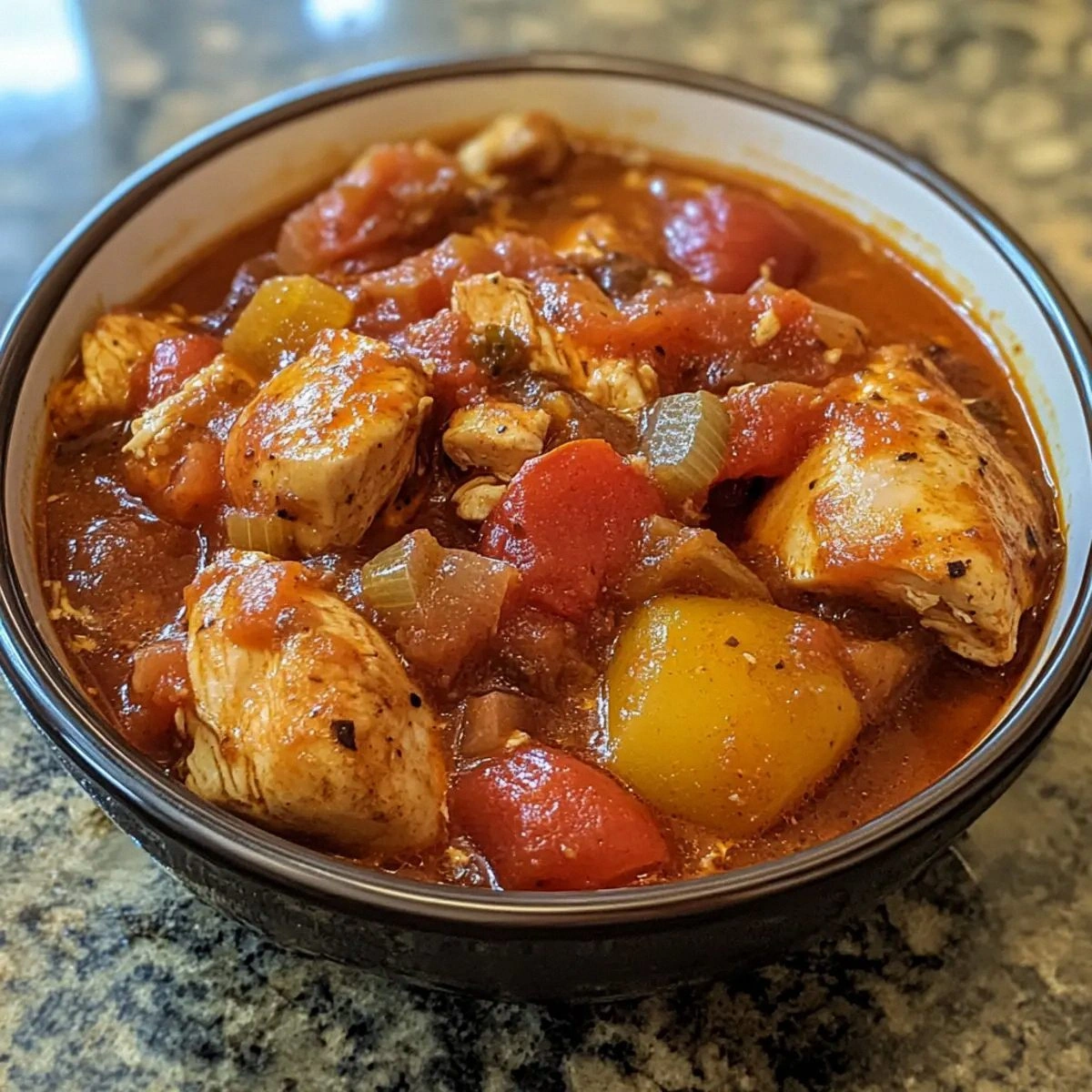
Ever been halfway through a recipe, heart racing, only to realize you’re about to serve a dish that tastes like “meh” to the world? That was me last week, standing over a pan of chicken thighs that had been marinated in a bland mixture of olive oil and salt. The moment I tasted the first bite, I knew I was missing something vital, something that could transform an ordinary dinner into an instant crowd‑pleaser. I was determined to find that missing spark, and after countless experiments, I finally nailed the perfect blend of citrus brightness, peppery heat, and a subtle sweetness that makes every bite feel like a celebration.
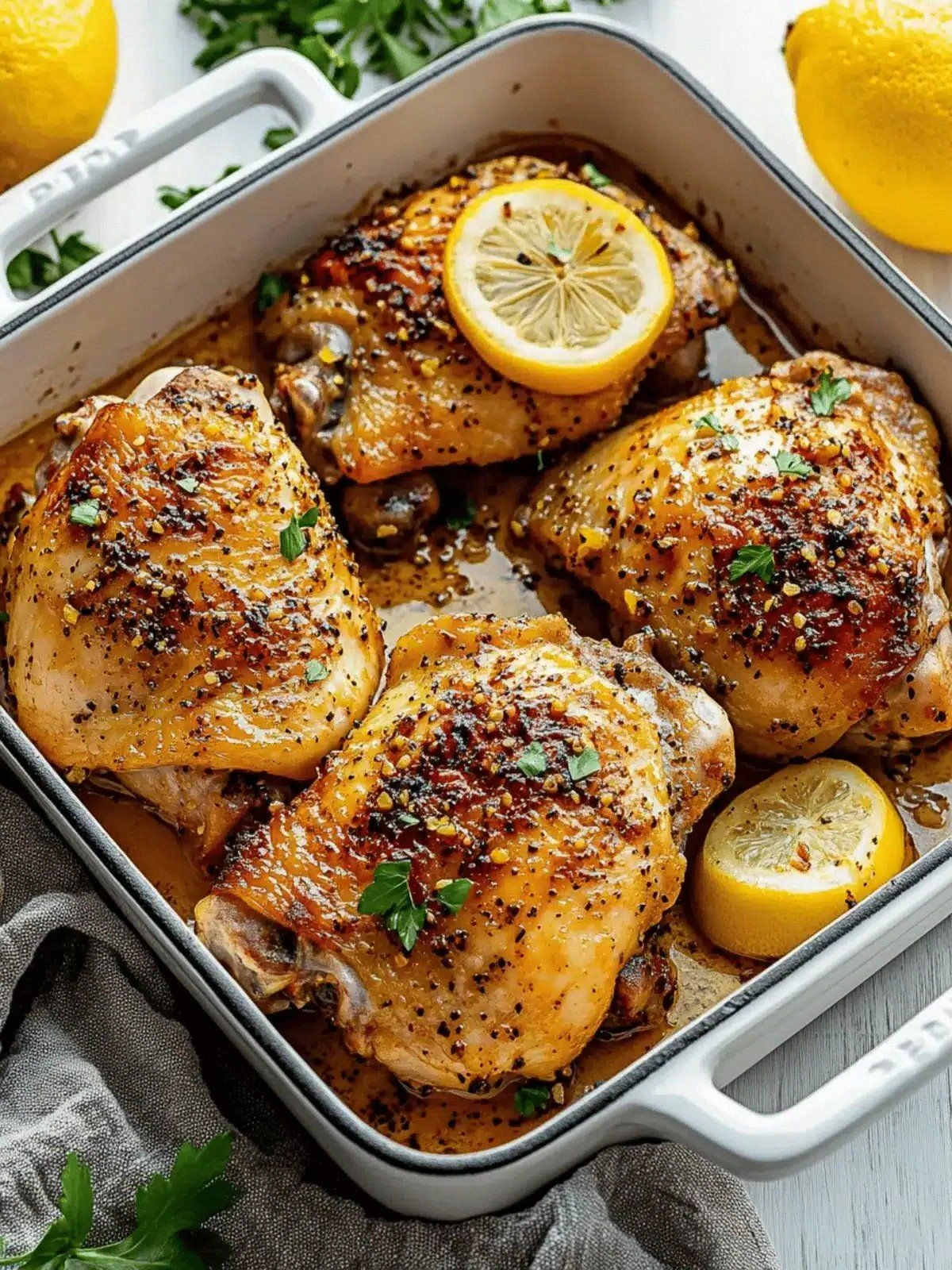
Picture this: a sizzling pan, the golden crust of skin turning to a crisp, almost caramelized texture. The aroma of fresh lemon zest dancing with garlic powder fills the kitchen, while a faint hiss of honey caramelizing on the surface hints at the sweet counterpoint. Your taste buds are already tingling, anticipating the sharp citrus tang that will cut through the richness of the meat. The first bite is a symphony—skin crisp, flesh juicy, and the lemon pepper coating delivering a punch that lingers on the palate. The result? A dish that’s not just dinner, but an experience you’ll want to repeat—and I dare you to taste this and not go back for seconds.
What sets this version apart from the endless variations you find online is the meticulous balance of flavors and textures. The lemon juice isn’t just a liquid; it’s a bright, acidic veil that tenderizes the meat while providing a fresh contrast to the savory seasonings. Honey adds a gentle, caramelized sweetness that rounds out the sharpness, creating a harmony that feels both bold and comforting. The lemon pepper seasoning, a pre‑blended mix of black pepper, lemon zest, and other spices, is the secret sauce that gives this dish its unmistakable signature bite.
Most recipes get this completely wrong by over‑marinating or using too much oil, which can drown out the citrus notes. Here, the technique is simple: a quick, high‑heat sear locks in juices, and a short glaze finish amplifies the flavors without overpowering the meat. I’ve discovered that the key lies in timing—searing for just the right amount of time to get that golden crust, then letting the chicken finish in the oven with a light drizzle of honey and lemon juice. The result is a dish that’s crisp on the outside, tender on the inside, and bursting with fresh, zesty flavor that will have everyone asking for seconds.
And the best part? You can make this in under an hour, with minimal prep and cleanup. No fancy gadgets, no long marinating times, just a handful of pantry staples and a few fresh ingredients that you probably already have at home. Whether you’re cooking for a date, a family dinner, or a quick weeknight meal, this recipe delivers a gourmet experience without the fuss. Picture yourself pulling this out of the oven, the whole kitchen smelling incredible, and watching your guests’ eyes light up as they take that first bite.
Let me walk you through every single step—by the end, you’ll wonder how you ever made it any other way. The journey from raw ingredients to a plate that feels like a small celebration is about to begin. Stay with me here, this is worth it.
What Makes This Version Stand Out
- Flavor: The combination of lemon juice, zest, and honey creates a bright, sweet‑tart profile that cuts through the richness of the chicken. The lemon pepper seasoning adds a peppery kick that’s both familiar and exciting.
- Texture: A quick sear locks in juices, giving the skin a crisp, almost caramelized edge that shatters like thin ice. The interior remains tender and juicy, with a subtle tenderness that comes from the acidic marination.
- Simplicity: Only six major ingredients plus pantry staples—no complicated sauces or exotic spices. The recipe is designed for speed and ease, perfect for busy weeknights.
- Uniqueness: The sweet‑citrus glaze is a twist that sets this apart from classic lemon pepper chicken. It adds a depth of flavor that feels both indulgent and refreshing.
- Crowd Reaction: Friends and family rave about the bright, zesty finish. The dish is versatile enough to pair with rice, pasta, or a simple salad.
- Ingredient Quality: Using fresh lemon juice and parsley, and high‑quality olive oil ensures the flavor stays bright and vibrant.
- Cooking Method: A two‑stage process—sear then finish in the oven—maximizes flavor while keeping the chicken juicy.
- Make‑Ahead Potential: Marinate in the fridge for up to 2 hours; the chicken can be cooked later without losing its flavor.
Alright, let's break down exactly what goes into this masterpiece…
Inside the Ingredient List
The Flavor Base
The heart of this dish starts with the chicken thighs. Bone‑in, skin‑on thighs are chosen for their natural juiciness and rich flavor. The skin not only adds a crispy texture but also carries the seasoning, creating a savory crust that’s impossible to resist. If you prefer a leaner cut, skin‑less thighs will work, but expect a slightly drier result.
Lemon juice is the star of the flavor base. It provides acidity that tenderizes the meat while brightening the overall taste. Freshly squeezed lemon juice is essential—store‑bought or bottled versions often contain preservatives that can dull the flavor. A quarter cup is enough to coat the thighs without overpowering the other spices.
Extra virgin olive oil is the medium that brings all the flavors together. It helps the seasonings adhere to the chicken and provides a silky texture. Choosing a high‑quality olive oil with a peppery finish will enhance the dish’s complexity. If you’re watching calories, you can reduce the amount slightly, but the oil is key to a glossy glaze.
The Sweet & Savory Counterpoint
Honey adds a subtle, caramelized sweetness that balances the sharpness of lemon and the heat of pepper. It also helps create a glossy, caramelized coating when baked. A tablespoon is sufficient to provide that sweet lift without turning the dish into a dessert. If you’re avoiding honey, a drizzle of maple syrup or agave nectar can work as a substitute, though the flavor profile will shift slightly.
Lemon zest is more than just a garnish—it’s a concentrated burst of citrus oils that intensify the lemon flavor. Zesting the lemon before juicing preserves the bright, aromatic oils that would otherwise be lost. One tablespoon of zest is enough to infuse the dish with a vibrant, fresh aroma.
The Seasoning Ensemble
Lemon pepper seasoning is a pre‑blended mix that typically contains black pepper, lemon zest, and other spices. It’s the secret weapon that gives this dish its signature bite. Using a high‑quality brand ensures a balanced flavor, but you can always make your own blend with fresh pepper, dried lemon zest, and a pinch of salt.
Red pepper flakes add a subtle heat that lingers on the palate. A quarter teaspoon is enough to give a gentle kick without overwhelming the citrus notes. If you prefer a milder dish, reduce the flakes to a pinch. Conversely, if you’re a heat lover, feel free to double the amount.
The Final Flourish
Garlic powder and onion powder are the backbone of the savory profile. They provide depth and a comforting, home‑cooked aroma that makes the dish feel complete. One teaspoon of each is standard, but you can adjust based on personal preference. Fresh garlic or onion would add a different texture and a more pronounced flavor, but the powders offer convenience and consistency.
Salt and chicken bouillon seasoning are the finishing touches that bring everything together. Salt enhances all flavors, while bouillon adds a subtle umami depth that elevates the dish from good to great. One teaspoon each balances the overall taste profile without making the dish taste salty.
Everything's prepped? Good. Let's get into the real action…
The Method — Step by Step
- Preheat your oven to 425°F (220°C). While the oven heats, pat the chicken thighs dry with paper towels. A dry surface ensures a crisp skin and better browning. This step also helps the seasoning adhere evenly.
- In a small bowl, whisk together the lemon juice, olive oil, honey, lemon zest, lemon pepper seasoning, red pepper flakes, garlic powder, onion powder, salt, and chicken bouillon. The mixture should be smooth and well‑combined. This glaze will coat the chicken and create a glossy finish.
- Place the chicken thighs skin‑side up on a rimmed baking sheet or cast‑iron skillet. Make sure the pieces are not touching to allow even heat distribution. This setup ensures each thigh cooks uniformly.
- Brush the glaze generously over each thigh, making sure the skin is coated. The glaze should cling to the surface, forming a slightly sticky coating that will caramelize in the oven.
- Sear the thighs in a hot skillet over medium‑high heat for 3‑4 minutes per side, until the skin is golden brown. This step locks in juices and starts the browning process. The sizzle is the first hint of the final flavor.
- Transfer the skillet or baking sheet to the preheated oven. Bake for 20‑25 minutes, or until the internal temperature reaches 165°F (74°C). The glaze will thicken and caramelize, creating a glossy coating.
- During the last 5 minutes of baking, increase the oven temperature to 450°F (232°C) to crisp the skin further. Keep an eye on the thighs to avoid burning. The final browning will give a satisfying crunch.
- Remove the chicken from the oven and let it rest for 5 minutes. Resting allows the juices to redistribute, ensuring each bite is moist and flavorful. This step is crucial for a juicy result.
- Finely chop the fresh parsley and sprinkle it over the thighs. The parsley adds a fresh, herbal note that cuts through the richness. It also adds a pop of color to the plate.
- Serve immediately, pairing with rice, mashed potatoes, or a simple green salad. The bright lemon flavor pairs wonderfully with creamy sides that balance the acidity. Enjoy the burst of citrus and pepper in every bite.
That's it — you did it. But hold on, I've got a few more tricks that'll take this to another level…
Insider Tricks for Flawless Results
The Temperature Rule Nobody Follows
Many home cooks keep the oven at a constant 425°F, but a brief temperature spike at the end of cooking makes a world of difference. The high heat crisps the skin and caramelizes the glaze, giving that satisfying crunch. I’ve found that a 5‑minute burst at 450°F is enough to transform the dish without drying it out.
Why Your Nose Knows Best
When you first open the oven door, you’ll notice a sweet, citrusy aroma that’s almost intoxicating. That smell is the honey and lemon juice working together to create a caramelized glaze. Trust your nose; if it smells like a summer afternoon, you’re on the right track.
The 5‑Minute Rest That Changes Everything
Letting the chicken rest after it comes out of the oven is often overlooked. During this short period, the juices redistribute, preventing them from spilling out when you cut into the meat. The result is a juicier, more flavorful bite.
Use a Cast‑Iron Skillet for Extra Flavor
A cast‑iron skillet retains heat better, giving the thighs a more even sear. It also adds a subtle smoky note that pairs well with the citrusy glaze. If you don’t have cast iron, a heavy‑bottomed skillet works fine.
Finish with Fresh Herbs for a Burst of Color
Finely chopped parsley adds a fresh, herbal note that cuts through the richness of the chicken. The bright green color also makes the dish look more appetizing. If you prefer a different herb, cilantro or basil can offer a unique twist.
Keep the Skin on for Juiciness
Skin‑on chicken thighs are the best choice for this recipe because the skin protects the meat from drying out. The skin also acts as a natural flavor reservoir, absorbing the glaze and releasing it when you bite. If you’re using skin‑less thighs, consider adding a small pat of butter on top before baking.
Creative Twists and Variations
This recipe is a playground. Here are some of my favorite ways to switch things up:
Spicy Mango Glaze
Swap the honey for a puree of ripe mango. The natural sweetness and tropical flavor pair wonderfully with the lemon zest, creating a sweet‑spicy kick that’s perfect for summer.
Herb‑Infused Chicken
Add a tablespoon of dried thyme or rosemary to the glaze. The earthy herbs deepen the savory profile and complement the lemon’s brightness.
Asian‑Inspired Twist
Replace the lemon juice with rice vinegar and add a splash of soy sauce. The result is a tangy, umami‑rich glaze that works beautifully with steamed rice.
Smoky Paprika Variation
Incorporate smoked paprika into the seasoning blend. The smoky flavor adds depth and pairs nicely with the honey’s subtle sweetness.
Vegetarian Substitute
Use thick slices of portobello mushrooms instead of chicken thighs. Marinate them in the same glaze and bake until tender for a hearty, plant‑based option.
Breakfast Version
Serve the chicken thighs with a side of fluffy scrambled eggs and toast. The citrusy glaze pairs wonderfully with the rich eggs for a satisfying brunch.
Low‑Carb Option
Swap rice or potatoes for cauliflower rice. The low‑carb base keeps the dish light while still delivering the bright, savory flavors.
Gluten‑Free Variation
Use gluten‑free breadcrumbs in place of any breadcrumb coating if you want a crunchy crust. The breadcrumbs will absorb the glaze and add a nice textural contrast.
Storing and Bringing It Back to Life
Fridge Storage
Cool the chicken completely before refrigerating. Store in an airtight container for up to 4 days. The glaze will thicken slightly, but the flavors remain vibrant.
Freezer Friendly
Wrap the cooked thighs individually in parchment paper and place them in a freezer bag. Freeze for up to 3 months. Reheat in the oven at 350°F (175°C) until warmed through.
Best Reheating Method
Reheat in a skillet with a splash of water or broth to keep the chicken moist. Add a tiny splash of water before reheating — it steams back to perfection and restores the glaze’s shine.