I was standing in my kitchen, staring at a half‑baked, flat‑as‑a‑pancake cake that looked like it had been trampled by a herd of clumsy cows. The culprit? A rushed attempt at a “quick” pecan cake that left the crumb dry, the glaze watery, and the whole thing tasting like a sad after‑thought of a Thanksgiving leftover. I dared my roommate to take a bite and he gagged so hard the cat ran away. That disaster sparked a promise: I would create the ultimate pecan praline cake that could turn even the most skeptical palate into a fan. I spent a sleepless weekend experimenting with butter, sugar, and toasted nuts until I finally nailed a version that sings like a choir of caramelized angels.
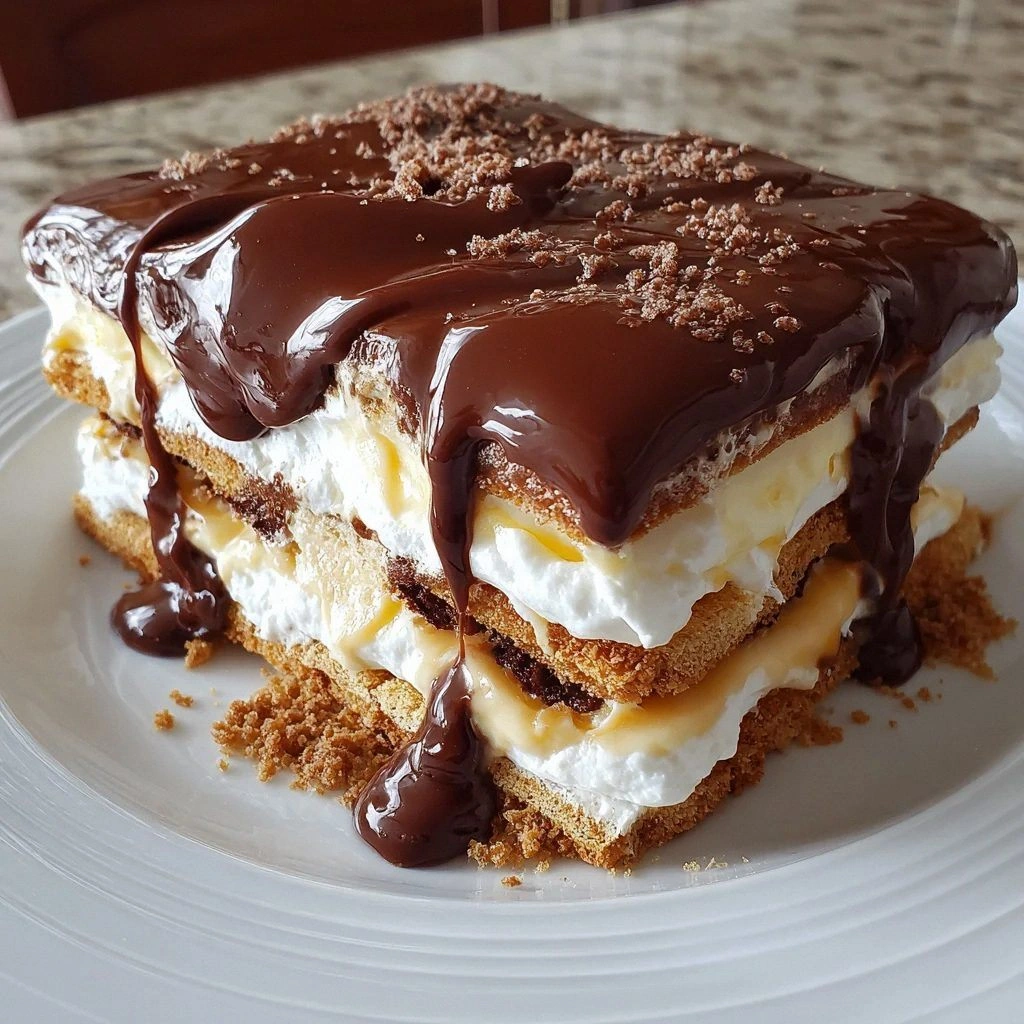
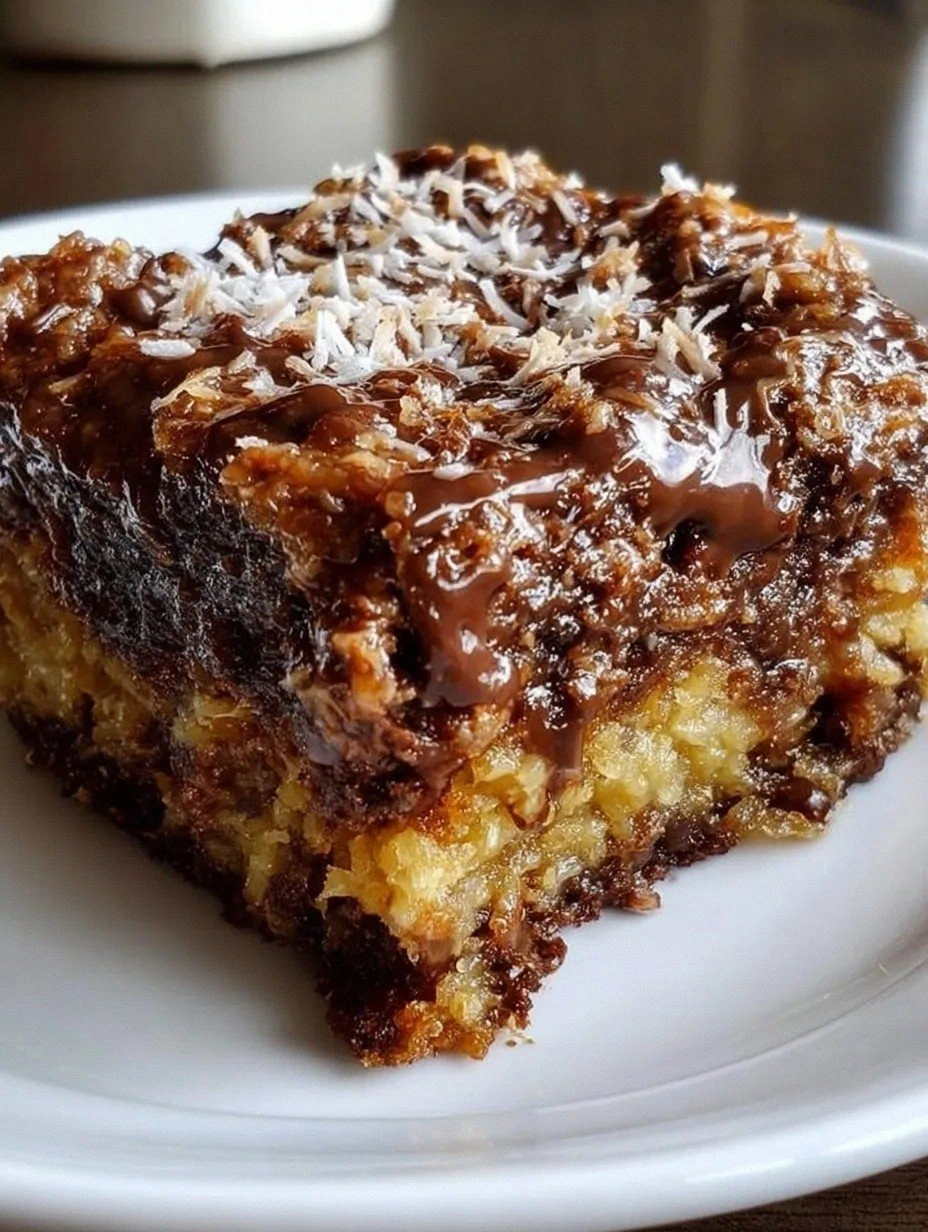
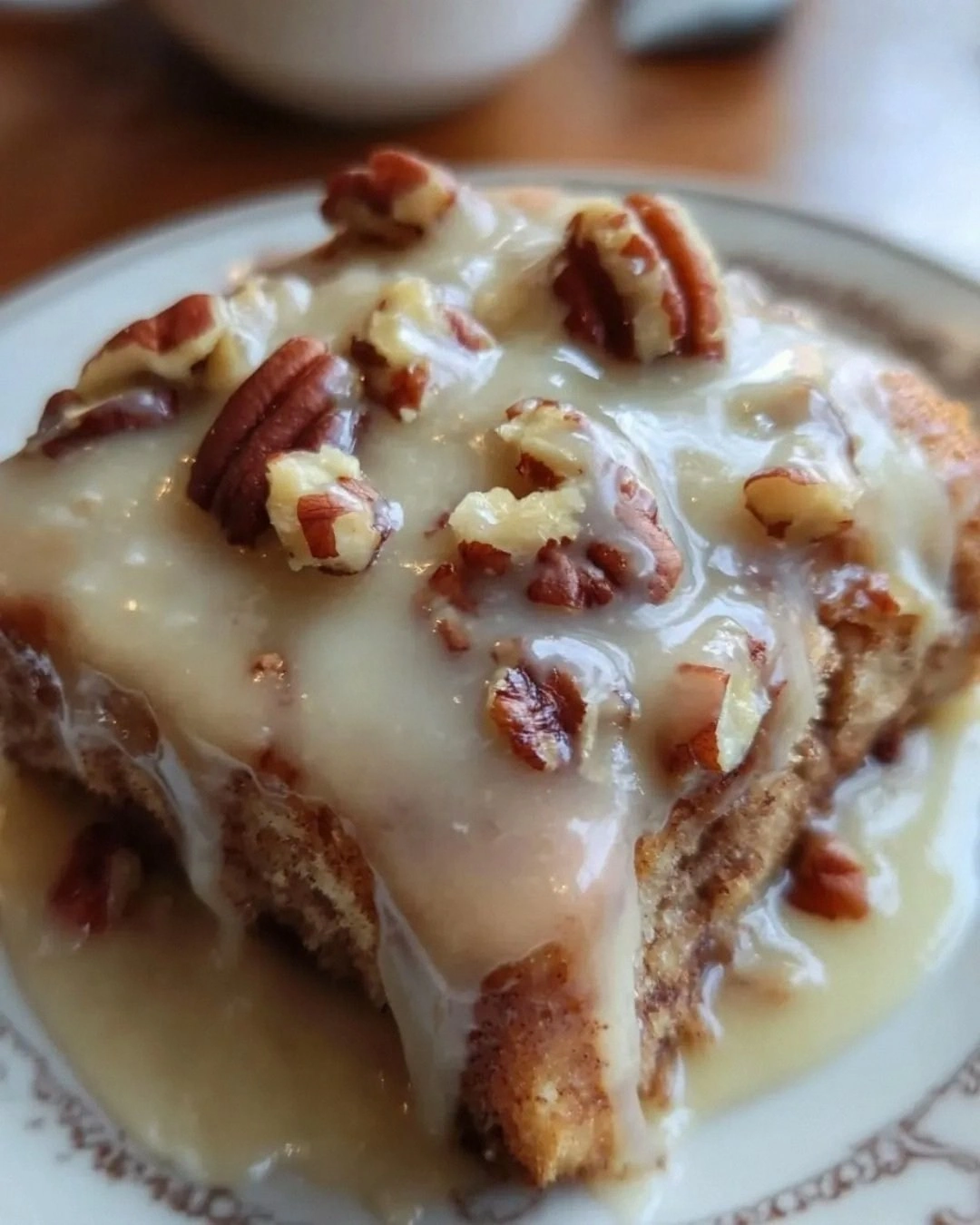
Picture this: the moment you pull the cake from the oven, the kitchen is flooded with a buttery, nutty perfume that hugs you like an old friend. The top is a glossy, amber‑brown crust that crackles when you tap it, while the interior is a moist, tender crumb studded with pockets of caramel‑kissed pecans. When the butter sauce is drizzled over the warm slices, it pools like liquid gold, soaking into every crevice and turning each bite into a silky, sweet‑savory symphony. The first forkful hits your tongue with a buttery melt, then a gentle crunch of toasted pecan, followed by a lingering caramel finish that makes you sigh in pure contentment.
What makes this version truly stand out is the secret weapon I discovered: a quick‑made praline that combines brown sugar, butter, and toasted pecans into a glossy, crunchy topping that stays crisp even after the sauce has been poured. Most recipes either skip the praline altogether or make it too soggy, losing that delightful snap. I also use a touch of buttermilk in the batter to create a tender crumb that’s airy yet rich, and a dash of vanilla‑bean paste for depth that you can’t get from ordinary extract. The butter sauce, on the other hand, is a simple reduction of butter, heavy cream, and a whisper of sea salt that turns the whole cake into a dessert that feels both rustic and refined.
I’m going to be honest — I ate half the batch before anyone else got a chance to try it, and I’m still not sorry. The reason? This cake is hands down the best version you’ll ever make at home, and you’ll want to keep it a secret (or not, because sharing is caring). I dare you to taste this and not go back for seconds. Okay, ready for the game‑changer? Let me walk you through every single step — by the end, you’ll wonder how you ever made it any other way.
What Makes This Version Stand Out
- Flavor Explosion: The caramel‑brown‑sugar base, toasted pecans, and buttery sauce combine for a layered taste that’s both sweet and slightly salty, creating a perfect balance that keeps you reaching for more.
- Texture Symphony: A crisp, crackly top meets a moist, tender crumb and a buttery sauce that seeps in without making the cake soggy — a textural trifecta that most recipes miss.
- Simplicity Meets Sophistication: Only a handful of pantry staples are needed, yet the final result feels like something you’d order at a five‑star bakery.
- Unique Praline Topping: The quick praline adds a crunchy caramelized shell that stays crunchy even after the sauce is added, a secret most home bakers overlook.
- Crowd‑Pleaser: Whether it’s a holiday gathering, a brunch, or a simple after‑dinner treat, this cake consistently earns rave reviews and empty plates.
- Ingredient Quality: Using real butter, fresh pecans, and pure vanilla‑bean paste elevates the dish from “good” to “legendary.”
- One‑Pan Wonder: The entire cake bakes in a single 9‑inch springform pan, minimizing cleanup and keeping the flavors locked together.
- Make‑Ahead Magic: The cake can be baked a day ahead, stored, and reheated with a splash of water for a fresh‑out‑of‑the‑oven experience.
Inside the Ingredient List
The Flavor Base
All-purpose flour forms the structural backbone of the cake. I use a light sifted flour to keep the crumb airy; skipping the sift can lead to a denser texture that feels more like a brownie than a cake. If you’re gluten‑free, a blend of rice flour and tapioca starch works surprisingly well, though you may need a touch more leavening.
Brown sugar and granulated sugar are the sweeteners that also contribute to the caramel notes. Brown sugar, with its molasses content, deepens the flavor and helps retain moisture, while the granulated sugar adds structure. If you substitute coconut sugar, expect a slightly earthy undertone and a darker crust.
The Texture Crew
Unsalted butter, melted and cooled, provides richness and a tender crumb. Using real butter (not margarine) is non‑negotiable; the flavor difference is like night versus day. For a dairy‑free twist, replace butter with a 1:1 ratio of coconut oil, but the cake will lose some of that buttery “mouth‑feel” we all love.
Buttermilk is the secret moisture keeper. Its slight acidity reacts with the baking powder to create tiny air pockets, giving the cake its signature lift. If you don’t have buttermilk on hand, add one tablespoon of lemon juice or white vinegar to a cup of milk and let it sit for five minutes.
Eggs act as emulsifiers, binding the fat and liquid together while adding structure. Using room‑temperature eggs ensures they incorporate smoothly without curdling. If you’re vegan, a flax‑egg (1 tbsp ground flaxseed + 3 tbsp water) can replace each egg, though the texture will be a touch denser.
The Unexpected Star
Pecans are the heart‑and‑soul of this cake. Their buttery, slightly sweet flavor pairs perfectly with the caramelized sugar. Choose raw, unsalted pecans for the best flavor; toasted pecans can become overly bitter. If you’re allergic to nuts, try toasted pumpkin seeds for a similar crunch.
Vanilla‑bean paste (or pure vanilla extract) adds a fragrant depth that elevates the entire dessert. I prefer paste because it contains real vanilla seeds, giving specks of flavor throughout the batter. A splash of bourbon or dark rum can be added to the praline for an adult‑only twist that adds warmth.
The Final Flourish
The butter sauce is a simple reduction of butter, heavy cream, and a pinch of sea salt. It creates a glossy, velvety glaze that coats the cake like a satin dress. If you want a lighter version, substitute half‑and‑half for the heavy cream, but the sauce will be less luscious.
A pinch of kosher salt is the unsung hero that brings out the sweetness and balances the richness. Skipping the salt is like playing a song without its bass line — you’ll notice the emptiness immediately.
Everything's prepped? Good. Let’s get into the real action…
The Method — Step by Step
Preheat your oven to 350°F (175°C) and grease a 9‑inch springform pan with a thin layer of butter, then dust it lightly with flour. This prevents the cake from sticking and ensures a clean release. While the oven heats, line the bottom with parchment paper — it’s a tiny step that makes a massive difference when you’re ready to unmold.
Kitchen Hack: Use a silicone baking mat instead of parchment for an even easier release; it also adds a subtle buttery aroma.In a medium bowl, whisk together 2 cups of sifted all‑purpose flour, 1½ teaspoons of baking powder, and ½ teaspoon of kosher salt. This dry mixture should look uniform with no lumps; a quick sifter ensures the leavening agents are evenly distributed, which is crucial for a uniform rise.
In a separate large bowl, combine 1 cup melted unsalted butter, ¾ cup brown sugar, and ½ cup granulated sugar. Beat with an electric mixer on medium speed until the mixture is light and fluffy, about 2‑3 minutes. You’ll notice the color lightening — that’s the sugar beginning to dissolve, a sign the caramel base is forming.
Watch Out: If the butter is too hot, the sugars will melt too quickly and you’ll end up with a grainy texture. Let the melted butter cool to warm (around 110°F) before mixing.Add 2 large eggs, one at a time, beating well after each addition. Then stir in 1 tablespoon of vanilla‑bean paste and ¼ cup buttermilk. The batter should become glossy and slightly thick, resembling a smooth pancake batter. If it looks too thick, add a splash of extra buttermilk — you want it pourable, not stiff.
Fold the dry ingredients into the wet mixture using a spatula, mixing just until combined. Over‑mixing will develop gluten and make the cake tough; stop as soon as you see no streaks of flour. At this point, the batter should have a buttery aroma that hints at the caramel to come.
Stir in 1 cup of coarsely chopped pecans, reserving a handful for the topping. The nuts should be evenly distributed, creating little islands of crunch throughout the batter. If you love extra nutty bursts, add a second half‑cup now and keep the rest for the praline.
Pour the batter into the prepared springform pan, smoothing the top with a rubber spatula. Sprinkle the reserved pecans over the surface, then set the pan on a baking sheet to catch any potential overflow.
Bake for 30‑35 minutes, or until a toothpick inserted into the center comes out clean and the edges pull away from the pan slightly. The top should be a deep amber, and you’ll hear a faint crackle when you tap it — that’s the caramel crust forming.
Kitchen Hack: Rotate the pan halfway through baking to ensure an even golden color, especially if your oven has hot spots.While the cake bakes, make the praline. In a small saucepan over medium heat, melt ¼ cup butter, then add ½ cup brown sugar and stir until the mixture bubbles and turns a deep caramel color (about 3‑4 minutes). Immediately whisk in ½ cup chopped pecans; the mixture will thicken and become glossy. Remove from heat and set aside.
For the butter sauce, melt ¼ cup butter in another saucepan, then pour in ½ cup heavy cream and a pinch of sea salt. Simmer gently for 2‑3 minutes until the sauce thickens slightly and coats the back of a spoon. This sauce should be silky, not grainy; if it looks curdled, whisk vigorously over low heat.
When the cake is done, let it cool in the pan for 10 minutes, then run a thin knife around the edge and release the springform. Transfer the cake to a serving platter, drizzle the warm butter sauce over the top, and finally spoon the caramelized pecan praline in a decorative swirl. The sauce will seep into the crumb, while the praline stays crunchy on the surface.
That's it — you did it. But hold on, I've got a few more tricks that'll take this to another level…
Insider Tricks for Flawless Results
The Temperature Rule Nobody Follows
Never bake a cake with cold ingredients. Let your butter, eggs, and buttermilk sit at room temperature for at least 30 minutes before you start. Cold butter will create pockets of uneven texture, while cold eggs can cause the batter to seize. I once tried to rush the process and ended up with a cake that had a “wobbly” middle, like a jelly that forgot it was supposed to set.
Why Your Nose Knows Best
The moment the caramel in the praline starts to turn a deep amber, you’ll smell a buttery, nutty perfume that’s unmistakable. Trust that nose signal more than the clock; if the color is perfect but the aroma isn’t there yet, give it another minute. A burnt smell means you’ve crossed the line into bitterness — a single extra second can ruin the entire batch.
The 5‑Minute Rest That Changes Everything
After you drizzle the butter sauce, let the cake sit for exactly five minutes before slicing. This brief rest lets the sauce settle into the crumb without making it soggy, and the praline firm up just enough to stay crunchy. Skipping this step is the most common mistake I see on cooking forums; people slice too early and end up with a soggy mess.
The “Gold‑Dust” Finish
For an Instagram‑worthy finish, sprinkle a pinch of flaky sea salt and a drizzle of melted white chocolate just before serving. The salt accentuates the caramel, while the white chocolate adds a glossy contrast that looks like edible gold dust. A friend tried this once and declared it “the most elegant dessert she’d ever made.”
The Secret of the Double‑Layer Sauce
If you want an extra buttery punch, split the butter sauce into two portions. Drizzle half while the cake is still warm, then let it cool for 10 minutes and finish with the second half. This creates a layered glaze that’s both glossy on top and creamy underneath.
Creative Twists and Variations
This recipe is a playground. Here are some of my favorite ways to switch things up:
Maple‑Pecan Dream
Swap half of the brown sugar in the batter for pure maple syrup and add a tablespoon of maple‑infused butter to the sauce. The result is a cake that tastes like a cozy fall morning, perfect for brunch.
Chocolate‑Swirl Surprise
Melt ¼ cup dark chocolate and swirl it into the batter before baking. The chocolate ribbons create a visual contrast and a subtle bitterness that balances the sweet caramel.
Spiced Autumn
Add ½ teaspoon each of ground cinnamon, nutmeg, and a pinch of clove to the dry ingredients. The warm spices turn the cake into a holiday centerpiece that pairs beautifully with a cup of mulled cider.
Boozy Bourbon Bliss
Stir a tablespoon of bourbon into the praline mixture and a splash into the butter sauce. The alcohol evaporates slightly, leaving behind a deep, caramel‑rich flavor that feels indulgent.
Vegan Velvet
Replace butter with coconut oil, use almond milk plus a tablespoon of lemon juice as a buttermilk substitute, and swap eggs for flax‑eggs. The texture stays moist, and the coconut adds a subtle tropical note.
Storing and Bringing It Back to Life
Fridge Storage
Cover the cake loosely with foil or a breathable cake dome and store it in the refrigerator for up to four days. The butter sauce will firm up a bit, but a quick re‑heat in the microwave (10‑15 seconds) will melt it back to a silky glaze.
Freezer Friendly
Slice the cake into individual portions, wrap each slice tightly in plastic wrap, then place them in a freezer‑safe bag. They’ll keep for up to three months. When you’re ready to serve, let a slice thaw at room temperature for 20 minutes, then microwave for 15 seconds and drizzle fresh butter sauce.
Best Reheating Method
To revive a refrigerated whole cake, preheat your oven to 300°F (150°C), place the cake on a baking sheet, and add a tablespoon of water to the bottom of the pan. Cover loosely with foil and heat for 10‑12 minutes. The added steam brings the crumb back to its original fluffiness, while the butter sauce re‑melts into a glossy finish.