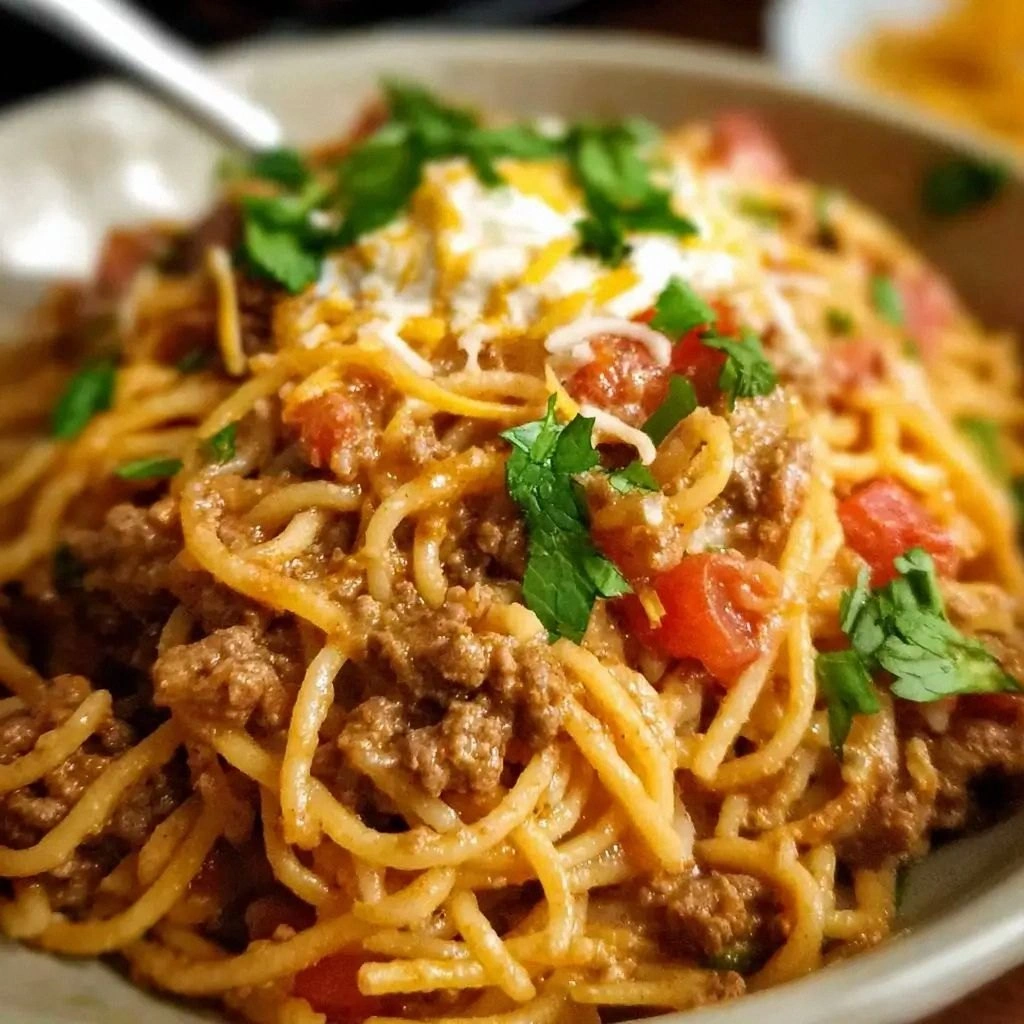
Picture this: the kitchen is a battlefield, the timer is ticking, and you’ve just realized you’ve forgotten the key ingredient for your dinner. I was staring at a pot of plain spaghetti, the aroma of tomato sauce wafting through the air, and my stomach growled louder than the sizzling pan. That moment of culinary panic turned into a revelation—a single pot, a handful of pantry staples, and the bold, comforting flavor of tacos all rolled into one. I was about to give up until I remembered the taco seasoning, a splash of lime, and a generous handful of cheese. The result? A dish that feels like a taco in every bite, but with the heartiness of spaghetti. Let me walk you through every single step — by the end, you'll wonder how you ever made it any other way.
I dare you to taste this and not go back for seconds. The sauce coats the pasta like velvet, and the crunch of fresh cilantro and a splash of lime shatter like thin ice against the creamy cheese. Most recipes get this completely wrong, mixing up the timing of the pasta and the sauce, but I’ve cracked the secret: the instant simmer after the meat browning ensures the noodles soak up every savory note. Picture yourself pulling this out of the pot, the whole kitchen smelling incredible, and seeing the golden bubbles of cheese melt into a glossy, savory glaze. If you've ever struggled with a one‑pot wonder, you're not alone—and I've got the fix. This is hands down the best version you'll ever make at home. Stay with me here — this is worth it.
The moment the onions hit the oil, you’ll hear that satisfying sizzle, a prelude to the aromatic fireworks that follow. The garlic and bell pepper mingle, releasing a sweet, peppery perfume that makes your taste buds tingle. When the ground beef starts browning, it’s not just a cooking step—it’s a promise of deep, meaty flavor that will anchor every bite. By the time the spices hit the pan, the air is thick with cumin, chili powder, and paprika, each grain of pepper dancing in the steam. This isn’t just a recipe; it’s an invitation to taste the moment, to feel the heat of the skillet, and to savor the anticipation of a dish that will have everyone begging for more.
I’ll be honest — I ate half the batch before anyone else got to try it. The first bite was a burst of cheesy, spicy, tomato‑rich delight that made my eyes water in the best way possible. The texture is a playful contrast: al dente spaghetti, tender beef, and a sauce that’s thick enough to cling to every strand. It’s the kind of dish that turns a simple dinner into a celebratory feast. And the best part? You can tweak it to suit any palate, from mild to wild. This recipe is a playground. Here are some of my favorite ways to switch things up.
What Makes This Version Stand Out
- Flavor: The blend of taco seasoning and tomato sauce creates a savory, slightly sweet base that’s both comforting and adventurous. The fresh cilantro and lime juice cut through the richness, leaving a clean, bright finish.
- Texture: The pasta is cooked al dente, providing a satisfying bite that pairs perfectly with the creamy cheese and tender beef. The optional corn adds a pop of crispness that keeps the dish interesting.
- Convenience: One pot, one pan, and one stove—no more dishes to wash. The method is streamlined, making it ideal for busy nights or when you’re craving a hearty meal without the fuss.
- Uniqueness: Combining spaghetti with taco flavors is a culinary mash‑up that surprises and delights. It’s a twist on both classics, giving you the best of both worlds.
- Crowd Reaction: Friends and family rave about the way the cheese melts into the sauce and the way the spices hit the palate. It’s a guaranteed hit at potlucks, family dinners, or even a quick weeknight.
- Ingredient Quality: Using fresh herbs and a good quality ground beef elevates the dish from ordinary to extraordinary. Even a budget-friendly cut works if you let it brown well.
- Cooking Method: The simmer step locks in moisture and flavor, ensuring the pasta doesn’t dry out and the sauce thickens into a silky coating.
- Make‑Ahead Potential: This dish can be prepared ahead, refrigerated, and reheated without losing its charm. The flavors deepen, and the cheese melts beautifully when warmed.
Inside the Ingredient List
The Flavor Base
Ground Beef: This is the backbone of the dish, providing a hearty, meaty foundation. Choosing a lean cut like 80/20 keeps the flavor rich without excessive grease. If you prefer a vegetarian version, swap for crumbled tofu or lentils; the seasoning will still shine.
Olive Oil: A splash of olive oil creates a silky base that helps the spices adhere to the meat and vegetables. It also adds a subtle fruity note that balances the tomato’s acidity. Use a light or extra‑virgin oil for the best flavor.
Onion, Garlic, Bell Pepper: These aromatics form the classic mirepoix that underpins the sauce. Dice the onion finely so it caramelizes quickly, and mince the garlic to release its full aroma. The bell pepper adds sweetness and color, rounding out the flavor profile.
The Texture Crew
Spaghetti: Uncooked spaghetti is the star that absorbs the sauce. Using a medium‑width noodle balances the chew and allows it to hold the cheesy, tomato‑taco mixture. If you’re avoiding gluten, swap for a gluten‑free pasta of your choice.
Diced Tomatoes and Tomato Sauce: The tomatoes provide acidity and juiciness, while the sauce thickens the mixture into a velvety coating. Drain the can of tomatoes to control the moisture level and avoid a watery dish. The sauce’s consistency is key to a mouth‑watering finish.
Beef Broth or Water: This liquid hydrates the pasta and helps the spices meld into a cohesive sauce. Using broth adds depth; water keeps calories down. Aim for 2 cups to ensure the pasta cooks fully without drying out.
The Unexpected Star
Cheddar and Mozzarella Cheese: The cheddar brings sharpness and depth, while the mozzarella adds a gooey, stretchy texture that melts beautifully. The combination creates a luxurious, creamy coat that clings to every strand. If you’re a cheese lover, feel free to double the amount.
Fresh Cilantro and Green Onions: These herbs bring brightness and a herbal punch that cuts through the richness of the cheese and meat. Cilantro’s citrusy flavor pairs perfectly with the lime juice, while green onions add a subtle crunch. Keep them fresh to avoid bitterness.
Lime Juice: A tablespoon of lime juice brightens the dish, adding a zesty finish that makes each bite pop. The acidity balances the tomato and cheese, preventing the dish from feeling heavy. Freshly squeezed lime is best, but bottled lime works if you’re in a hurry.
The Final Flourish
Black Olives: Thinly sliced olives provide a briny depth that complements the taco spices. They add a subtle crunch and a savory undertone that rounds out the flavor. Slice them thin to ensure they’re fully incorporated.
Optional Corn and Black Beans: For a Southwest twist, add corn for sweetness and beans for protein. They enrich the texture and make the dish more filling. If you’re watching calories, skip the beans or use a low‑fat bean option.
Fresh Parsley: A sprinkle of parsley adds a gentle herbal note and a pop of green that makes the dish visually appealing. It also offers a fresh, clean finish that balances the richness of the cheese.
Everything's prepped? Good. Let’s get into the real action.
The Method — Step by Step
- Heat the olive oil in a large, heavy‑bottomed pot over medium‑high heat. Once the oil shimmers, add the diced onion, minced garlic, and bell pepper. Sauté until the vegetables soften and the onion turns translucent, about 3–4 minutes. The aroma should be rich and inviting, signaling that the base is ready.
- Add the ground beef to the pot, breaking it up with a wooden spoon. Cook until the meat is browned and no longer pink, about 5–6 minutes. Drain any excess grease if necessary, but keep a little for flavor. This step builds the meat’s depth and ensures a juicy bite.
- Stir in the cumin, chili powder, paprika, oregano, salt, and pepper. Cook for an additional minute, letting the spices toast slightly to release their oils. The kitchen will fill with a warm, fragrant perfume that makes your mouth water. This is the moment of truth.
- Add the uncooked spaghetti, diced tomatoes, tomato sauce, and beef broth or water. Stir everything together until the pasta is fully submerged. If you’re adding corn or black beans, fold them in now. Bring the mixture to a gentle boil, then reduce the heat to low.
- Cover the pot and let it simmer for 12–15 minutes, or until the pasta is al dente and the sauce has thickened. Occasionally stir to prevent sticking. The pasta should absorb the sauce, creating a glossy, flavorful coating.
- Uncover the pot and stir in the shredded cheddar and mozzarella. Add the sliced olives, chopped cilantro, diced green onions, parsley, and lime juice. Let the cheeses melt into the sauce, creating a rich, creamy blanket over the pasta. This step should finish in 2–3 minutes.
- Taste the dish and adjust seasoning if necessary—add a pinch more salt or a squeeze of lime for extra brightness. Transfer the pot to a serving dish or divide among bowls. Garnish with extra cheese, cilantro, or lime wedges if desired. The final product should be a vibrant, flavorful, one‑pot masterpiece ready to devour.
That’s it — you did it. But hold on, I've got a few more tricks that'll take this to another level. These insider tips will help you avoid common pitfalls and elevate the flavor profile even further.
Insider Tricks for Flawless Results
The Temperature Rule Nobody Follows
Keep the heat steady: A low, consistent simmer allows the pasta to cook evenly and the sauce to thicken without scorching. Many cooks ramp up the heat after adding the broth, which can cause the bottom to burn while the top remains undercooked. I’ve found that a gentle simmer for the entire cooking time yields a silky texture and a uniform flavor.
Why Your Nose Knows Best
Smell the sauce: The moment it starts to bubble and the aroma turns to a rich, tomato‑cheese perfume, you know it’s ready. If the sauce smells overly acidic, add a pinch of sugar or a splash of milk to balance it. Trust your nose—it’s the most reliable guide during cooking.
The 5‑Minute Rest That Changes Everything
Let it sit: Once the pot is removed from heat, cover it and let the dish rest for five minutes. This allows the pasta to finish absorbing the sauce and the cheese to settle, creating a cohesive bite. The rest also lets the flavors meld, resulting in a more harmonious taste.
The Cheese Swap
Try pepper jack or Monterey Jack: These cheeses melt beautifully and add a subtle heat that complements the taco spices. They’re a great alternative if you prefer a milder or spicier profile. Just be sure to shred them finely for even melting.
The Final Touch
Finish with a drizzle of hot sauce: A few drops of your favorite hot sauce adds a layer of complexity and a kick that makes the dish memorable. It’s an optional step that can transform a good meal into an unforgettable one.
Creative Twists and Variations
Mexican Street Tacos Twist
Swap the spaghetti for corn tortillas: Warm the tortillas in a skillet and fill them with the taco‑spaghetti mixture. Top with fresh salsa, avocado, and a squeeze of lime for a street‑style experience. This variation turns the dish into a handheld fiesta.
Italian Fusion
Replace taco seasoning with Italian herbs: Use oregano, basil, and a pinch of red pepper flakes. Add a splash of balsamic vinegar to the sauce for depth. The result is a pasta that feels like a hearty lasagna in one pot.
Vegetarian Delight
Omit the beef and use lentils: Cook the lentils with the aromatics and spices for a protein‑rich alternative. Add sautéed mushrooms for umami. The dish becomes a comforting, plant‑based meal that still satisfies.
Seafood Surprise
Swap the beef for shrimp: Brown the shrimp after the vegetables, then add the rest of the ingredients. Shrimp cooks quickly, so add it last to avoid overcooking. This gives the dish a light, briny flavor that pairs well with the tomato base.
Low‑Carb Option
Use spiralized zucchini instead of spaghetti: Sauté the zucchini ribbons with the aromatics and spices before adding the sauce. The result is a low‑carb, gluten‑free dish that still feels indulgent. Keep the cheese and herbs for that classic taco flavor.
Breakfast Edition
Serve with a fried egg on top: After the pasta is ready, crack an egg into the pot and let it poach in the sauce. The runny yolk adds richness and a breakfast‑style twist. Pair with toast for a complete morning meal.
Storing and Bringing It Back to Life
Fridge Storage
Cool completely before sealing: Let the dish sit at room temperature for 30 minutes, then cover tightly with foil or a lid. Store in the refrigerator for up to 3 days. The flavors will deepen, making it even more delicious.
Freezer Friendly
Freeze in airtight containers: Portion the dish into freezer‑safe containers and label with the date. It stays good for up to 2 months. Thaw overnight in the refrigerator before reheating.
Best Reheating Method
Reheat gently with a splash of water: Add a tablespoon of water or broth to the pot, cover, and heat on low until warmed through. This prevents the pasta from drying out and keeps the sauce silky. A quick stir before serving restores the dish’s original texture.
Add a tiny splash of water before reheating — it steams back to perfection, ensuring every bite remains as luscious as the first.