I was halfway through a chaotic bake‑day—flour everywhere, a broken whisk, and a stubborn batch of cookie dough that had turned into a sticky, unrecognizable mess—when my roommate’s voice crackled from the kitchen speaker, “You need something sweet, but not a disaster.” That moment sparked the idea of a truffle that could be whipped up in minutes, yet deliver the kind of indulgence that makes you question why you even bother with complicated desserts. I stared at the abandoned sugar bowl, then at the white chocolate block that had been languishing on the counter, and thought, “Why not turn that into a silky, fragrant bite?” The result? A honey‑lavender white chocolate truffle that’s practically a love letter to the senses. I dare you to taste this and not go back for seconds. That’s the promise I’m about to deliver.
Picture the moment you break the chocolate into shards: the faint scent of vanilla and a hint of citrus from the white chocolate, the crackle as it shatters like a delicate snowflake. Then the heavy cream swirls in, its rich, buttery aroma mingling with the floral notes of lavender, filling the air with a calming, almost spa‑like fragrance. When you stir, the mixture glistens, a glossy, pale ivory that glides across the spoon like a mirror. The sound of the spoon sliding through the silky blend is almost musical—a soft, buttery swish that promises sweetness. Your fingertips feel the coolness of the bowl, the faint resistance of the chocolate, and the slight warmth from the room’s ambient heat. Finally, when you take a bite, the first sensation is a velvety melt, followed by a subtle floral buzz and a lingering honey sweetness that dances on your palate.
What sets this version apart is that it’s not just a truffle; it’s a carefully engineered experience that balances flavor, texture, and aroma. The honey isn’t just sweet—it adds a golden sheen and a subtle depth that makes the truffle feel indulgent without being cloying. Lavender, when used in its dried form, imparts a mellow, soothing aroma that contrasts beautifully with the richness of the chocolate. The choice of white chocolate over milk or dark chocolate keeps the flavor light and airy, making it a perfect palate cleanser between courses. The cocoa powder or crushed nuts coating provides a gentle crunch that breaks the silky interior, creating a multi‑sensory bite. The overall result is hands down the best version you’ll ever make at home.
I’ll be honest—once I started mixing, the aroma alone convinced me that this was something special. I’ve tried countless truffle recipes, but none have captured the same balance of floral and sweet. The trick, however, lies in the timing and the exact proportions of honey and lavender. Most recipes get this completely wrong by over‑steeping the lavender or using too much honey, which turns the truffle into a sticky mess. But with the right technique, the flavors meld into a single, harmonious note that lingers. If you’re ready for a game‑changer, keep reading.
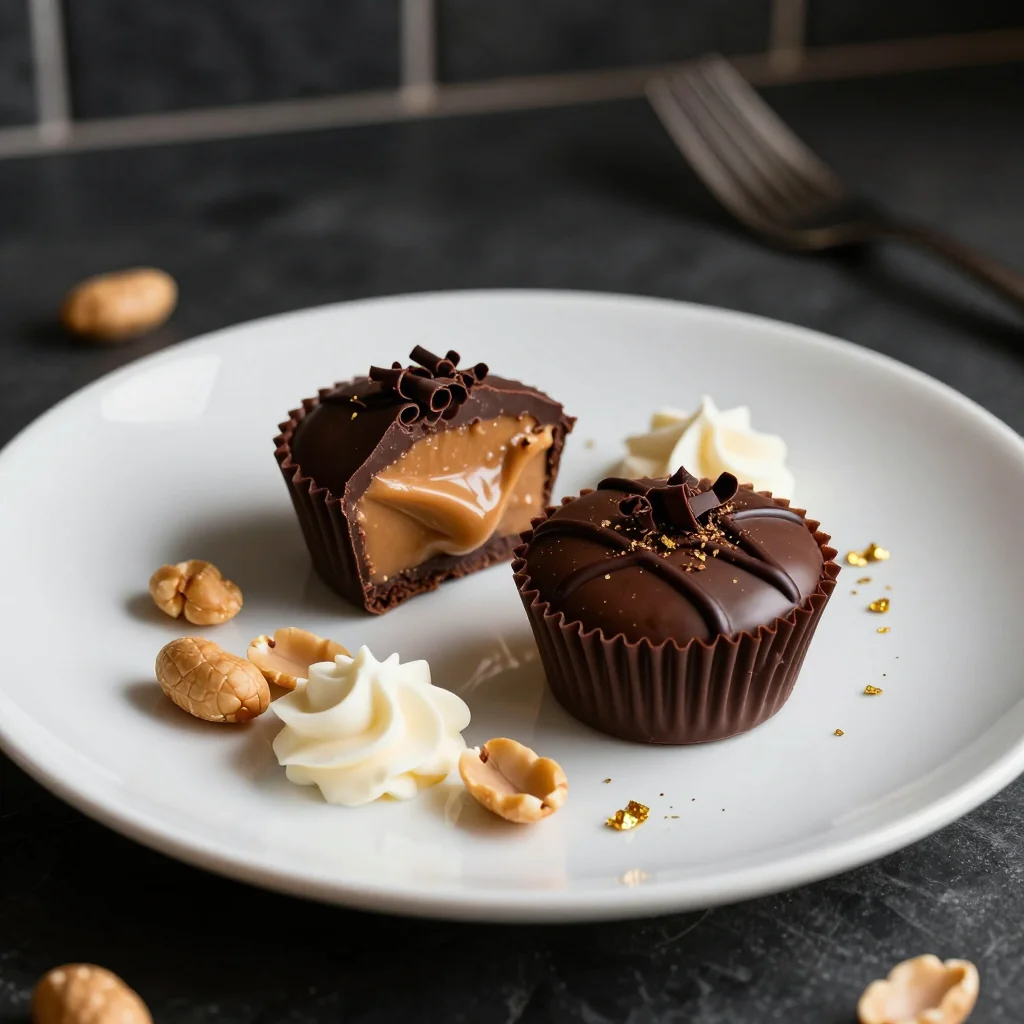
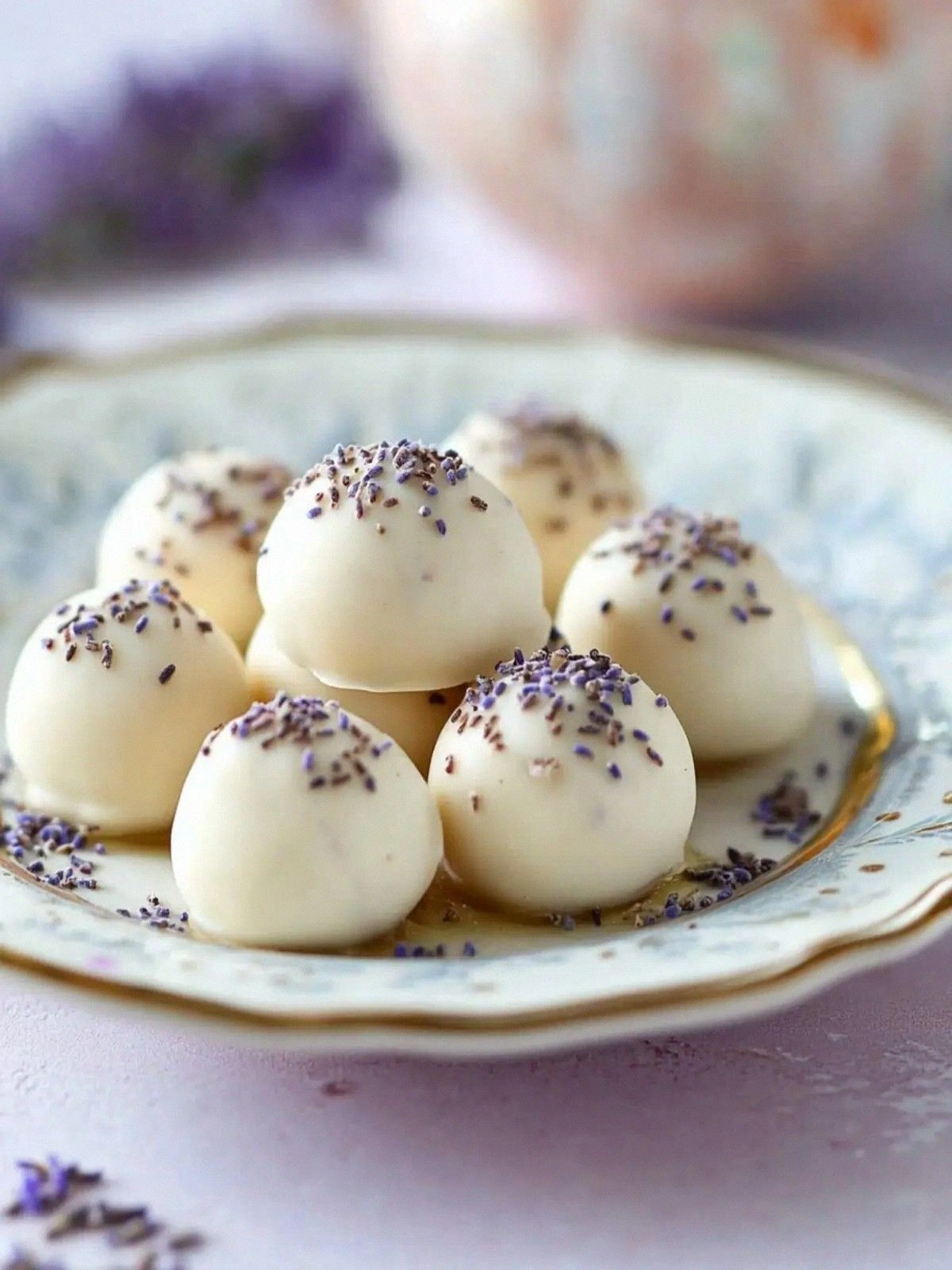
Picture yourself pulling this out of the fridge, the whole kitchen smelling incredible, the truffles glistening like tiny white moons. The first bite melts into a silky cascade of honeyed lavender, the texture shifting from smooth to a slight crunch as you bite into the cocoa‑dusted exterior. I’ve already tasted a handful, and I’m convinced that anyone who tries these will be hooked from the first bite. The moment you taste it, you’ll wonder why you ever settled for ordinary chocolate truffles. That’s why I’m sharing every single step—by the end, you’ll wonder how you ever made it any other way.
Now, if you’ve ever struggled with truffle consistency—too soft, too hard, or just plain bland—you’re not alone. I’ve spent countless evenings tweaking ratios and temperatures, and the final result is a perfect bite‑size, melt‑in‑your-mouth treat. This isn’t just a recipe; it’s a culinary revelation that will elevate your dessert game. And trust me, the first bite will leave you craving the next. Ready to dive in? Let’s get started.
What Makes This Version Stand Out
- Flavor: The honey provides a golden, syrupy sweetness that elevates the chocolate’s subtle vanilla notes, creating a depth that ordinary truffles lack.
- Texture: The blend of heavy cream and white chocolate yields a silky, buttery consistency that melts in your mouth, while the cocoa or nut coating adds a satisfying crunch.
- Ingredient Quality: Using high‑grade white chocolate ensures a smooth melt and prevents bitterness, and fresh lavender gives a bright, aromatic finish.
- Simplicity: The recipe requires only five ingredients, no complex equipment, making it perfect for novice bakers or those on a tight schedule.
- Uniqueness: The floral lavender element is rarely found in truffle recipes, offering a distinct, sophisticated flavor profile.
- Make‑ahead Potential: These truffles can be prepared up to 48 hours in advance, letting you enjoy them at a moment’s notice.
- Visual Appeal: The pale ivory color contrasts strikingly against the dark cocoa dust, making each bite a feast for the eyes.
- Crowd Reaction: Guests rave about the unexpected floral note, and they keep asking for the recipe afterward.
Alright, let’s break down exactly what goes into this masterpiece…
Inside the Ingredient List
The Flavor Base
White chocolate is the heart of this truffle, providing a sweet, buttery foundation that carries the honey and lavender. When you choose a reputable brand, look for a cocoa butter content of at least 30% to ensure a smooth melt. Skipping the chocolate will turn this into a plain sweet treat, missing the luxurious mouthfeel that defines a truffle. If you’re allergic to dairy, a dairy‑free white chocolate can substitute, though it may alter the creaminess slightly. The key to a flawless flavor base is to melt the chocolate gently, avoiding overheating to keep the butter from separating.
The Texture Crew
Heavy cream is the secret weapon that transforms the chocolate into a velvety ganache. It adds body and a subtle richness that balances the honey’s sweetness. If you’re watching calories, a light cream alternative will still work but may result in a slightly firmer ganache. The cream’s fat content is crucial; too low, and the mixture will be thin, too high, and it may become too oily. The ratio of cream to chocolate (half cup to 8 oz) is the sweet spot for a smooth, scoopable consistency.
The Unexpected Star
Dried lavender brings a delicate floral note that pairs beautifully with honey and white chocolate. Its aroma is reminiscent of a summer garden, adding a layer of sophistication. If you can’t find lavender, you can use a small amount of dried rose petals for a similar effect, though the flavor profile will shift slightly. Be mindful not to over‑steep the lavender, as it can become bitter. A tablespoon is enough to infuse the ganache without overpowering the chocolate.
The Final Flourish
Cocoa powder or crushed nuts coat the truffles, providing contrast in texture and a subtle chocolate bitterness that balances the honey. If you prefer a nutty crunch, opt for finely crushed almonds or hazelnuts. For a purely chocolate finish, use a light dusting of cocoa powder. The coating also helps keep the truffles from sticking together, especially if you’re storing them in the fridge. Remember to chill the coated truffles for at least 30 minutes before serving.
Everything's prepped? Good. Let's get into the real action…
The Method — Step by Step
- Begin by finely chopping the white chocolate into bite‑sized pieces and placing them in a heat‑proof bowl. Gently melt the chocolate over a saucepan of simmering water, using a double boiler method; the indirect heat prevents scorching. Stir continuously until the chocolate is completely liquefied, forming a glossy, ivory liquid. At this point, the chocolate should emit a faint vanilla aroma, indicating that it’s ready for the next step. Keep the heat low to avoid overheating, which can cause the chocolate to seize.
- Remove the bowl from the heat and whisk in the heavy cream. The mixture will bubble slightly as the cream blends with the chocolate, creating a smooth ganache. Stir until the cream is fully incorporated, forming a homogeneous, silky texture. This step is crucial because a well‑mixed ganache ensures that the truffles hold together when rolled. As you whisk, you’ll notice the ganache thickening and taking on a glossy sheen.
- Add the tablespoon of honey to the ganache and stir until it dissolves completely. The honey will give the truffles a subtle golden sheen and a depth of flavor that enhances the chocolate. Taste the mixture; it should be sweet but not cloying. If you prefer a slightly less sweet version, reduce the honey by half. This step also helps to stabilize the ganache, preventing it from becoming too runny.
- Now, incorporate the dried lavender into the ganache. Stir gently to ensure even distribution of the floral notes. Let the mixture sit for a minute to allow the lavender to infuse the chocolate. Be careful not to let the lavender settle too quickly, as this could create uneven flavor pockets. The aroma of lavender will begin to mingle with the honey, creating a fragrant bouquet.
- Transfer the ganache to the refrigerator and chill for 30 minutes, or until it’s firm enough to scoop. This chilling period is where the truffles take shape; the ganache should be thick but still pliable. If the ganache is too soft, it will spread and lose its bite. Once chilled, remove a small portion with a spoon and roll it between your palms to form a smooth ball. The surface should be smooth and free of cracks.
- Roll each ball in either cocoa powder or crushed nuts, depending on your preference. The coating adds a subtle crunch and a contrasting chocolate bite that complements the silky interior. Use a small spoon or your fingertips to press the coating onto the truffle, ensuring an even layer. Shake off any excess coating to keep the truffles tidy. This step also prevents the truffles from sticking together during storage.
- Place the coated truffles on a parchment‑lined tray and refrigerate for an additional 15 minutes to set the coating. This final chilling step ensures that the truffles hold their shape and that the coating adheres firmly. After refrigeration, the truffles should be firm enough to handle without melting. Store them in an airtight container to preserve freshness. If you plan to serve them at a gathering, keep them chilled until just before serving.
- Serve the truffles at room temperature for the best flavor experience. As they sit, the truffles will soften slightly, revealing the silky ganache inside. The honey’s sweetness will become more pronounced, and the lavender aroma will intensify. Pair these truffles with a glass of chilled white wine or a cup of aromatic tea for an elevated dessert experience. Enjoy the gentle crunch of the coating and the melt‑in‑your‑mouth texture that follows.
That's it — you did it. But hold on, I've got a few more tricks that'll take this to another level. The next section will reveal insider techniques that guarantee flawless results every time.
Insider Tricks for Flawless Results
The Temperature Rule Nobody Follows
Chocolate is a temperamental friend; the slightest temperature shift can alter its texture dramatically. Keep the chocolate below 90°F (32°C) while melting to avoid overheating. If the chocolate starts to look cloudy or develops a dull sheen, it’s time to remove it from heat. A digital thermometer is a game‑changer, ensuring precision. This rule guarantees a glossy, silky ganache that won’t seize.
Why Your Nose Knows Best
Before you add honey, take a deep sniff of the ganache. A sweet, floral aroma signals that the lavender has infused properly. If the scent feels flat, let it rest a few more minutes; lavender needs time to release its oils. Trust your nose—if it smells like a garden, the truffle will taste that way too. This simple sniff test can save you from a batch that’s too bland.
The 5‑Minute Rest That Changes Everything
After adding the honey, let the ganache sit for 5 minutes before stirring again. This brief pause allows the honey to fully dissolve and integrate, creating a smoother texture. A friend once skipped this step and ended up with a slightly gritty ganache; the truffles were a disappointment. By giving the honey time to mingle, you’ll achieve a flawless, buttery consistency.
The Coating Conundrum
Choosing between cocoa powder and crushed nuts changes the mouthfeel dramatically. Cocoa powder offers a classic chocolate crunch, while nuts add a nutty crunch and a subtle savory note. If you opt for nuts, toast them lightly to bring out their flavor. Use a fine crush to avoid large chunks that could break the truffle’s smoothness. This tip ensures a consistent coating that enhances, rather than distracts, from the ganache.
The Chill‑Out Trick
Refrigerating the truffles for at least 30 minutes before serving is essential for texture. If you’re in a hurry, you can place them in a freezer for 10 minutes, but be sure to let them sit at room temperature for a few minutes after thawing. A friend tried this and found the truffles too hard; the chocolate didn’t soften properly. Proper chilling balances firmness with melt‑in‑your‑mouth delight.
The Finish Line
When serving, arrange the truffles on a platter with a small dish of extra honey for dipping. The honey adds an extra layer of sweetness and visual appeal. Pair with a light dessert wine or a cup of chamomile tea to complement the floral notes. A friend once served these at a brunch, and the guests were so impressed they asked for a recipe. Serve with confidence.
Creative Twists and Variations
This recipe is a playground. Here are some of my favorite ways to switch things up:
Citrus Burst
Add a teaspoon of orange zest to the ganache for a bright, zesty twist. The citrus pairs beautifully with honey, adding a fresh kick. Use a fine zest to avoid bitter pith. This variation is perfect for spring or summer gatherings.
Minty Magic
Replace the dried lavender with a tablespoon of dried mint leaves for a cooling, refreshing flavor. Mint’s bright green notes contrast with the warm honey, creating a balanced profile. Keep the mint dry to avoid moisture. Serve with a glass of sparkling water for a refreshing finish.
Nutty Delight
Swap the cocoa powder coating for finely ground pistachios. The green nut adds a pop of color and a subtle earthiness. Toast the pistachios lightly to bring out their flavor. This version is great for a holiday party.
Chocolate‑Covered Surprise
Dip the finished truffles in melted dark chocolate for a decadent finish. The dark chocolate adds depth and a slight bitterness that balances the honey. Let the chocolate set on parchment paper. This twist transforms the truffles into a multi‑layered dessert.
Spiced Sensation
Add a pinch of ground cinnamon or cardamom to the ganache. The spices create a warm, aromatic base that complements the honey. Stir until fully incorporated. This variation is ideal for a cozy fall evening.
Berry Infusion
Muddle a few fresh berries into the ganache before chilling. The berries add natural sweetness and a burst of color. Be sure to strain the mixture to keep the ganache smooth. This version is a stunning visual treat.
Storing and Bringing It Back to Life
Fridge Storage
Store truffles in an airtight container in the refrigerator for up to 5 days. The cold environment keeps them firm while preserving the honey’s sweetness. Avoid placing them in a container with strong‑smelling foods, as the truffles can absorb odors. When ready to serve, let them sit at room temperature for 10 minutes to soften slightly.
Freezer Friendly
For longer storage, place truffles on a parchment‑lined tray and freeze for up to 3 months. Once frozen, transfer them to a freezer‑safe bag or container. To thaw, leave them at room temperature for 20 minutes. Freezing preserves the texture, though the coating may become slightly soft; re‑coat if desired.
Best Reheating Method
If your truffles have hardened, warm them gently in a 120°F (49°C) water bath for 5 minutes. This low heat will soften them without melting the chocolate. Alternatively, microwave on low power for 10‑15 seconds, checking frequently. Adding a tiny splash of water before reheating steams the truffles back to a silky, melt‑in‑your‑mouth consistency. Serve immediately for the best experience.