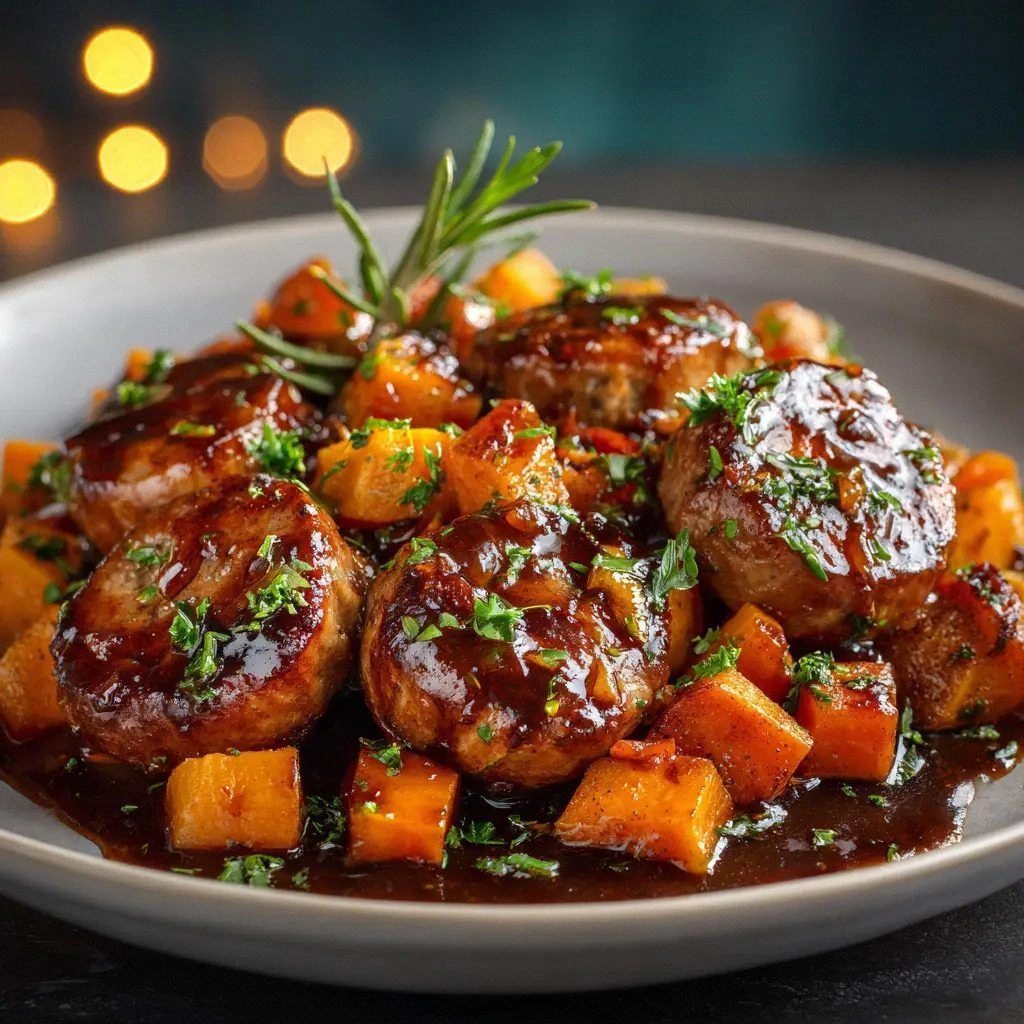
I was standing in the kitchen, staring at a pile of leftover sausage that had been sitting in the fridge for a week, feeling a little guilty about the waste. The smell of it, faintly sweet and smoky, was enough to make me wonder if there was a way to rescue it. I decided to toss it into a pan with some sweet potatoes, broccoli, and a splash of honey, and that was the spark that ignited this recipe. The moment the sausage hit the hot oil, a crackle echoed through the kitchen, and I could already taste the caramelized edges that would become a signature texture of this dish.
Picture the scene: a bright, sunny kitchen where the light hits the stainless steel pan and creates a halo. The scent of garlic and honey rises, mingling with the earthy sweetness of roasted sweet potatoes. The sound is a steady sizzle that syncs with the rhythmic chopping of broccoli florets. When you take that first bite, the sausage is juicy, the sweet potatoes tender, and the honey glaze glistens like a golden coat. I dare you to taste this and not go back for seconds—it's that addictive.
What makes this version stand out from every other honey-garlic sausage recipe you’ve tried is the deliberate layering of flavors and textures. The honey doesn’t just sweeten; it thickens into a silky glaze that clings to the sausage and vegetables. The olive oil adds a subtle fruity depth, while the garlic powder and black pepper provide a gentle heat that balances the sweetness. And the sauce, once it’s reduced, becomes a velvety coating that feels like a warm hug on your palate. Most recipes get this completely wrong—here’s what actually works.
I’ve spent countless evenings experimenting with one-pan meals, and this is hands down the best version you’ll ever make at home. The combination of savory sausage, sweet potatoes, and broccoli in a single pan is not only convenient but also a nutritional powerhouse. The secret is in the technique: starting with a proper sear, then adding the sauce at the right moment, and finishing with a quick stir to coat everything evenly. Picture yourself pulling this out of the oven, the whole kitchen smelling incredible, and the plate gleaming with a glossy, caramelized glaze. Stay with me here—this is worth it.
What Makes This Version Stand Out
- Taste: The honey and soy sauce create a sweet-savory profile that lingers on the tongue. The garlic adds depth without overpowering.
- Texture: Crispy sausage edges contrast with the tender, slightly crisp sweet potatoes. The glaze gives a glossy finish.
- Convenience: One pan, minimal cleanup, and a single cooking step make it a go-to for busy nights.
- Nutrition: Packed with protein, fiber, and vitamins from broccoli and sweet potatoes.
- Versatility: Works with any sausage variety and can be adapted to vegetarian versions.
- Crowd-pleaser: The sweet glaze is a crowd-pleaser even for those who typically shy away from sugary sauces.
- Make‑Ahead Potential: It keeps well in the fridge and can be reheated without losing flavor.
- Unique Sauce: The honey‑garlic‑soy glaze is thicker than typical sauces, ensuring every bite is coated.
Alright, let's break down exactly what goes into this masterpiece…
Inside the Ingredient List
The Flavor Base
The 14 ounces of cooked sausage are the heart of this dish. Whether you choose a chicken & apple or a kielbasa, the key is to use a sausage that’s already cooked to avoid any raw poultry risk. The sausage’s natural juices mingle with the olive oil to form a fragrant base. If you skip it, the dish loses its savory depth and becomes a bland sweet‑vegetable medley.
The Texture Crew
Two medium sweet potatoes are diced into 1‑inch cubes for a balance between bite and tenderness. The broccoli head is cut into florets that hold up against the sauce, preventing mushiness. The 2 tablespoons of olive oil are crucial for achieving a crisp sear on the sausage and caramelizing the vegetables. If you use a lower‑quality oil, the glaze will taste metallic.
The Unexpected Star
The 1/3 cup of honey is the sweet star that gives the dish its signature glaze. Honey’s natural sugars caramelize quickly, creating a glossy coating that clings to every piece. If you’re looking for a lower‑glycemic option, try using a 1:1 ratio of maple syrup and a pinch of sea salt.
The Final Flourish
The 1/4 cup of low‑sodium soy sauce balances the sweetness with umami, while the 3 cloves of garlic add aromatics. The 1 teaspoon of cornstarch, dissolved in 2 tablespoons of chicken broth, thickens the sauce into a velvety finish. If you’re gluten‑free, use tamari instead of soy sauce and a gluten‑free cornstarch blend.
Everything's prepped? Good. Let's get into the real action…
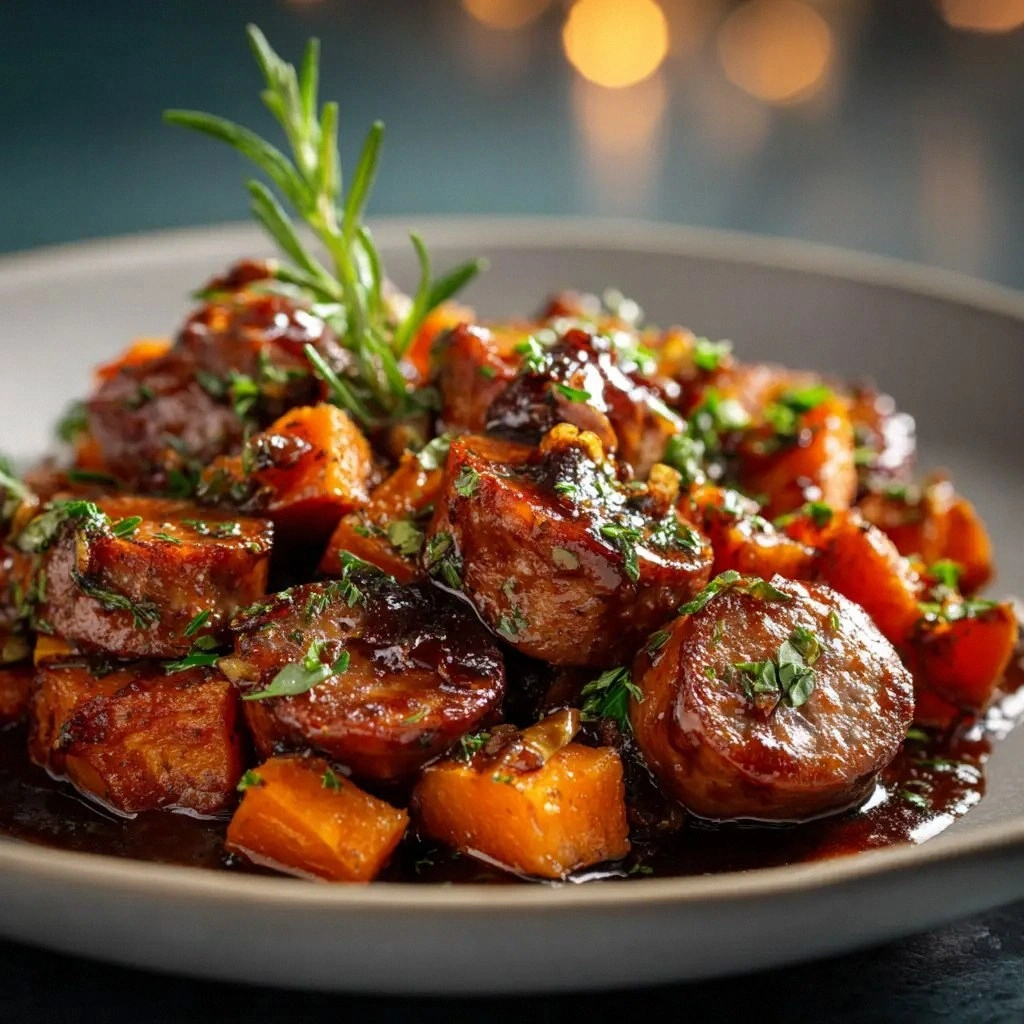
The Method — Step by Step
- Heat a large, heavy‑bottom skillet over medium‑high heat. Add the 2 tablespoons of olive oil and let it shimmer. This step is critical; a hot pan ensures the sausage sears and the vegetables develop a caramelized crust. Watch the oil; if it starts to smoke, lower the heat slightly.
- Add the cooked sausage to the skillet in a single layer. Let it brown for 2 minutes without stirring, allowing a golden crust to form. Flip the sausage once the edges are crisp, then return it to the pan. The sausage should emit a savory aroma that fills the kitchen.
- Insert the diced sweet potatoes into the skillet, spreading them evenly around the sausage. Sprinkle the 1/2 teaspoon of salt and 1/4 teaspoon of black pepper over them. The salt draws out moisture, ensuring the potatoes crisp up. Let them cook for 5 minutes, then stir gently to combine.
- Add the broccoli florets to the pan, ensuring they are submerged in the oil and seasonings. This step is where the vegetables start to steam and brown. Stir after 3 minutes, checking that the broccoli edges are slightly charred but not mushy.
- While the veggies are cooking, mince the 3 cloves of garlic finely. In a small bowl, whisk together the 1/3 cup honey, 1/4 cup soy sauce, 1/2 teaspoon garlic powder, 1 teaspoon cornstarch, and 2 tablespoons chicken broth. This slurry will become the glossy glaze.
- Pour the honey‑soy mixture over the sausage and vegetables. Stir immediately to coat everything evenly. The sauce should begin to bubble, thickening quickly. Keep the heat at medium to avoid burning the honey.
- Reduce the heat to low and let the mixture simmer for 8–10 minutes. The sauce should reduce to a glossy consistency, coating the sausage and vegetables like velvet. The edges of the sweet potatoes will develop a caramelized sheen.
- Taste the sauce; if you prefer a stronger umami bite, drizzle a splash of extra soy sauce. If it’s too sweet, a pinch of sea salt can balance the flavors. Once satisfied, remove the skillet from the heat.
- Serve hot, garnished with fresh parsley or a squeeze of lemon if you like a bright contrast. Pair it with crusty bread or a side of rice to soak up the remaining glaze.
That's it — you did it. But hold on, I've got a few more tricks that'll take this to another level…
Insider Tricks for Flawless Results
The Temperature Rule Nobody Follows
Many cooks skip the sear and start cooking directly at medium heat, which results in soggy vegetables. By starting with a high heat sear, you lock in the juices of the sausage and create a caramelized crust on the sweet potatoes. This simple step gives the dish depth and a satisfying crunch.
Why Your Nose Knows Best
As the sauce reduces, the aroma will shift from sweet to savory. Trust your nose to tell when the glaze has thickened enough. When you see a slight sheen and hear a gentle hiss, the sauce is ready. A friend once skipped this cue and over‑cooked the sauce, turning it into a syrupy mess.
The 5‑Minute Rest That Changes Everything
After removing the skillet from heat, let the dish rest for 5 minutes. This allows the juices to redistribute, ensuring each bite is juicy. During this rest, the sauce thickens further, giving it that glossy finish.
The Quick Stir Technique
Stirring the sauce just before serving ensures a uniform coating. If you skip this step, you’ll end up with pockets of raw sauce and dry sausage pieces. A quick stir also helps the glaze cling to the broccoli, preventing it from becoming soggy.
The Final Glaze Finish
Right before serving, drizzle a thin line of extra honey over the dish. This adds a glossy sheen and a burst of sweetness that lingers. It also makes the dish look visually stunning, especially for family photos or social media posts.
Creative Twists and Variations
This recipe is a playground. Here are some of my favorite ways to switch things up:
Spicy Jalapeño Kick
Add sliced jalapeños during the sauté step for a fiery edge. The heat balances the honey’s sweetness and adds a smoky undertone that pairs well with the sausage.
Mediterranean Flair
Swap the soy sauce for a splash of fish sauce and add a handful of chopped kalamata olives. The briny notes complement the honey glaze, creating a Mediterranean twist.
Vegan Version
Replace the sausage with plant‑based sausage slices and use a vegan soy sauce. The dish remains hearty and flavorful, perfect for plant‑based diners.
Citrus Zest
Finish the dish with a squeeze of fresh orange or lemon juice. The citrus brightness cuts through the richness and adds a refreshing contrast.
Nutty Crunch
Top the finished dish with toasted almond slivers or crushed pistachios. The nutty crunch adds texture and a nutty flavor profile that complements the honey glaze.
Herb‑Infused Variation
Stir in a handful of fresh thyme or rosemary during the simmer. The aromatic herbs elevate the dish to a gourmet level.
Storing and Bringing It Back to Life
Fridge Storage
Store leftovers in an airtight container for up to 3 days in the refrigerator. Keep the sauce sealed in a separate small container if you prefer to reheat the vegetables and sausage separately.
Freezer Friendly
Freeze in a freezer‑safe container for up to 2 months. When ready to eat, thaw overnight in the fridge and reheat on the stove over low heat.
Best Reheating Method
Reheat on the stove with a splash of water or broth to prevent the sauce from drying out. A quick stir and a few minutes on low heat will bring it back to its original glossy state. Add a tiny splash of water before reheating — it steams back to perfection.