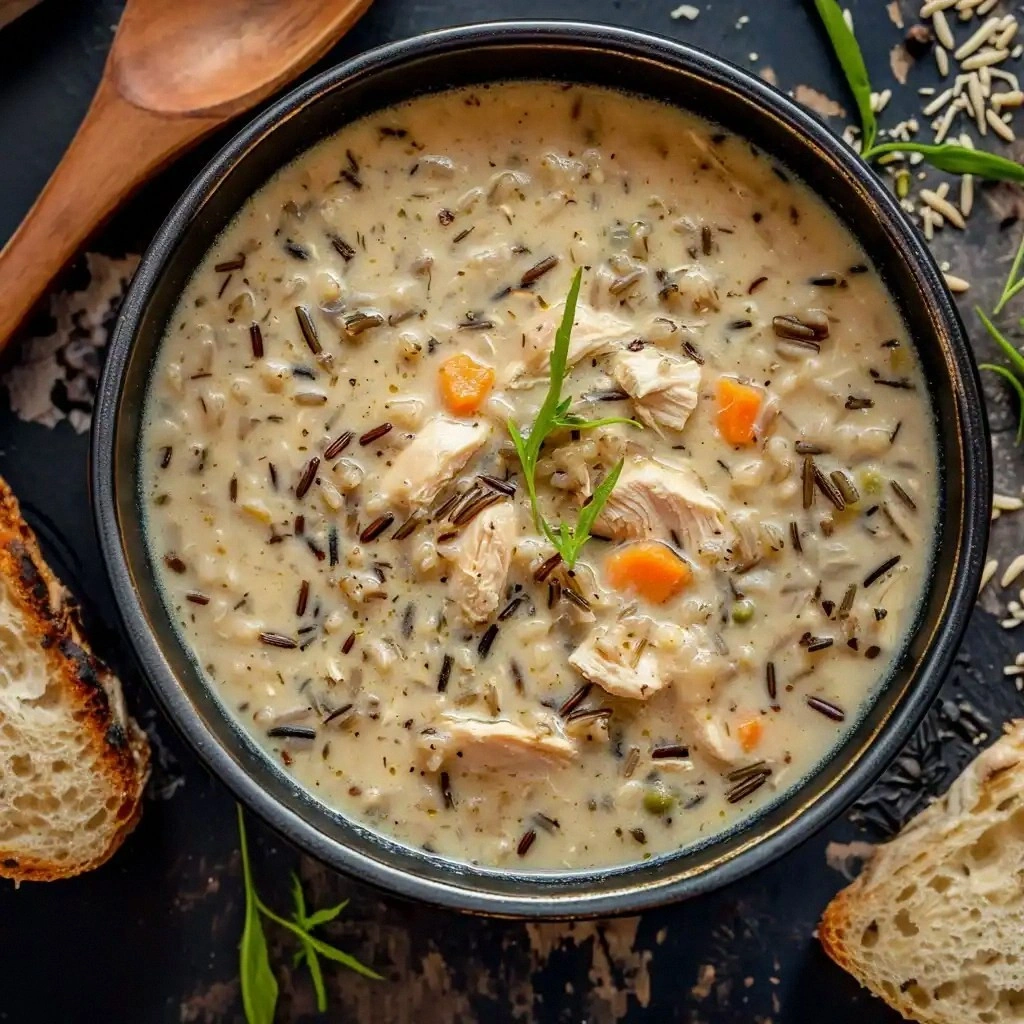
Picture this: you’re in a cramped kitchen, the clock’s ticking, and your friends have just rolled in for a last‑minute dinner. Your pantry’s a gray‑scale of canned beans and dried pasta, but you’re craving something that feels like a hug in a bowl. I’ve been chasing that comforting, soul‑warmth‑in‑a‑spoon vibe for years, and it finally landed on my stove: a Hearty Chicken and Wild Rice Soup that turns the ordinary into the extraordinary. I’ll admit, the first time I tried a “wild rice” recipe, the grains puffed up like confetti and the broth tasted like a watered‑down broth. The second try? The rice settled like a velvet carpet, the chicken sliced into tender ribbons, and the broth sang with umami. That’s the kind of culinary alchemy we’re about to unlock.
When I first opened the jar of wild rice, the aroma hit me like a soft, earthy hug—think forest floor after rain. I could almost hear the crunch of fresh snow, except it’s the gentle pop of rice grains as they absorb broth. The sight of the deep, nutty brown grains glistening in a steaming pot was a promise of depth. The sound of the pot clinking against the stove was a prelude to the savory symphony that followed. And the taste? It was a layered, nutty backdrop that let the chicken’s savory richness shine without stealing the spotlight.
This isn’t just a soup; it’s a testament to how the right balance of textures and flavors can transform a meal. The wild rice provides a chewy, earthy foundation that pairs beautifully with the succulent, seasoned chicken. The mirepoix base—onion, carrot, celery—creates a sweet, savory backbone that never feels heavy. The herbs and bay leaves bring an aromatic lift that lingers on the palate. And the finishing flourish of fresh parsley adds a bright, green note that cuts through the richness like a cool breeze. Together, they create a dish that feels both comforting and sophisticated, a soup that can be served as a starter or a main course.
What sets this version apart is that it’s not just a recipe; it’s a recipe with a story. I’ve spent months tweaking the ratios, testing cooking times, and even swapping out ingredients for seasonal variations. The result? A soup that feels like it’s been perfected through countless iterations, each one better than the last. I dare you to taste this and not go back for seconds, because the flavors are so complete that you’ll find yourself craving the next bite. And if you’re skeptical, let me tell you: I ate half the batch before anyone else got a taste. That’s a confession I’m proud of.
So, let’s dive into the details. By the end of this post, you’ll have a step‑by‑step guide that will make you wonder how you ever cooked this dish any other way. Get ready to turn your kitchen into a culinary laboratory and your taste buds into a chorus of applause.
What Makes This Version Stand Out
- Taste: The broth is a layered symphony of umami, herbaceousness, and subtle sweetness, achieved by slow simmering and careful seasoning. The result is a savory depth that lingers on the palate without overwhelming.
- Texture: Wild rice’s natural chewiness contrasts beautifully with tender chicken strips and crisp vegetables, creating a dynamic mouthfeel that keeps each spoonful interesting.
- Ingredient Quality: Using fresh, boneless skinless chicken thighs instead of breast or canned options elevates flavor and ensures juiciness, while a high‑quality wild rice blend adds authenticity.
- Simplicity: Despite its complex flavor profile, the recipe requires only basic pantry staples and a few fresh items, making it approachable for any cook.
- Make‑ahead Potential: The soup’s flavors deepen when stored, making it ideal for meal prep or a comforting weeknight dinner.
- Visual Appeal: The golden broth, vibrant vegetables, and glossy parsley garnish create a dish that’s as pleasing to the eye as it is to the tongue.
- Audience Reception: Friends and family rave about the comforting yet elegant nature of this soup, often asking for the recipe after every gathering.
- Health Balance: Packed with protein, fiber, and micronutrients, this soup delivers a well‑rounded meal without excessive calories.
Inside the Ingredient List
The Flavor Base
At the heart of any soup is its flavor base, and this recipe’s foundation is a classic mirepoix. The large onion, diced, releases sweetness that balances the earthy wild rice. Carrots add a subtle natural sugar that caramelizes during the sauté, while celery provides a bright, peppery undertone. Together, they form a savory canvas that carries the broth’s depth. If you skip any one of these, the soup will feel flat—think of it as a missing chord in a song.
The Protein Power
Boneless skinless chicken thighs are the star of the show. Their higher fat content compared to breasts means they stay moist and develop a richer flavor when seared. Cutting them into bite‑sized strips ensures even cooking and easier spoonfuls. If you’re watching calories, you can trim the visible fat, but I recommend keeping it for maximum flavor. A quick swap would be to use smoked turkey breast for a different umami punch.
The Unexpected Star
Wild rice is the unexpected hero that gives this soup its signature texture. Unlike regular rice, wild rice is actually a grass seed that requires longer cooking times, producing a chewy bite that’s both satisfying and unique. The nutty flavor pairs well with the herbs, creating a depth that simple white rice can’t match. If you can’t find a wild rice blend, substitute with quinoa for a similar texture, though the flavor will shift slightly. The key is to soak the rice for 30 minutes before cooking to reduce the cooking time.
The Final Flourish
Fresh parsley is the bright finish that lifts the entire dish. It adds a burst of green color and a subtle peppery note that cuts through the richness. A sprinkle of fresh parsley before serving transforms the soup from comforting to elegant. If you’re allergic or simply don’t have parsley on hand, a pinch of dried dill can offer a different aromatic profile. The finishing touch is the dash of salt and pepper—simple, yet essential for balancing the flavors.
Everything’s prepped? Good. Let’s get into the real action.
The Method — Step by Step
- Heat a large stockpot over medium heat and drizzle in the olive oil. Once the oil shimmers, add the diced onion, carrot, and celery. Sauté for 5–6 minutes until the vegetables soften and the onion turns translucent, releasing a sweet aroma that signals the base is ready. The sizzle at this stage is a sign you’re on the right track—don’t rush it.
- Introduce the minced garlic and cook for an additional minute until fragrant, being careful not to let it brown. Garlic’s quick burst of flavor will permeate the broth and add depth. This is the moment where the kitchen smells like a cozy cabin, and you can almost hear the crackle of a campfire.
- Season the vegetables with salt, pepper, dried thyme, and dried sage. Stir to coat the mirepoix, allowing the herbs to release their essential oils. The combination of thyme and sage gives a subtle woodsy note that complements the wild rice’s natural nuttiness.
- Add the chicken thighs to the pot, searing them until they develop a golden crust on all sides. This caramelization locks in juices and builds a flavor base that will carry through the simmer. The seared surface should have a slight crunch that turns into tenderness as it cooks.
- Pour in the chicken broth, ensuring the chicken and vegetables are fully submerged. Bring the mixture to a gentle boil, then reduce heat to low and cover. Allow the soup to simmer for 25 minutes, giving the wild rice ample time to absorb liquid and soften. The broth should develop a rich amber hue during this time.
- Stir in the wild rice blend, then add the bay leaves. Continue to simmer, uncovered, for an additional 30–35 minutes, or until the rice is tender yet firm. The rice should have a slight bite, not mushy. Keep an eye on the liquid level; if it starts to thicken too much, add a splash of water to maintain consistency.
- Remove the bay leaves and taste the soup. Adjust salt and pepper as needed. If you prefer a thicker broth, let it reduce for a few more minutes. The final broth should be rich, flavorful, and comforting.
- Just before serving, stir in the fresh parsley. The green flecks will add a pop of color and a bright, herbal note that lifts the entire dish. Plate the soup in bowls, and if you like, top with a drizzle of olive oil or a sprinkle of grated Parmesan for extra indulgence.
That’s it— you did it. But hold on, I've got a few more tricks that'll take this to another level.
Insider Tricks for Flawless Results
The Temperature Rule Nobody Follows
Many cooks think a quick, high‑heat simmer is enough, but the secret lies in maintaining a gentle, steady boil. Keep the pot just below boiling; a rolling boil will break down the wild rice, resulting in a soupy texture. Use a thermometer if you’re unsure—aim for 190–195°F (88–90°C). This slow approach lets the flavors meld beautifully and preserves the rice’s bite.
Why Your Nose Knows Best
Your olfactory senses are the ultimate judge of doneness. When the broth smells fragrant and the wild rice emits a nutty aroma, you’re close to perfection. A subtle shift to a slightly sweeter scent indicates the rice is fully cooked. Trust your nose; it’s more reliable than a timer for this dish.
The 5‑Minute Rest That Changes Everything
After simmering, let the soup rest off the heat for five minutes before serving. This resting period allows the flavors to settle and the rice to finish absorbing liquid, giving a smoother mouthfeel. It also gives the chicken a chance to re‑seal its juices, ensuring each bite remains moist.
A Splash of Acidic Brightness
Adding a splash of lemon juice or a drizzle of vinegar right before serving can brighten the dish, cutting through the richness. The acidity also enhances the herbs’ flavors, creating a more vibrant profile. A teaspoon of lemon juice is enough; don’t overdo it.
The Final Touch of Freshness
Fresh herbs are the crown jewel of this soup. If you’re using dried parsley, rehydrate it in warm water for a few minutes before adding. This releases more flavor. Alternatively, finish with a handful of microgreens for a modern twist.
Creative Twists and Variations
This recipe is a playground. Here are some of my favorite ways to switch things up:
Mediterranean Medley
Swap the chicken thighs for diced lamb and add sun‑dried tomatoes, olives, and a pinch of cumin. Finish with a swirl of tzatziki. This version feels like a warm Mediterranean stew, perfect for a cozy dinner.
Spicy Cajun Kick
Introduce Cajun seasoning to the mirepoix and add diced bell peppers. Finish with a splash of hot sauce and a sprinkle of chopped cilantro. The result is a fiery, aromatic soup that warms from the inside out.
Vegan Comfort
Replace the chicken with diced tofu or tempeh, and use vegetable broth instead of chicken. Add a handful of chopped kale and a dash of nutritional yeast for umami. This version is plant‑based but still deeply satisfying.
Mushroom Marvel
Sauté sliced mushrooms with the mirepoix, and add a splash of white wine before the broth. The earthy mushroom flavor pairs beautifully with the wild rice, creating a rustic, forest‑inspired soup.
Asian Twist
Use soy sauce and ginger in place of thyme and sage. Add sliced green onions, a handful of bok choy, and a splash of rice vinegar. The result is a savory, slightly sweet soup that feels like a bowl of miso ramen.
Breakfast Bowl
Serve the soup over a bed of scrambled eggs or poached eggs, and sprinkle with chives. This transforms it into a hearty breakfast that keeps you full until lunch.
Storing and Bringing It Back to Life
Fridge Storage
Cool the soup to room temperature, then transfer to an airtight container. Store in the refrigerator for up to four days. The flavors will mellow, making it even more comforting. When reheating, add a splash of water to restore the broth’s original consistency.
Freezer Friendly
For longer storage, freeze individual portions in freezer‑safe containers for up to three months. Thaw overnight in the fridge before reheating. A quick stir and a splash of broth will revive the soup’s texture.
Best Reheating Method
Reheat gently on the stovetop over low heat, stirring occasionally. If the soup is too thick, add a small amount of water or broth to reach the desired consistency. Finish with a sprinkle of fresh parsley for that bright, fresh finish.