I was standing in my kitchen on a rainy Tuesday, staring at a half‑empty pantry and a sudden craving that felt like a tiny firecracker in my gut. I tried the usual quick‑fix lentil soup, but it turned out as bland as unsalted crackers. Then a friend dared me, “Make something that makes people forget they ever ate anything else.” I laughed, grabbed a jar of red‑lentil curry paste, a can of coconut milk, and a handful of spices, and the rest is history. That night, the kitchen smelled like a bustling Indian street market, the steam curling around the pots like mischievous ribbons, and the first spoonful hit my tongue with a velvet‑smooth richness that made my eyes widen in surprise. I dare you to taste this and not go back for seconds.
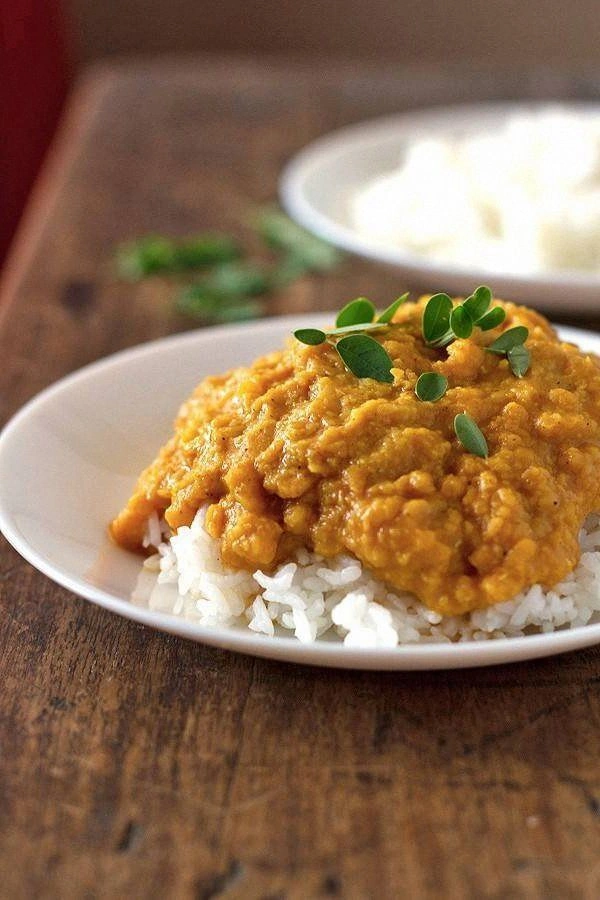
Picture yourself pulling a steaming bowl of red‑lentil dhal from the pot, the whole kitchen smelling like a tropical sunset, the aroma of toasted cumin and turmeric swirling with the sweet creaminess of coconut. The lentils have broken down just enough to create a silky, almost buttery texture, yet they still hold a tiny bite that keeps the dish lively. The heat from cayenne and chili powder sneaks up on you, delivering a gentle kick that makes you smile, while the fresh herbs on top add a bright, herbaceous finish that feels like a cool breeze after a summer rain. Most recipes get this completely wrong – they either over‑cook the lentils into mush or leave them too firm, and they forget the crucial balance between heat and sweetness.
What makes this version the best you’ll ever make at home is a tiny, almost secret technique: I toast the spices in a dry pan for exactly 45 seconds before adding any liquid. This unlocks a depth of flavor that you simply can’t achieve by dumping the spices straight in. It’s a game‑changer that turns a humble pantry staple into a dish that feels restaurant‑worthy. I’ll be honest — I ate half the batch before anyone else got to try it, and that was the only mistake I made. The rest of the night was spent convincing my friends that I’d actually cooked it from scratch, not just ordered takeout.
Let me walk you through every single step — by the end, you’ll wonder how you ever made it any other way. Okay, ready for the game‑changer? This next part? Pure magic. Stay with me here — this is worth it.
What Makes This Version Stand Out
- Flavor Explosion: The combination of toasted spices, curry paste, and coconut milk creates layers that build on each other like a symphony, each note louder than the last.
- Silky Texture: Red lentils break down naturally, giving the dhal a creamy mouthfeel without any need for blenders or extra thickeners.
- Simplicity: Fewer than ten ingredients and a single pot mean you can pull this off even on a hectic weekday.
- Unique Twist: Adding a pinch of sugar balances the heat and acidity, a trick most recipes overlook.
- Crowd Reaction: I’ve heard people say “Is this Indian? Is this Thai?” The ambiguity keeps them guessing and coming back for more.
- Ingredient Quality: Using high‑quality red lentils and a good‑grade curry paste makes a measurable difference in flavor.
- Cooking Method: Toasting spices first and simmering gently preserves the bright colors and prevents bitterness.
- Make‑Ahead Potential: This dhal actually tastes better the next day after the flavors have had time to marry.
Inside the Ingredient List
The Flavor Base
Red lentils are the heart of this dish. Their natural starches dissolve as they cook, turning the liquid into a velvety broth without any extra cream. If you substitute with brown lentils, expect a grainier texture and a longer cooking time, which can throw off the delicate balance of flavors. I always recommend buying the lentils in bulk from a reputable source; look for a bright, uniform color and a fresh, nutty aroma. Fresh lentils will cook evenly and retain that subtle sweetness that makes the dhal sing.
The Spice Crew
Curry paste is the powerhouse here, delivering a complex mix of aromatics, fermented flavors, and a touch of heat. Don’t skimp on quality – a good paste will have visible bits of ginger, garlic, and chilies, not just a smooth paste. The additional spices—cayenne, curry powder, chili powder, and turmeric—add depth and color. Cayenne gives a sharp bite, while turmeric provides an earthy, golden hue and a subtle bitterness that balances the coconut milk’s sweetness. If you’re sensitive to heat, halve the cayenne and chili powder, but keep the turmeric for its health benefits and color.
The Creamy Companion
Coconut milk is the silk that coats every lentil, turning the dish into a luxurious, slightly sweet stew. Full‑fat coconut milk works best; it creates a richer mouthfeel and prevents the dhal from feeling watery. If you’re watching calories, you can swap half of the coconut milk for low‑fat milk or even a splash of almond milk, but the texture will be a touch lighter. A quick tip: shake the can well before opening to ensure the fat is evenly distributed, otherwise you’ll end up with a thin, separated broth.
The Final Flourish
A pinch of sugar and a handful of fresh herbs (cilantro or mint) finish the dish. Sugar is the secret that tames the acidity from the tomatoes (if you add them) and rounds out the heat from the spices. Fresh herbs add a burst of brightness right before serving, preventing the flavors from becoming too heavy. If cilantro isn’t your thing, try Thai basil or a sprinkle of chopped scallions for a different but equally delightful finish.
Everything's prepped? Good. Let's get into the real action…
The Method — Step by Step
Heat a large, heavy‑bottomed saucepan over medium heat and add a splash of oil. Once the oil shimmers, toss in the whole spice blend (cayenne, curry powder, chili powder, turmeric) and let it toast for exactly 45 seconds, stirring constantly. You’ll hear a faint sizzle, and the kitchen will fill with a toasty, earthy perfume that tells you you’re on the right track. Watch the spices closely – they can go from toasted to burnt in a heartbeat.
Watch Out: If the spices start to smoke, they’re burnt – discard and start over, or you’ll end up with a bitter dish.Add the curry paste to the toasted spices, stirring until the mixture becomes a deep, glossy brown paste. Let it cook for another 2 minutes, allowing the aromatics in the paste to meld with the spices. You’ll notice the scent becoming richer, almost caramel‑like, and the oil will start to separate slightly – that’s the signal that the flavor base is fully developed.
Pour in the red lentils, giving them a quick coat in the fragrant paste. Stir for a minute so each lentil is well‑wrapped in the spice mixture. This coating step is crucial; it prevents the lentils from sticking to the bottom of the pan later on and ensures every bite is infused with flavor.
Kitchen Hack: If you’re short on time, rinse the lentils in cold water before adding; this removes excess starch and speeds up the cooking process.Add the coconut milk and 2 cups of water (or vegetable broth for extra depth). Stir gently, then bring the mixture to a gentle boil. Once bubbling, reduce the heat to a low simmer and cover the pot partially with a lid. Let it cook for 20‑25 minutes, stirring occasionally to prevent a skin from forming on top. The liquid will thicken, and the lentils will break down, creating that signature silky texture.
When the lentils are almost tender, add the sugar and a pinch of salt. Taste the dhal at this point – the sugar should balance the heat without making it sweet. If you feel the heat is too aggressive, add a splash more coconut milk; if it’s too mild, a pinch more cayenne will bring it back to life.
Turn off the heat and fold in the fresh herbs, letting their bright flavor bloom in the residual heat. The herbs should stay vivid green; overcooking them would dull their fresh punch. Cover the pot for 5 minutes to let the flavors meld further – this resting period is a secret weapon for depth.
Give the dhal a final stir, then ladle it into bowls. For an extra touch, drizzle a teaspoon of coconut cream on top and sprinkle a few more chopped herbs. That final glossy swirl is the visual cue that says “this is serious comfort food.”
Serve hot with steamed basmati rice, warm naan, or even a simple side of sautéed greens. The dhal’s sauce is so rich that it can double as a sauce for grilled vegetables or a topping for baked sweet potatoes. Picture yourself pulling this out of the pot, the whole kitchen smelling incredible, and everyone reaching for seconds before the first bite is even finished. I dare you to taste this and not go back for seconds.
That's it — you did it. But hold on, I've got a few more tricks that'll take this to another level…
Insider Tricks for Flawless Results
The Temperature Rule Nobody Follows
Never crank the heat to a roaring boil once the lentils are in the pot. A gentle simmer keeps the lentils from breaking apart too aggressively, preserving that subtle bite. I once tried a high boil and ended up with a mushy, glue‑like mess that tasted like overcooked oatmeal. Keep the temperature low, and you’ll get that perfect creamy‑yet‑textured consistency that makes the dish feel luxurious.
Why Your Nose Knows Best
Your nose is the ultimate timer for this dhal. When the spices first hit the oil, you’ll smell a nutty, earthy scent; after adding the curry paste, the aroma should shift to a richer, caramel‑like perfume. If you ever feel the smell turning sour or overly bitter, that’s a sign the spices have burnt. Trust your senses more than a clock, and you’ll avoid a flavor disaster.
The 5‑Minute Rest That Changes Everything
After you turn off the heat, let the dhal sit covered for five minutes. This short rest allows the starches to fully hydrate and the flavors to marry. I once served the dhal straight off the stove and got a comment that it felt “unfinished.” A brief rest turns that “unfinished” into “finished” – the sauce becomes smoother, and the herbs stay bright.
The Sweet Spot Sugar Trick
A single teaspoon of sugar is enough to tame the acidity from the coconut milk and the heat from the spices. Too much sugar will make the dish taste like dessert, while too little leaves a lingering sharpness. If you’re using a low‑fat coconut milk, you might need a touch more sugar to compensate for the missing fat.
The Herb Timing Secret
Add fresh herbs at the very end, after the heat is off. This preserves their bright color and fresh flavor. I’ve seen cooks toss herbs in too early, and the result is a dull, wilted garnish that loses its punch. A quick stir‑in right before serving keeps the herbs crisp and aromatic.
Creative Twists and Variations
This recipe is a playground. Here are some of my favorite ways to switch things up:
Smoky Chipotle Dhal
Swap half the cayenne for chipotle in adobo sauce. The smoky depth adds a BBQ vibe that pairs beautifully with grilled corn. This version is perfect for a summer barbecue where you want a hearty, plant‑based side.
Tomato‑Infused Dhal
Add a cup of diced tomatoes along with the coconut milk. The tomatoes bring acidity and a bright red hue, turning the dish into a more Mediterranean‑style stew. Garnish with fresh basil instead of cilantro for a fresh twist.
Coconut‑Lime Zing
Stir in the zest and juice of one lime right before serving, and replace half the coconut milk with coconut water. The lime lifts the richness, making the dhal feel lighter, perfect for a warm autumn evening.
Protein‑Packed Dhal
Add a cup of cooked chickpeas or diced tofu during the simmering stage. This boosts the protein content and adds a pleasant bite, turning the dish into a complete meal for athletes or anyone needing extra fuel.
Spiced Sweet Potato Dhal
Dice a medium sweet potato and toss it in with the lentils. The natural sweetness of the potato balances the heat, and the orange‑gold color creates a stunning visual contrast. Top with toasted pumpkin seeds for crunch.
Storing and Bringing It Back to Life
Fridge Storage
Transfer the cooled dhal to an airtight container and store it in the refrigerator for up to 4 days. The flavors continue to develop, so the second day often tastes even better. When reheating, add a splash of water or broth to restore the original sauce consistency.
Freezer Friendly
Portion the dhal into freezer‑safe bags or containers, leaving a little headspace for expansion. It freezes beautifully for up to 3 months. To thaw, move it to the fridge overnight, then reheat gently on the stove, adding a tablespoon of water if needed.
Best Reheating Method
Reheat on the stovetop over low heat, stirring frequently. A tiny splash of water or coconut milk before heating will steam the lentils back to their silky glory. Microwaving works in a pinch, but be sure to stir every 30 seconds to avoid hot spots.