Ever had the urge to whip up something that feels like a hug in a bowl but you only have a single pan and a pantry that’s been on a diet? That moment when your fridge looks like a culinary graveyard, but the fridge door swings open and you find a can of chickpeas, a bag of spinach, and a handful of spices that could make a desert bloom, I knew I was about to create a dish that would rewrite the meaning of “easy.” I was standing there, staring at a pot, feeling the heat of the stove like a promise, and thinking, “Why not make this a one‑pan miracle?” The aroma that began to fill the kitchen was the scent of cumin, the sweet hint of paprika, and a whisper of turmeric that danced together like a secret handshake.
Picture the sizzle as the onions hit the hot pan, releasing a caramelized perfume that makes your mouth water before the first bite even touches your tongue. The sound of garlic turning golden is like a tiny applause, a cue that the flavor engine is firing up. The sight of the spinach wilting into a glossy green cloud feels like a green curtain call. The taste of the chickpeas, once they’re coated in that fragrant spice mix, is a burst of earthy comfort that lingers long after the last spoonful. And the feel of the skillet, warm and inviting, is a gentle reminder that cooking can be as simple as turning a knob.
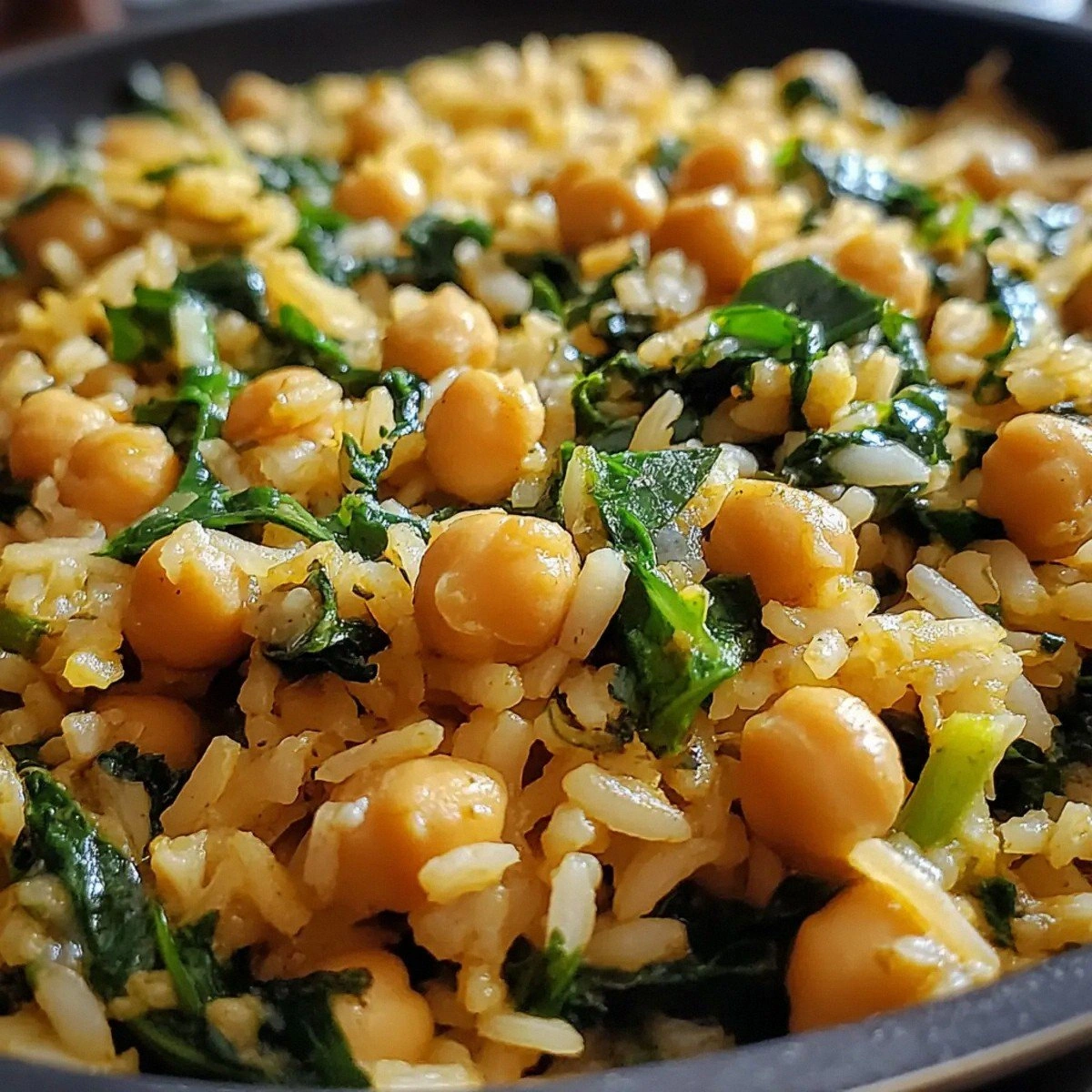
What sets this recipe apart is that it’s not just a mash‑up of ingredients; it’s a symphony where each component plays its own role, yet the final note is a single, harmonious flavor that lingers in your memory. The magic lies in how the chickpeas soak up the spices, how the rice absorbs the broth and the subtle heat, and how the spinach’s delicate bite balances everything. The dish is a testament to the idea that complexity can be achieved with simplicity, and that a single pan can produce a meal that feels like a gourmet experience. I dare you to taste this and not go back for seconds.
Most recipes get this completely wrong by over‑cooking the rice, under‑seasoning the chickpeas, or forgetting that the spinach needs a quick sauté to keep its bright color. Here, we’ll use a precise ratio of broth to rice, a generous pinch of cumin, and a splash of lemon that brightens everything. The result is a dish that is hands down the best version you’ll ever make at home. I’ll be honest — I ate half the batch before anyone else got to try it. But that’s the proof that it’s that good.
Picture yourself pulling this out of the oven, the whole kitchen smelling incredible, and a steaming bowl of rice, chickpeas, and spinach waiting for you. The anticipation is almost as delicious as the dish itself. Stay with me here — this is worth it. By the end of this article, you’ll wonder how you ever made it any other way.
What Makes This Version Stand Out
- Flavor: The blend of cumin, smoked paprika, and turmeric creates a depth that feels both exotic and comforting. The subtle heat from red chili flakes adds a playful kick that wakes up the palate without overpowering.
- Texture: The chickpeas stay pleasantly chewy while the rice remains fluffy, and the spinach adds a fresh, slightly crunchy bite that keeps each mouthful interesting.
- One‑Pan Simplicity: All the cooking happens in a single skillet, saving you time and dishes. The process is streamlined, yet it delivers a complex flavor profile.
- Colorful Presentation: Bright green spinach, golden chickpeas, and a pop of red from the chili flakes create a dish that looks as good as it tastes.
- Make‑Ahead Friendly: The flavors deepen when the dish sits overnight, making it perfect for meal prep or a quick reheated dinner.
- Nutritious Balance: Protein from chickpeas, complex carbs from rice, and vitamins from spinach combine for a wholesome meal that satisfies without the guilt.
- Ingredient Quality: Using fresh spinach and fresh lemon juice elevates the dish beyond canned or pre‑made versions.
- Versatility: Swap the rice for quinoa, add diced tomatoes, or throw in a handful of kale for a different twist without compromising the core flavor.
Alright, let's break down exactly what goes into this masterpiece...
Inside the Ingredient List
The Flavor Base
Onion is the silent hero that brings sweetness and depth to the dish. When sautéed until translucent, it releases natural sugars that caramelize, adding a subtle caramel note that balances the earthiness of chickpeas. If you skip the onion, the dish loses its foundational sweetness, and the spices feel a bit flat. For a smoky twist, try using a small amount of smoked salt during the sauté.
Garlic, the aromatic powerhouse, adds a punch that lingers in the memory. Crushing the cloves before adding them to the pan releases more essential oils, ensuring that every bite has that unmistakable garlicky bite. If you’re not a fan of raw garlic, a quick blanch before sautéing can soften the bite while retaining flavor.
Cumin is the soul of this dish, providing a warm, nutty undertone that feels like a hug from the inside. A pinch of ground cumin in the onion mixture creates a fragrant base that the chickpeas soak up beautifully. If you’re looking for a deeper cumin flavor, toast the cumin seeds in a dry pan before grinding them fresh.
Smoked paprika brings a gentle smokiness that transforms the dish from ordinary to extraordinary. It adds a layer of complexity that makes the dish feel like it’s been slow‑cooked for hours. If you’re allergic to paprika, substitute with a pinch of chipotle powder for a different kind of smokiness.
The Texture Crew
Chickpeas are the protein-packed stars that provide a satisfying bite. They absorb the spices and broth, becoming a creamy, flavorful component that’s both hearty and comforting. If you’re using canned chickpeas, drain and rinse them well; this reduces excess sodium and keeps the texture from becoming mushy.
Long‑grain rice is the base that holds everything together. Its fluffy texture contrasts with the chickpeas’ chewiness and the spinach’s tenderness. A 1:2 ratio of rice to liquid ensures that the rice cooks evenly without becoming sticky. If you prefer a chewier rice, reduce the liquid by a quarter cup.
Fresh spinach brings a pop of color and a subtle, earthy flavor that balances the richness of the chickpeas. Sautéing the spinach briefly keeps its bright green hue and prevents it from becoming limp. If you’re short on time, frozen spinach works too, but be sure to thaw and squeeze out excess water.
The Unexpected Star
Lemon juice is the bright, acidic counterpoint that lifts the entire dish. Its citrusy zing cuts through the richness and adds a refreshing finish. If you don’t have fresh lemons, a splash of vinegar (like apple cider or white wine) can substitute, but it won’t be as vibrant.
Cilantro or parsley adds a fresh, herbaceous note that gives the dish a modern feel. The herbs’ bright green color also adds visual appeal. If you’re not a fan of cilantro’s soapy flavor, parsley offers a milder, more neutral taste.
Red chili flakes introduce a subtle heat that makes the dish exciting without overwhelming the other flavors. They also add a touch of color that makes the dish look appetizing. If you prefer a milder version, simply reduce the amount or omit them entirely.
The Final Flourish
Vegetable broth is the liquid that brings everything together. It infuses the rice with flavor and keeps the chickpeas moist. Opt for a low‑sodium broth to have better control over the dish’s saltiness. If you prefer a richer taste, use a homemade vegetable stock.
Salt and black pepper are essential for balancing flavors. While they’re “to taste,” they’re the final touch that brings harmony. A pinch of salt after cooking allows the spices to shine without masking them.
Everything's prepped? Good. Let's get into the real action...
The Method — Step by Step
- Heat a large, heavy‑bottom skillet over medium heat and drizzle in a tablespoon of olive oil. The oil should shimmer but not smoke. Once the oil is hot, add the diced onion and a pinch of salt. Let the onion sauté until it turns translucent, about 3 to 4 minutes, and watch as its sweet aroma fills the kitchen. This is the moment where the base of your flavor starts to form.
- Add the minced garlic to the pan. Stir constantly to prevent burning. The garlic should turn golden and emit a fragrant aroma within 30 seconds. This quick sauté ensures that the garlic’s sharpness is mellowed into a sweet, buttery note that complements the cumin. Don’t skip this step; it’s the backbone of the dish.
- Introduce the cumin, smoked paprika, and turmeric to the pan. Stir the spices into the onion‑garlic mixture, letting them toast for about 30 seconds. This releases their essential oils and gives the dish a warm, earthy aroma. The spices should coat the onions like a fine, fragrant dusting, creating a base that will carry through the rest of the cooking.
- Pour in the vegetable broth, then add the chickpeas. Stir to combine, ensuring the chickpeas are fully submerged in the broth and spice mixture. Let the mixture come to a gentle simmer. This step allows the chickpeas to absorb the flavors and the broth to start thickening slightly. The liquid should reduce just enough to coat the rice later.
- Add the long‑grain rice to the skillet, stirring to evenly distribute the rice among the chickpeas and broth. Cover the skillet with a lid and reduce the heat to low. Allow the rice to steam for 15 minutes, or until it’s tender and the liquid has been absorbed. This low‑heat method ensures the rice cooks evenly without scorching.
- When the rice is almost done, fold in the fresh spinach. The spinach will wilt quickly, releasing a subtle earthy sweetness. Stir until the spinach is fully incorporated and the mixture turns a vibrant green. This quick sauté preserves the spinach’s bright color and nutrients.
- Remove the lid and let the mixture cook for an additional 5 minutes, stirring occasionally. This allows any remaining liquid to evaporate, creating a slightly caramelized crust at the bottom of the pan. The crust adds a delightful crunch that contrasts with the soft interior.
- Stir in the fresh lemon juice, chopped cilantro, and a pinch of red chili flakes. Taste and adjust the seasoning with salt and pepper. The lemon juice brightens the dish, while the cilantro adds a fresh, herbal note. This final touch transforms the dish from simple to sensational.
That's it — you did it. But hold on, I've got a few more tricks that'll take this to another level...
Insider Tricks for Flawless Results
The Temperature Rule Nobody Follows
Cooking rice at a low, steady simmer is key to preventing it from sticking to the pan. Many cooks jump straight to high heat, which often results in a burnt bottom and unevenly cooked rice. Keep the heat low once you’ve added the rice and broth, and let the grains gently steam for the full 15 minutes. If you’re using a lid, make sure it’s snug but not sealed too tightly, allowing steam to escape and prevent sogginess.
Why Your Nose Knows Best
Before adding the lemon juice, pause and sniff the fragrant steam rising from the pan. If the aroma feels slightly flat, the spices need a bit more time to bloom. A well‑scented dish often translates to a well‑flavored dish. Trust your nose; it’s a reliable guide to seasoning.
The 5-Minute Rest That Changes Everything
Once the skillet is off the heat, let the dish rest covered for five minutes. This resting period allows the flavors to meld, the rice to finish steaming, and the chickpeas to absorb any remaining liquid. A short rest also prevents the dish from becoming watery when you serve it.
Don’t Skip the Crust
The slight caramelized crust that forms at the bottom of the pan adds texture and depth. If you’re aiming for a crunchier bite, leave the pan uncovered during the final minute of cooking. This small adjustment can elevate the dish from good to unforgettable.
Balance the Heat
Red chili flakes are optional, but they add a subtle heat that complements the smoky paprika. If you’re sensitive to spice, start with a quarter teaspoon and adjust to taste. Remember, you can always add more, but you can’t take it out once it’s in.
Finish with Fresh Herbs
Adding chopped cilantro or parsley just before serving brings a burst of freshness that brightens the dish. The herbs’ bright green color also makes the dish visually appealing. If you prefer a milder herb, mint or basil can also work well.
Creative Twists and Variations
This recipe is a playground. Here are some of my favorite ways to switch things up:
Quinoa Upgrade
Swap the long‑grain rice for quinoa for a protein boost and a nutty flavor. The cooking time is similar, so just reduce the liquid slightly to account for quinoa’s higher water absorption. The result is a hearty, gluten‑free version that’s still easy to make.
Tomato Kick
Add a cup of diced tomatoes or a splash of tomato sauce during the sauté stage. The acidity of the tomatoes cuts through the richness of the chickpeas and adds a juicy burst. This variation feels like a summer dish, even in winter.
Spicy Peanut Butter
Stir in a tablespoon of creamy peanut butter at the end for an unexpected nutty depth. The peanut butter coats the chickpeas, adding a silky texture that pairs wonderfully with the lemon. It’s a fusion twist that will surprise your taste buds.
Cauliflower Rice
Replace rice with cauliflower rice for a low‑carb version. The cauliflower will absorb the broth and spices just as well, giving you a lighter dish without sacrificing flavor. This is perfect for a keto or paleo dinner.
Southwest Style
Throw in a handful of corn kernels and a dash of cumin‑spiced lime juice. The corn adds a sweet crunch, and the lime brings a zesty brightness. This version feels like a backyard grill, but without the heat.
Vegan Creaminess
Finish with a swirl of coconut milk or cashew cream for a creamy, dairy‑free touch. The richness balances the spices and adds a velvety mouthfeel. It’s a comforting twist that feels indulgent without the guilt.
Storing and Bringing It Back to Life
Fridge Storage
Let the dish cool completely before transferring it to an airtight container. Store in the refrigerator for up to four days. The flavors will deepen over time, making it even more delicious for a quick lunch or dinner.
Freezer Friendly
Cool the dish thoroughly, then portion into freezer‑safe containers. Freeze for up to two months. When ready to eat, thaw overnight in the fridge or reheat directly from the freezer in a covered skillet.
Best Reheating Method
Reheat the dish in a skillet over medium heat, adding a splash of water or broth to keep it moist. Stir frequently until heated through. This method preserves the texture and prevents the dish from drying out.