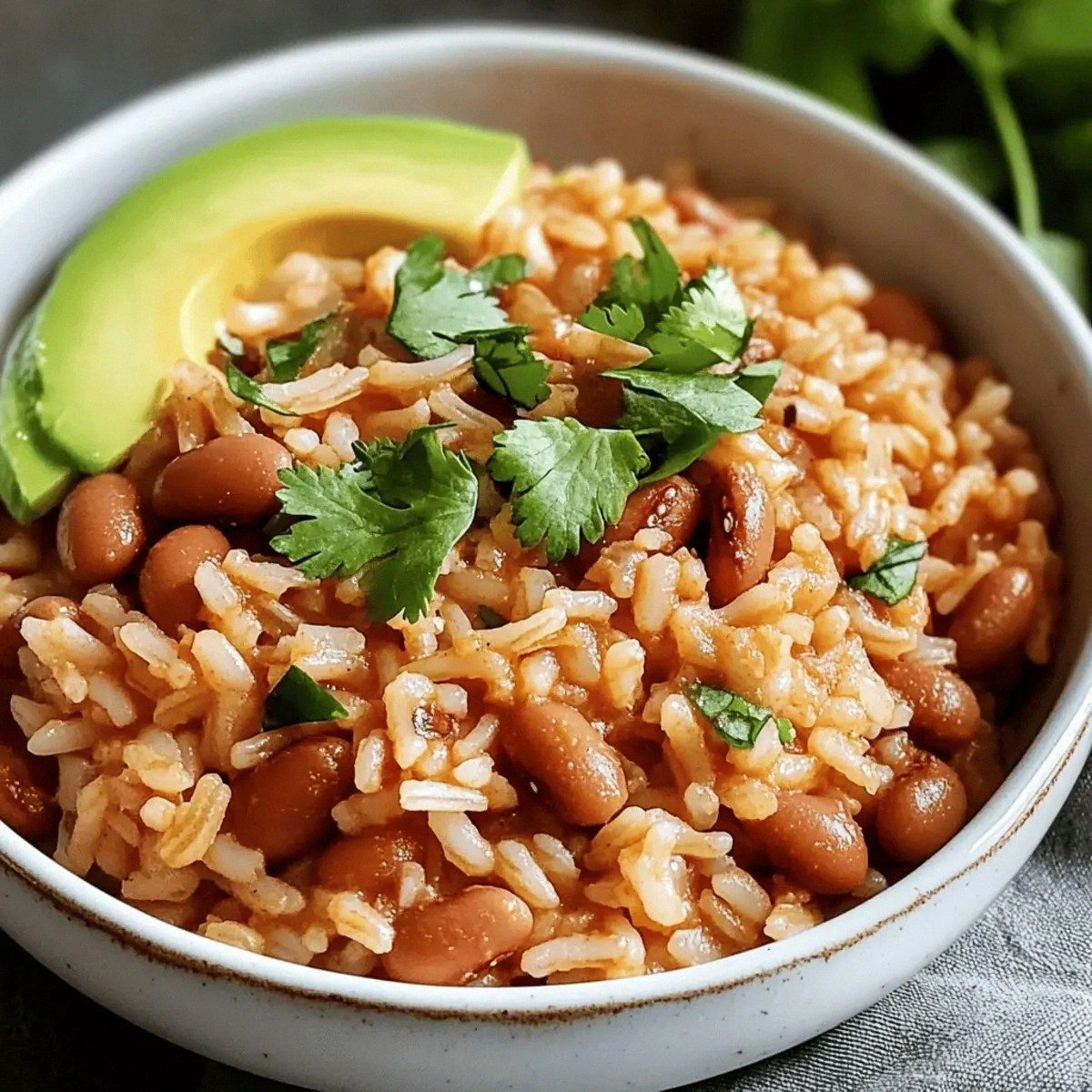
Picture this: a rainy Tuesday, the kind that makes you want to crawl under a blanket and order pizza, but you’re too stubborn to admit you’re craving something that actually fills the soul. I was standing over a pot of bland rice that tasted like watered‑down cardboard, while a can of pinto beans sat untouched, judging my culinary indecisiveness. I dared a friend to a “comfort showdown” and lost – because I was about to discover the ultimate version of rice and beans that would make even the most skeptical palate sing. This was the moment I realized that a simple pantry staple could be transformed into a dish so comforting, it feels like a warm hug from your favorite aunt.
First, let’s set the scene: the kitchen filled with the aromatic perfume of sizzling garlic and onions, the gentle hiss of olive oil as it embraces the pan, and the faint, smoky whisper of cumin and paprika dancing in the air. You’ll hear the rhythmic clatter of a wooden spoon against the pot, feel the heat radiating from the stove, and see the bright, rainbow‑colored bell peppers and zucchini turning a gorgeous golden‑tan as they caramelize. When the beans finally join the party, the whole pot erupts in a chorus of soft bubbles, each one a tiny promise of flavor. And the moment you stir in the lime juice? It’s a bright spark that cuts through the richness like a sunrise after a night of fog.
What makes this version stand out isn’t just the ingredients; it’s the method, the timing, and the little tricks that turn a humble side dish into the star of the dinner table. Most recipes get the balance wrong, either drowning the rice in broth or leaving the beans dry and sad. I’ve cracked the code by toasting the spices first, deglazing with tomato puree, and letting the rice finish cooking in the same pot that cradles the beans – a one‑pot wonder that saves time, dishes, and maximizes flavor integration. And yes, I’m going to tell you about the secret addition of chipotle that adds a whisper of heat without overwhelming the comforting base.
Let me walk you through every single step — by the end, you’ll wonder how you ever made it any other way. I dare you to taste this and not go back for seconds. Ready? Okay, ready for the game‑changer?
What Makes This Version Stand Out
- Flavor Depth: By toasting the spices before adding any liquid, you unlock a caramelized, smoky backbone that makes each bite sing. The chipotle adds a subtle heat that lingers just long enough to keep you reaching for more.
- Texture Harmony: The rice stays fluffy and separate, never mushy, while the beans retain their creamy bite. The diced zucchini and bell peppers add a slight crunch that contrasts beautifully with the soft grains.
- Simplicity Meets Sophistication: Only pantry staples and a handful of fresh veggies are needed, yet the dish feels restaurant‑worthy. No fancy equipment, just a sturdy pot and a wooden spoon.
- Ingredient Quality: Using long‑grain white rice ensures each grain stays distinct, while a good quality pinto bean (canned in water, no added salt) keeps the flavor pure.
- Crowd Reaction: This dish has been known to turn skeptics into believers; the first spoonful often triggers an involuntary “mmm” that spreads around the table like wildfire.
- Make‑Ahead Magic: Because everything cooks together, you can prep it ahead of time, reheat gently, and it still tastes as fresh as the moment it left the stove.
- Versatility: Whether you serve it as a side, a main, or a base for a protein, it adapts effortlessly. Add grilled chicken, top with avocado, or keep it vegan – the possibilities are endless.
- Budget‑Friendly: All ingredients are inexpensive, making this a perfect comfort meal for students, families, or anyone watching their grocery bill.
Inside the Ingredient List
The Flavor Base
Garlic (3 cloves) – Garlic is the aromatic anchor; it infuses the oil with a sweet, pungent note that forms the foundation of the dish. If you skip it, the whole profile feels flat, like a song missing its bass line. For a milder version, smash the cloves and remove them after sautéing.
Onion (1 medium) – The onion adds a natural sweetness that balances the smoky spices. When it turns translucent, you’ll know the flavor base is ready to embrace the beans. If you’re low on onions, shallots work a charm, offering a slightly sharper edge.
Olive Oil (2 tablespoons) – A good extra‑virgin olive oil carries the flavors and adds a silky mouthfeel. Using a neutral oil can dull the taste, while butter would make the dish too heavy for a comfort meal.
The Texture Crew
Long‑Grain White Rice (1 cup) – This rice stays separate after cooking, giving each spoonful a distinct bite. If you use short‑grain rice, you’ll end up with a mushy, porridge‑like texture that defeats the purpose of a comforting side. Look for rice that’s labeled “long‑grain” and rinse it briefly to remove excess starch.
Pinto Beans (1 can, 15 oz) – Canned beans are a time‑saver, but draining and rinsing them removes the briny packing liquid that could otherwise overpower the dish. If you prefer a firmer bean, simmer them for a few minutes before adding to the pot.
Diced Bell Peppers (1 cup) – The peppers bring a sweet crunch and a splash of color that makes the dish visually inviting. Red peppers are sweeter, while green add a slight bitterness; mix and match for depth.
Zucchini (1 medium) – Zucchini adds moisture and a subtle earthiness without making the dish soggy. Grate it if you want it to melt into the rice, or dice it for a firmer bite.
The Unexpected Star
Concentrated Tomato Puree (2 tablespoons) – This is the secret weapon that adds umami richness and a velvety body. It also helps deglaze the pan, lifting the browned bits (fond) that are pure flavor gold. If you lack puree, a splash of tomato sauce works, but expect a thinner consistency.
Lime Juice (2 tablespoons) – The acidity brightens the entire dish, cutting through the richness of the beans and oil. Add it at the end to preserve its fresh zing; cooking it away would mute its impact.
The Final Flourish
Smokey Chili Powder (1 teaspoon), Dried Mediterranean Oregano (1 tsp), Ground Cumin (1 tsp), Smoked Paprika (1 tsp) – This quartet of spices creates a layered heat that’s smoky, earthy, and slightly floral. Each spice contributes a distinct note; omit any and you’ll notice a gap in the flavor symphony.
Coarse Sea Salt (1 teaspoon) – Salt amplifies every other flavor. Use a coarse sea salt for a subtle crunch and a more nuanced taste compared to table salt.
Chipotle (1 to taste) – This is the optional heat element. If you love a gentle smoky kick, crumble a small chipotle pepper; for more fire, add a little of the adobo sauce. Remember, a little goes a long way.
Everything's prepped? Good. Let's get into the real action…
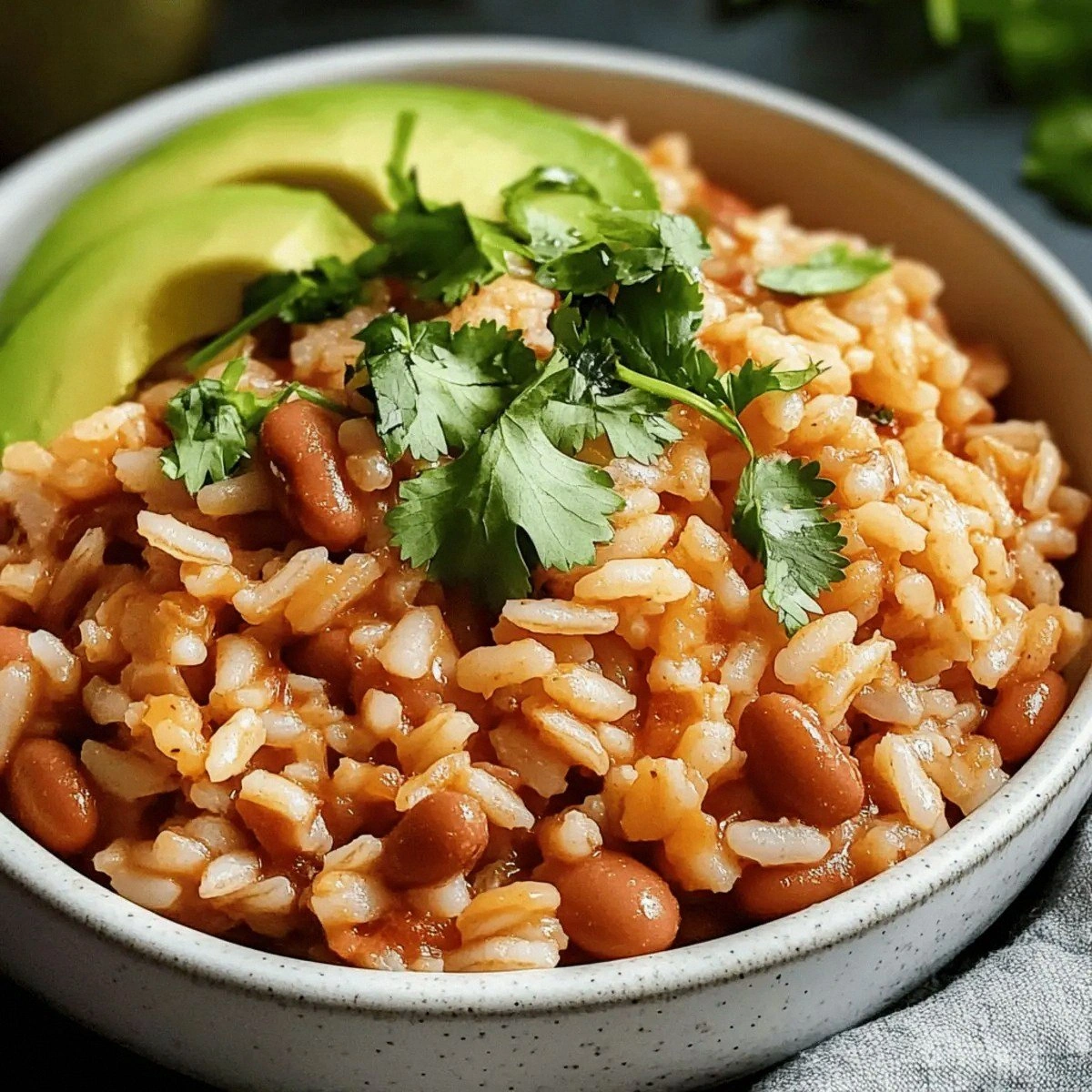
The Method — Step by Step
Heat the olive oil in a heavy‑bottomed pot over medium heat. When the oil shimmers, add the minced garlic and diced onion. Stir continuously for about 2‑3 minutes until the onion becomes translucent and you can hear a soft sizzle that tells you the aromatics are waking up. This is the moment of truth: if the garlic starts to brown too quickly, lower the heat – you want it fragrant, not burnt.
Kitchen Hack: Use a splash of water to deglaze the pan if the aromatics start to stick; it releases the fond without adding extra oil.Now sprinkle in the smoky chili powder, dried oregano, ground cumin, and smoked paprika. Let the spices toast for 30 seconds, stirring constantly. You’ll notice a fragrant plume rising – that’s the spice oils blooming, turning the pot into a mini perfume lab. Keep your eyes on the color; once the spices darken slightly, they’re ready.
Stir in the concentrated tomato puree, scraping the bottom of the pot to lift any caramelized bits. The mixture should turn a deep, ruby‑red color and the aroma will shift to a richer, almost meaty scent. Let it simmer for another minute, allowing the acidity to mellow and blend with the spices.
Add the diced bell peppers and zucchini now. Cook for 3‑4 minutes, letting the vegetables soften but retain a slight crunch. You’ll hear a gentle crackle as the water from the veggies hits the hot pan – a sign they’re absorbing the flavor base.
Watch Out: Over‑cooking the zucchini will turn it mushy and dilute the broth; keep the cooking time short.Drain and rinse the pinto beans, then add them to the pot. Stir gently to coat the beans with the spice‑vegetable mixture. At this point, the beans should look glossy, and the pot will start to bubble gently – that’s the broth forming.
Pour in the vegetable broth and bring the whole concoction to a gentle boil. Once boiling, add the rice, spreading it evenly across the surface. Do not stir after this point; let the rice absorb the liquid undisturbed for about 5 minutes. This “no‑stir” rule ensures each grain stays separate and fluffy.
Reduce the heat to low, cover the pot tightly, and let it simmer for 15‑18 minutes. You’ll hear a faint hiss as the steam escapes – that’s the rice cooking through. Resist the temptation to peek; every time you lift the lid, you lose precious steam and risk uneven cooking.
After the rice has absorbed all the liquid, turn off the heat and let the pot sit, still covered, for 5 minutes. This resting period lets the grains firm up and the flavors meld, creating a cohesive bite. While it rests, drizzle the lime juice over the top and give the pot a gentle fluff with a fork, lifting the rice to reveal the beans nestled within.
Finally, crumble your chipotle (or add a spoonful of adobo sauce) and give a final toss. Taste and adjust the coarse sea salt if needed. The dish should taste bright, smoky, and comforting all at once – a perfect balance that makes you want to scoop seconds before the plate even hits the table.
Kitchen Hack: For an extra layer of depth, finish with a drizzle of high‑quality extra‑virgin olive oil just before serving.
That's it — you did it. But hold on, I've got a few more tricks that'll take this to another level…
Insider Tricks for Flawless Results
The Temperature Rule Nobody Follows
Never start with high heat. Begin medium, then drop to low once the liquid is added. This prevents the rice from scorching on the bottom while the top remains undercooked. I once tried a “high‑heat blast” and ended up with a burnt crust – not the comforting texture we’re after.
Why Your Nose Knows Best
Trust the scent cues more than the clock. When the spices turn aromatic and the broth smells slightly sweet, you’re ready to add the rice. If the pot still smells raw, give the spices another 30 seconds – your nose is a more reliable timer than any kitchen gadget.
The 5‑Minute Rest That Changes Everything
Allowing the dish to rest, covered, after cooking is a secret step most people skip. Those five minutes let the steam redistribute, turning any stubbornly dry grains into fluffy clouds. I once served the dish straight off the stove and got a few complaints about “hard spots” – a quick rest solved that instantly.
Layered Salt Strategy
Season in stages: a pinch with the aromatics, a dash when you add the broth, and a final taste‑check after resting. This layered approach prevents over‑salting and ensures each component is seasoned perfectly. If you add all the salt at once, you risk a one‑dimensional flavor.
Heat‑Control for the Chipotle
Chipotle can dominate if added too early. Sprinkle it in at the very end, after the rest, so its smoky heat stays bright and doesn’t turn bitter. One of my friends added chipotle with the broth and ended up with a dish that tasted like burnt charcoal – a lesson learned the hard way.
Creative Twists and Variations
This recipe is a playground. Here are some of my favorite ways to switch things up:
Southwest Fiesta
Swap the zucchini for corn kernels, add a handful of black beans, and finish with a dollop of guacamole. The sweet corn balances the smoky chipotle, creating a party in your mouth that screams summer.
Mediterranean Spin
Replace the chipotle with a teaspoon of harissa, toss in chopped olives, and garnish with crumbled feta. The briny olives and tangy feta give the dish a sun‑kissed, Mediterranean vibe.
Cheesy Comfort
Stir in a half‑cup of shredded Monterey Jack just before serving. The cheese melts into the warm rice, adding a creamy richness that makes the dish feel like a casserole.
Hearty Harvest
Add diced sweet potatoes and a pinch of sage. The sweet potatoes bring earthy sweetness, while sage adds an autumnal aroma perfect for cooler evenings.
Protein‑Packed Power
Top the finished dish with grilled chicken strips or pan‑seared tofu. The added protein turns this side into a complete meal, perfect for post‑workout refueling.
Spicy Green
Blend a handful of fresh cilantro, jalapeño, and a splash of lime into a quick salsa, then swirl it through the rice before serving. The fresh green salsa lifts the dish with bright, herbaceous heat.
Storing and Bringing It Back to Life
Fridge Storage
Transfer leftovers to an airtight container and refrigerate for up to four days. The rice will firm up a bit, but a quick reheating in a covered pan with a splash of water restores its fluffiness.
Freezer Friendly
Portion the cooked rice and beans into freezer‑safe bags, removing as much air as possible. Freeze for up to three months. When ready, thaw overnight in the fridge, then reheat in a skillet with a drizzle of broth or water.
Best Reheating Method
Place the desired amount in a saucepan, add a tablespoon of water per cup, cover, and heat over low‑medium heat, stirring occasionally. The added moisture creates steam that revives the grains, making them as fresh as the first time.