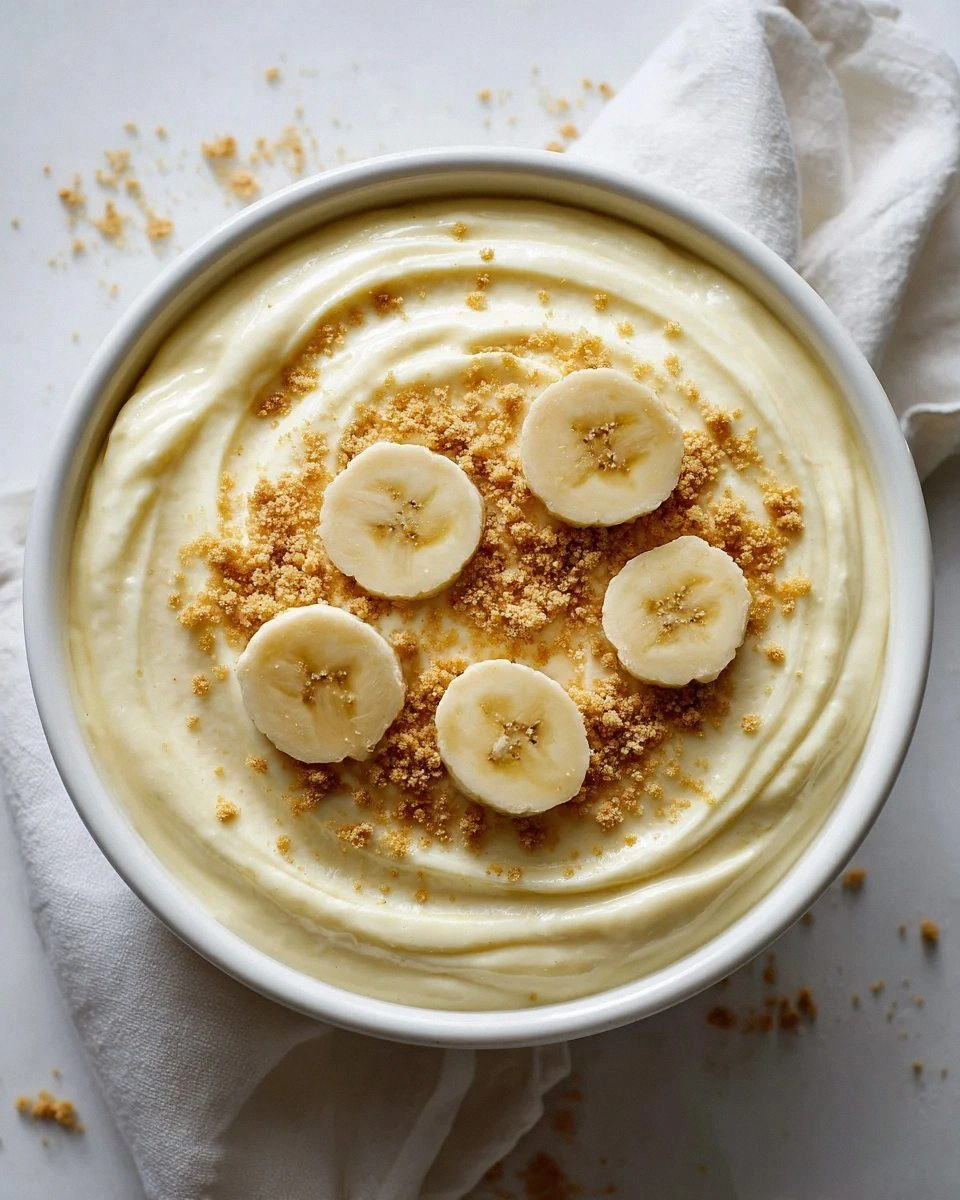
I still remember the day I ruined a perfectly good banana pudding. It was one of those humid Sunday afternoons when the air tasted like sweet tea and my kitchen felt like a sauna. I had followed some snooty chef's recipe that called for a thousand egg yolks, a mountain of heavy cream, and more patience than I possessed. Two hours later, I was left with a gloopy mess that looked like it had already been eaten and returned to the bowl. My guests were due in twenty minutes, my pride was somewhere under the fridge, and all I wanted was something cool, creamy, and banana-forward that wouldn't make me sweat through my shirt.
That's when I spotted the cottage cheese lurking behind the pickle jar. Now, before you recoil like I just suggested putting ketchup on ice cream, hear me out. This wasn't some desperate attempt to salvage a disaster — this was the beginning of a revelation. I dumped that cottage cheese into the blender with a banana, a glug of maple syrup, and a whisper of vanilla. Thirty seconds later, the blades had spun everything into silk. One taste and I actually cursed out loud. It was everything I wanted: rich yet light, sweet but not cloying, banana-forward without that artificial candy flavor. The cottage cheese brought this tangy backbone that made the banana taste more like banana, if that makes sense. My guests devoured it, asked for the recipe, and left with that glazed look people get when they've just discovered their new favorite thing.
Since that sweaty Sunday, I've made this cottage cheese banana pudding at least once a week. I've served it at dinner parties where food snobs proclaimed it "revolutionary," at potlucks where kids licked their cups clean, and at 2 a.m. when I needed something sweet that wouldn't make me hate myself. It takes five minutes, uses ingredients you probably have right now, and delivers all the comfort of traditional banana pudding without the fuss, the heat, or the food coma afterward. Picture yourself pulling this together on a Tuesday night, the blender humming, that banana aroma filling your kitchen like a warm hug. Ten minutes later you're on the couch with a bowl of something that tastes like it took all afternoon.
Let me walk you through every single step — by the end, you'll wonder how you ever made it any other way.
What Makes This Version Stand Out
Before we dive into the nitty-gritty, let's talk about why this particular banana pudding will ruin all other versions for you forever. I know that's a bold claim, but I've watched it happen in real time. Friends who swore by their grandmother's custard-based recipe have converted. People who "don't like cottage cheese" have asked for seconds. It's not magic — it's just better.
- Lightning Fast: Traditional banana pudding demands you stand over a hot stove, whisking custard until your arm cramps. This version requires exactly one appliance and zero patience. You literally throw everything in a blender and hit a button. While the old-school method tests your endurance, this one respects your time.
- Protein Powerhouse: Most desserts are sugar bombs that leave you crashing an hour later. Thanks to the cottage cheese, each serving packs about 15 grams of protein. That means you can have this for breakfast without feeling like you're making excuses. I've done it, I've felt smug about it, and I've stayed full until lunch.
- Texture Perfection: Here's where most recipes get it wrong — they either go too heavy (custard overload) or too light (watery disaster). The cottage cheese creates this mousse-like consistency that coats your spoon like velvet but doesn't sit in your stomach like a brick. It's rich enough to feel indulgent, light enough to keep eating.
- Flavor Complexity: The tang of cottage cheese does something magical to bananas. Instead of that flat, candy-sweet flavor you get from most banana desserts, you get depth. It's like the difference between a grocery store tomato in January and one warm from a summer garden. The banana tastes more like itself.
- Foolproof Formula: No tempering eggs, no worrying about curdled custard, no crossing your fingers that it will set properly. This recipe works every single time, even if you're half-asleep or your toddler is using your leg as a climbing gym. It's dessert for real life, not for Instagram.
- Make-Ahead Champion: Most banana desserts turn brown and sad after a day. This one actually improves overnight as the flavors meld. I make a double batch on Sunday and portion it out for the week. By Friday, it's somehow even better, and I've had breakfast sorted for days.
Alright, let's break down exactly what goes into this masterpiece...
Inside the Ingredient List
Every ingredient here pulls double duty, creating layers of flavor that taste way more complicated than they are. Don't be tempted to swap things out until you've tried it as written — I spent months perfecting these ratios, and each element matters more than you'd think.
The Flavor Base
Cottage cheese is the unlikely hero here, and before you panic about curds, let me explain. When blended, cottage cheese transforms into the silkiest, most luxurious base you can imagine. It brings protein, tang, and body without the heavy feeling of cream cheese or the one-note sweetness of whipped cream. The key is using full-fat cottage cheese — the low-fat stuff has stabilizers that can make your pudding grainy. Look for brands with just milk, cream, and cultures. If you can only find large curd, that's fine — the blender will obliterate them into silk.
The banana you choose matters more than you'd think. You want one that's ripe enough to have brown spots but not so ripe that it's turning to mush. Those brown spots mean the starches have converted to sugars, giving you maximum banana flavor without needing extra sweetener. A banana that's still slightly green will taste chalky and require more maple syrup. One that's all brown will make your pudding taste like banana bread batter — not terrible, but not what we're after.
The Sweetening Squad
Maple syrup brings more than sweetness — it adds these deep, almost smoky notes that make the banana taste more sophisticated. I've tried honey, agave, even brown sugar syrup, but maple creates this rounded sweetness that doesn't spike and crash. Plus, it blends more easily than honey, which can seize up when it hits cold ingredients. Use the real stuff, not the corn syrup imposters. Grade A dark amber has the most flavor, but honestly, whatever you've got works.
Vanilla extract is like the bass player in a band — you don't always notice it's there, but you'd miss it if it disappeared. It bridges the gap between the tangy cottage cheese and the sweet banana, creating this cohesive flavor that's greater than the sum of its parts. Imitation vanilla works in a pinch, but the real stuff brings these floral notes that make people ask "what's in this?" in the best way.
The Unexpected Star
Cinnamon is my secret weapon. Just a whisper — we're talking a gentle dusting across the surface — transforms the entire profile. It doesn't make things taste like cinnamon; it makes the banana taste more like banana and the maple more like maple. It's the culinary equivalent of turning up the contrast on a photo. Too much and you're eating banana bread pudding, but the right amount just makes everything pop.
The Final Flourish
Vanilla cookies aren't mandatory, but they turn this from a healthy snack into a proper dessert. I like the thin, crispy ones that shatter when you bite them — they create textural contrast against the smooth pudding. Nilla Wafers work, but I've become partial to those Belgian butter cookies that come in the tin. The key is adding them right before serving so they stay crisp. If you're prepping ahead, pack them separately and let people crumble their own.
Whipped topping feels retro in the best way, but please, for the love of all that's creamy, skip the canned stuff. A dollop of lightly sweetened whipped cream takes thirty seconds to make and tastes like actual dairy instead of chemicals. Plus, you control the sweetness. I whip cream with just a teaspoon of sugar and a drop of vanilla — it cuts through the richness of the pudding like a cool breeze on a hot day.
Everything's prepped? Good. Let's get into the real action...
The Method — Step by Step
- Start with cold ingredients — I mean refrigerator-cold cottage cheese and a banana that's been chilling for at least an hour. Cold ingredients blend more easily and create that mousse-like texture we're after. If everything's room temperature, you'll need to blend longer, which can make the banana taste oxidized and flat. I keep cottage cheese in the coldest part of my fridge, usually the back lower shelf, because temperature matters more than you'd think.
- Add the cottage cheese to your blender first — this is crucial for even blending. If you add banana first, it can create a bubble that prevents the blades from grabbing everything. I use a high-speed blender, but even a basic one works if you're patient. Let it run for about ten seconds before adding anything else; this creates a vortex that'll pull everything down smoothly. The sound will change from chunky to smooth when it's ready for the next addition.
- Peel your banana and break it into thirds — don't just throw the whole thing in there. Smaller pieces blend more evenly, which means you won't get random banana bits in your final pudding. I break mine directly over the blender so any banana liquor (that sweet liquid that seeps from ripe bananas) goes right in. If your banana is particularly ripe and soft, you can get away with larger pieces, but why risk it?
- Drizzle in the maple syrup while the blender runs on low — this helps it incorporate evenly instead of sinking to the bottom in a sticky puddle. I measure mine into a small pitcher first so I can pour in a slow, steady stream. The mixture will lighten slightly as the syrup emulsifies with the cottage cheese. This is your cue that everything's coming together properly. If you dump it all in at once, you'll get pockets of over-sweetness that throw off the balance.
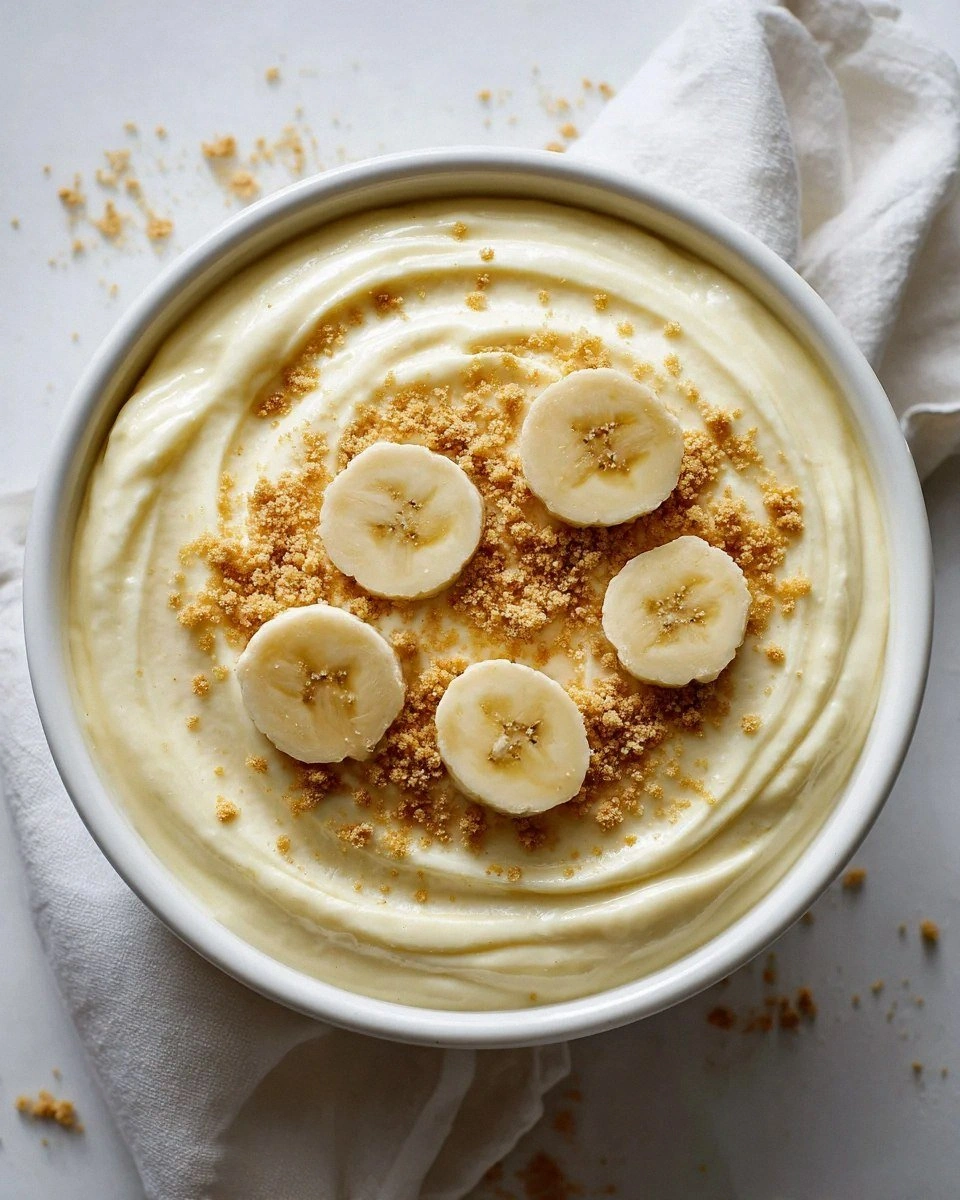
- Add the vanilla extract and that whisper of cinnamon, then crank the blender to high for exactly twenty seconds. Any longer and you'll heat up the mixture, which can make the cottage cheese grainy. You want it just combined and silky smooth. The color should be a pale, creamy yellow with tiny flecks of cinnamon dancing throughout. If it looks gray or separated, your banana wasn't ripe enough or your cottage cheese was too old.
- Taste and adjust — this is where you become the artist. Dip a spoon in and really pay attention. Does it need more maple? More vanilla? Sometimes a particularly tangy cottage cheese needs a touch more sweetness. I keep maple syrup in a squeeze bottle for this exact moment. The pudding should taste like banana first, then you get this creamy, slightly tangy finish that makes you want another bite immediately. If it tastes flat, add a pinch of salt — just a few grains can wake everything up.
- Pour into serving dishes and chill for at least thirty minutes if you can wait that long. The chilling step isn't just about temperature — it allows the flavors to meld and the texture to set properly. If you're serving immediately, add a few ice cubes to the blender for the last five seconds to flash-chill everything. The pudding will thicken slightly as it sits, transforming from pourable to spoonably luxurious. I make mine in small mason jars so everyone gets their own portion and I don't have to share.
- Top right before serving — this is your moment to make it pretty. Add banana slices that haven't browned yet, a crumble of vanilla cookies, maybe a cloud of whipped cream. The contrast between the cool, creamy pudding and the crisp cookies is what takes this from good to unforgettable. If you're prepping ahead, pack toppings separately so everything stays texturally interesting. I set up a little toppings bar and let people customize — turns dinner into an event.
That's it — you did it. But hold on, I've got a few more tricks that'll take this to another level...
Insider Tricks for Flawless Results
After making this pudding more times than I care to admit, I've discovered some nuances that separate the good from the legendary. These aren't in the recipe because they're the kind of things you learn through repetition and mild obsession. But since we're friends now, I'll share my secrets.
The Temperature Rule Nobody Follows
Everything tastes better when it's the right temperature, and this pudding is no exception. Too cold and the flavors mute — you lose that beautiful banana aroma. Too warm and it starts tasting like banana yogurt, which is fine but not what we're after. The sweet spot is about 45°F, which means taking it out of the fridge ten minutes before serving. I know, waiting is hard, but trust me. The banana flavor blooms, the maple becomes more pronounced, and the whole thing tastes like it took way more effort than it did.
Why Your Nose Knows Best
Smell your banana before you commit to it — this sounds weird but it's the fastest way to gauge ripeness. A perfect banana smells like banana candy but not artificial. If you can't smell much, it's not ready. If it smells like banana extract, it's too far gone. I've started keeping bananas in a paper bag with an apple when I need them to ripen faster — the ethylene gas works like a charm. Just check them every few hours because they go from perfect to overripe faster than you'd think.
The 5-Minute Rest That Changes Everything
After blending, let the pudding rest for five minutes before tasting and adjusting. This brief pause allows air bubbles to settle and flavors to meld. What tastes perfectly balanced right out of the blender might need a touch more maple after it sits. I learned this the hard way when I oversweetened a batch because I didn't wait. Now I blend, set a timer for five minutes, and use that time to prep toppings or wash the blender. When I taste again, the flavors have integrated and I can adjust with confidence.
The Container Conundrum
What you store this in matters more than you'd think. Glass containers preserve the flavor better than plastic, which can absorb odors and impart weird tastes. I use small mason jars because they're cute, portion-controlled, and the lids seal tight. Plus, there's something satisfying about opening a fresh jar of pudding — it's like your own personal dessert moment. If you must use plastic, choose containers that haven't held anything strongly flavored like curry or tomato sauce.
The Ripple Effect
Here's a trick that'll make you look like a dessert wizard: create layers. Put half the pudding in your serving dish, add a layer of crushed vanilla cookies, then top with the remaining pudding. The cookies soften slightly but maintain enough texture to create these pockets of crunch throughout. It's like finding treasure in every bite. I started doing this for dinner parties and watched grown adults get excited about pudding again. Sometimes I'll even add a thin layer of sliced bananas between the pudding layers for extra banana impact.
Creative Twists and Variations
This recipe is a playground. Here are some of my favorite ways to switch things up:
The Elvis Presley
Add a tablespoon of peanut butter to the blender and top with crumbled bacon. The peanut butter adds richness that plays beautifully with the banana, while the bacon brings salty crunch that makes this feel like dessert and breakfast had a baby. I use natural peanut butter because the stuff with added sugar gets too sweet. The first time I made this for my dad, he ate three servings and declared it better than his mother's banana pudding — high praise from a man who doesn't give compliments easily.
The Tropical Vacation
Swap the vanilla extract for coconut extract and top with toasted coconut flakes and diced mango. Suddenly you're on a beach somewhere, even if you're eating this at your desk on a Tuesday. The coconut extract is potent, so start with just 1/4 teaspoon. I like to toast the coconut in a dry pan until it's golden and fragrant — it adds this nuttiness that makes the whole thing feel special. Fresh mango on top provides juicy bursts that contrast beautifully with the creamy pudding.
The Chocolate Monkey
Add a tablespoon of cocoa powder and a teaspoon of instant espresso powder. The chocolate and banana combination is classic, but the espresso deepens everything and makes it taste more sophisticated than it has any right to be. I use Dutch-processed cocoa because it's smoother and less bitter. Top with chocolate shavings if you're feeling fancy, or crushed chocolate cookies if you're feeling like a kid. This version converts even the most skeptical chocolate purists.
The Breakfast Champion
Add a scoop of vanilla protein powder and top with granola instead of cookies. Suddenly this becomes a legitimate breakfast that'll keep you full until lunch. The protein powder thickens everything slightly, so you might need to add a splash of milk. I like to layer this with fresh berries and call it breakfast parfait. My gym-rat friends love this version because it feels like cheating but fits their macros perfectly.
The Spiced Autumn
Add 1/2 teaspoon of pumpkin pie spice and swap the maple syrup for brown sugar. This tastes like fall in a bowl, even in the middle of summer. The warm spices complement the banana in ways that feel both familiar and exciting. I like to top this with candied pecans for crunch. The first time I made this version, my neighbor smelled it and knocked on my door asking what I was baking. When I told her it was banana pudding, she didn't believe me until she tasted it.
The Berry Banana Split
Blend in a handful of frozen strawberries with the banana. The berries add tartness and turn the pudding this gorgeous pale pink color. Top with fresh berries and a drizzle of chocolate sauce. Kids go crazy for this version because it looks like ice cream but they can have it whenever. The frozen berries also chill the pudding instantly, making this perfect for hot days when you want something refreshing but don't want to wait for chilling time.
Storing and Bringing It Back to Life
Fridge Storage
This pudding keeps beautifully for up to five days in the refrigerator, though I've never had a batch last that long. Store it in airtight containers — I like mason jars because they seal tight and you can see exactly what you're grabbing. Press plastic wrap directly against the surface if you're storing in bowls; this prevents that weird skin from forming. The pudding will thicken slightly as it sits, which I actually prefer. If it gets too thick, just stir in a splash of milk to loosen it up. Always give it a good stir before serving, as some separation is natural.
Freezer Friendly
You can freeze this pudding, but it changes the texture slightly — it becomes more like ice cream, which isn't necessarily a bad thing. Pour into ice pop molds for banana pudding pops that'll make you the hero of any summer gathering. If freezing as pudding, leave space in the container for expansion and thaw overnight in the fridge. Give it a vigorous stir after thawing, as the texture will be slightly grainy but still delicious. I've started intentionally freezing half batches because my kids think pudding pops are the greatest invention since sliced bread.
Best Reheating Method
Here's the thing — you don't reheat this pudding. It's meant to be served cold. But if you've frozen it and want to serve it as pudding rather than ice cream, let it thaw in the fridge overnight, then give it a good whisk. If the texture seems off, a quick buzz with an immersion blender brings it right back to silky perfection. For an interesting twist, try partially thawing it so it's still a little icy — it becomes this refreshing dessert that's somewhere between pudding and sorbet. Perfect for those nights when you can't decide between something creamy and something cold.