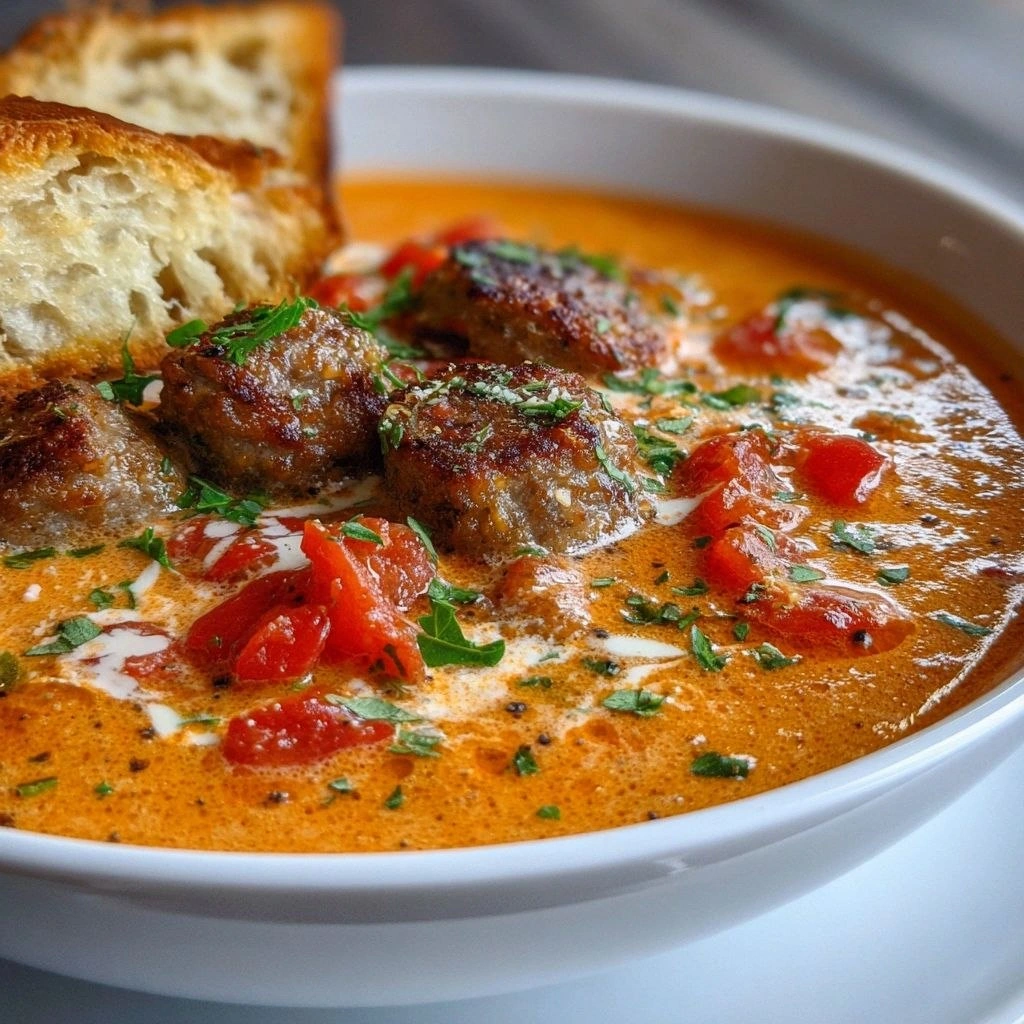
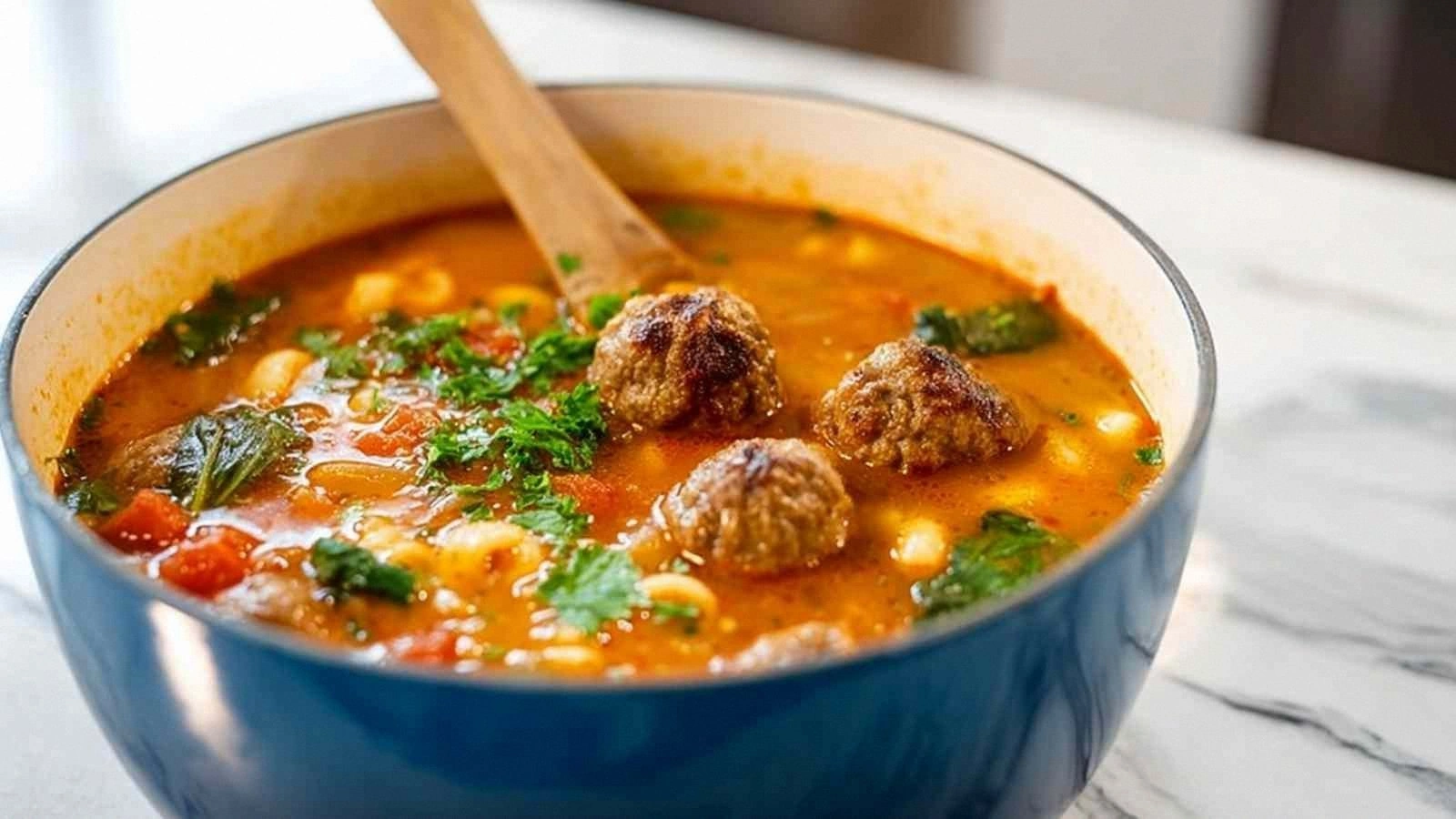
Picture this: it’s a rainy Thursday, the kitchen smells like burnt toast, and I’ve just burned a batch of pancakes that turned into a charcoal slab. I was so embarrassed that I almost called it a culinary crime scene, but then I remembered a recipe my grandmother whispered into my ear on a cold winter night: a creamy Thai coconut pumpkin soup that would make the whole house sigh in relief. I was skeptical—pumpkin and Thai flavors? A strange marriage, right? Then I tried it, and the first spoonful was like a warm hug from a distant relative, with a subtle kick that whispered “I dare you to taste this and not go back for seconds.” That moment was the turning point that turned a kitchen disaster into a culinary revelation.
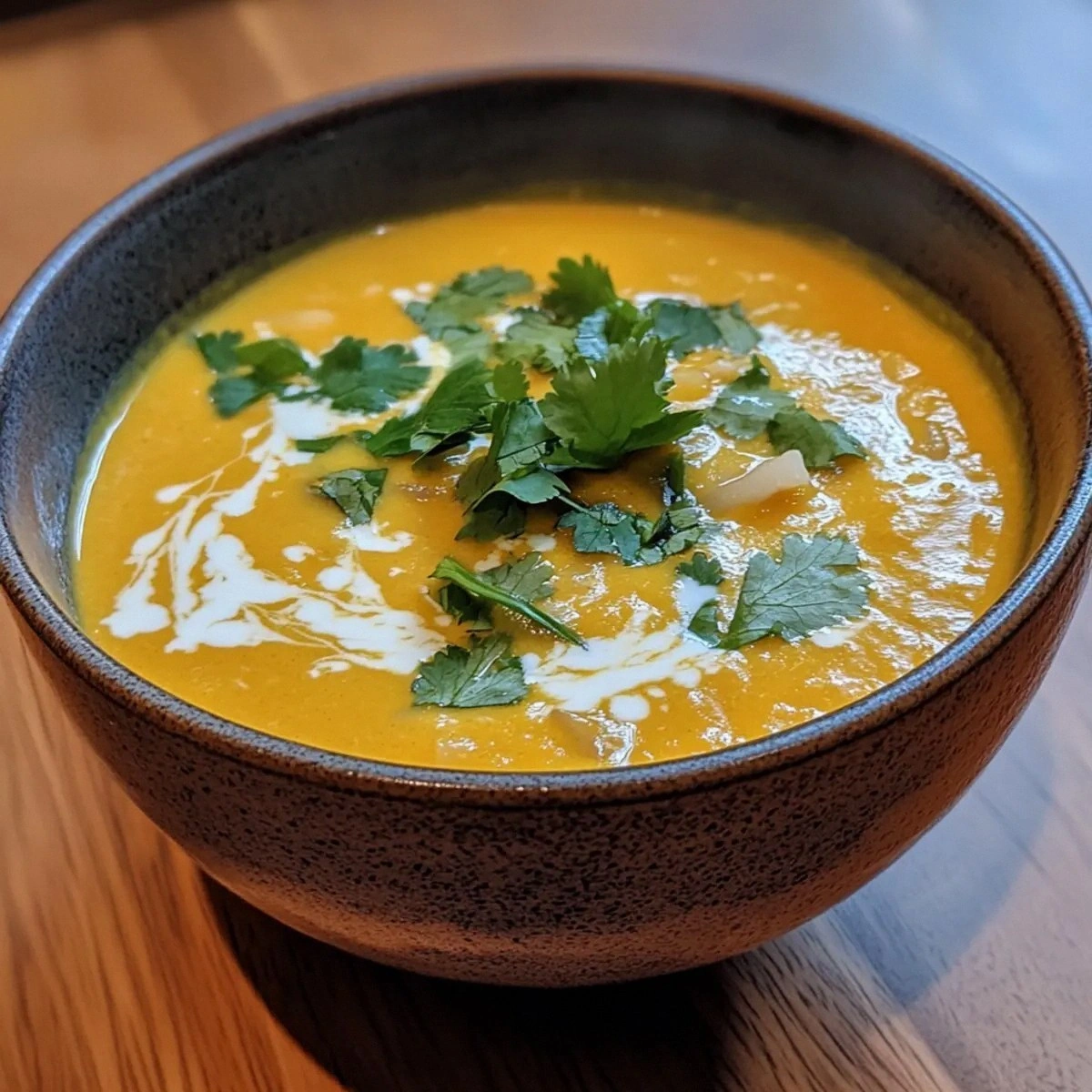
From the very first glance, this soup looks deceptively simple: a swirl of orange puree, a splash of coconut milk, and a handful of herbs. But the real magic lies in the layers of aroma that rise as the broth simmers—ginger’s bright zing, lemongrass’s citrusy whisper, and the smoky heat of red chili flakes dancing together. The texture is a velvety smoothness that coats the spoon like silk, with a gentle, comforting thickness that makes you want to keep spooning. When you finally taste it, the sweet pumpkin flavor is amplified by the subtle umami of fish sauce, while the lime juice cuts through the richness, leaving a bright, refreshing finish that lingers on your palate.
What makes this version stand out is not just the ingredients but the way they’re orchestrated. I’ve refined the balance so that no single element overwhelms the others—each component has its moment to shine. The pumpkin puree isn’t just a base; it’s a canvas that absorbs the flavors of the broth and spices. Coconut milk adds a creamy, tropical finish that softens the heat, while the fresh ginger and lemongrass bring a bright, aromatic punch that keeps the soup from feeling heavy. The lime juice and fish sauce act like a secret handshake, tying everything together with a savory depth that’s both comforting and adventurous. And the toasted pumpkin seeds? They add a delightful crunch that contrasts the silky broth, giving you that satisfying bite.
If you’ve ever tried a pumpkin soup that felt bland or too thick, you’ll understand why this one feels like a breath of fresh air. The technique of simmering the broth with the lemongrass and ginger first extracts the essential oils, creating a fragrant foundation. Then, adding the pumpkin puree and coconut milk at the right moment allows the flavors to meld without losing their individual identities. The final touch of lime juice brightens the dish, preventing it from becoming a one-note dessert. I promise you, this is hands down the best version you’ll ever make at home.
What Makes This Version Stand Out
- Taste: The soup delivers a harmonious blend of sweet, savory, and spicy notes that dance on your tongue. The pumpkin’s natural sweetness is elevated by the subtle umami of fish sauce and the bright citrus of lime.
- Texture: A silky, creamy consistency that coats the spoon like velvet, punctuated by a crunchy burst of toasted pumpkin seeds.
- Ingredient Quality: Fresh ginger, lemongrass, and cilantro are the backbone of this dish, ensuring each bite bursts with authentic flavor.
- Cooking Method: Simmering the aromatics first extracts maximum flavor, while slow reduction of coconut milk keeps the soup from becoming watery.
- Make‑Ahead Potential: The soup stays vibrant when refrigerated or frozen, making it ideal for meal prep or a quick weekday dinner.
- Audience Appeal: Whether you’re a Thai food enthusiast or a pumpkin lover, this soup satisfies both cravings with a single pot.
- Visual Appeal: The vibrant orange hue and specks of fresh cilantro make it Instagram‑worthy—no filter needed.
- Health Factor: Packed with vitamins from pumpkin and ginger, and healthy fats from coconut milk, it’s a wholesome, comforting choice.
Inside the Ingredient List
The Flavor Base
The flavor base is the soul of this soup, and it’s built around three key players: pumpkin puree, coconut milk, and vegetable broth. Pumpkin puree is the heart—its natural sweetness and earthy undertones set the stage. Coconut milk adds a creamy, tropical richness that softens the heat and gives the soup body. Vegetable broth is the liquid canvas that allows the aromatics to bloom. If you skip any of these, the soup will feel incomplete, like a song missing its chorus.
The Texture Crew
Texture is everything. The toasted pumpkin seeds provide a crunchy contrast that prevents the soup from feeling too smooth. The fresh cilantro adds a burst of green that brightens the dish visually and adds a subtle peppery flavor. Optional thinly sliced red chili or bell pepper offers a pop of color and a gentle heat that can be tailored to your spice tolerance. If you omit the seeds, the soup will still taste great, but you’ll miss that delightful crunch.
The Unexpected Star
Fresh ginger and lemongrass might seem like background players, but they’re actually the stars that elevate the soup. Ginger brings a zesty, peppery kick that cuts through the sweetness, while lemongrass adds a citrusy, floral note that keeps the broth bright. Together, they create a fragrant bouquet that makes the soup feel alive. If you can’t find lemongrass, a splash of lime zest can mimic its citrusy lift, but the authentic flavor comes from the stalks.
The Final Flourish
The final flourish is what turns a good soup into a memorable experience. A splash of lime juice brightens the dish, cutting through the richness and adding a fresh, citrusy finish. Fish sauce or soy sauce injects umami, giving depth without overpowering. A handful of fresh cilantro crowns the bowl, adding color and a peppery bite. If you prefer a vegan version, swap fish sauce for tamari or a splash of soy sauce to keep the umami intact.
Everything’s prepped? Good. Let’s get into the real action.
The Method — Step by Step
- Step 1: Prepare the Aromatics. Chop the ginger into thin slices and crush the garlic cloves. Trim the lemongrass stalks, cutting them into 2‑inch pieces and then finely mincing the white part. This step is crucial because the aromatics are the backbone of the soup’s flavor profile. I swear, the moment you smell the ginger and lemongrass sizzling in the pan, the whole kitchen smells like a tropical vacation. If you’re short on time, you can use a pre‑minced ginger paste, but fresh is always better.
- Step 2: Sauté the Base. Heat a tablespoon of neutral oil in a large pot over medium heat. Add the ginger, garlic, and lemongrass, and sauté for 2‑3 minutes until fragrant. Keep the heat low enough to avoid burning the garlic. This is the moment of truth—if the aromatics burn, the soup will taste bitter. I like to stir constantly, ensuring even cooking. When the aromatics are translucent, you’re ready to move on.
- Step 3: Add the Broth. Pour in the vegetable broth and bring to a gentle simmer. Let it simmer for 5 minutes to allow the flavors to meld. This step is where the broth starts to taste like a fragrant, herbal tea. I like to taste it at this point; if it feels a bit flat, add a pinch of salt or a splash of lime juice to brighten it. Keep the heat at a low simmer—high heat will cause the broth to reduce too quickly.
- Step 4: Incorporate the Pumpkin. Stir in the pumpkin puree and reduce the heat to low. Let the mixture simmer for 7 minutes, stirring occasionally, until it thickens slightly. The pumpkin will release its natural sugars, creating a sweet undertone that balances the spice. If the soup looks too thick, add a splash of vegetable broth to reach your desired consistency. This step is essential for achieving the silky texture that makes the soup irresistible.
- Step 5: Add Coconut Milk. Pour in the coconut milk and stir until fully incorporated. Bring the mixture back to a gentle simmer for another 5 minutes. The coconut milk adds creaminess and a subtle tropical flavor that complements the pumpkin. Make sure the mixture doesn’t boil vigorously; a gentle simmer keeps the coconut from separating. If you want a richer soup, you can add a tablespoon of coconut cream at this point.
- Step 6: Season the Soup. Add the red chili flakes, fish sauce (or soy sauce), lime juice, and a pinch of salt. Stir well and taste. Adjust the seasoning—more lime for brightness, more fish sauce for umami, or more chili flakes for heat. The seasoning is the final layer that ties everything together. If you’re vegan, swap fish sauce with soy sauce and add a splash of tamari for depth.
- Step 7: Finish with Fresh Herbs. Remove the pot from the heat and stir in the fresh cilantro. This adds a burst of color and a peppery finish that lifts the soup. If you’re using optional sliced red chili or bell pepper, add them now for a pop of heat and visual appeal. This final touch turns a good soup into a spectacular one.
- Step 8: Serve and Garnish. Ladle the soup into bowls and top with toasted pumpkin seeds for crunch. A drizzle of coconut milk or a squeeze of lime can enhance the presentation. Serve hot, and watch the steam rise like a warm, fragrant cloud. I love to pair this with a crusty baguette or a simple rice bowl. Enjoy the comforting warmth and the explosion of flavors.
That’s it—you did it. But hold on, I’ve got a few more tricks that will take this to another level. Let’s dive into the insider tips that will make your soup even more unforgettable.
Insider Tricks for Flawless Results
The Temperature Rule Nobody Follows
Maintaining a low simmer after adding coconut milk is key. A gentle heat ensures the coconut stays emulsified and the soup doesn’t separate. I used to let it bubble for too long, and the result was a watery broth. Keep the pot just below a rolling boil, and you’ll get that silky, uniform texture every time.
Why Your Nose Knows Best
Smell is a powerful flavor cue. If the soup smells like toasted pumpkin and bright citrus, you’re on the right track. If it smells bland or slightly burnt, it’s time to adjust. Trust your nose; it’s the most reliable judge of flavor balance.
The 5‑Minute Rest That Changes Everything
After you’ve finished seasoning, let the soup sit for 5 minutes off the heat. This rest allows the flavors to marry, giving the soup a richer, more cohesive taste. I’ve seen friends skip this step, and they end up with a soup that feels disjointed.
The Toasted Seed Technique
Toasting pumpkin seeds gives them a nutty flavor that complements the soup’s sweetness. Use a dry skillet over medium heat, tossing the seeds every 30 seconds until golden brown. If you don’t have seeds, try toasted pepitas or sunflower seeds for a different crunch.
The Secret of Freshness
Fresh cilantro and lemongrass are non-negotiable for authenticity. If you’re out of fresh cilantro, a handful of fresh basil or mint can add a unique twist, but it will change the flavor profile. Freshness is the secret ingredient that elevates this soup from good to legendary.
Creative Twists and Variations
This recipe is a playground. Here are some of my favorite ways to switch things up:
Spicy Peanut Butter Splash
Add a tablespoon of creamy peanut butter during step 5 for a nutty, savory depth. This pairs beautifully with the coconut milk and adds a silky texture. It’s a perfect bridge between Thai and American comfort food.
Miso‑Infused Pumpkin
Stir in a teaspoon of white miso during step 6 for a subtle, umami boost. The miso brings a fermented note that complements the sweet pumpkin. This variation is ideal for those who love a richer, earthier flavor.
Coconut‑Rice Fusion
Serve the soup over jasmine rice instead of a bowl of broth. The rice absorbs the coconut milk, creating a creamy, comforting dish that’s great for a filling lunch or dinner. Top with a sprinkle of toasted pumpkin seeds for crunch.
Lemon‑Zest Finish
Finish the soup with a generous zest of a fresh lemon instead of lime juice. The lemon’s sharper citrus cuts through the richness and adds a bright, refreshing finish. This twist is perfect for a sunny afternoon.
Vegetarian Protein Boost
Add a scoop of cooked chickpeas or tofu during step 5 for a protein punch. The chickpeas soak up the flavors, while the tofu adds a subtle, silky texture. This version makes the soup hearty enough for a main course.
Smoky Pineapple Twist
Stir in a tablespoon of pineapple juice during step 4 for a sweet, tropical flare. The pineapple’s natural sweetness complements the pumpkin, while the acidity balances the coconut milk. This variation is a perfect summer treat.
Storing and Bringing It Back to Life
Fridge Storage
Store the soup in an airtight container for up to 3 days in the refrigerator. The flavors will deepen, making it even more comforting. When you’re ready to eat, give it a quick stir to re‑blend the coconut milk.
Freezer Friendly
Freeze the soup in portioned containers for up to 2 months. The coconut milk may separate slightly, but a quick stir or a splash of water will restore its silky texture. Label each container with the date to keep track.
Best Reheating Method
Reheat gently on the stove over low heat, adding a splash of water or broth to reach your desired consistency. Avoid high heat, as it can cause the coconut to split. When the soup is hot and fragrant, it’s ready to serve.