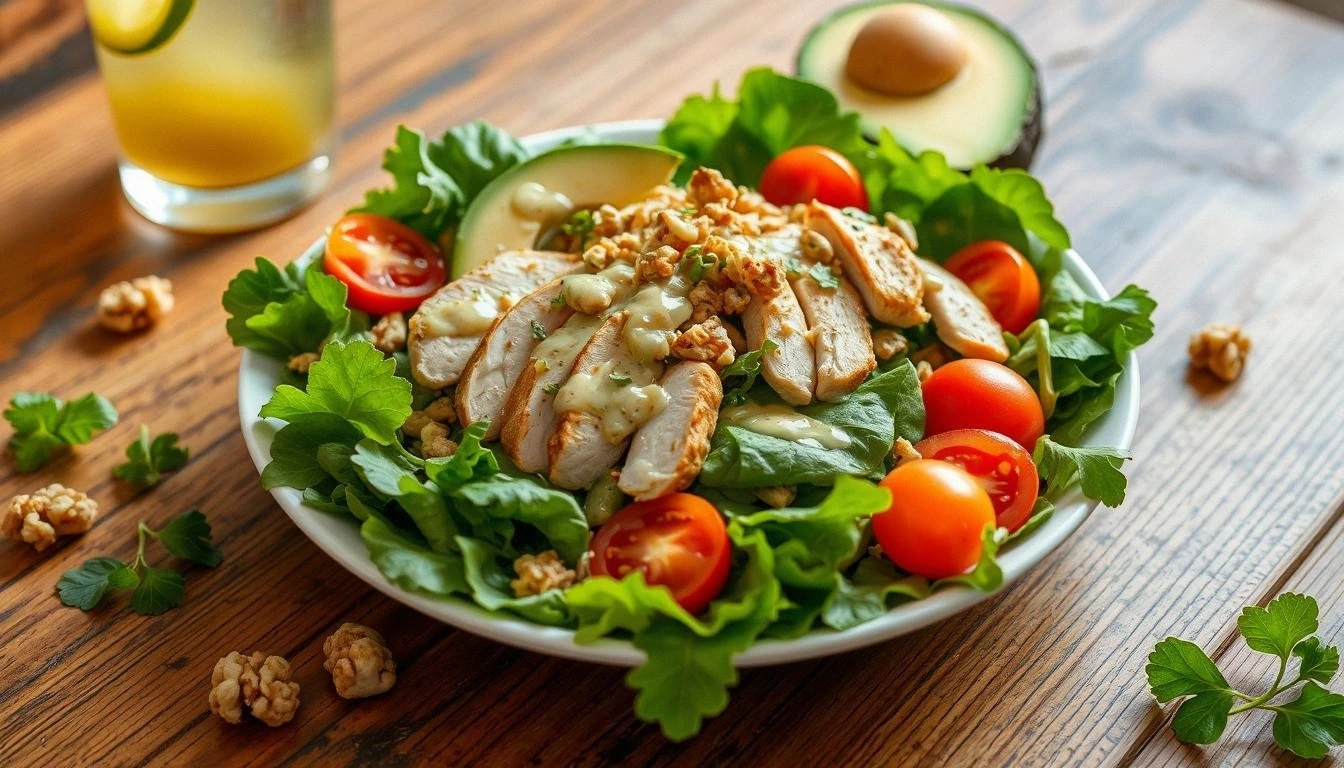
I'll be honest — I ate half the batch before anyone else got to try it. It started innocently enough: a Tuesday afternoon, a fridge full of random ingredients, and a bet from my best friend that I couldn't make chicken salad exciting again. "Chicken salad is just... sad," she'd declared, wrinkling her nose at the cafeteria-style glop we'd both suffered through in college. Challenge accepted. What emerged from my kitchen sixty minutes later wasn't just exciting — it was a revelation. Picture tender chunks of perfectly seasoned chicken, creamy Greek yogurt that coats each piece like silk, and little explosions of sweetness from grapes that make your taste buds do a happy dance. The crunch of fresh celery and bell peppers provides that textural contrast that most recipes completely miss, while a secret blend of herbs whispers "you're welcome" with every bite.
Most recipes get this completely wrong. They treat chicken salad like a dumping ground for leftover chicken and globs of mayo, creating something that tastes about as exciting as cardboard soaked in sadness. But here's what actually works: treating each component like it matters, because it does. The chicken needs to be seasoned before it ever hits the water, the vegetables should be crisp enough to snap between your fingers, and the dressing should enhance rather than mask. When you nail these elements — and I mean really nail them — you create something that people will request by name at every gathering. I've seen grown adults hover over the bowl, claiming they're "just checking if it needs more salt" while shoveling forkfuls into their mouths.
The beauty of this chicken salad isn't just in how it tastes (though that sizzle when the seasoned chicken hits the hot pan? Absolute perfection). It's in how it makes you feel — virtuous for choosing something healthy, satisfied because it's actually filling, and just a little bit smug because you know something your coworkers don't. This version has ruined restaurant chicken salad for me forever. Once you've tasted the perfect balance of creamy, crunchy, sweet, and savory, there's no going back to that depressing deli counter version that tastes like it was made in a factory three states away.
Okay, ready for the game-changer? This isn't just about throwing ingredients together — it's about understanding how each element plays with the others, when to add what, and why your grandmother's version probably tasted like wet cardboard. Let me walk you through every single step — by the end, you'll wonder how you ever made it any other way. And I dare you to taste this and not go back for seconds. Actually, I double-dog dare you.
What Makes This Version Stand Out
Protein Powerhouse: Unlike those mayo-heavy disasters that leave you in a food coma, this chicken salad actually energizes you. The lean chicken breast provides serious staying power, while the Greek yogurt adds a protein punch that keeps you full for hours. I've eaten this for lunch and powered through till dinner without the usual 3 PM crash.
Textural Wonderland: Most chicken salads have the texture of baby food — soft chicken, soft dressing, soft everything. This version is a symphony of contrasts: tender chicken, crisp vegetables, juicy grapes that burst in your mouth, and even a few toasted nuts if you're feeling fancy. Each bite keeps you guessing and coming back for more.
Make-Ahead Magic: This is the meal prep hero you've been searching for. It actually gets better after a day in the fridge as the flavors meld together like old friends reuniting. I've made a double batch on Sunday and enjoyed it throughout the week in sandwiches, lettuce wraps, and straight from the container standing in front of the fridge at midnight.
Flavor Complexity: We're not just dumping in some salt and pepper and calling it a day. The seasoning blend includes smoky paprika, bright lemon zest, and a hint of Dijon that creates layers of flavor that reveal themselves slowly. First you taste the creamy base, then the herbs kick in, followed by a gentle heat that whispers rather than shouts.
Crowd-Pleasing Genius: I've served this at baby showers, office potlucks, and fancy brunch parties — it disappears faster than free drinks at an open bar. Even people who claim to hate healthy food or despise chicken salad find themselves asking for the recipe. One friend texted me six months later asking for the recipe again because she'd lost it and couldn't live without it.
Ingredient Flexibility: While I'll share my favorite combination, this recipe bends without breaking. No grapes? Use apples. Hate celery? Try fennel. Vegetarian? Chickpeas work beautifully. It's like the Swiss Army knife of recipes — adaptable, reliable, and always there when you need it.
Health Without Compromise: This is the unicorn of healthy recipes — it tastes so good you forget it's good for you. The Greek yogurt provides probiotics and protein, the vegetables add fiber and nutrients, and the portion control happens naturally because it's so satisfying. You get all the creamy comfort you crave without the food guilt that usually follows.
Alright, let's break down exactly what goes into this masterpiece...
Inside the Ingredient List
The Flavor Base
The chicken isn't just a protein source — it's the canvas for everything else. I'm adamant about using boneless, skinless chicken breast because it absorbs flavors like a sponge while staying lean. But here's the key: you need to season it before cooking, not after. Think of it like marinating but faster — a quick rub of garlic powder, onion powder, and smoked paprika transforms bland breast meat into something that could stand alone as a main dish. The difference between seasoned and unseasoned chicken in this salad is like the difference between a masterpiece and a paint-by-numbers project.
Greek yogurt is where most recipes stumble straight into a ditch. They use regular yogurt and end up with watery sadness, or they go full mayo and defeat the whole healthy purpose. Full-fat Greek yogurt gives you that luxurious creaminess without the heavy, greasy feeling. It's like the difference between silk and polyester — both might look similar at first glance, but your taste buds know the truth immediately. The tanginess also brightens everything up, making each bite feel fresh rather than heavy.
The Texture Crew
Celery isn't just filler — it's the backbone of texture that keeps this salad from becoming chicken pudding. But not all celery is created equal. Look for stalks that snap cleanly when bent, with leaves that look perky rather than wilted. The leaves actually pack more flavor than the stalks, so chop those up too. And please, for the love of all that's crunchy, don't you dare remove the strings. Those fibrous bits provide the perfect contrast to the creamy base.
Bell peppers bring more than just color — they add a sweet crunch that plays beautifully against the savory elements. I prefer a mix of red and yellow for visual appeal, but green works if you want a slightly bitter edge. The key is cutting them small enough to blend in but large enough to maintain their crunch. Think pea-sized pieces that announce their presence with every bite but don't steal the show from the chicken.
The Unexpected Star
Red grapes are my secret weapon, and I will fight anyone who tries to leave them out. They provide these little pockets of sweetness that make the whole salad sing, like nature's candy scattered throughout. Cut them in half so they don't roll away when you're trying to scoop, and remove any that look mushy or split. The grapes should be firm enough to pop between your teeth, releasing a burst of juice that cuts through the richness of the dressing.
Fresh herbs elevate this from good to unforgettable. Dill brings a bright, slightly tangy note that makes everything taste fresher, while parsley adds an earthy depth. Chives contribute a gentle onion flavor without the harsh bite of raw onion. Use all three if you can, but at minimum, don't skip the dill. It's like the difference between a black-and-white photo and one in full color — technically the same image, but emotionally worlds apart.
The Final Flourish
Lemon juice isn't negotiable — it's the acid that wakes up all the other flavors and keeps the yogurt from tasting flat. Fresh-squeezed makes a difference you can taste, bottled juice tastes like disappointment and lost opportunities. Zest the lemon before juicing it; those yellow flecks add brightness and the oils provide a perfume that bottled juice simply cannot replicate.
Dijon mustard adds complexity without announcing itself. It's like the bass player in a band — you might not specifically notice it, but you'd definitely miss it if it were gone. Just a teaspoon transforms the dressing from simple to sophisticated, adding a gentle heat and depth that makes people ask "what's in this?" in the best possible way.
Everything's prepped? Good. Let's get into the real action...

The Method — Step by Step
- Start with the chicken — and don't you dare just boil it like some kind of monster. Season both sides generously with salt, pepper, garlic powder, onion powder, and smoked paprika. Heat a skillet over medium-high heat until it's screaming hot, then add just enough oil to prevent sticking. Sear the chicken for 4-5 minutes per side until it develops a gorgeous golden crust. This isn't just about looks — those browned bits are packed with flavor that will infuse the whole salad. The chicken should release easily from the pan when it's ready to flip; if it's sticking, give it another minute.
- While the chicken sears, prepare an ice bath in a large bowl. Once the chicken is browned on both sides, add enough water to come halfway up the sides, cover with a lid, and reduce heat to medium-low. Let it simmer gently for 12-15 minutes until just cooked through. The gentle poaching keeps it moist while the initial sear locks in flavor. Transfer immediately to the ice bath — this stops the cooking process and ensures your chicken stays juicy rather than turning into sawdust.
- While the chicken cools, make the dressing that will change your life. In a large bowl, whisk together the Greek yogurt, Dijon mustard, lemon juice, lemon zest, and a generous pinch of salt and pepper. The mixture should be creamy but not stiff — think thick enough to coat a spoon but loose enough to fold into the salad. Taste it now and adjust the seasoning; it should make you want to eat it with a spoon. If it's too thick, thin with a splash of water or milk; too thin, add more yogurt.
- Now comes the fun part — dicing your vegetables with the precision of a surgeon and the enthusiasm of a kid in a candy store. Celery should be sliced into thin half-moons, no thicker than a nickel. Bell peppers need to be diced into pieces roughly the size of your pinky nail — small enough to blend in but large enough to crunch. Red grapes get halved lengthwise so they don't roll away when you mix everything together. Each ingredient should be uniform in size so every bite delivers the perfect ratio of flavors.
- Drain the chicken well and pat it dry with paper towels. Using two forks or your clean hands, shred it into bite-sized pieces that are substantial enough to feel satisfying but not so large they dominate the salad. Think roughly the size of a large marble — big enough to know you're eating chicken, small enough to blend with everything else. The chicken should still be slightly warm; this helps it absorb the dressing better than cold chicken, which tends to repel the coating.
- Add the shredded chicken to the bowl with the dressing, but don't mix yet. Layer on the celery, bell peppers, grapes, and herbs. Using a large rubber spatula, fold everything together with gentle scooping motions from the bottom of the bowl. The key is to coat everything evenly without mashing the grapes or turning the chicken into mush. It should look like a colorful mosaic where each ingredient maintains its identity while playing nicely with others.
- Cover the bowl with plastic wrap pressed directly onto the surface — this prevents a skin from forming and keeps everything fresh. Refrigerate for at least 30 minutes to let the flavors meld, but honestly, it's worth waiting a full hour if you can stand it. The transformation that happens during this rest period is pure kitchen magic. The yogurt loosens up, the herbs release their oils, and everything becomes greater than the sum of its parts.
- Before serving, give it one final taste and adjust seasoning. This is where you add that extra pinch of salt that makes all the flavors pop, or maybe a squeeze more lemon if it tastes flat. The salad should be creamy but not swimming in dressing, with visible pieces of every ingredient. If it looks soupy, you've added too much yogurt — fold in some extra chicken or vegetables to balance it out.
- And now, the moment of truth. Serve it mounded high on whole grain bread, nestled in crisp lettuce cups, or — my personal favorite — straight from the bowl with crackers for scooping. The contrast between the cool, creamy salad and whatever you serve it with creates a perfect balance. Watch as people take their first bite and their eyes widen in surprise. That look? That's the look of someone whose chicken salad expectations have just been completely shattered.
That's it — you did it. But hold on, I've got a few more tricks that'll take this to another level...
Insider Tricks for Flawless Results
The Temperature Rule Nobody Follows
Here's the thing that separates good chicken salad from transcendent chicken salad: temperature management. Warm chicken absorbs dressing better than cold, but hot chicken will melt your yogurt and create a greasy mess. The sweet spot is warm-ish — about 15 minutes out of the fridge. If you're using leftover chicken, let it sit at room temperature while you prep everything else. This simple step ensures every piece gets properly coated instead of having dressing slide off like water off a duck's back.
Why Your Nose Knows Best
Don't underestimate the power of aromatics. Before you add anything to your bowl, take a big whiff of each ingredient. Celery should smell green and fresh, grapes should be sweet and slightly floral, herbs should smell like a spring garden. If anything smells off or simply doesn't have much aroma, it's past its prime and will drag down your whole salad. Trust your nose — it's never wrong about produce quality.
The 5-Minute Rest That Changes Everything
After you mix everything together, walk away for five minutes before tasting to adjust seasoning. This brief pause lets the salt dissolve and distribute evenly, so you get a true sense of what needs adjusting. Taste too early and you might over-salt, thinking it needs more when it's just not distributed yet. I learned this the hard way after making soup-salty chicken salad that even my garbage disposal rejected.
The Texture Test
Before calling it done, perform the texture test: scoop up a spoonful and let it sit for 30 seconds. If water pools around the edges, your vegetables are releasing moisture and you need to drain some dressing. If it holds its shape but looks dry, you need more yogurt. The perfect consistency should mound slightly without spreading or weeping. Think of it like Goldilocks — not too wet, not too dry, but just right.
The Make-Ahead Magic
If you're prepping ahead, store the dressing and mix-ins separately from the chicken. Combine them 2-4 hours before serving for optimal texture. The vegetables stay crisper, the grapes don't bleed color into everything, and you maintain that fresh, just-made taste. I've made chicken salad for parties three days ahead using this method, and guests swore I'd just made it that morning.
Creative Twists and Variations
This recipe is a playground. Here are some of my favorite ways to switch things up:
The Mediterranean Escape
Swap the grapes for sun-dried tomatoes, add kalamata olives, and replace the dill with fresh oregano and mint. A splash of red wine vinegar in the dressing brightens everything up, while crumbled feta folded in at the end adds salty richness. Serve it in pita pockets with cucumber slices for a Greek-inspired lunch that transports you straight to Santorini. The briny olives and sweet-tart tomatoes create a completely different flavor profile while maintaining the same satisfying texture.
The Autumn Harvest Version
Replace grapes with diced apples and dried cranberries, add toasted pecans, and swap the dill for fresh sage. A teaspoon of maple syrup in the dressing echoes the autumn flavors, while a pinch of cinnamon adds warmth without screaming "pumpkin spice." This version tastes like Thanksgiving in a bowl and pairs beautifully with hearty whole grain bread. The apples provide the same juicy burst as grapes but with a crisp, autumnal twist that makes this perfect for September through November.
The Spicy Southwest Adventure
Add a diced jalapeño, swap the bell peppers for roasted poblano, and replace the dill with cilantro. Cumin and chili powder in the seasoning blend give it a warm, smoky heat, while corn kernels add pops of sweetness. A squeeze of lime juice instead of lemon keeps it bright, and if you're feeling wild, some pepper jack cheese cubes create melty pockets of spicy goodness. This version has personality — it doesn't just sit there politely, it makes its presence known.
The Curry House Special
Replace the Dijon with curry powder, add golden raisins instead of grapes, and include diced mango for tropical sweetness. Toasted cashews provide crunch while fresh mint cools everything down. The curry powder transforms the familiar into something exotic, creating a bridge between comfort food and adventure. Serve it on naan bread with a dollop of mango chutney for an Indian-inspired meal that'll have everyone asking for your secret ingredient.
The California Fresh Take
Add diced avocado, swap the celery for jicama, and include sunflower sprouts for extra crunch. Replace some of the yogurt with mashed avocado for an even healthier, omega-3-rich dressing. Lime juice and cilantro keep it bright, while pumpkin seeds add nuttiness without the allergens. This version tastes like health food that actually tastes good — clean, fresh, and energizing rather than heavy and indulgent.
The Comfort Food Remix
For those days when you need pure comfort, add chopped crispy bacon, swap grapes for dried cherries, and include toasted walnuts. A spoonful of honey in the dressing balances the smoky bacon, while smoked gouda cubes make it extra indulgent. This isn't everyday food — this is breakup recovery, job promotion celebration, or "I survived Monday" food. Rich, satisfying, and completely unapologetic about being delicious rather than virtuous.
Storing and Bringing It Back to Life
Fridge Storage
Stored properly in an airtight container, this chicken salad stays fresh for up to 4 days in the refrigerator. Press plastic wrap directly onto the surface before sealing the lid — this prevents oxidation and keeps everything tasting fresh. The flavors actually improve after the first day as the herbs infuse their oils throughout. Keep it in the coldest part of your fridge, not the door where temperatures fluctuate. If you notice any liquid pooling, just drain it off and give everything a good stir before serving.
Freezer Friendly
Here's where most people mess up — chicken salad doesn't freeze well once fully assembled. The yogurt separates, vegetables get mushy, and grapes become sad, deflated balloons. However, you can freeze the seasoned chicken for up to 3 months. Shred it, portion it into freezer bags, and freeze flat for easy stacking. When you're ready to eat, thaw overnight in the fridge and mix with fresh dressing and vegetables. It's like having a head start on dinner that tastes almost as good as freshly made.
Best Reheating Method
The beauty of chicken salad is that it's meant to be served cold, but if you've stored it properly and it's thickened up too much, here's how to bring it back: let it sit at room temperature for 10-15 minutes, then stir in a tablespoon of milk or water at a time until it reaches the right consistency. Add a squeeze of fresh lemon to brighten it up, and maybe a pinch more salt if the flavors have dulled. Whatever you do, don't microwave it — warm chicken salad is just wrong on every level, like socks with sandals or pineapple on pizza.