I was standing in my tiny kitchen, the kind where the ceiling fan sounds like a distant jet engine, and I had just burned the last batch of regular fried rice. The smoke alarm screamed like an angry seagull, and I swore off rice forever—until a frantic text from a friend dared me to create a low‑carb version that could still satisfy that deep‑fried nostalgia. I grabbed a cauliflower head, a block of tofu that had been sitting forlornly in the fridge, and a handful of whatever veggies were hiding in the freezer. The moment the cauliflower hit the food processor, it felt like I was turning a bland vegetable into a fluffy snowstorm, and I could already smell the faint earthiness that promised something magical.
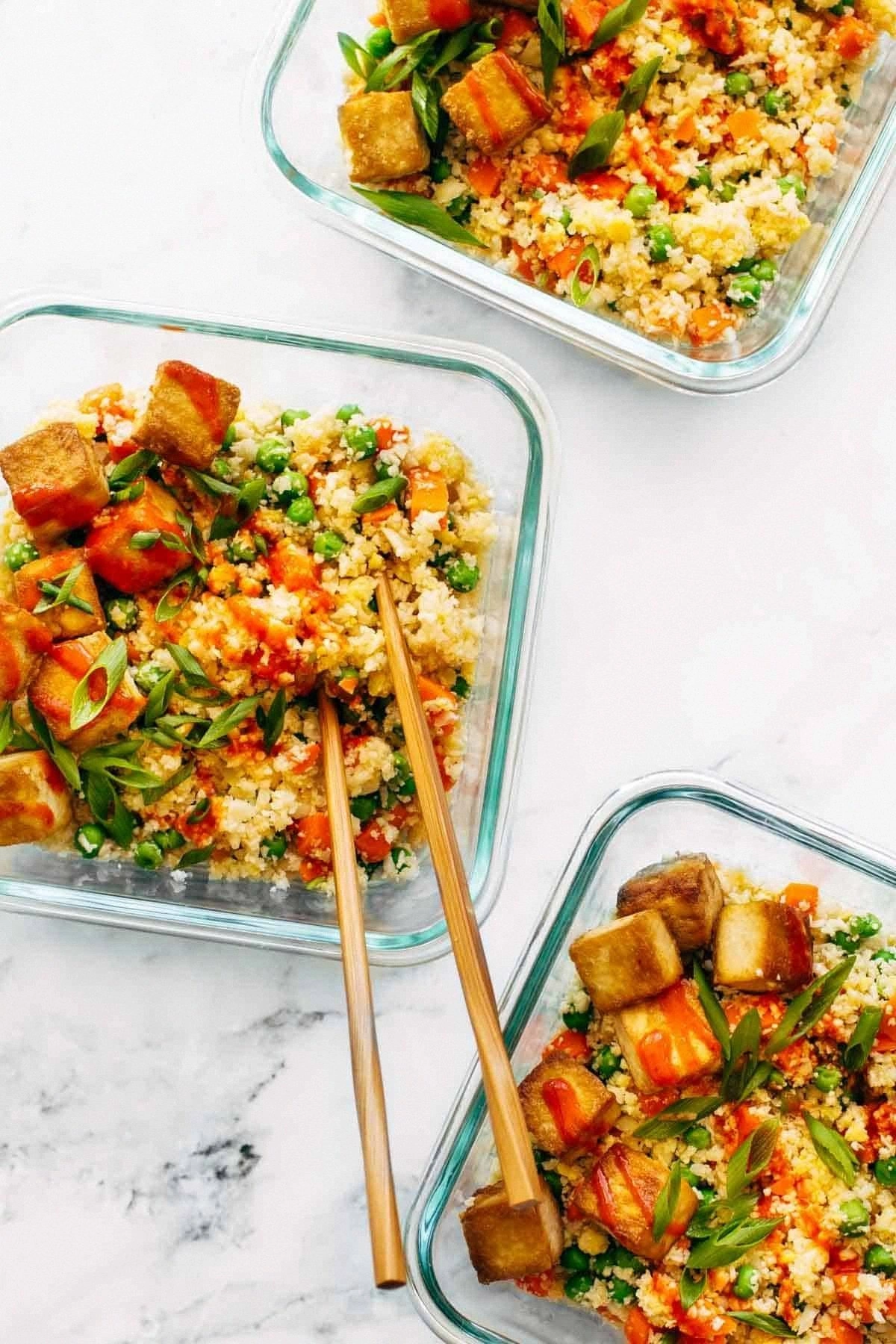
Fast forward an hour later, and the kitchen was a battlefield of sizzling sounds, fragrant steam, and the occasional pop of tofu hitting the hot oil. The aroma of sesame oil, garlic, and ginger wrapped itself around the room like a warm blanket, while the bright orange peas and carrots added a pop of color that made the whole pan look like a painter’s palette. When the tofu finally turned golden and crisp, it shattered on the fork with a satisfying crack that reminded me of thin ice underfoot—deliciously fragile yet impossibly sturdy. I took a bite, and the flavors collided in my mouth like a well‑orchestrated symphony: salty, sweet, a hint of heat, and that unmistakable umami depth.
Most cauliflower fried rice recipes get the texture wrong—either soggy or dry, bland or overly salty. This version, however, nails the balance by using a quick cornstarch coating on the tofu, a two‑stage frying method that gives the cauliflower rice a toasty edge, and a precise splash of soy‑sesame sauce that coats every grain without drowning it. I dare you to taste this and not go back for seconds; the crunch of the tofu, the subtle sweetness of the peas, and the whisper of ginger will have you reaching for that serving spoon again and again. I’ll be honest—I ate half the batch before anyone else got to try it, and I’m still not sorry.
Okay, ready for the game‑changer? I’m about to reveal a secret ingredient that most chefs keep hidden: a splash of rice vinegar added at the very end, which brightens the entire dish like a flash of sunlight on a misty morning. Let me walk you through every single step — by the end, you'll wonder how you ever made it any other way.
What Makes This Version Stand Out
- Texture: The cauliflower rice gets a light caramelized crust while staying tender inside, creating a contrast that mimics real fried rice perfectly.
- Crunch Factor: The tofu is tossed in a thin cornstarch veil before frying, resulting in golden shards that shatter like thin ice under a fork.
- Flavor Depth: A blend of soy sauce, sesame oil, and a dash of rice vinegar layers umami, nuttiness, and a bright acidity that lifts every bite.
- Simplicity: Only ten core ingredients, all pantry‑friendly, mean you can whip this up in under 45 minutes without a trip to the specialty store.
- Versatility: Swap tofu for shrimp, add kimchi, or toss in pineapple for a tropical twist—this base adapts to any craving.
- Healthy Profile: Low‑carb, high‑protein, and packed with veggies, it satisfies the waistline and the taste buds alike.
- Crowd Reaction: Serve it at a dinner party and watch the skeptics turn into believers; it’s a conversation starter that never fails.
- Make‑Ahead Magic: The dish holds up beautifully for lunch leftovers; just reheat with a splash of water and you’re back in the restaurant‑quality zone.
Inside the Ingredient List
The Flavor Base
Soy sauce is the backbone, delivering that salty, umami punch that makes any fried rice sing. I use a low‑sodium version to keep the dish from becoming a sodium bomb, and the slight sweetness of the soy balances the earthiness of cauliflower. If you skip soy sauce, replace it with tamari or coconut aminos for a gluten‑free twist, but expect a milder flavor profile.
Sesame oil adds a nutty aroma that instantly transports you to a bustling Asian night market. A little goes a long way; too much can overwhelm the delicate cauliflower. For a deeper flavor, toast the oil briefly before adding it to the pan—just a 15‑second whisper of heat.
The Texture Crew
Tofu is the star of the show, providing protein and that irresistible crisp. Pressing the tofu removes excess water, allowing the cornstarch coating to adhere and fry into a perfect golden crust. If you’re allergic to soy, substitute with tempeh or even diced chicken breast, but remember to adjust cooking times accordingly.
Frozen peas and carrots bring a burst of color and a subtle sweetness that counters the savory sauce. Using frozen ensures they stay firm and vibrant; fresh versions can become mushy if overcooked. If you’re out of peas, swap in edamame or diced bell peppers for a similar pop.
The Unexpected Star
A splash of rice vinegar at the end is the secret weapon that brightens the entire dish. It cuts through the richness of the oil and soy, creating a balanced finish that feels like a culinary light switch. Don’t overdo it—just a teaspoon will do, and you’ll notice the difference instantly.
Sriracha adds a gentle heat that awakens the palate without scorching the senses. Feel free to adjust the amount based on your spice tolerance, or replace it with gochujang for a Korean flair.
The Final Flourish
A sprinkle of toasted sesame seeds on top adds a subtle crunch and an extra layer of nuttiness that ties the whole dish together. Toast them lightly in a dry skillet for 2‑3 minutes until they turn golden brown and start to pop. If you’re avoiding seeds, a drizzle of chopped cilantro offers a fresh, herbaceous finish.
Green onions, both white and green parts, provide a sharp, oniony bite that lifts the flavors. Slice them thinly and add them at the very end to preserve their bright color and crisp texture. For a deeper flavor, you can caramelize the white parts for a minute before tossing them in.
Everything's prepped? Good. Let's get into the real action...
The Method — Step by Step
- Start by pressing the tofu. Wrap the block in a clean kitchen towel, place a heavy skillet on top, and let it sit for at least 15 minutes. This squeezes out excess water, ensuring the tofu gets that coveted crunch later. Once pressed, cut the tofu into bite‑size cubes, toss them in a bowl with 1 tsp cornstarch, and shake until each piece is lightly coated.
- Heat 2 tbsp vegetable oil in a large wok or deep skillet over medium‑high heat. When the oil shimmers, carefully add the tofu cubes in a single layer. Let them sizzle undisturbed for 2‑3 minutes; this creates a golden crust on one side. Flip and continue frying until all sides are uniformly browned—about 6‑7 minutes total. Transfer the crispy tofu to a paper‑towel‑lined plate, and set aside.
- In the same pan, reduce the heat to medium and add the remaining 1 tbsp vegetable oil. Toss in the minced garlic and grated ginger; listen for that immediate sizzle and aroma that tells you the flavor base is awakening. Stir constantly for about 30 seconds, being careful not to let them burn.
- Add the cauliflower rice, spreading it out to create an even layer. Let it sit untouched for 2 minutes so the bottom can develop a light caramelized crust—this is the moment of truth for texture. After the crust forms, stir and repeat this process once more, allowing the rice to brown in batches. You’ll hear a faint crackle, and the scent will turn nutty and slightly sweet.
- Stir in the frozen peas and carrots, letting them warm through for about 2 minutes. The vegetables should stay vibrant, not mushy; if the pan looks dry, splash a splash of water or broth. Then, drizzle 2 tbsp soy sauce and 1 tbsp sesame oil over the mixture, tossing everything to ensure an even coating. The sauce should shimmer and coat each cauliflower floret like a glossy veil.
- Create a well in the center of the pan and crack the two eggs into it. Let them sit for a few seconds, then scramble gently, mixing the eggs into the rice once they start to set. This adds silkiness and binds the flavors together. Cook for another minute until the eggs are fully incorporated but still moist.
- Return the crispy tofu to the pan, along with the sliced green onions, 1 tsp sriracha (or more if you like heat), and the optional 1 tsp rice vinegar. Toss everything together, allowing the tofu to re‑absorb some of the sauce while the onions soften just enough to stay crisp. Taste and adjust salt or pepper if needed—remember, the soy sauce already brings salt.
- Finish with a generous sprinkle of toasted sesame seeds and a final drizzle of sesame oil for shine. Serve the dish hot, right from the pan, and watch the steam rise like a cloud of anticipation. That sizzle when it hits the pan? Absolute perfection. And now the fun part—dig in and tell yourself you’ve just mastered a restaurant‑grade masterpiece.
That's it — you did it. But hold on, I've got a few more tricks that'll take this to another level. These insider tips will ensure every batch you make is flawless, whether you're cooking for one or feeding a crowd.
Insider Tricks for Flawless Results
The Temperature Rule Nobody Follows
Keep your pan hot enough that the cauliflower rice sizzles the moment it hits the surface. If the pan is too cool, the rice steams instead of browning, leading to a mushy texture. I recommend pre‑heating the wok for at least 2 minutes before adding any ingredients. A quick test: flick a drop of water onto the pan; it should dance and evaporate instantly.
Why Your Nose Knows Best
Your sense of smell is the ultimate timer. When the cauliflower starts to caramelize, you’ll detect a faint toasted, almost nutty scent. That aroma signals it’s time to stir, preventing over‑cooking. Trust that nose—it’s more reliable than a stopwatch.
The 5‑Minute Rest That Changes Everything
After you finish cooking, let the fried rice sit uncovered for five minutes. This short rest allows excess moisture to evaporate, sharpening the crispy edges and letting flavors meld. Skipping this step often results in a soggy bowl that feels like a wet napkin.
The Egg Integration Secret
Instead of scrambling the eggs directly in the pan, gently swirl them around a small well. This creates soft ribbons that coat the cauliflower grains, giving a silkier mouthfeel. A friend tried mixing the eggs in a separate bowl first—let's just say the texture turned out rubbery.
The Final Splash of Brightness
A teaspoon of rice vinegar added at the very end cuts through the richness and balances the soy‑sesame sauce. It’s a tiny adjustment that makes the dish feel lighter, as if you’ve added a burst of sunshine. If you love citrus, a dash of lime juice works just as well.
Creative Twists and Variations
This recipe is a playground. Here are some of my favorite ways to switch things up:
Spicy Kimchi Kick
Swap the sriracha for ½ cup chopped kimchi and add a splash of kimchi juice. The fermented tang adds depth and a pleasant heat that pairs perfectly with the tofu’s crunch.
Thai Coconut Curry
Stir in 2 tbsp red Thai curry paste and replace half the soy sauce with coconut milk. The resulting dish is creamy, aromatic, and carries a gentle tropical warmth.
Mediterranean Medley
Replace peas and carrots with diced sun‑dried tomatoes, olives, and artichoke hearts. Add a pinch of oregano and a drizzle of extra‑virgin olive oil for a breezy, Mediterranean vibe.
Breakfast Boost
Add sliced breakfast sausage and a handful of shredded cheese at the end. Serve with a fried egg on top for a hearty brunch that feels like a comfort‑food hug.
Vegan Power Bowl
Omit the eggs and replace tofu with tempeh cubes, then finish with a drizzle of tahini sauce. The nutty tempeh adds protein, while tahini brings a silky finish.
Storing and Bringing It Back to Life
Fridge Storage
Transfer leftovers into an airtight container and refrigerate for up to 3 days. The tofu will retain its crispness if kept separate from the rice, so consider storing it in a small compartment or a separate jar.
Freezer Friendly
Cool the dish completely, then portion into freezer‑safe bags, removing as much air as possible. It freezes well for up to 2 months. When ready to eat, thaw overnight in the fridge and reheat using the stovetop method below.
Best Reheating Method
Heat a splash of oil in a skillet over medium heat, add the frozen or refrigerated rice, and sprinkle a tiny splash of water (about 1 tbsp per cup). Cover for 2 minutes, then uncover and stir vigorously. This steams the rice back to life while preserving the tofu’s crunch.