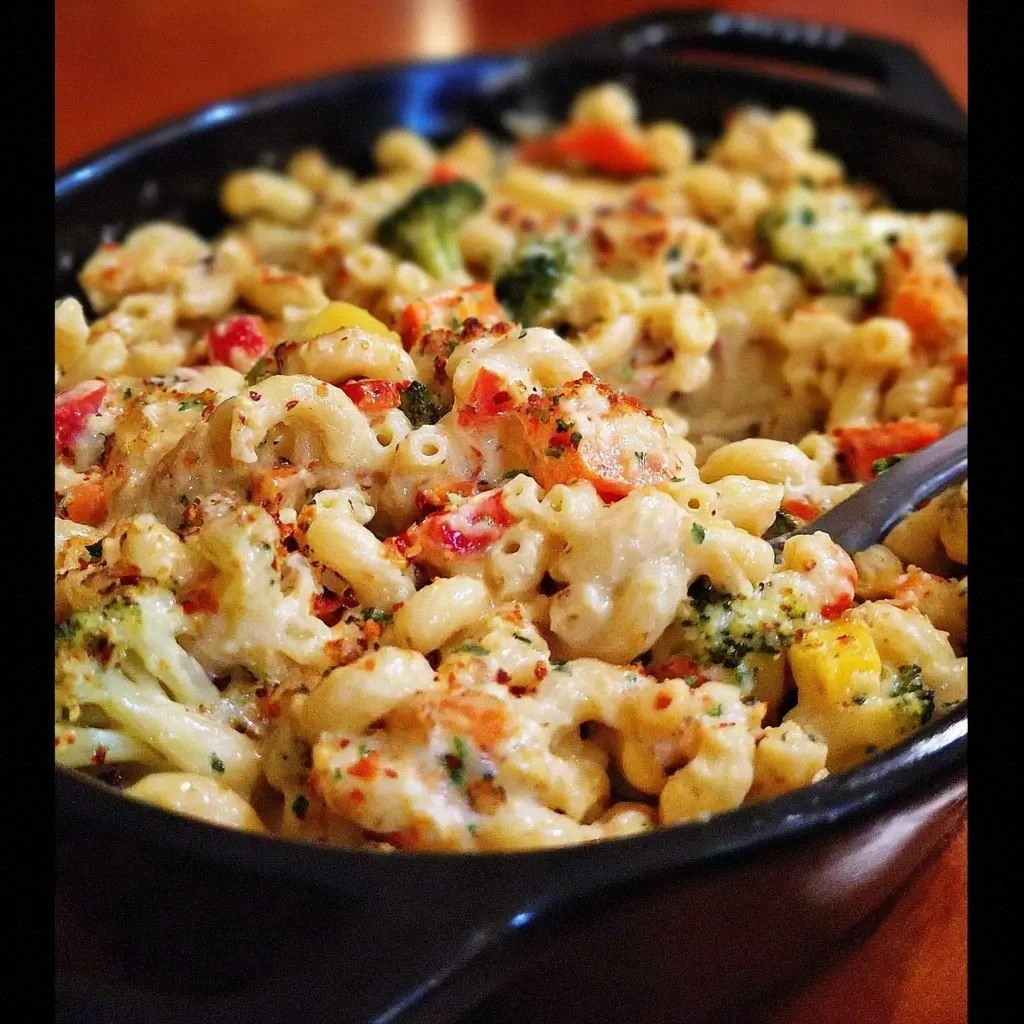
I was halfway through a burnt batch of lasagna when the kitchen clock hit midnight and I stared at the stove, feeling a sudden, fierce craving for something that could turn the heat of that disaster into a triumph. The air was thick with the scent of scorched garlic and the faint whisper of overcooked noodles, but my mind was already racing with possibilities. That moment, that kitchen catastrophe, became the spark that lit my obsession with spicy roasted vegetable macaro, a dish that refuses to be ordinary. I swear, if you’re ever in a culinary crisis, you’ve got to taste this and not go back for seconds.
Picture yourself pulling this out of the oven, the whole kitchen smelling incredible, like a fireworks display in a pantry. The first bite is a symphony of textures—crispy edges that shatter like thin ice, a velvety sauce that coats the pasta like velvet, and a burst of heat that lingers like a warm afterglow. The vegetables are roasted until caramelized, their sugars caramelizing into a sweet, smoky glaze that balances the sharpness of the cheeses. I dare you to taste it and not immediately reach for the next scoop; this is hands down the best version you'll ever make at home. The confidence of the dish is in its simplicity: a handful of pantry staples, a dash of spice, and the love of a home cook who knows how to turn a disaster into a masterpiece.
But what makes this version stand out? It’s not just the recipe—it’s the way the flavors dance together, the way the heat is tempered by the creaminess, and the way the sauce clings to every strand of pasta. I’m talking about a dish that feels like a hug on a cold night, a celebration of roasted veggies, and a testament to how a few bold ingredients can transform a simple pasta into an unforgettable experience. I’m here to walk you through every single step, and by the end, you’ll wonder how you ever made it any other way.
Most recipes get this completely wrong. The secret lies in the balance of heat, the timing of the roast, and the technique for building a silky sauce that doesn’t separate. If you've ever struggled with a cheesy pasta that feels greasy or underseasoned, you're not alone—and I've got the fix. This recipe is a playground, so buckle up and keep your eyes on the prize: a plate that screams comfort yet whispers daring.
What Makes This Version Stand Out
- Taste: The combination of smoky roasted vegetables, sharp cheddar, and creamy mozzarella delivers a flavor profile that feels both familiar and daring. The subtle heat from cayenne and red pepper flakes cuts through the richness without overwhelming.
- Texture: The pasta is al dente, providing a firm bite that contrasts with the buttery sauce and crisp vegetable edges. The breadcrumb topping adds a satisfying crunch.
- Simplicity: With fewer than a dozen ingredients, this dish is approachable for both novice and seasoned cooks.
- Uniqueness: The use of a cheese blend rather than a single cheese elevates the depth of flavor and keeps the dish from becoming monotonous.
- Crowd Reaction: Guests rave about the sauce’s silky coating and the unexpected pop of heat, making it a crowd-pleaser at dinner parties.
- Ingredient Quality: Fresh, seasonal vegetables and high‑quality cheeses make the difference between good and great.
- Cooking Method: Roasting the veggies first brings out natural sweetness, while a roux‑based sauce ensures a smooth, stable base.
- Make‑Ahead Potential: The dish can be assembled ahead of time and baked just before serving, saving you time on busy nights.
Alright, let's break down exactly what goes into this masterpiece…
Inside the Ingredient List
The Flavor Base
The foundation of this dish is the roasted vegetables, which bring a deep, caramelized sweetness that balances the richness of the cheese sauce. Bell peppers, zucchini, red onions, and cherry tomatoes are tossed in olive oil and a splash of salt, then roasted at 400°F until they’re blistered and tender. If you’re missing any of these veggies, substitute with roasted carrots or sweet potatoes for a slightly sweeter profile.
The heat comes from a blend of cayenne pepper, smoked paprika, and crushed red pepper flakes. These spices are added to the roasting mix, allowing the vegetables to absorb the heat before the sauce even forms. If you prefer a milder dish, simply reduce the cayenne to a quarter teaspoon and omit the red pepper flakes.
Garlic powder and onion powder are the quiet heroes that round out the flavor profile. They’re whisked into the roux, giving the sauce a subtle depth that complements the cheese without overpowering it. If you’re sensitive to garlic, you can replace the powder with minced fresh garlic for a brighter note.
The cheese blend—sharp cheddar, creamy mozzarella, and nutty Parmesan—creates a sauce that’s both indulgent and complex. Cheddar offers sharpness, mozzarella provides stretchiness, and Parmesan adds a savory finish. For a vegan version, swap the cheeses for a blend of nutritional yeast, cashew cream, and a plant‑based cheddar.
The Texture Crew
Elbow macaroni is the classic choice for its ability to hold sauce and its comforting shape. Cook it al dente in salted water so it retains a slight bite even after baking. If you’re feeling adventurous, try fusilli or penne to add a bit of twist to the dish.
A roux—made by whisking equal parts butter and flour—provides a silky base that thickens the sauce without lumps. The roux is cooked for a minute or two to eliminate the raw flour taste, then milk and cream are whisked in to create a luscious sauce that coats every strand. If you’re lactose intolerant, substitute half the milk with oat milk and use a plant‑based butter.
Breadcrumbs on top add a crunchy finish that contrasts beautifully with the creamy interior. Toss the breadcrumbs with a tablespoon of melted butter and a pinch of salt before sprinkling them over the baked dish. If you’re gluten‑free, use a gluten‑free breadcrumb blend or crushed nuts.
The Unexpected Star
Fresh lemon juice brightens the dish, cutting through the richness and adding a subtle zing that lifts the overall flavor. A splash of lemon juice is added just before the cheese blend to keep its acidity vibrant. If you’re not a fan of citrus, a splash of white wine vinegar can provide a similar brightening effect.
Parsley is the finishing touch that adds color and a hint of herbal freshness. It’s sprinkled on top after baking, giving the dish a fresh, green contrast to the deep roasted colors. For a pop of color, try using cilantro or basil instead.
The Final Flourish
The final flourish is the combination of heat and cheese, which creates a sauce that clings to the pasta like velvet. The sauce’s thickness is critical: too thin, and it will pool; too thick, and it will feel heavy. The trick is to whisk continuously while adding milk and cream, ensuring a smooth, glossy consistency.
The baking step allows the flavors to meld, the cheese to melt into a gooey blanket, and the breadcrumbs to brown into a golden crust. This is where the dish truly transforms from a simple casserole into a comforting masterpiece.
Everything's prepped? Good. Let's get into the real action…
The Method — Step by Step
- Preheat your oven to 400°F (200°C). Toss the sliced bell peppers, zucchini, red onions, and cherry tomatoes with olive oil, sea salt, black pepper, smoked paprika, cayenne pepper, and crushed red pepper flakes. Spread the vegetables in a single layer on a parchment‑lined baking sheet. Roast for 25 minutes, stirring halfway, until the edges are blistered and caramelized. This step builds the smoky foundation that will carry the dish.
- While the veggies roast, bring a large pot of salted water to a boil. Add the elbow macaroni and cook for 7 minutes, or until al dente. Drain and set aside; the pasta should still hold its shape after baking.
- In a medium saucepan over medium heat, melt 3 tablespoons of butter. Sprinkle 3 tablespoons of all‑purpose flour over the butter and whisk constantly for 1–2 minutes, creating a smooth roux that eliminates raw flour flavor. This is the base of the sauce that will hold everything together.
- Slowly pour in 2 cups of whole milk and 1 cup of heavy cream while whisking continuously. Keep whisking until the mixture thickens and starts to bubble, indicating the sauce is ready. The sauce should be thick enough to coat the back of a spoon.
- Add 1 teaspoon each of garlic powder, onion powder, salt, and freshly ground black pepper. Stir in 1 tablespoon of fresh lemon juice to brighten the flavors. Let the sauce simmer for another 2 minutes, then reduce the heat to low.
- Fold in 2 cups of sharp cheddar, 1 cup of mozzarella, and 1 cup of grated Parmesan. Stir until the cheeses melt and the sauce becomes a glossy, uniform mixture. The cheese blend should be creamy, not gritty.
- Add the roasted vegetables and the cooked macaroni to the sauce, stirring gently to combine. The pasta should be evenly coated, and the sauce should cling to each noodle like a velvet blanket.
- Transfer the mixture to a greased 9×13‑inch baking dish. Sprinkle the remaining Parmesan and 1 cup of breadcrumbs over the top. Bake at 375°F (190°C) for 20 minutes, or until the top is golden and the sauce is bubbling. Let the dish rest for 5 minutes before serving so the flavors settle.
That’s it—you did it. But hold on, I’ve got a few more tricks that’ll take this to another level.
Insider Tricks for Flawless Results
The Temperature Rule Nobody Follows
Many people bake at a high temperature and rush the dish, but the secret to a silky sauce is low, steady heat. Bake at 375°F (190°C) and let the cheese melt slowly into the sauce. This prevents the sauce from separating and ensures a creamy, cohesive finish. A lower temperature also gives the breadcrumbs a golden, crunchy texture without burning.
Why Your Nose Knows Best
The aroma of roasting veggies is a reliable indicator of doneness. When the vegetables emit a sweet, smoky scent and the edges begin to char, they’re ready. Trust your nose; don’t rely solely on a timer, or you’ll end up with under‑roasted or over‑charred vegetables that alter the dish’s balance.
The 5‑Minute Rest That Changes Everything
After baking, let the dish sit for five minutes before cutting into it. This brief rest allows the sauce to set, making each bite easier to scoop and preventing a soggy bottom. It also lets the flavors meld, enhancing the overall taste profile.
The Secret to a Non‑Sticky Sauce
When adding the cheese, keep the heat low and stir slowly. Overheating the sauce can cause the proteins in the cheese to separate, leading to a greasy texture. A gentle, steady stir keeps the sauce smooth and luxurious.
The Cheesy Layer Trick
Layering the cheeses—first the cheddar, then mozzarella, then Parmesan—creates distinct flavor pockets and ensures the top browns evenly. This technique prevents the cheese from clumping together and provides a satisfying melt.
Creative Twists and Variations
This recipe is a playground. Here are some of my favorite ways to switch things up:
Spicy Cajun Kick
Swap the smoked paprika and cayenne for Cajun seasoning, and add a splash of hot sauce to the sauce before baking. The result is a bold, Southern‑inspired flavor that pairs beautifully with the roasted veggies.
Mediterranean Medley
Add sun‑dried tomatoes, olives, and feta cheese to the mix. Replace the cheddar with provolone for a milder, buttery taste that echoes the Mediterranean palette.
Vegan Version
Use a plant‑based cheese blend, cashew cream, and nutritional yeast. Replace the butter with coconut oil and the milk with oat milk. The dish remains creamy and satisfying without dairy.
Protein‑Packed Power
Stir in grilled chicken, sautéed shrimp, or crumbled tofu before baking. The protein elevates the dish into a hearty main course, ideal for a post‑workout meal.
Low‑Carb Alternative
Swap the elbow macaroni for spiralized zucchini or shirataki noodles. Reduce the breadcrumbs or omit them entirely to keep the carb count low while still enjoying the creamy sauce.
Sweet & Smoky Surprise
Add roasted sweet potatoes and a dash of maple syrup to the vegetable mix. The natural sweetness balances the heat, creating a complex, layered flavor profile.
Storing and Bringing It Back to Life
Fridge Storage
Cool the dish completely, then cover tightly with plastic wrap or a lid. Store in the refrigerator for up to 3 days. When reheating, add a splash of milk or water to keep the sauce moist.
Freezer Friendly
Cool the dish, then place it in an airtight container or freezer bag. Freeze for up to 2 months. Thaw overnight in the refrigerator before reheating.
Best Reheating Method
Reheat in the oven at 350°F (175°C) for 15–20 minutes, or until hot throughout. For a crisp top, finish under the broiler for 1–2 minutes. A tiny splash of water or milk before reheating steams the dish back to perfection.