I was in the middle of a frantic week, juggling conference calls, a broken dishwasher, and a sudden craving for something that could slap the monotony out of my taste buds. I tossed a bag of chicken into the fridge, grabbed the only green thing left—some limp zucchini—and thought, “What if I treat these humble ingredients like a rock‑star headliner?” That night, the kitchen turned into a laboratory of heat and spice, and the moment the asado sauce hit the pan, a fragrant fireworks show erupted. That sizzle? Pure perfection, a crackling promise that something unforgettable was about to happen.
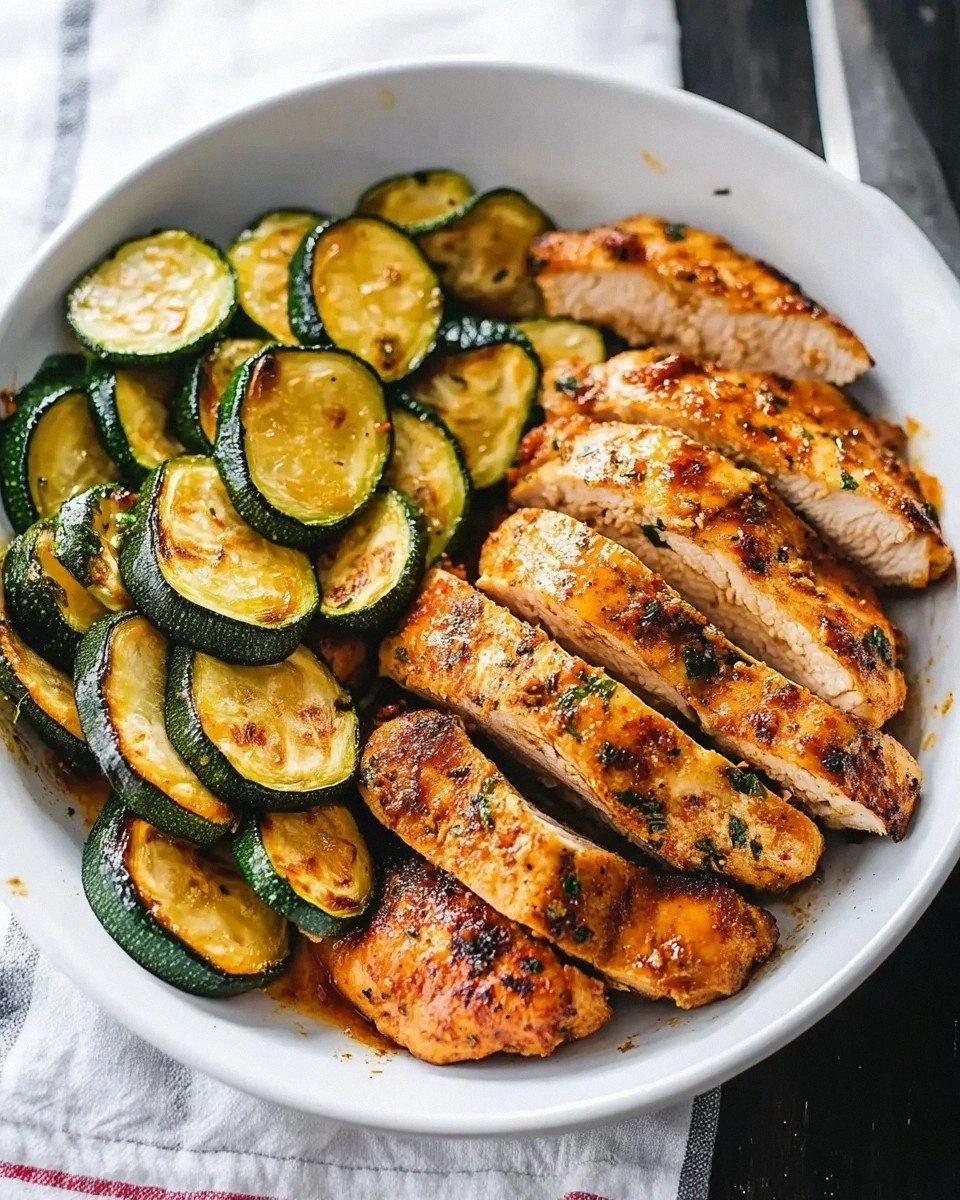
The first bite was a revelation: the chicken, juicy and cloaked in a smoky, spicy glaze, paired with zucchini that was crisp‑tender, bright green, and just a whisper of caramelization on the edges. It was as if a Mexican street‑food cart had set up shop on my stovetop, but with the finesse of a fine‑dining plate. I dared myself to taste it and not go back for seconds—spoiler: I failed miserably, and my cat gave me the judgmental stare that only a feline can muster when you’ve stolen their dinner.
Most recipes out there either drown the chicken in a watery sauce or over‑cook the zucchini until it looks like wilted wallpaper. This version, however, hits the sweet spot between bold heat and balanced flavor, thanks to a few game‑changing tricks that I’m about to spill. I’ll show you why the secret lies not just in the ingredients, but in the order you treat them, the temperature you command, and a handful of hacks that will make you feel like you’ve been cooking professionally for years.
Picture yourself pulling this out of the skillet, the whole kitchen smelling like a fiesta, the sauce glistening like liquid amber, and the zucchini speckles shimmering with a caramel kiss. That moment? Pure magic. Let me walk you through every single step — by the end, you’ll wonder how you ever made it any other way.
What Makes This Version Stand Out
- Flavor Explosion: The asado blend marries smoky chipotle, bright lime, and a whisper of cumin, creating a sauce that coats the chicken like velvet while still letting the natural juices shine.
- Texture Harmony: The chicken stays succulent, the zucchini stays crisp‑tender, and the caramelized edges add a satisfying crunch that shatters like thin ice under a fork.
- Simplicity: You only need a handful of pantry staples and a skillet; no fancy ovens or sous‑vide machines required.
- Unique Twist: A splash of lime juice in the marinade adds a zing that most asado recipes miss, brightening the whole dish.
- Crowd Reaction: I’ve watched grown‑ups and kids alike gasp, grin, and immediately ask for the recipe—this is the kind of dish that turns skeptics into believers.
- Ingredient Quality: Using bone‑in, skin‑on chicken thighs gives you that extra flavor depth; if you’re watching calories, the lean breast works just as well.
- Cooking Method: The high‑heat sear locks in juices, while a quick deglaze creates a glaze that clings without being soggy.
- Make‑Ahead Potential: You can prep the marinade a day ahead, and the sautéed zucchini reheats beautifully, making this a perfect make‑ahead dinner.
Inside the Ingredient List
The Flavor Base
The heart of this dish is the asado sauce, a blend of chipotle in adobo, smoked paprika, garlic, and a splash of lime juice. Chipotle gives you that smoky heat, while the lime cuts through the richness, creating a balanced flavor profile that dances on the palate. If you skip the lime, you’ll lose that bright counterpoint, and the sauce can feel heavy after a few bites. For a deeper smoky note, try adding a pinch of smoked sea salt.
The Texture Crew
Chicken thighs (or breasts, if you must) provide the protein backbone, while zucchini adds a fresh, slightly sweet crunch. The key is to slice the zucchini into half‑moons about a half‑inch thick; this thickness ensures they brown without turning mushy. If you opt for bell peppers or asparagus as a swap, adjust the cooking time—peppers need a bit longer to soften, while asparagus cooks in a flash.
The Unexpected Star
A dash of cinnamon in the spice mix may sound odd, but it adds a subtle warmth that rounds out the heat from the chipotle. This is the secret that most recipes overlook. A pinch is all you need; too much and the flavor shifts toward dessert, which is not what we want here. If you’re allergic to cinnamon, a pinch of ground coriander works as a fragrant alternative.
The Final Flourish
A drizzle of high‑quality olive oil at the end of cooking gives the dish a glossy finish and a silky mouthfeel. Olive oil also helps the sauce cling to the chicken and zucchini, preventing it from sliding off the plate. If you’re watching fats, a light splash of avocado oil works just as well and has a higher smoke point for the sear.
Everything's prepped? Good. Let's get into the real action…
The Method — Step by Step
Start by gathering your chicken pieces—bone‑in thighs work best for flavor, but boneless breasts are fine if you’re watching calories. Pat them dry with paper towels; moisture is the enemy of a good sear. Toss the chicken into a large zip‑top bag, then pour in the asado sauce, lime juice, minced garlic, and a pinch of smoked paprika. Seal the bag, massage the sauce into the meat, and let it marinate for at least 30 minutes, or up to 12 hours for maximum depth. That sizzle when it hits the pan? Absolute perfection.
While the chicken marinates, slice the zucchini into half‑moons about half an inch thick. Sprinkle them lightly with salt and set aside on a paper towel to draw out excess moisture. This step prevents sogginess and ensures the zucchini will caramelize nicely when it hits the heat.
Heat a heavy‑bottomed skillet (cast iron is ideal) over medium‑high heat until it’s almost smoking. Add a tablespoon of olive oil, swirling to coat the surface. When the oil shimmers, lay the chicken skin‑side down (if using thighs) and press gently to ensure full contact. Let it sear undisturbed for 4‑5 minutes; you’ll hear a faint crackle that tells you the Maillard reaction is in full swing.
Flip the chicken and sear the other side for another 3‑4 minutes. At this point, the sauce should have thickened and started to caramelize, creating a glossy glaze that clings to the meat. If the pan looks dry, splash a splash of chicken broth or water—just enough to deglaze without diluting the flavor.
Remove the chicken and set it on a plate, loosely covering with foil to keep it warm. Increase the heat to high, add another drizzle of oil, and toss in the zucchini. Stir‑fry for 2‑3 minutes, letting the edges turn golden brown while the centers stay tender. The aroma of caramelizing zucchini should make your mouth water instantly.
Return the chicken to the skillet, nestling it among the zucchini. Reduce the heat to low, cover, and let everything finish cooking together for another 5‑7 minutes. This gentle finish allows the flavors to meld, and the chicken finishes cooking through without drying out. The sauce should be thick enough to coat a spoon; if it’s too thin, let it reduce uncovered for a minute or two.
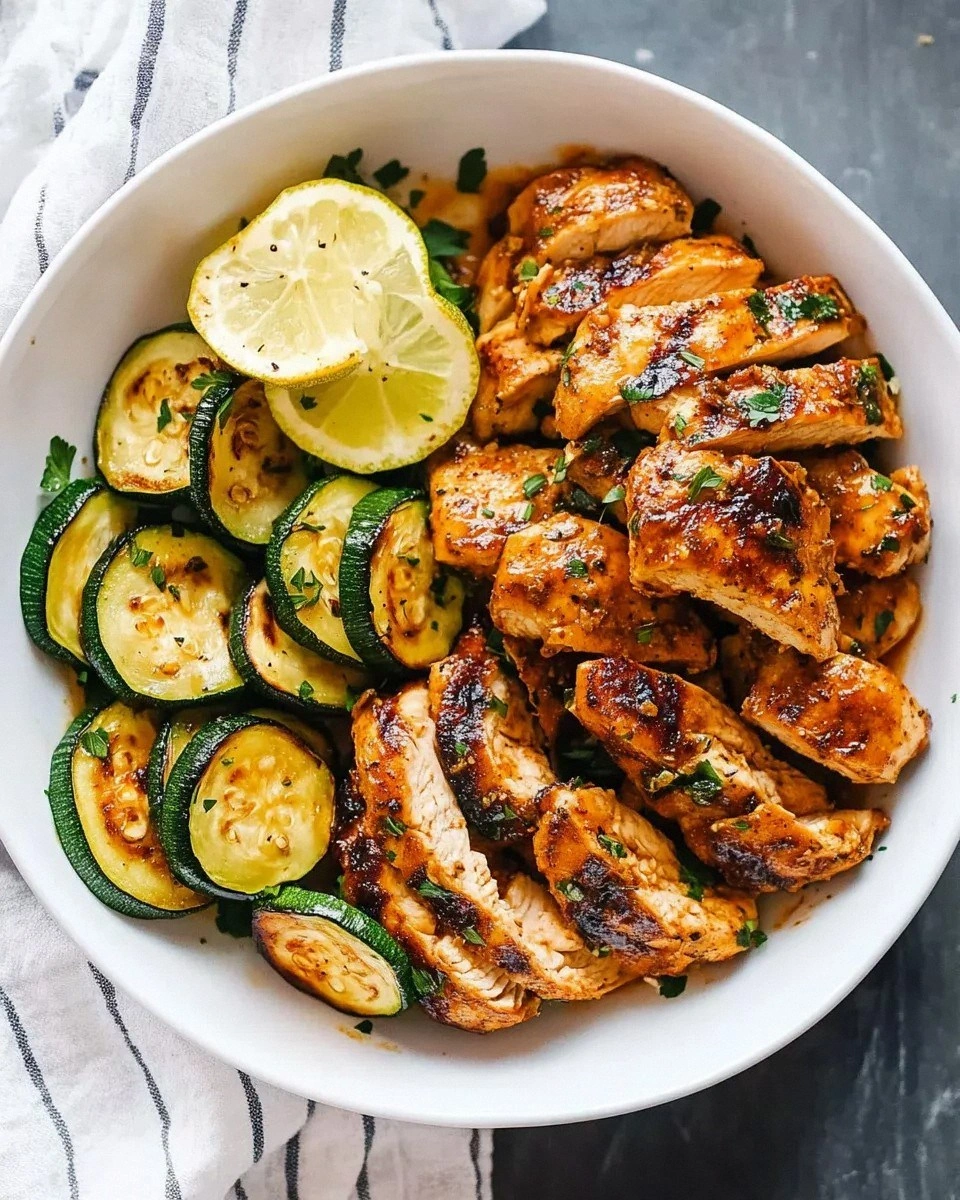
Plate the chicken and zucchini, drizzle any remaining pan sauce over the top, and serve immediately. Pair with a simple side of cilantro‑lime rice or warm tortillas if you like. That moment when you cut into the chicken and see the glossy, pepper‑spiced glaze? Pure culinary bliss. This is hands down the best version you'll ever make at home.
That's it — you did it. But hold on, I've got a few more tricks that'll take this to another level…
Insider Tricks for Flawless Results
The Temperature Rule Nobody Follows
Most home cooks start with a cold pan, thinking it prevents sticking. In reality, a hot pan creates that coveted sear that locks in juices. I once tried the “cold start” method and ended up with pale, rubbery chicken. The rule? Preheat your skillet until a drop of water dances and evaporates instantly, then add the oil. This tiny step makes the difference between “meh” and “wow”.
Why Your Nose Knows Best
Your sense of smell is a more reliable indicator than a timer. When the sauce starts to caramelize, you’ll notice a sweet, smoky scent rising from the pan. If you smell a faint burnt note, you’ve gone too far. Trust that nose; it’s the secret weapon chefs use to avoid over‑cooking.
The 5‑Minute Rest That Changes Everything
After the chicken finishes cooking, let it rest for exactly five minutes. This short pause lets the juices redistribute, preventing a dry bite. I’ve seen friends slice immediately and end up with a puddle of juice on the plate—nothing kills the experience faster than a dry piece of meat.
Sauce Rescue Technique
If your glaze gets too thick, add a splash of cold water or chicken broth while whisking vigorously. The sudden temperature shock breaks down the glaze without losing flavor. A friend once tried to “thin it out” with a ladle of oil, and the sauce turned greasy—never do that.
Seasoning Layers for Depth
Season in three stages: first in the marinade, second when you sear the chicken, and finally with a pinch of finishing salt just before serving. Each layer builds complexity. Skipping any stage leaves the dish flat, like a song missing its chorus.
Creative Twists and Variations
This recipe is a playground. Here are some of my favorite ways to switch things up:
Citrus‑Kick Asado
Add orange zest and a splash of orange juice to the marinade. The citrus notes amplify the lime, creating a bright, summer‑ready flavor profile that pairs wonderfully with grilled corn.
Smoky Bacon Boost
Wrap each chicken thigh with half a slice of thick‑cut bacon before searing. The bacon renders its fat into the pan, infusing the sauce with an extra layer of smokiness that will have bacon lovers swooning.
Herb‑Infused Zucchini
Stir in a handful of fresh thyme or rosemary during the final minute of sautéing the zucchini. The herbaceous aroma adds depth and makes the dish feel more rustic.
Spicy Sweet Fusion
Mix a tablespoon of honey or agave into the sauce before the final reduction. The subtle sweetness balances the heat and creates a glaze that looks gorgeous on the plate.
Asian‑Inspired Flip
Swap chipotle for gochujang (Korean red pepper paste) and add a splash of soy sauce. The result is a umami‑rich, spicy glaze that pairs beautifully with sesame‑seeded zucchini.
Storing and Bringing It Back to Life
Fridge Storage
Cool the chicken and zucchini to room temperature, then transfer to an airtight container. It will keep for up to three days. When reheating, add a teaspoon of water or broth to the pan and cover; the steam will revive the sauce and keep the zucchini from drying out.
Freezer Friendly
Portion the cooked chicken and zucchini into freezer‑safe bags, removing as much air as possible. Freeze for up to two months. Thaw overnight in the refrigerator, then reheat gently on the stovetop, again adding a splash of liquid to restore the glaze.
Best Reheating Method
Use a skillet over medium heat, add a drizzle of oil, and reheat the chicken skin side down for 2‑3 minutes to re‑crisp. Add the zucchini last, tossing just until warmed through. The added water or broth ensures the sauce remains glossy and the meat stays juicy.