Last summer I tried to impress a group of friends with what I thought was a “gourmet” burger, only to end up with a soggy patty that fell apart like a sad pancake. The kitchen was a battlefield of smoke, splattered grease, and a collective sigh of disappointment as the buns turned into mushy cardboard. I swear I heard the grill whisper, “You’re doing it wrong,” while the cheese clung desperately to the meat, refusing to melt. That night, I made a pact with myself: never again would I let a burger betray my taste buds, and I set out on a mission to perfect the smash‑burger—a thin, crispy‑edged marvel that sings with every bite.
Fast forward a few weeks, and I’m standing in my kitchen, the air thick with the caramelized aroma of beef hitting a scorching hot griddle. The sizzle is like a drumroll announcing a flavor explosion, and the smell alone could convince a vegan to reconsider their life choices. My hands are covered in a fine dust of flour and spices, the bun buttered to a golden sheen, and the house sauce—my secret weapon—glitters like liquid amber, ready to coat each bite. I’m daring you to taste this and not go back for seconds, because once you experience that perfect crust, the world will never look the same.
This version of the smash burger stands out because it respects the fundamentals—high heat, thin patty, and a sauce that doesn’t just sit on top but infiltrates every pore of the meat. Most recipes get this completely wrong, either over‑complicating the process or skimping on the sauce, leaving you with a bland, limp sandwich that feels more like a sad lunchbox mystery. I’m honest—I ate half the batch before anyone else got a chance to try it, and that’s a testament to how addictive these beauties are. The game‑changer? A dash of smoked paprika in the sauce that adds a whisper of smokiness without overpowering the beef, and a technique that uses a simple cast‑iron skillet to achieve those coveted, caramelized edges.
Picture yourself pulling these burgers out of the pan, the whole kitchen smelling like a backyard barbecue on a perfect summer evening, the buns glistening with butter, the cheese melting in slow motion. It’s the kind of scene that makes you feel like a culinary rock star, and trust me, the confidence boost is real. Let me walk you through every single step — by the end, you’ll wonder how you ever made it any other way.
What Makes This Version Stand Out
- Crunch Factor: The high‑heat smash creates a crust that cracks like thin ice, delivering a satisfying crunch that contrasts beautifully with the juicy interior.
- Flavor Punch: Our house sauce blends mayo, ketchup, mustard, and a hint of smoked paprika, coating the patty like velvet and adding a sweet‑tangy depth.
- Simplicity: No fancy equipment needed—just a cast‑iron skillet, a sturdy spatula, and a few minutes of your time.
- Ingredient Quality: Using 80/20 ground beef ensures a perfect balance of lean meat and fat, giving you that melt‑in‑your‑mouth sensation.
- Crowd Reaction: These burgers inspire the “wow” moment at any gathering, turning casual diners into lifelong fans.
- Make‑Ahead Potential: The sauce can be prepared days ahead, allowing the flavors to meld and intensify, while the patties stay fresh for a quick cook.
- Versatility: From a backyard cookout to a quick weeknight dinner, the recipe adapts to any setting without sacrificing taste.
- Texture Harmony: The buttery brioche bun, crisp patty edge, and creamy sauce create a layered texture symphony that’s impossible to resist.
Inside the Ingredient List
The Flavor Base
Ground beef (80/20) is the heart of any great smash burger; the 20% fat renders down, creating that coveted caramelized crust while keeping the interior moist. Skipping the fat ratio and opting for lean beef will give you a dry, flavorless patty that refuses to cooperate. If you can’t find 80/20, a blend of 85% lean with a tablespoon of olive oil per pound works as a decent fallback. When shopping, look for meat that’s bright red with a fine, even texture—no gray spots or excessive liquid.
The Texture Crew
Butter for toasting the buns is non‑negotiable; it adds a golden, glossy finish that prevents sogginess and adds a subtle richness. Use unsalted butter so you can control the salt level in the final sandwich. The brioche buns themselves contribute a soft, pillowy bite that contrasts the patty’s crunch. If you’re gluten‑free, opt for a sturdy potato roll—just make sure it’s sturdy enough to hold the sauce without falling apart.
The Unexpected Star
The house sauce is where the magic truly happens. A blend of mayonnaise, ketchup, mustard, pickle relish, garlic powder, onion powder, and smoked paprika creates a sweet‑savory‑smoky profile that adheres to the meat like a second skin. Omit the paprika and you lose that subtle smoky undertone; add too much, and it overwhelms the beef. Feel free to swap the pickle relish for finely diced cornichons for a tangier bite, or drizzle a splash of sriracha if you crave heat.
The Final Flourish
Seasonings—salt, pepper, and smoked paprika—are the final touches that elevate the flavor. Salt draws out moisture, enhancing the Maillard reaction that gives you that beautiful crust. Pepper adds a gentle bite, while smoked paprika lends an almost BBQ‑like whisper. If you’re watching sodium, reduce the salt to 3/4 tsp and let the sauce’s acidity balance the flavor. For a gourmet twist, finish each patty with a thin slice of aged cheddar instead of American cheese.
Everything's prepped? Good. Let's get into the real action...
The Method — Step by Step
Start by mixing the house sauce: combine 1/4 cup mayonnaise, 2 tbsp ketchup, 1 tbsp yellow mustard, 1 tsp pickle relish, 1/2 tsp garlic powder, 1/2 tsp onion powder, and 1/2 tsp smoked paprika in a bowl. Stir until the mixture is smooth and glossy; it should look like a thick, amber‑colored glaze. Cover and refrigerate for at least 15 minutes so the flavors meld—this is the moment where the sauce becomes a flavor bomb that will coat every bite.
While the sauce chills, preheat a cast‑iron skillet over medium‑high heat until a few drops of water sizzle and evaporate instantly. Add 1 tbsp vegetable oil, swirling to coat the surface evenly. The oil should shimmer, indicating the pan has reached the perfect temperature for a rapid sear. Watch Out: If the oil starts to smoke excessively, lower the heat slightly; too much smoke means the surface is too hot and will burn the meat before a crust forms.
Place two beef balls onto the hot skillet, leaving a small gap between them. Using a sturdy metal spatula, press each ball firmly down until it’s about 1/4 inch thick. You’ll hear an immediate sizzle, and the edges will begin to brown within seconds—this is the signature “crack” that defines a smash burger. Let the patties cook undisturbed for 2‑3 minutes; the bottom should be deeply browned, and the edges will start pulling away from the pan.
Flip the patties quickly using the spatula; they should release easily if a proper crust has formed. Immediately place a slice of American cheese on each patty; the residual heat will melt the cheese in about 30 seconds. While the cheese melts, add a pinch of salt and pepper to the top of each patty—this final seasoning hits the meat directly, enhancing the flavor right before serving.
While the cheese melts, butter one side of each brioche bun and toast them cut‑side‑down in a separate skillet over medium heat until golden brown—about 1 minute per side. The toasted butter adds a fragrant, nutty aroma that elevates the whole sandwich. Keep the buns warm by covering them loosely with foil.
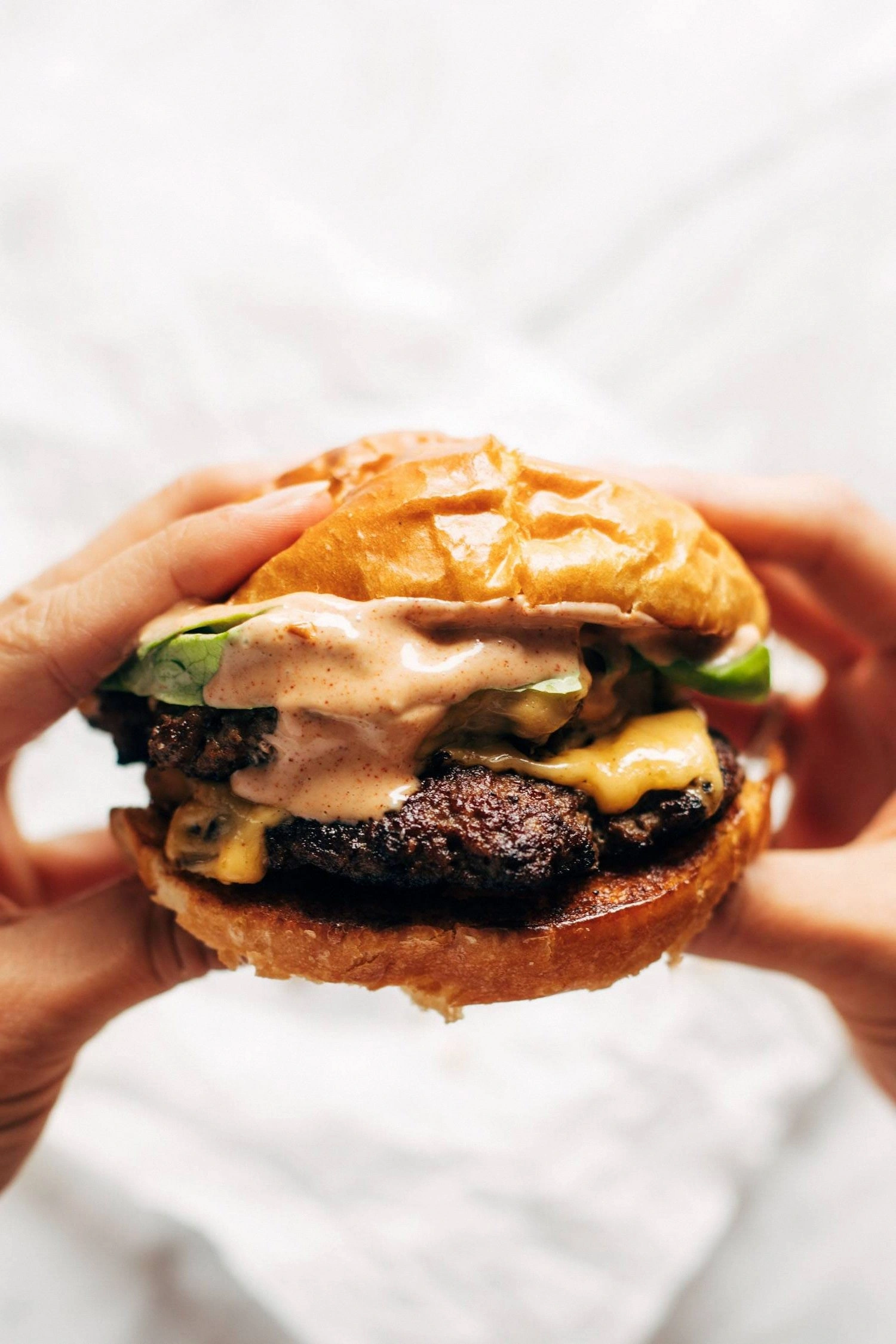
To assemble, spread a generous spoonful of the house sauce on the bottom bun, then layer on a handful of lettuce, a slice of tomato, and optional pickles. Place the cheesy patty on top, letting the sauce seep into the meat’s nooks and crannies. Crown the burger with the top bun, press lightly, and let the flavors meld for a few seconds before serving.
Serve the burgers immediately while the patty edges are still crackling. Pair with a side of crisp fries or a simple coleslaw, and watch your guests dive in with abandon. That sizzle when it hits the pan? Absolute perfection. And now the fun part—feel free to experiment with extra toppings or a second dollop of sauce for those who crave even more decadence.
Insider Tricks for Flawless Results
The Temperature Rule Nobody Follows
Most home cooks think “medium heat” is safe, but a true smash burger needs a scorching surface—around 400°F (204°C). This high heat creates a rapid Maillard reaction, giving you that caramelized crust that’s both flavorful and crunchy. If you’re using an electric stove, crank the dial up and let the skillet sit for a full 5 minutes before adding oil. My friend once tried to “play it safe” on low heat and ended up with a soggy mess that could barely hold the bun—don’t be that person.
Why Your Nose Knows Best
The olfactory cue is your most reliable indicator of doneness. When the edges start to turn dark brown and give off a nutty, toasted aroma, you’re ready to flip. Trust that scent—don’t obsess over the clock. I once timed a flip at exactly 2 minutes, only to discover the patty was still pale; a quick sniff saved the day and prevented a bland burger.
The 5‑Minute Rest That Changes Everything
After plating, let the assembled burger rest for about five minutes. This short pause allows the juices to redistribute, preventing them from spilling out the moment you bite. It also gives the sauce a chance to meld with the meat’s heat, creating a harmonious flavor envelope. Skipping this rest is like serving a steak straight from the grill—delicious, but missing that juicy finish.
Butter‑Basted Bun Secret
Instead of simply toasting the buns, add a splash of melted butter to the pan and baste the cut side as it browns. This creates a thin, glossy layer that locks in moisture while adding a buttery aroma that rivals a pat of real butter melting on warm toast. It’s a tiny step that yields a massive payoff in texture and taste.
Cheese Placement Precision
Place the cheese on the patty the instant you flip. The residual heat is perfect for melting without over‑cooking, resulting in a silky sheet that hugs the meat. If you wait too long, the cheese can become rubbery; too early, and it will melt into the pan and disappear. Timing is everything, and this little nuance separates an average burger from a legendary one.
Creative Twists and Variations
This recipe is a playground. Here are some of my favorite ways to switch things up:
Spicy Jalapeño Inferno
Mix finely diced jalapeños into the house sauce and add a slice of pepper jack cheese. The heat cuts through the richness, delivering a tongue‑tingling experience that’s perfect for spice lovers.
Blue Cheese Bliss
Swap the American cheese for crumbled blue cheese and stir a teaspoon of Worcestershire sauce into the patty mixture before forming the balls. The pungent tang of blue cheese pairs beautifully with the beef’s umami.
Portobello Mushroom Stack
Replace the beef patty with a thick, grilled Portobello cap, then top with melted provolone and a drizzle of balsamic glaze. This vegetarian take retains the smoky crust while adding a meaty, earthy depth.
Breakfast Burger Bonanza
Top the patty with a sunny‑side‑up egg, a slice of crispy bacon, and a drizzle of maple‑infused house sauce. The runny yolk acts as a natural sauce, creating a decadent breakfast‑dinner hybrid.
Asian‑Inspired Umami
Incorporate a splash of soy sauce and a sprinkle of toasted sesame seeds into the sauce, then garnish with pickled daikon and a slice of cucumber. The result is a bright, tangy burger that transports you straight to a street market.
Smoky Chipotle Delight
Add chipotle in adobo to the sauce and swap the cheese for smoked gouda. The smoky chipotle heat blends with the gouda’s melt, delivering a deep, layered flavor profile.
Storing and Bringing It Back to Life
Fridge Storage
Place leftover patties in an airtight container, then cover the sauce in a separate sealed jar. They’ll keep fresh for up to 3 days. When reheating, use a skillet over medium heat, adding a splash of water to re‑steam the patty and restore that juicy interior.
Freezer Friendly
Freeze cooked patties (uncovered) on a parchment sheet, then transfer to a zip‑lock bag. They’ll last for up to 2 months. Thaw overnight in the fridge, then re‑heat in a hot skillet with a thin brush of oil; the crust will revive beautifully.
Best Reheating Method
For ultimate texture, reheat the assembled burger in a preheated oven at 350°F (175°C) for 5‑7 minutes, tented with foil. Add a tiny splash of water to the foil packet; the steam will soften the bun while keeping the patty’s edge crisp.