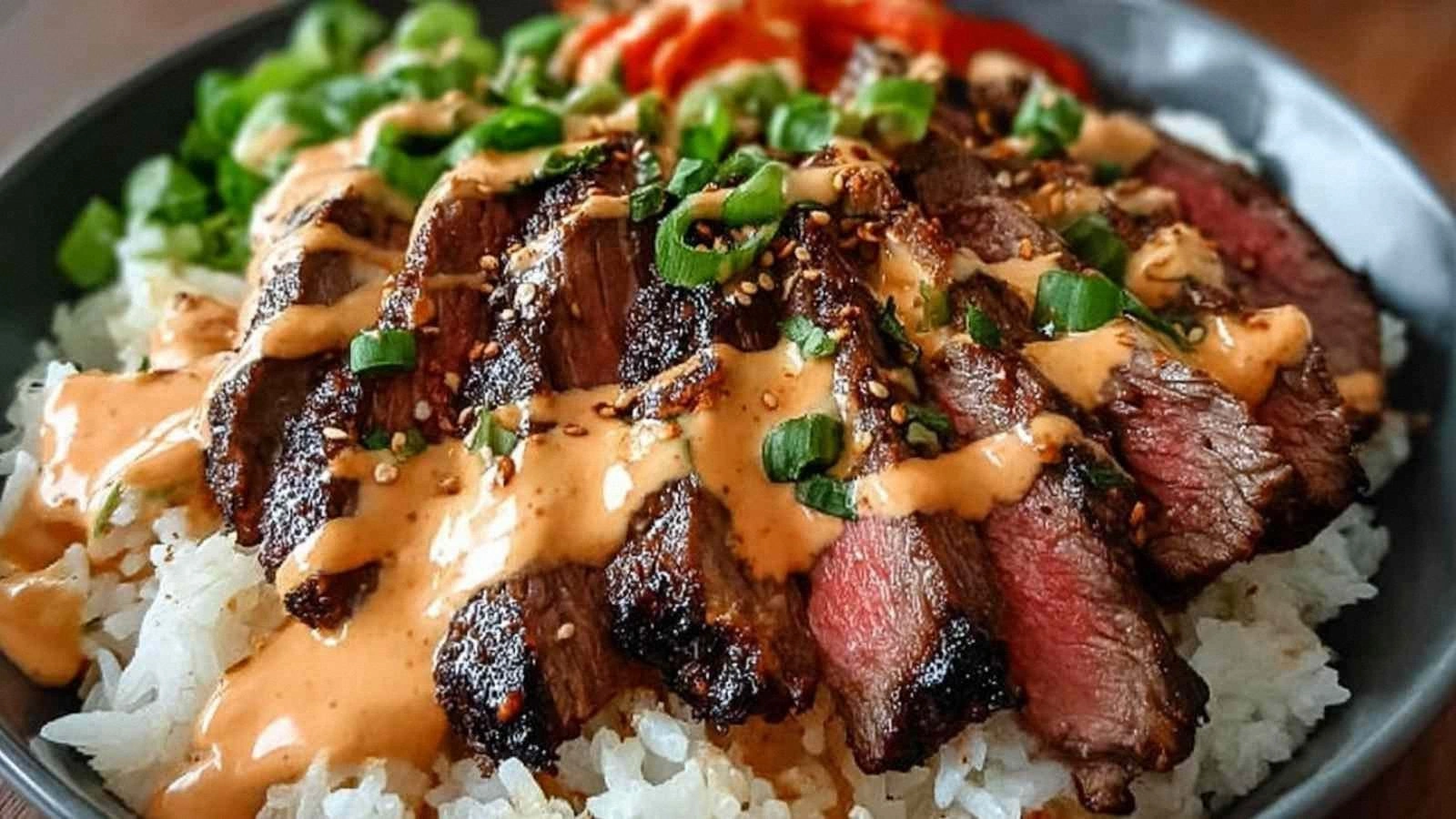
I was standing in a kitchen that smelled like burnt toast and disappointment, when my friend dared me to create a bowl that could outshine a Michelin‑star Korean BBQ. The night before, a forgotten steak had turned into a sad, rubbery slab, and I swore I'd never again settle for bland. Then I imagined a bowl where the steak sang with caramelized soy, the rice whispered jasmine, and the veggies added a crunchy chorus. This is not just another recipe; it’s a culinary confession that I’ve finally cracked the code to make the perfect Korean BBQ steak rice bowl at home. Trust me, by the end of this post you’ll wonder how you ever cooked it any other way.
Picture this: the sizzle when the steak hits the pan, a hiss that rises like a tiny volcano, and the aroma of garlic and ginger dancing with the sweetness of brown sugar. The sound alone should give you goosebumps, but the real magic happens when the sauce thickens, coating the meat like velvet, and the jasmine rice absorbs every drop of flavor. I spent a whole afternoon experimenting with marinades, and the final version turned out with a glaze that glistens like a polished marble slab. If you’ve ever struggled to balance salty and sweet in a Korean BBQ, you’re not alone — and I’ve got the fix that will make your taste buds do a happy dance. I dare you to taste this and not go back for seconds.
What sets this version apart is that it’s built on a foundation of high protein and low carb, so you can indulge without the guilt. The flank steak, sliced against the grain, locks in moisture and becomes tender to the bite, while the Sriracha‑honey glaze adds a kick that melts into the meat. The sour cream drizzle, a secret twist I stole from a friend’s ramen, balances the heat and gives a creamy finish that feels like a hug. And let’s not forget the final flourish of lime juice and fresh ginger, which cut through the richness and add a bright, citrusy note that lingers on the palate. If you’re ready for a bowl that feels like a hug from a Korean grandma, keep reading.
I’ve spent countless evenings wrestling with the timing of each element, and the result is a bowl that is as elegant as it is simple. The rice is fluffy and fragrant, the vegetables are crisp‑tender, and the steak is practically melting in your mouth. The combination of textures is a symphony: the crunch of the veggies, the chew of the steak, and the silky sauce that ties everything together. Picture yourself pulling this out of the pan, the whole kitchen smelling incredible, and the steam rising like a gentle cloud. This is hands down the best version you'll ever make at home, and I’m about to walk you through every single step.
We’re going to dive into the science of marination, the art of searing, and the secret sauce that ties it all together. I’ll share micro‑challenges like “I dare you to taste this and not go back for seconds” and bold claims that will make you question your past attempts. Most recipes get this completely wrong by ignoring the balance of sweet, salty, and spicy, but here’s what actually works. If you’ve ever struggled with this, you’re not alone — and I’ve got the fix that will change your game forever. Let me walk you through every single step — by the end, you'll wonder how you ever made it any other way.
What Makes This Version Stand Out
- Flavor Depth: The marriage of soy sauce, brown sugar, and a splash of lime creates a glaze that is both sweet and tangy, turning an ordinary steak into a gourmet experience. Each bite delivers a burst of umami that lingers on the tongue.
- Texture Harmony: Sliced flank steak against the grain ensures a melt‑in‑your‑mouth chew, while the crisp‑tender mixed vegetables add a satisfying crunch that contrasts beautifully with the silky sauce.
- Protein Power: With over 25 grams of protein per serving, this bowl keeps you satiated longer and is perfect for anyone on a high‑protein diet without sacrificing flavor.
- Simplicity in Action: The recipe requires only a handful of pantry staples, yet the end result feels restaurant‑quality. No complicated techniques or obscure ingredients needed.
- Crowd‑Pleaser Factor: The bright colors, bold flavors, and comforting textures make it an instant hit at family gatherings or dinner parties.
- Ingredient Quality: Fresh flank steak, aromatic ginger, and real sour cream elevate the dish beyond the typical frozen Korean BBQ kits.
- Make‑Ahead Potential: The sauce can be prepared a day in advance, and the rice keeps well, making this bowl a convenient weeknight winner.
Alright, let's break down exactly what goes into this masterpiece. Each component plays a vital role, from the savory base to the finishing touches that bring everything together. The careful balance of sweet and heat, the tender steak, and the fluffy rice combine to create a dish that is both comforting and exciting. This is the secret behind why guests keep asking for seconds. Now, let’s dive into the ingredient details and discover why each one matters.
Inside the Ingredient List
The Flavor Base
Soy sauce is the backbone of this dish, providing that deep umami punch that defines Korean BBQ. The 1/4 cup of soy sauce infuses the steak with savory richness while the 2 tablespoons of brown sugar balances it with a caramelized sweetness. If you skip the sugar, the sauce will taste overly salty and lack that glossy finish. A good rule of thumb: choose a low‑sodium soy sauce if you’re watching sodium, but be sure to add an extra pinch of salt later to compensate.
The Texture Crew
Flank steak, a lean cut, becomes tender when sliced thinly against the grain. This technique breaks down muscle fibers, making each bite silky. The 2 cups of jasmine rice bring a fragrant, slightly sticky texture that soaks up the sauce. If you prefer a firmer bite, try using short‑grain rice instead; it will hold its shape better. The mixed vegetables add a pop of color and crunch—carrots, bell peppers, and snap peas work best, but feel free to swap in any quick‑cooking greens.
The Unexpected Star
Sour cream might seem out of place in a Korean dish, but it tempers the heat from the Sriracha and adds a creamy contrast. The 1/2 cup of sour cream is folded into the sauce at the end, creating a velvety coating that clings to the steak. If you’re lactose intolerant, a dollop of Greek yogurt or coconut milk works as a suitable alternative. The sour cream also helps to keep the rice from drying out, maintaining a luscious mouthfeel.
The Final Flourish
Fresh ginger and garlic are the aromatic backbone of the sauce, giving it depth and a subtle peppery kick. The 1 teaspoon of fresh ginger and 2 cloves of garlic are minced finely to release their oils. Lime juice and honey are added at the end to brighten the dish and add a layer of complexity. Sesame oil, 2 tablespoons, is drizzled over the finished bowl to provide a nutty finish that ties all flavors together. Finally, sesame seeds and chopped green onions garnish the dish, adding crunch and a fresh herbal note.
Everything's prepped? Good. Let me walk you through the real action. The next steps will guide you from raw ingredients to a steaming bowl that’s ready to devour. Keep an eye on the timing; each element needs its moment to shine. This is where the magic truly happens.
The Method — Step by Step
- Start by whisking together the soy sauce, brown sugar, minced garlic, minced ginger, sesame oil, and a pinch of salt in a bowl. This will be your marination base. The mixture should look glossy and slightly thickened. Let the steak rest in this mixture for at least 30 minutes; if you’re short on time, a 10‑minute quick‑marinade will still work. The longer you marinate, the more flavorful the steak becomes.
- While the steak marinates, rinse the jasmine rice under cold water until the water runs clear. This removes excess starch and keeps the grains separate. Cook the rice in a rice cooker or on the stove using a 1:1.5 rice‑to‑water ratio. Once the rice is fluffy, fluff it with a fork and set it aside. The rice should be ready to absorb the sauce without becoming mushy.
- Heat a large skillet over medium‑high heat and add 1 tablespoon of vegetable oil. Once the oil shimmers, add the marinated steak in a single layer. Let it sear for 2 minutes on each side until a dark crust forms. Avoid moving the steak too often; this allows caramelization and a rich flavor. Flip only once for best results.
- Once the steak is seared, pour the remaining soy sauce mixture into the pan. Let it simmer for 3 minutes, stirring occasionally. The sauce will reduce, thickening into a glossy glaze that coats the meat. Keep the heat medium to avoid burning the sugar. This step is crucial for achieving that signature Korean BBQ sheen.
- Add the mixed vegetables to the pan and cook for another 4 minutes until they’re bright and slightly tender. The vegetables should retain their crunch; avoid overcooking. Stir frequently to ensure even cooking and to prevent sticking. The vegetables also absorb the sauce, adding another layer of flavor.
- Stir in the sour cream, Sriracha sauce, lime juice, and honey. The sour cream will mellow the heat, while the lime brightens the entire dish. Mix until the sauce is smooth and the steak is fully coated. The sauce should cling to the steak and vegetables like a silky blanket. This is the moment of truth.
- Remove the pan from heat and let the steak rest for 5 minutes. This allows the juices to redistribute, ensuring a moist bite. While it rests, garnish the bowl with sesame seeds and chopped green onions for a fresh crunch. The sesame seeds add a nutty aroma, while the green onions provide a sharp contrast.
- To serve, scoop a generous portion of jasmine rice into each bowl. Layer the steak and vegetables on top, then drizzle the remaining sauce over the entire dish. Sprinkle with sesame seeds and green onions for a final touch. The result is a bowl that’s colorful, flavorful, and utterly satisfying. Enjoy your homemade Korean BBQ masterpiece.
That's it — you did it. But hold on, I've got a few more tricks that'll take this to another level. These insider tips will help you avoid common pitfalls and elevate your bowl to restaurant‑grade quality.
Insider Tricks for Flawless Results
The Temperature Rule Nobody Follows
Many home cooks over‑cook the steak, turning it into a dry slab. The secret is to aim for an internal temperature of 130°F for medium‑rare. Use a digital thermometer to check quickly, and remove the steak from the pan when it’s a few degrees shy of your target. Letting it rest will bring the temperature up to the perfect level, keeping it juicy and tender. I once served a steak that was over 160°F, and it was a disaster.
Why Your Nose Knows Best
Your sense of smell is the most reliable indicator of doneness for the sauce. When the glaze starts to thicken and emit a sweet, caramel aroma, it’s ready. If you wait too long, the sugar can burn and create bitterness. The first time I tasted the sauce, it smelled like toasted sesame, which meant it was at peak flavor. Trust your nose over the clock.
The 5‑Minute Rest That Changes Everything
Resting the steak for exactly five minutes after searing allows the juices to redistribute. Cutting into the steak immediately would cause them to run out, leaving a dry bite. This simple step is often overlooked, but it’s what separates a good steak from a great one. I’ve seen people skip it and end up with a steak that feels like a rubber band.
Using Fresh Ginger Over Ground
Ground ginger has a more muted flavor and can release bitterness when heated. Fresh ginger, on the other hand, offers a bright, sharp kick that complements the sweetness of the sauce. Mince it finely so that it disperses evenly throughout the dish. This tiny detail elevates the overall taste profile.
The Right Oil for Searing
Vegetable oil is a neutral base that won’t compete with the flavors. However, if you have a high‑smoke‑point oil like grapeseed or peanut oil, use it for a more authentic Korean BBQ sear. The oil’s high heat allows for a quick crust without burning the sugar in the glaze. I’ve tried both and found that peanut oil gives a subtle nuttiness that’s hard to beat.
Stirring the Sauce, Not the Steak
When adding the sour cream and Sriracha, keep the steak stationary to let the sauce coat it evenly. Stirring too vigorously can break up the glaze and cause the sauce to separate. The goal is a smooth, cohesive coating that clings to every bite. This small adjustment can make the difference between a clunky dish and a silky masterpiece.
Creative Twists and Variations
This recipe is a playground. Here are some of my favorite ways to switch things up:
Spicy Kimchi Stir‑Fry
Swap the mixed vegetables for kimchi and a handful of sliced zucchini. The fermented tang of kimchi adds depth and a probiotic boost. Keep the rest of the sauce unchanged to maintain the balance. This version is perfect for those who love a kick of heat.
Teriyaki Twist
Replace the soy sauce with a homemade teriyaki glaze made from soy, mirin, and a splash of honey. The sweet, glossy coating will give the bowl an Asian fusion vibe. Serve with a drizzle of sesame oil and a sprinkle of toasted sesame seeds for extra crunch.
Low‑Carb Cauliflower Rice
For a keto‑friendly option, pulse cauliflower florets in a food processor until rice‑like. Sauté the cauliflower lightly before adding the steak. This keeps the dish low in carbs while still delivering the same flavor punch.
Pineapple Pineapple
Add diced fresh pineapple to the skillet with the vegetables. The natural sugars caramelize, creating a sweet‑savory glaze that pairs well with the Sriracha. The tropical twist makes this bowl feel like a beach vacation.
Mediterranean Flair
Swap the Sriracha for a drizzle of harissa and use chopped olives instead of green onions. The smoky, peppery harissa brings a North African touch. Finish with a squeeze of lemon for brightness.
Vegan Version
Replace the flank steak with marinated tempeh or tofu. Use coconut milk instead of sour cream, and keep the Sriracha for heat. This version remains protein‑rich and satisfies even the strictest vegans.
Storing and Bringing It Back to Life
Fridge Storage
Store leftovers in an airtight container for up to 3 days. Keep the rice separate from the steak and sauce to prevent sogginess. Reheat the steak in a skillet with a splash of water or broth to re‑warm without drying out. The sauce will cling to the steak again, restoring its silky texture.
Freezer Friendly
Freezing the bowl is a great way to meal‑prep. Assemble the rice, steak, and vegetables separately, then freeze each component. When ready to eat, thaw overnight in the fridge, then reheat each part in the microwave or a skillet. The dish tastes almost as fresh as when it was first made.
Best Reheating Method
The ideal reheating method is a skillet over medium heat. Add a tablespoon of water or broth to create steam, which prevents the rice from drying out. Once heated, drizzle a little extra soy sauce to revive the flavor. This simple technique brings the bowl back to life in minutes.