It started with a single pan and a half‑pint of disappointment. I was trying to make a quick dinner for a group of friends, but the chicken ended up dry, the sauce too thin, and the whole thing felt like a culinary cautionary tale. That night, I stared at the empty fridge, craving something that could turn a bland evening into a fiesta. I swore I’d find a recipe that could rescue any kitchen disaster and turn it into applause.
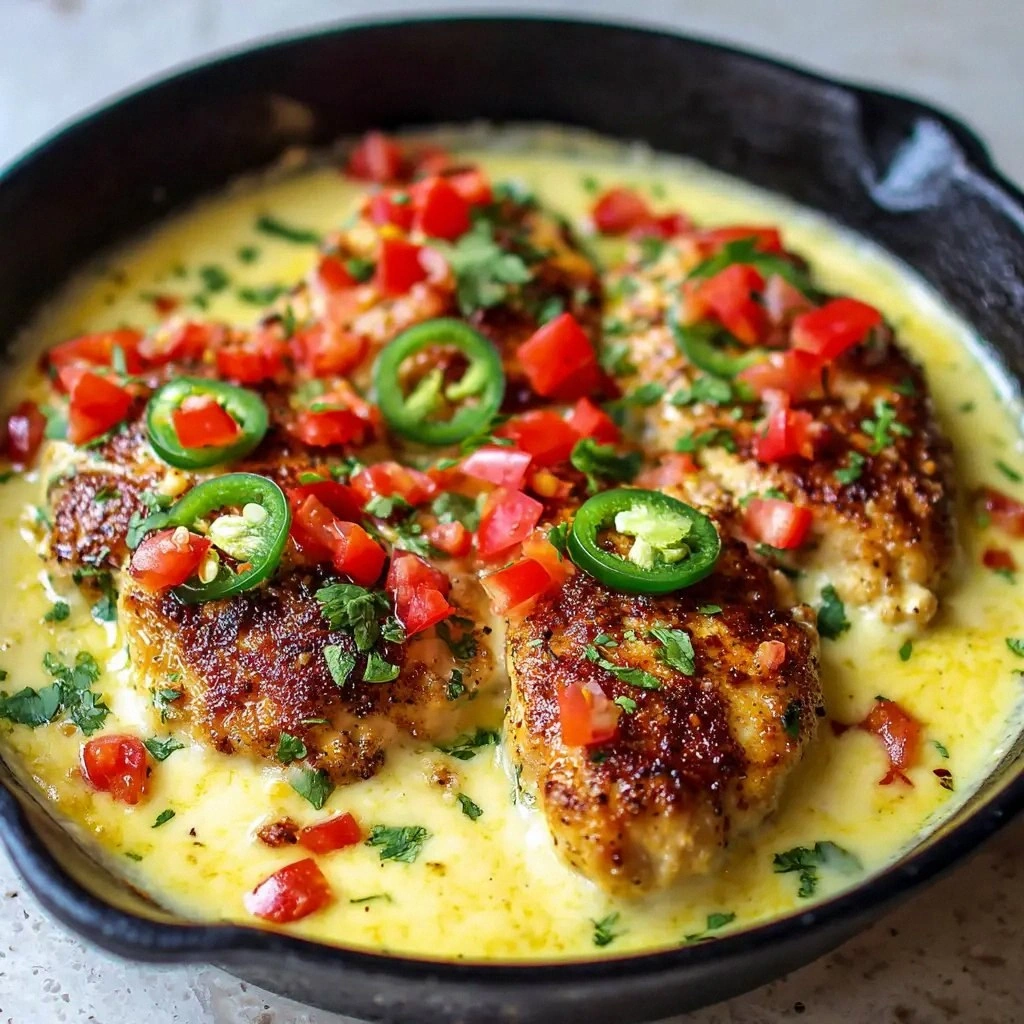
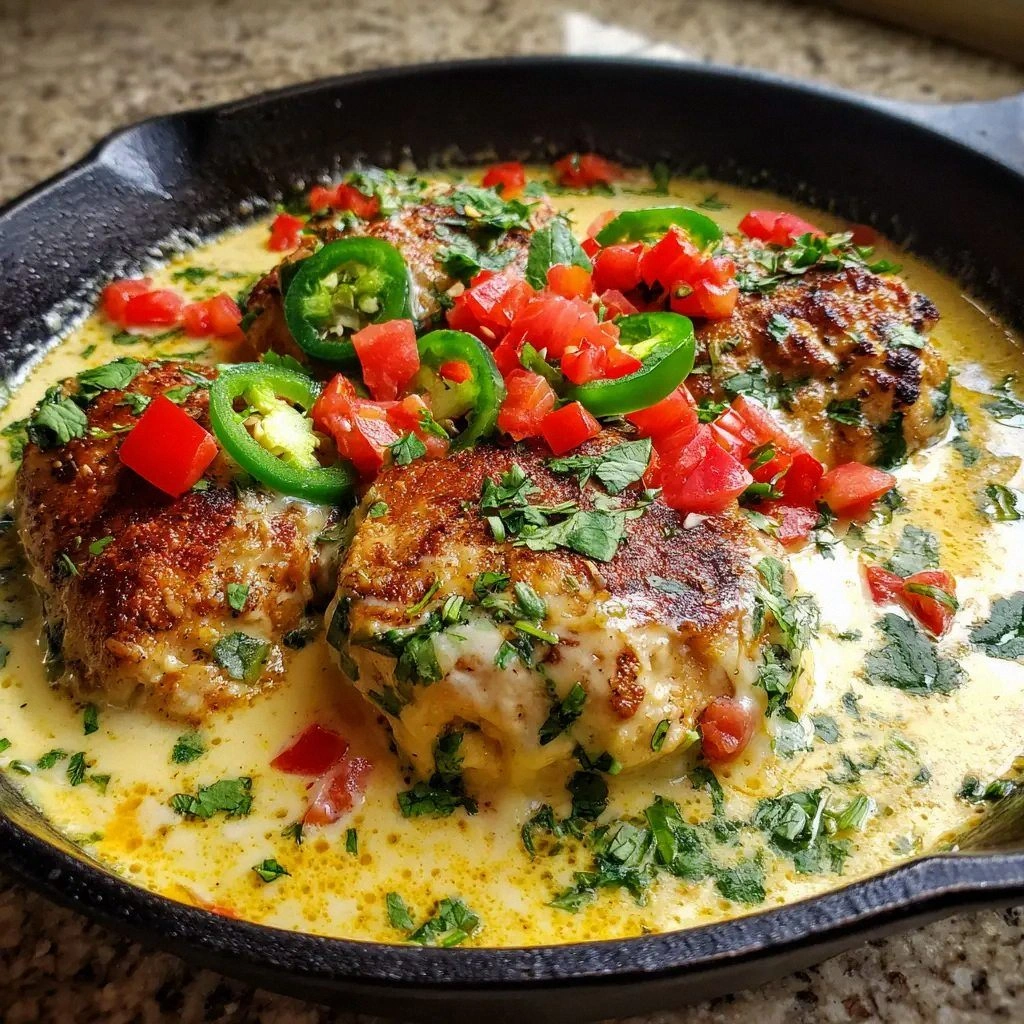
Picture this: a sizzling skillet that smells like cumin, chili, and fresh cilantro, the heat rising like a sunrise over a desert. The sound of the chicken searing is a rhythmic drumbeat that promises flavor. The color—deep amber on the meat, bright green from the cilantro, and a golden sheen from the cheese sauce—creates a visual feast. The first bite is a burst of smoky, savory heat that lingers on the tongue, followed by a creamy, velvety finish that coats the palate. The texture is a dance between crispy edges and tender interior, a contrast that makes every mouthful an adventure.
What sets this skillet apart is that it’s not just a dish; it’s a performance. The sauce is made with a roux that creates a silky base, then thickened with a splash of whole milk that gives it that luxurious mouthfeel. The combination of Monterey Jack and white cheddar adds a melty, slightly sharp edge that balances the heat of the jalapeño. The tomatoes contribute a subtle sweetness that cuts through the richness, while the cilantro brings a fresh, citrusy lift. Every ingredient works in harmony, like a well‑orchestrated symphony of Mexican flavors.
But the real secret is the technique that makes the sauce coat the chicken like velvet, not cling like a bad habit. I’ve discovered that starting with a hot pan and letting the chicken develop a golden crust before adding the sauce is the key to locking in juices. The result is a dish that feels indulgent yet stays grounded in simple, honest flavors. If you’ve ever tried a recipe that fell flat, this one will turn your kitchen into a stage.
I dare you to taste this and not go back for seconds. This is hands down the best version you’ll ever make at home. If you’ve ever struggled with a skillet chicken that ends up dry, you’re not alone—and I’ve got the fix. Picture yourself pulling this out of the pan, the whole kitchen smelling incredible, and your guests begging for a second plate. Okay, ready for the game‑changer? Let me walk you through every single step — by the end, you’ll wonder how you ever made it any other way.
What Makes This Version Stand Out
- Flavor: The blend of chili powder, cumin, and a splash of whole milk creates a depth that feels both spicy and comforting. The cheese mix adds a creamy richness that balances the heat.
- Texture: The chicken’s seared crust gives a satisfying snap, while the sauce coats it like velvet, preventing dryness.
- Simplicity: With only nine steps and minimal prep, you can have a restaurant‑style dish on the table in less than an hour.
- Uniqueness: The combination of Monterey Jack and white cheddar in the sauce is a twist that elevates a classic skillet chicken.
- Crowd Reaction: Friends who’ve tried it say they can’t believe it’s homemade; it feels like a takeout hit.
- Ingredient Quality: Using boneless skinless chicken breast fillets ensures tenderness, while fresh jalapeño and cilantro bring bright, authentic flavors.
- Cooking Method: The single‑pan approach saves time and reduces cleanup, making it perfect for busy evenings.
- Make‑Ahead Potential: The dish can be assembled ahead of time and reheated without losing flavor, making it great for meal prep.
Alright, let’s break down exactly what goes into this masterpiece…
Inside the Ingredient List
The Flavor Base
Chili powder and ground cumin are the backbone of this dish, providing that smoky, earthy kick that defines Mexican cuisine. These spices are measured precisely—1 teaspoon each—to avoid overpowering the delicate chicken. If you’re a spice enthusiast, feel free to bump the chili powder to 1½ teaspoons for an extra punch. Skipping them would leave the dish flat and forgettable.
Kosher salt and black pepper are the simple seasonings that elevate every component. Salt brings out the natural sweetness of the tomatoes, while pepper adds a subtle heat that complements the jalapeño. A pinch more salt can be added at the end if you prefer a saltier finish; just remember that the cheese already contributes sodium.
The Texture Crew
Olive oil is the secret to a crisp, golden crust on the chicken. It also helps the spices adhere to the meat, ensuring even flavor distribution. If you’re looking for a lighter version, try a neutral oil like grapeseed, but the olive oil’s fruity undertones add a nice depth.
Unsalted butter and all‑purpose flour form the roux that thickens the sauce. The butter’s richness contrasts with the flour’s mild flavor, creating a silky base. If you’re vegan, replace butter with coconut oil and use a gluten‑free flour blend; the texture will remain smooth.
The Unexpected Star
Whole milk is the unexpected hero that turns a simple cheese sauce into a luxurious, creamy blanket. It keeps the sauce from becoming too thick or chalky, maintaining a silky mouthfeel. For a richer sauce, swap the milk for half‑and‑half or cream; just reduce the amount to avoid a runaway consistency.
Monterey Jack and white cheddar cheese bring a melty, slightly sharp flavor that balances the heat from the jalapeño. The blend melts smoothly, creating a glossy coating on the chicken. If you’re a fan of sharp cheddar, you can increase the cheddar portion slightly, but keep the Monterey Jack for meltiness.
The Final Flourish
Red tomatoes add a sweet, acidic bite that cuts through the richness of the cheese sauce. They also provide a pop of color that makes the dish visually appealing. If you can’t find fresh tomatoes, canned diced tomatoes work; just drain them to avoid excess liquid.
Fresh green cilantro and a medium green jalapeño finish the dish with bright, herbal and peppery notes. The cilantro adds a citrusy lift, while the jalapeño gives a clean, sustained heat that lingers on the palate. If you’re heat‑averse, remove the seeds from the jalapeño; for extra heat, leave them in.
Everything’s prepped? Good. Let’s get into the real action…
The Method — Step by Step
- Heat a large skillet over medium‑high heat and add 2 tablespoons of olive oil. Let the oil shimmer; this signals that the pan is ready. When you drop a pinch of salt into the oil, it should sizzle immediately. This step is crucial for developing the chicken’s golden crust.
- Pat the chicken breasts dry with paper towels, then season both sides with 1 teaspoon of chili powder, 1 teaspoon of cumin, 1 teaspoon of kosher salt, and ½ teaspoon of black pepper. The spices coat the surface, creating a flavorful crust. I like to rub them in with my fingertips for a deeper flavor.
- Place the chicken in the hot skillet and let it sear for 3–4 minutes on one side before flipping. You should hear a satisfying sizzle, and the chicken will release easily from the pan when it’s ready. This searing step locks in juices and gives that coveted crispy edge.
- Flip the chicken and add the diced jalapeño and red tomatoes to the pan. The jalapeño will release its heat, while the tomatoes soften and release their juices. Stir gently to coat the chicken with the aromatics. This mixture forms the base of the sauce.
- Reduce the heat to medium and add 2 tablespoons of unsalted butter. As the butter melts, sprinkle 2 tablespoons of flour over it, stirring constantly to form a roux. The roux should be a light golden color; this indicates that the flour has cooked enough to eliminate raw taste.
- Slowly pour in 1 cup of whole milk while whisking vigorously to prevent lumps. The sauce should thicken and become glossy. Keep the heat low to avoid scorching; the sauce should coat the back of a spoon.
- Add 1 cup of Monterey Jack and ½ cup of white cheddar, stirring until the cheeses melt completely. The sauce will become rich and velvety, with a subtle sharpness from the cheddar. If the sauce becomes too thick, add a splash of milk to reach your desired consistency.
- Tuck the chicken back into the sauce, spooning some over the top. Let everything simmer together for 5 minutes, allowing the chicken to absorb the flavors and the sauce to thicken further. The chicken should be cooked through and tender.
- Finish by sprinkling ¼ cup of fresh cilantro over the top and letting it wilt slightly. The cilantro adds a bright, herbal note that cuts through the richness. Serve immediately with rice, tortillas, or crusty bread.
That’s it — you did it. But hold on, I’ve got a few more tricks that will take this to another level…
Insider Tricks for Flawless Results
The Temperature Rule Nobody Follows
Maintaining a medium‑high heat during the searing phase is essential for a crispy exterior. If the pan is too hot, the oil will smoke; if it’s too cool, the chicken will release moisture and steam instead of sear. Use a thermometer to keep the temperature between 350–375°F for the best results.
Why Your Nose Knows Best
Before adding the milk, give the sauce a sniff. If it smells nutty and buttery, it’s ready. A sour or metallic scent indicates the roux has overcooked, which can ruin the dish. Trust your nose; it’s a reliable indicator of flavor development.
The 5‑Minute Rest That Changes Everything
After removing the skillet from heat, let the dish rest for five minutes. This allows the flavors to meld and the sauce to thicken slightly as it cools. During this brief pause, the chicken will also finish cooking from residual heat.
Cheese Swap for a Smoky Twist
If you’re craving a smoky profile, substitute the Monterey Jack with smoked gouda or pepper jack. The smoky notes will complement the jalapeño heat and give the dish a new dimension.
The Freshness Factor
Using fresh cilantro instead of dried preserves the bright, citrusy flavor that balances the richness. Dried cilantro can become bitter, especially if left in the sauce too long. Add it at the very end to keep the aroma vibrant.
The Butter‑Butter‑Butter Trick
Adding a tablespoon of butter after the sauce has thickened gives it a glossy shine and a buttery finish. It also rounds out the acidity from the tomatoes. Be careful not to over‑butter; a small amount goes a long way.
Creative Twists and Variations
This recipe is a playground. Here are some of my favorite ways to switch things up:
Mediterranean Marinade
Swap the chili powder and cumin for oregano and smoked paprika, and replace the jalapeño with diced bell pepper. Add a splash of lemon zest to the sauce for a bright, Mediterranean vibe. This version pairs wonderfully with couscous or flatbread.
Breakfast Boost
Serve the skillet chicken over scrambled eggs or a hearty breakfast hash. Sprinkle chopped chives and a dash of hot sauce for an extra kick. It’s a protein‑packed breakfast that feels like a brunch indulgence.
Vegan Version
Replace chicken with marinated tofu or tempeh, use coconut milk instead of whole milk, and swap cheeses for a plant‑based cheddar alternative. The texture remains creamy, and the flavor profile stays authentic.
Crispy Crunch
After searing the chicken, coat it in panko breadcrumbs before adding the sauce. The breadcrumbs add a delightful crunch that contrasts with the creamy sauce. Serve with a side of roasted vegetables for a complete meal.
Pasta Fusion
Toss the finished skillet chicken and sauce over cooked penne or fettuccine. The pasta will soak up the cheese sauce, creating a comforting, cheesy pasta dish. Top with fresh basil for an Italian twist.
Gluten‑Free Delight
Use gluten‑free flour for the roux and serve the dish over cauliflower rice. The dish remains hearty and flavorful while staying gluten‑free. It’s a great option for those with dietary restrictions.
Sweet & Spicy Surprise
Add a tablespoon of honey to the sauce before the cheese, and sprinkle crushed red pepper flakes on top after serving. The honey balances the heat and adds a subtle caramelized sweetness. This variation is perfect for adventurous eaters.
Storing and Bringing It Back to Life
Fridge Storage
Store the dish in an airtight container for up to three days. Keep the sauce and chicken separate if possible; re‑combine before reheating to maintain texture. When ready to eat, reheat gently on the stovetop, stirring frequently.
Freezer Friendly
You can freeze the chicken and sauce separately for up to two months. Thaw overnight in the refrigerator, then reheat on the stovetop or in the microwave. Add a splash of water or milk when reheating to keep the sauce creamy.
Best Reheating Method
Reheat the skillet on low heat, stirring continuously until hot. Add a tiny splash of water or milk to steam back to perfection. The sauce should be silky and the chicken tender, not dry.