I was standing in my kitchen, staring at a loaf of stale brioche that had somehow survived the last family gathering, when a friend dared me to turn that sad bread into something that would make the whole house smell like a Parisian café. The challenge was simple: make a French toast casserole that feels like a decadent brunch, yet is easy enough to prep a day ahead. I grabbed the loaf, the eggs, and a handful of spices, and I set to work. The moment the batter hit the pan, the kitchen filled with the buttery scent of toasted bread, the sugar caramelizing into a golden glaze, and the faint whisper of cinnamon and nutmeg dancing in the air. The sound of the sizzling batter was like a promise of comfort, a prelude to the feast that would soon unfold. And if you think French toast is just a simple breakfast, think again—this version is a revelation that will change how you view brunch forever.
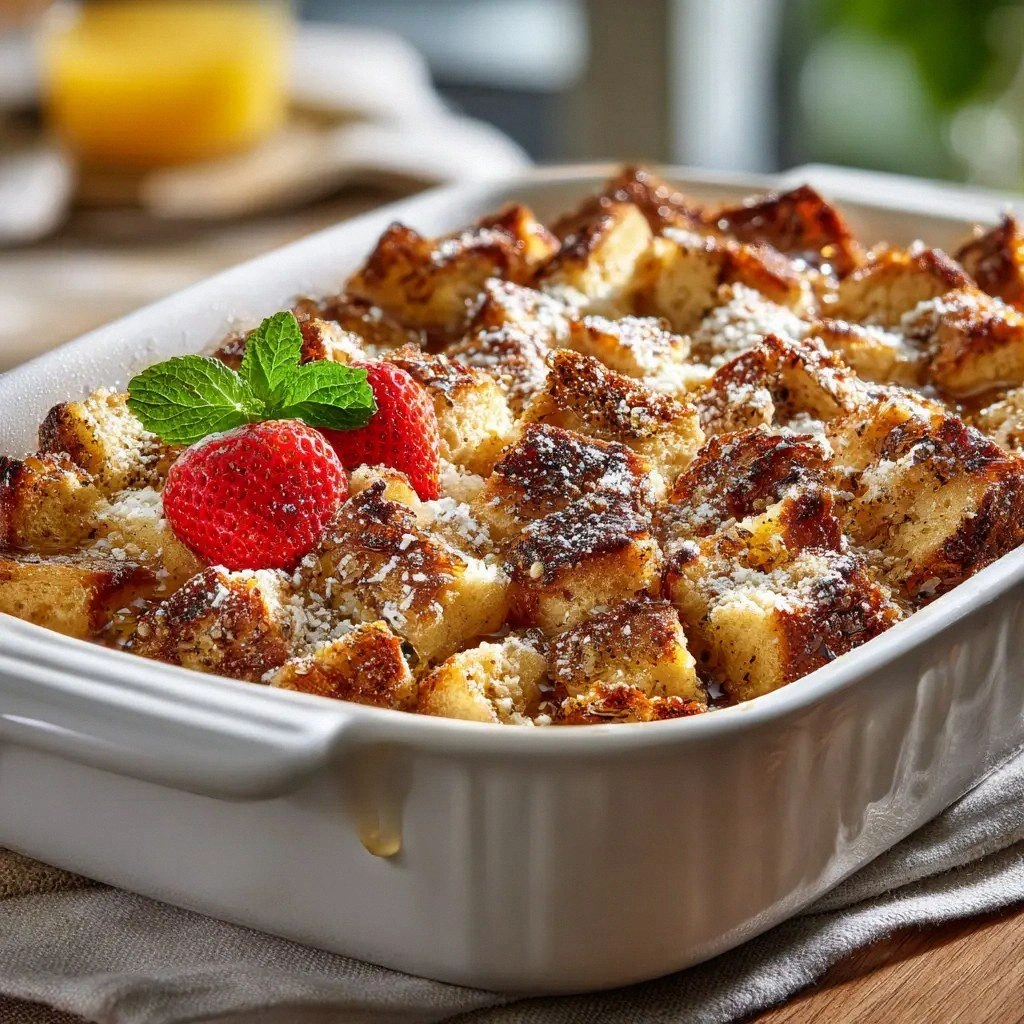
Picture yourself pulling this casserole out of the oven, the whole kitchen smelling incredible, the steam curling like a soft cloud above the golden top. The first bite is a symphony: a crisp, caramelized crust, a tender crumb that melts in your mouth, and a velvety custard that clings to every piece of bread. The flavors mingle—sweet vanilla, warm spices, and a hint of buttery richness—creating a balance that feels both indulgent and comforting. I dare you to taste this and not go back for seconds; the temptation will be overwhelming, and you'll find yourself reaching for a second slice before you even realize you’re eating. That sizzle when it hits the pan? Absolute perfection, a sound that signals the beginning of something extraordinary.
What makes this casserole stand out is not just the combination of ingredients, but the technique that brings them together. I’ve spent years experimenting with French toast, and this recipe is hands down the best version you'll ever make at home. The secret lies in the layering, the timing, and the unexpected addition of a crunchy, buttery topping that adds texture without overwhelming the delicate custard underneath. Most recipes get this completely wrong, focusing only on the batter and forgetting the bread’s role in absorbing the custard. Here, I make sure each slice soaks up just enough liquid to become tender but still retains enough structure to hold the toppings. If you’ve ever struggled with soggy French toast, you're not alone—and I've got the fix that will leave you amazed.
Let me walk you through every single step—by the end, you'll wonder how you ever made it any other way. The process is straightforward, but each stage is designed to maximize flavor and texture. From the careful selection of bread to the final bake, every decision matters. The result is a casserole that can be prepared ahead of time, frozen, or cooked fresh, yet always delivers a mouthwatering experience. So grab your apron, set the timer, and let’s dive into the ultimate French toast casserole.
What Makes This Version Stand Out
- Flavor Depth: The blend of vanilla, cinnamon, nutmeg, and brown sugar creates a complex profile that feels both nostalgic and luxurious. The custard soaks into each loaf piece, releasing layers of sweet and spice with every bite.
- Texture Contrast: The golden, slightly crisp crust sits atop a soft, custard‑laden crumb, while the buttery topping adds a satisfying crunch that pops against the tender interior.
- Make‑Ahead Friendly: Assemble the casserole the night before, cover, and refrigerate. In the morning, just pop it in the oven and let it rise to perfection—ideal for busy mornings or holiday gatherings.
- Ingredient Quality: Using brioche or challah gives the dish a rich, buttery foundation that elevates the entire experience. The heavy cream and butter add depth and mouthfeel that ordinary bread can’t match.
- Crowd‑Pleaser: Whether you’re feeding a family of five or a group of brunch lovers, this casserole scales easily and impresses with minimal effort.
- Versatility: Swap the bread for a sweet roll or add dried fruit for a seasonal twist. The recipe’s core remains intact, letting you customize without sacrificing flavor.
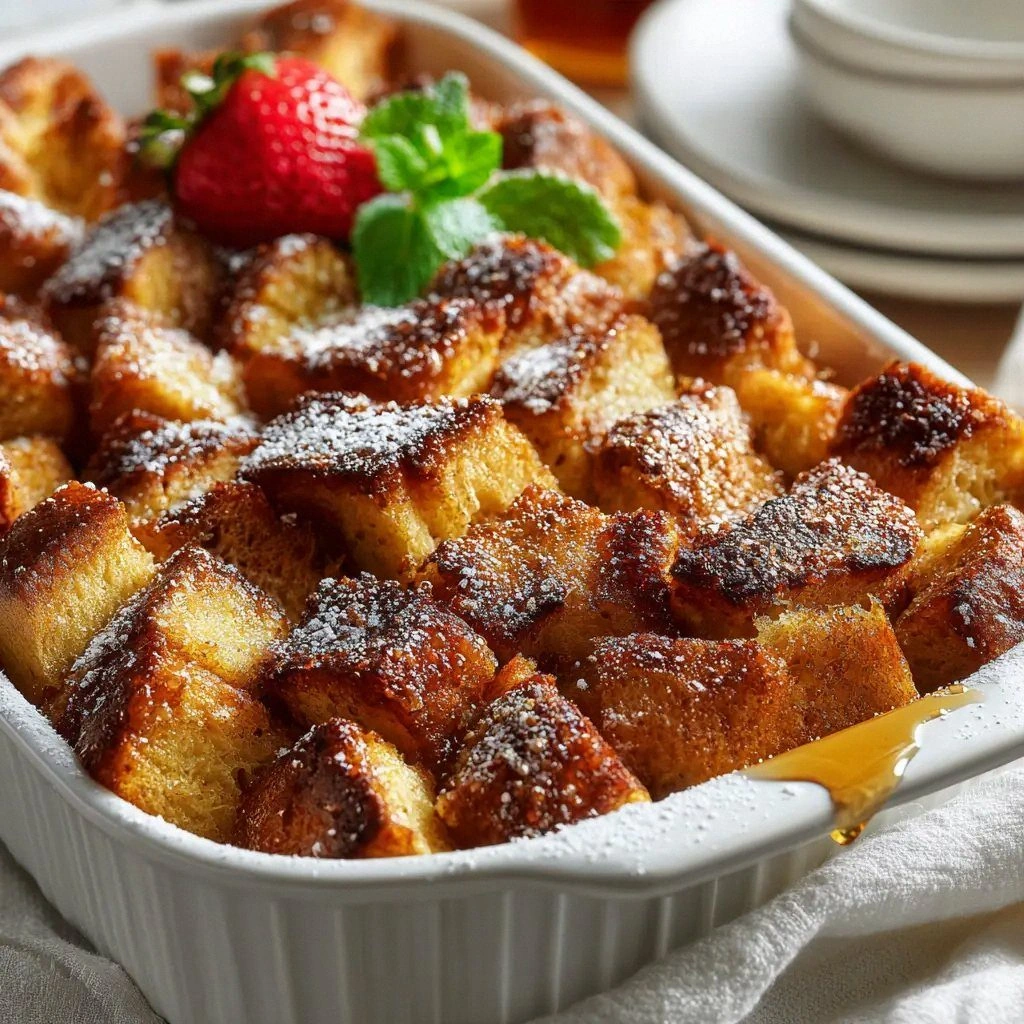
- Visual Appeal: The golden top, speckled with brown sugar crystals, looks as good as it tastes. It’s a showstopper that will have guests asking for the recipe.
Alright, let's break down exactly what goes into this masterpiece…
Inside the Ingredient List
The Bread Base
The foundation of this casserole is a loaf of brioche, challah, or French bread. The choice of bread is crucial; its buttery, slightly sweet flavor becomes the canvas that absorbs the custard. A denser loaf will hold up better, preventing sogginess. If you’re using a lighter loaf, cut it into thicker slices to maintain structure. Skipping this step would leave you with a flat, unremarkable dish—so don’t underestimate the bread’s role.
The Custard Core
Eggs, whole milk, heavy cream, and sugar combine to create a silky custard that coats each slice. The eggs provide richness and structure, while the milk and cream balance sweetness and texture. The sugar not only sweetens but also contributes to the caramelized crust. If you omit the heavy cream, the casserole will still work, but you’ll lose that creamy depth that makes each bite luxurious.
The Spice Symphony
Vanilla extract, ground cinnamon, and ground nutmeg form the aromatic heart of the dish. Vanilla adds a subtle floral note that complements the warm spices. Cinnamon brings a sweet, woody flavor, while nutmeg offers a hint of earthiness. Together, they create a fragrant profile that lingers on the palate. If you’re a spice skeptic, start with half the amount and adjust to taste; the result will still be delightful.
The Topping Triumph
Brown sugar, flour, and butter create a crunchy, caramelized layer that crowns the casserole. The flour absorbs moisture, ensuring the topping stays crisp. The butter melts into the sugar, producing a glossy, golden finish. This topping is what separates a good casserole from a great one. If you prefer a lighter finish, substitute the butter with coconut oil for a subtle tropical twist.
Everything's prepped? Good. Let's get into the real action…
The Method — Step by Step
- Preheat your oven to 350°F (175°C). Line a 9x13-inch baking dish with parchment or lightly grease it with butter. This step ensures even heat distribution and prevents sticking, which is essential for a flawless top.
- Cut the loaf into 1½-inch cubes or thick slices, depending on your preference. Arrange the bread in the prepared dish in a single layer, slightly overlapping. The bread should be snug but not packed tight, allowing the custard to seep into every corner.
- In a large bowl, whisk together the eggs, whole milk, heavy cream, granulated sugar, vanilla extract, cinnamon, and nutmeg until fully blended. The mixture should be smooth, with the sugar dissolved and the spices evenly distributed.
- Pour the custard over the bread, making sure each piece is saturated. Let the mixture sit for 10 minutes; this brief rest allows the bread to absorb the custard, creating a tender crumb.
- In a small bowl, combine the flour, brown sugar, and an additional pinch of cinnamon. Cut the cold butter into small cubes and add it to the dry mixture. Use your fingers or a pastry cutter to blend until the mixture resembles coarse crumbs.
- Evenly sprinkle the crumb topping over the custard‑soaked bread. The butter will melt during baking, forming a glossy, caramelized layer that adds crunch and richness.
- Bake for 45 minutes, or until the top is golden brown and the custard has set. The edges should pull away from the dish, indicating a firm structure. The aroma will fill the kitchen, making your stomach growl in anticipation.
- Remove from the oven and let the casserole cool for 10 minutes. This resting period allows the custard to firm up, making slicing easier and preventing a soggy bottom.
- Serve warm, optionally dusted with powdered sugar or drizzled with maple syrup. If you prefer a cooler version, refrigerate for up to 24 hours and reheat in a 300°F oven for 10 minutes before serving.
That's it — you did it. But hold on, I've got a few more tricks that'll take this to another level. Keep reading to discover how to elevate the casserole from good to unforgettable.
Insider Tricks for Flawless Results
The Temperature Rule Nobody Follows
Many cooks bake at a high temperature to get a quick crust, but this can cause the custard to set unevenly. I always bake at 350°F, which allows the custard to set gently while the topping caramelizes. If you’re in a hurry, preheat the oven to 375°F and reduce the bake time to 40 minutes, but keep a close eye on the color to avoid burning.
Why Your Nose Knows Best
The aroma is the first indicator of success. If you smell a sweet, buttery scent with hints of cinnamon before the top browns, the casserole is in the sweet spot. If you notice a sharp, burnt smell, the oven is too hot or the batter was too wet. Trust your nose, and you’ll avoid a culinary disaster.
The 5-Minute Rest That Changes Everything
After baking, let the casserole rest for exactly five minutes. This pause allows the custard to set fully and the flavors to meld. Skipping this step often results in a mushy bottom and a crumbly top. The rest also makes slicing cleaner, preserving the beautiful layers.
The Butter‑In‑The‑Middle Trick
Instead of sprinkling all the butter on top, place a few thin slices in the center of the dish before baking. As the butter melts, it creates a molten center that adds a decadent, gooey texture. This trick is especially effective for holiday gatherings when you want a showstopper.
The Sweet‑Savory Balance
Add a pinch of sea salt to the topping mix to balance the sweetness. The salt enhances the caramelization of the sugar and brings out the flavors of the spices. If you prefer a more pronounced sweet profile, omit the salt, but be aware that the casserole may taste flatter.
Creative Twists and Variations
This recipe is a playground. Here are some of my favorite ways to switch things up:
Apple Cinnamon Surprise
Add diced apples and a dash of ground ginger to the custard mixture. The fruit’s natural sweetness and slight tartness pair beautifully with the spices, creating a fall-inspired version that’s perfect for Thanksgiving.
Chocolate Lover's Edition
Stir in 1/4 cup of cocoa powder into the custard and replace the brown sugar topping with a chocolate‑sugar blend. The result is a rich, chocolatey casserole that feels like a dessert but keeps the comforting French toast base.
Berry Burst
Fold fresh strawberries, blueberries, or raspberries into the custard after baking, allowing them to warm slightly. The berries add a burst of juiciness and a pop of color that brightens the dish.
Maple‑Nut Variation
Swap the brown sugar for maple syrup in the topping and sprinkle chopped pecans on top before baking. The maple adds depth, while the nuts provide crunch and a nutty aroma that complements the cinnamon.
Savory Spin
Replace the vanilla and sugar with grated Parmesan, chopped fresh herbs, and a pinch of garlic powder. This savory version pairs well with a light salad and a glass of sparkling wine for a brunch that feels both elegant and approachable.
Storing and Bringing It Back to Life
Fridge Storage
Cool the casserole to room temperature, then cover tightly with plastic wrap and store in the refrigerator for up to 24 hours. When ready to serve, reheat in a 300°F oven for 10–12 minutes, or until warmed through. The custard will remain tender, and the topping will stay crisp.
Freezer Friendly
Wrap the cooled casserole in parchment paper, then in foil, and freeze for up to 2 weeks. Thaw overnight in the refrigerator, then bake at 350°F for 15–20 minutes. This method preserves the flavor and texture, making it a convenient option for busy mornings.
Best Reheating Method
To keep the casserole moist, add a splash of whole milk or cream to the dish before reheating. Cover with foil to trap steam, which will rehydrate the custard without drying it out. This small trick ensures each bite is as luscious as the first.