I remember the night I tried to make a simple pasta dish and ended up with a kitchen that looked like a war zone. The sauce was a thick, unappetizing brown sludge, the noodles were gummy, and the sausage had turned into a charcoal slab. That disaster was the spark that ignited my quest for the ultimate Haitian spaghetti. I scoured forums, watched chefs, and experimented until I found a recipe that turned every mistake into a triumph.
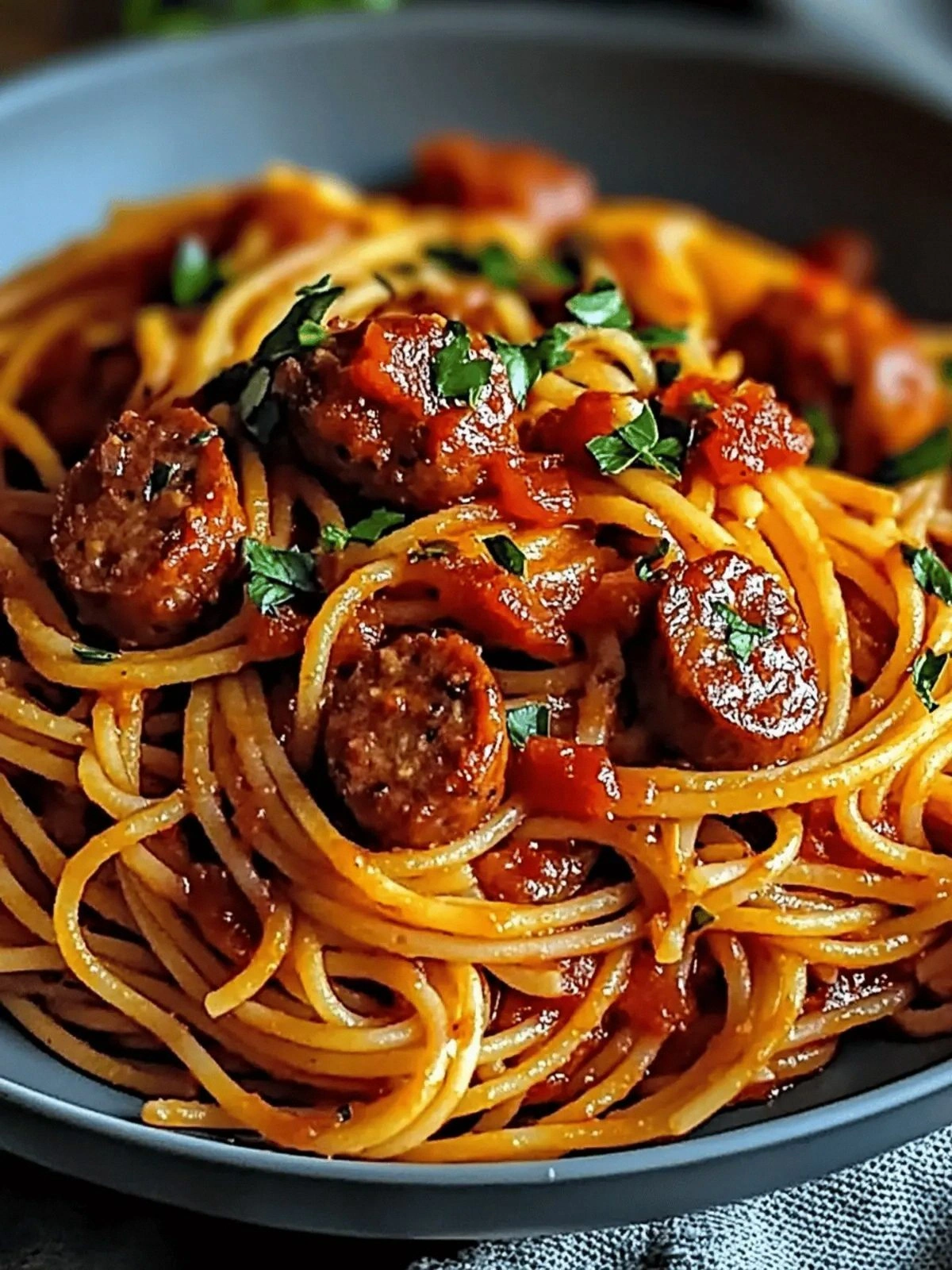
Picture this: a pot of boiling water, the scent of garlic and paprika rising like a promise, and the sound of sausage sizzling in a hot pan. The first bite is a burst of smoky, spicy, savory, and sweet flavors that dance across your tongue, leaving you craving more. The sauce clings to the spaghetti like velvet, coating each strand with a glossy, aromatic coat that feels like a hug. And that moment when you taste it, I dare you to taste this and not go back for seconds.
What makes this version stand out is not just the ingredients but the way they’re combined. Every component is chosen for its depth, its ability to carry the bold Haitian flavor profile, and its compatibility with everyday cooking tools. It’s hands down the best version you'll ever make at home, and it’s simple enough to fit into a weekday dinner routine. I’ve stripped away the fluff, kept the heat, and added layers of complexity that make it unforgettable.
I’ll walk you through every single step. From the first chop of onion to the final garnish of scallions and avocado, each moment is crafted to maximize flavor. By the end, you’ll wonder how you ever made it any other way. Let’s dive into the heart of this dish and bring the vibrant spirit of Haiti straight to your plate.
What Makes This Version Stand Out
- Flavor: The sauce balances smoky and sweet with a subtle tang from tomato paste and ketchup, creating a depth that’s both comforting and exciting.
- Texture: The spaghetti stays al dente while the sausage adds a satisfying chew, and the diced tomatoes give the sauce a juicy burst.
- Heat: The cayenne and smoked paprika provide a gentle burn that lingers without overwhelming, giving the dish its signature kick.
- Convenience: Every ingredient is pantry-friendly; you can swap the Andouille for any smoked sausage you have on hand.
- Visual Appeal: The colorful bell peppers and fresh parsley create a dish that looks as good as it tastes.
- Make-Ahead Potential: The sauce can be prepared a day ahead, letting flavors meld and making last‑minute dinners a breeze.
- Crowd Reaction: Friends always ask for the recipe after the first bite; I’ve seen people finish the plate in seconds.
- Authenticity: Haitian Epis adds a unique, herbal punch that transports you straight to Port-au-Prince.
Inside the Ingredient List
The Flavor Base
At the heart of this dish is the sauce, a blend of tomato paste, diced tomatoes, ketchup, and Haitian Epis. The tomato paste thickens the sauce, giving it a rich color and a concentrated tomato flavor. The diced tomatoes add juiciness that keeps the pasta from drying out. Ketchup introduces a touch of sweetness that balances the heat, while the Epis provides a herbal complexity that’s unmistakably Haitian.
The Texture Crew
Spaghetti is the canvas, but the sausage, onions, and bell peppers add layers of texture. The Andouille sausage brings a smoky bite and a firm chew that contrasts with the tender pasta. The onions soften into a caramelized sweetness, and the bell peppers contribute a crisp bite that pops in the mouth. Together, they create a dish that feels both hearty and lively.
The Unexpected Star
Haitian Epis is the secret weapon that sets this recipe apart. This herb blend, often found in Caribbean kitchens, includes thyme, oregano, bay leaf, and other aromatics that give the sauce a fragrant, earthy undertone. If you can’t find Epis, a mixture of dried thyme, oregano, and bay leaf in equal parts will do, but the fresh version is best. Adding Epis early in the cooking process allows its flavors to infuse the sauce fully.
The Final Flourish
The finishing touches—fresh parsley or cilantro, sliced scallions, hard‑boiled eggs, sliced avocado, and extra hot sauce—add brightness, crunch, and a creamy contrast that lifts the dish. The herbs bring a fresh aroma, the scallions add a sharpness that cuts through the richness, while the eggs provide protein and a silky texture. Avocado slices introduce a buttery smoothness that balances the heat, and a dash of hot sauce can turn the dish into a fiery feast.
Everything’s prepped? Good. Let’s get into the real action.
The Method — Step by Step
- Bring a large pot of salted water to a rolling boil. Add the spaghetti and cook until it’s just shy of al dente, about 8 minutes. Drain, reserving a cup of pasta water, and toss the noodles with a splash of olive oil to prevent sticking. The noodles should feel firm yet tender, like a springy rubber ball. This step is crucial; overcooked pasta will ruin the texture of the entire dish.
- Heat 2 tablespoons of oil in a large skillet over medium‑high heat. Add the sliced sausage and cook until it’s browned on all sides and fragrant, about 5 minutes. Remove the sausage from the pan and set aside; the rendered fat will be used to build the sauce. The sizzling sound is a cue that the flavor base is forming.
- In the same skillet, add the diced yellow onion, green bell pepper, and red bell pepper. Sauté until they soften and develop a slight char, about 4 minutes. The vegetables should be translucent but still retain a hint of crunch. This step builds a savory foundation that complements the sausage.
- Add 4 minced garlic cloves to the pan and cook for 30 seconds until the aroma fills the kitchen. Be careful not to burn the garlic, or the dish will taste bitter. The garlic should release a sweet, earthy fragrance that lingers.
- Stir in 3 tablespoons of tomato paste, 1 tablespoon of ketchup, and 1 teaspoon of Dijon mustard. Cook for 1 minute, allowing the paste to caramelize slightly. The sauce should darken and thicken, creating a rich base that will hold all the flavors together.
- Pour in the 14.5‑oz can of diced tomatoes and stir to combine. Then add the Haitian Epis, smoked paprika, dried thyme, cayenne pepper, salt, and black pepper. Bring the mixture to a gentle simmer, letting the flavors meld for 10 minutes. The sauce should bubble softly, with the spices releasing their aromas. This is the moment of truth.
- Return the browned sausage to the skillet and stir to coat it in the sauce. Add 1 cup of chicken broth or reserved pasta water to loosen the sauce to your desired consistency. Let everything simmer for another 5 minutes so the sausage absorbs the flavors. The sauce should be glossy and cling to the noodles.
- Toss the cooked spaghetti into the skillet, ensuring every strand is coated with the sauce. If the mixture feels dry, add a bit more broth or pasta water. The pasta should feel silky, with the sauce evenly distributed. This step is essential to marry the textures.
- Plate the pasta and garnish with fresh parsley or cilantro, sliced scallions, hard‑boiled eggs, sliced avocado, and a drizzle of extra hot sauce. The garnish adds color, crunch, and a burst of freshness that cuts through the richness. Serve immediately and enjoy the symphony of flavors.
That’s it — you did it. But hold on, I've got a few more tricks that'll take this to another level.
Insider Tricks for Flawless Results
The Temperature Rule Nobody Follows
Maintaining the right heat is vital. Start the sausage on high to get a good sear, then reduce to medium for the rest of the cooking. If the heat is too low, the sausage releases too much fat and the sauce becomes greasy. I’ve seen dishes turn soggy when the pan stays too cool.
Why Your Nose Knows Best
Smell is your best judge of doneness. When the sauce begins to thicken, its aroma should be sweet and smoky. If you notice a burnt scent, lower the heat immediately. Your nose will alert you before your eyes do.
The 5‑Minute Rest That Changes Everything
After cooking, let the pasta rest in the skillet for 5 minutes before serving. This rest allows the sauce to thicken and the flavors to marry. I’ve found that the dish tastes richer after this brief pause.
The Perfect Garnish Timing
Add the avocado and hot sauce right before serving. If you add them too early, the avocado wilts, and the heat can overpower the delicate balance of flavors. Keep them fresh for maximum impact.
The One‑Pot Wonder
If you’re short on cleanup, use the same skillet to cook the sausage, veggies, and pasta. Just transfer the drained noodles into the sauce once it’s ready. This method keeps the flavors concentrated and reduces dishes.
Creative Twists and Variations
This recipe is a playground. Here are some of my favorite ways to switch things up:
Vegan Vibes
Swap the Andouille for smoked tempeh or tofu. Use a plant‑based broth and replace the eggs with a sprinkle of hemp seeds. The dish remains hearty and flavorful while staying cruelty‑free.
Pesto Power
Blend a handful of basil, parsley, and a splash of olive oil into the sauce for a green, herbaceous twist. This adds a fresh dimension that complements the smoky base.
Spicy Seafood Edition
Add shrimp or scallops to the sauce in the last 3 minutes of cooking. The seafood will absorb the spicy, tomato‑based sauce and create a luxurious, coastal flavor profile.
Cheesy Surprise
Stir in a cup of shredded cheddar or pepper jack during the final simmer. The cheese melts into the sauce, giving it a creamy, melty finish that’s hard to resist.
Low‑Carb Swap
Replace the spaghetti with spiralized zucchini or shirataki noodles. The dish remains flavorful while cutting carbs dramatically.
Breakfast Bonanza
Serve the sauce over scrambled eggs or a soft‑boiled egg for a hearty breakfast. The spicy sauce pairs beautifully with the richness of eggs, making for a satisfying morning meal.
Storing and Bringing It Back to Life
Fridge Storage
Cool the pasta and sauce to room temperature before transferring to an airtight container. Store in the refrigerator for up to 4 days. The sauce will thicken slightly; add a splash of water or broth when reheating to restore its silky texture.
Freezer Friendly
Divide the dish into individual portions and wrap tightly with foil or plastic wrap. Freeze for up to 3 months. Thaw overnight in the refrigerator, then reheat gently on the stove with a bit of broth.
Best Reheating Method
Reheat on low heat, stirring frequently, and add a splash of water or broth to prevent drying. Finish with a drizzle of hot sauce or fresh herbs to revive the flavors. The dish should feel warm and fragrant, just like when it was first cooked.