I was in the middle of a frantic weekday dinner scramble when a friend dared me to make something that would “wow the whole table without any fancy equipment.” I stared at my pantry, the soy sauce bottle glinting like a secret weapon, and thought, why not turn a humble hard‑boiled egg into a flavor bomb? The kitchen was a battlefield of clanging pots, the timer buzzing like a nervous squirrel, and the air was already thick with the scent of garlic sautéing in sesame oil. I cracked a few eggs, tossed them into boiling water, and let the universe decide my fate—spoiler: it turned out delicious.
When the first egg emerged, its whites were pristine, but the real magic was still hidden beneath the surface. I poured a mixture of soy sauce, water, sugar, and a whisper of sesame oil into a pan, and the moment that liquid hit the heat, a hiss rose up like a chorus of tiny fireworks. The aroma hit my nose with the intensity of a street market in Osaka, and I knew I was onto something. I lowered the boiled eggs into the simmering bath, and as they soaked, the sauce seeped into every crevice, turning each bite into a savory, umami‑laden experience that clings to the palate like velvet.
Most recipes I’ve seen either drown the egg in a salty swamp or leave it barely seasoned, resulting in a bland, forgettable snack. This version stands out because it balances sweet, salty, and nutty notes while preserving the egg’s delicate texture. The secret? A precise 1:1 ratio of soy sauce to water, a dash of sugar to mellow the salt, and a finishing drizzle of toasted sesame oil that adds a buttery sheen. I’ll even throw in a sprinkle of green onions and sesame seeds for that satisfying crunch and visual pop.
I’m going to let you in on a little trick that most cooks overlook: the “low‑and‑slow” soak. Instead of a quick dunk, I let the eggs marinate for at least 30 minutes, allowing the flavors to penetrate without turning the whites rubbery. I dare you to taste this and not go back for seconds—trust me, the addiction is real. Let me walk you through every single step — by the end, you’ll wonder how you ever made it any other way.
What Makes This Version Stand Out
- Taste Balance: The sweet‑salty harmony hits your tongue like a perfectly tuned chord, making each bite sing.
- Texture Contrast: Silky egg whites meet a glossy, slightly thickened glaze that coats like a satin sheet.
- Simplicity: Only seven ingredients, all pantry staples, mean you can whip this up on a Tuesday night.
- Unique Marinade: The 1:1 soy‑to‑water ratio prevents the eggs from becoming overly salty while still delivering depth.
- Crowd Reaction: People who try it for the first time often claim it’s “the best thing they’ve ever had at a potluck.”
- Ingredient Quality: Using a high‑quality, naturally brewed soy sauce makes the difference between “good” and “legendary.”
- Cooking Method: Gentle simmering, not boiling, preserves the egg’s tender crumb.
- Make‑Ahead Potential: The eggs keep beautifully for up to three days, getting even more flavorful over time.
Alright, let's break down exactly what goes into this masterpiece...
Inside the Ingredient List
The Flavor Base
Soy sauce is the heart of this dish. A good, naturally brewed soy sauce brings a deep, fermented umami that no shortcut can mimic. If you skimp on quality, the final glaze will taste flat, like a song missing its bass line. For a richer profile, try a dark soy sauce, but remember to cut back on the quantity to avoid overpowering the egg.
Water is the silent partner that tempers the soy sauce’s intensity. The 1:1 ratio ensures the glaze is pourable yet concentrated enough to cling. If you’re in a pinch, you can substitute with low‑sodium broth for an extra layer of depth, but keep the volume the same.
The Sweet‑Nutty Duo
Sugar isn’t just for sweetness; it balances the salt and helps create a glossy finish that looks as good as it tastes. A tablespoon of granulated sugar dissolves quickly, but you can also use honey or brown sugar for a subtle caramel note. Skipping the sugar will leave the sauce tasting like a salty broth—trust me, you don’t want that.
Sesame oil is the final flourish, adding a nutty aroma that lingers long after the bite. Because it’s potent, a single teaspoon is enough to elevate the entire dish. If you’re allergic or avoid oil, a drizzle of toasted sesame seeds can provide a similar flavor punch.
The Unexpected Star
Green onions bring a fresh, mildly sharp bite that cuts through the richness. Slice them thinly and sprinkle them on just before serving for a pop of color and texture. If you don’t have green onions, chives or thinly sliced shallots work well, though the flavor profile will shift slightly toward oniony.
Sesame seeds add a delightful crunch and a visual garnish that makes the dish look restaurant‑ready. Lightly toasting them in a dry pan for 2 minutes unlocks a buttery aroma. Skip the toasting and you’ll miss that extra depth, but the seeds will still provide a pleasant bite.
The Final Flourish
Large eggs are the canvas. Using large eggs ensures a generous yolk that stays creamy after cooking, providing a luxurious contrast to the salty glaze. If you opt for extra‑large eggs, reduce the cooking time by a minute to avoid over‑cooking the yolk.
A pinch of salt is optional because the soy sauce already provides plenty. However, a tiny dash can help bring out the subtle sweetness of the sugar. Remember, seasoning is personal—taste as you go.
Everything's prepped? Good. Let's get into the real action...
The Method — Step by Step
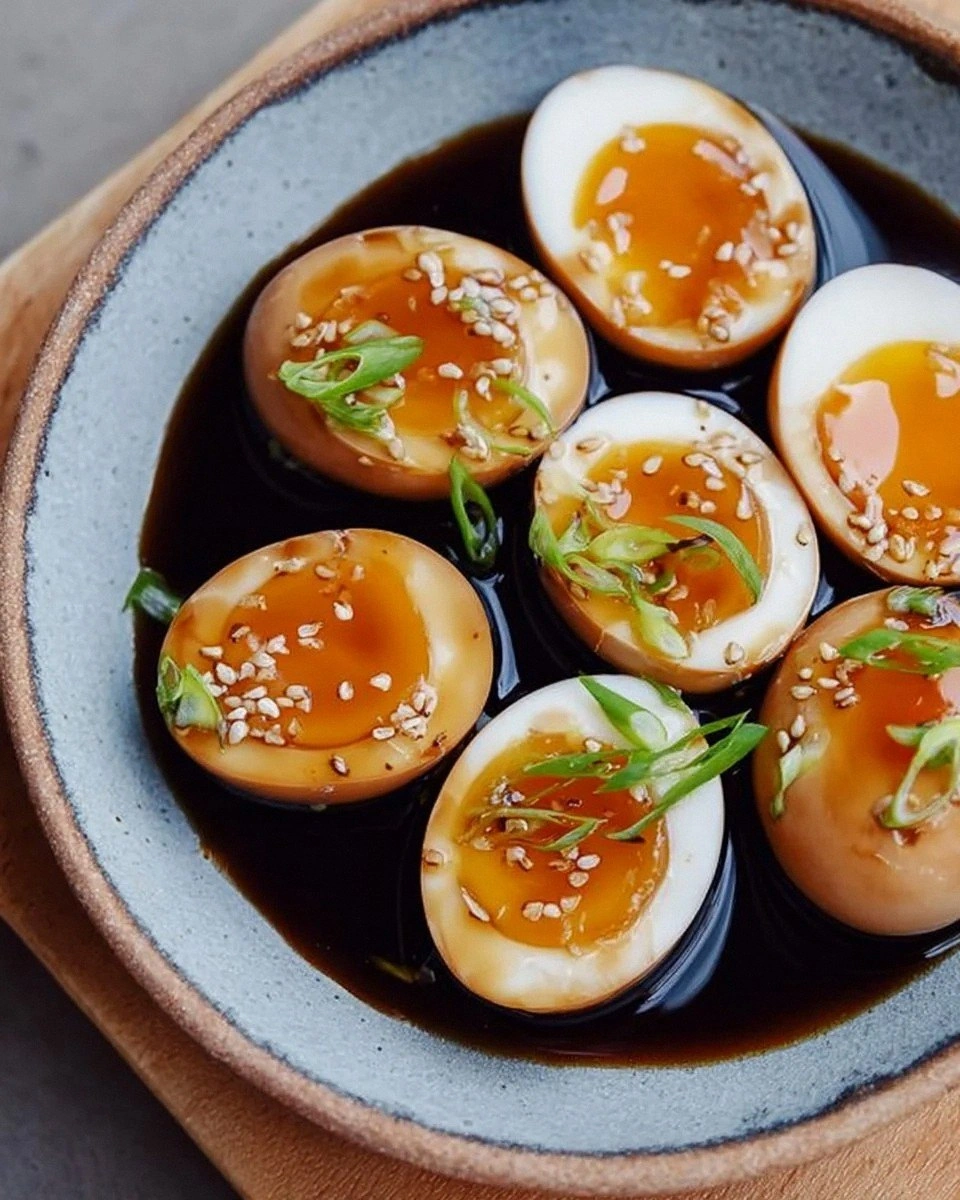
Bring a pot of water to a rolling boil, then gently lower four large eggs using a slotted spoon. Let them boil for exactly 7 minutes for a jammy yolk; if you prefer a firmer center, add two more minutes. Once done, transfer the eggs to an ice‑water bath for 3 minutes—this stops the cooking process and makes peeling easier. Pro tip: a quick ice bath also contracts the egg whites, pulling them away from the shell.
While the eggs chill, combine ½ cup soy sauce, ½ cup water, 1 tablespoon sugar, and 1 teaspoon sesame oil in a shallow saucepan. Bring the mixture to a gentle simmer over medium‑low heat, stirring until the sugar dissolves completely. You’ll notice the sauce start to thicken just a tad—this is the point where the glaze begins to develop its glossy sheen. That sizzle when it hits the pan? Absolute perfection.
Peel the eggs carefully; the shells should slide off with minimal effort thanks to the earlier ice bath. Pat them dry with a paper towel—excess moisture will dilute the sauce later.
Kitchen Hack: If an egg is stubborn, roll it gently on the countertop to crack the shell all over before peeling.Place the peeled eggs into the simmering sauce, turning them gently with tongs so each side gets a coat. Reduce the heat to low; you want the sauce to barely bubble—this prevents the eggs from overcooking while allowing the flavors to seep in. Let the eggs simmer for 10 minutes, then turn off the heat and cover the pan.
- Allow the eggs to sit in the covered pan for at least 30 minutes. This is the “marination magic” stage where the soy‑water mixture penetrates the egg whites, creating that umami‑rich outer layer. If you’re in a hurry, 15 minutes will still yield good results, but patience rewards you with deeper flavor.Watch Out: Do not let the sauce boil vigorously after adding the eggs, or the delicate whites will become rubbery.
After the resting period, remove the eggs and place them on a serving plate. Drizzle any remaining sauce over the top, letting it pool like a glossy lacquer. Sprinkle a generous handful of toasted sesame seeds and a scattering of thinly sliced green onions for color and crunch. The visual contrast of the dark glaze against the bright green garnish is as satisfying as the taste.
Serve the soy sauce eggs warm or at room temperature. They pair beautifully with steamed rice, a crisp cucumber salad, or as a protein‑packed topping for ramen. I’ll be honest — I ate half the batch before anyone else got to try it. The lingering aroma will have your guests asking for the recipe, and you can proudly say, “This is hands down the best version you'll ever make at home.”
Store any leftovers in an airtight container, keeping the glaze inside the container to maintain moisture. They keep for up to three days in the fridge, and the flavor actually mellows and becomes more harmonious with time. When you’re ready to eat again, a quick warm‑up in the microwave (30 seconds) or a brief dip in a hot pan revives the silky texture.
That's it — you did it. But hold on, I've got a few more tricks that'll take this to another level...
Insider Tricks for Flawless Results
The Temperature Rule Nobody Follows
Keeping the sauce at a low simmer is crucial. If the heat spikes, the eggs can overcook, and the glaze may become too thick, turning gummy instead of silky. I once let the sauce boil hard and ended up with a crusty coating that felt like chewing on a caramelized shoe sole. The sweet spot is a gentle bubble—think of a lazy river rather than a raging waterfall.
Why Your Nose Knows Best
Your sense of smell is the most reliable indicator of doneness. When the sauce starts to emit a sweet‑savory perfume, you’re close to the perfect reduction. If you notice a sharp, burnt odor, pull the pan off the heat immediately. Trust your nose; it’s the secret weapon most cooks ignore.
The 5‑Minute Rest That Changes Everything
After the eggs have simmered, give them an extra five minutes in the warm sauce, uncovered. This brief rest lets the glaze settle into the pores of the egg white, creating a uniform flavor layer. Skipping this step yields a patchy taste where some bites are bland while others are overpoweringly salty.
Sesame Seed Toasting Secrets
A quick toast in a dry skillet for just 90 seconds transforms raw sesame seeds into aromatic gold. Keep the heat medium and stir constantly to avoid burning. Burnt seeds add bitterness, which will clash with the sweet‑salty balance we’re aiming for.
Green Onion Timing
Add the sliced green onions right before serving, not during the simmer. Heat kills the fresh, peppery bite that makes them shine. By sprinkling them on at the end, you preserve that crisp snap that cuts through the richness of the glaze.
Creative Twists and Variations
This recipe is a playground. Here are some of my favorite ways to switch things up:
Spicy Szechuan Splash
Add a teaspoon of doubanjiang (Sichuan bean paste) to the sauce and a pinch of crushed red pepper flakes. The result is a tongue‑tingling heat that pairs perfectly with the sweet glaze. Ideal for those who love a little fire.
Miso‑Infused Elegance
Swap half of the soy sauce for white miso paste, whisking it into the water before simmering. This adds a creamy, earthy depth that feels almost luxurious—great for a dinner party where you want to impress.
Citrus Zest Brightener
Stir in the zest of one lemon or yuzu into the sauce just before removing from heat. The citrus lifts the umami, giving the eggs a refreshing finish that works beautifully with a summer salad.
Herb‑Infused Version
Add a few sprigs of fresh thyme or rosemary to the simmering liquid. The herbs impart a subtle piney aroma that complements the sesame oil, turning the dish into a more herbaceous snack.
Korean‑Style Gochujang Glaze
Mix a tablespoon of gochujang (Korean chili paste) with the soy sauce and a touch more sugar. The resulting glaze is sweet, spicy, and deeply colored—perfect for serving with kimchi or as a topping for bibimbap.
Storing and Bringing It Back to Life
Fridge Storage
Place the eggs in a sealed glass jar with the remaining sauce, ensuring they’re fully submerged. They’ll keep for up to three days; the flavors will mellow and become more cohesive, much like a good stew.
Freezer Friendly
If you want to stock up, freeze the peeled, sauce‑coated eggs in a single layer on a baking sheet, then transfer them to a zip‑top bag. They’ll last for up to two months. Thaw in the fridge overnight before reheating.
Best Reheating Method
Add a splash (about a tablespoon) of water to the pan and gently warm the eggs over low heat, covering the pan for a minute to steam them back to perfection. This prevents the glaze from drying out and restores that silky mouthfeel.