Picture this: you’re standing in a kitchen that smells like a smoky fire‑pit, the sizzle of onions hitting hot oil, the bright pop of bell pepper, and the unmistakable scent of Cajun spices dancing through the air. That was my kitchen last Tuesday, a chaotic scramble for dinner that ended with a burnt pot of pasta and a sigh of defeat. I stared at the charred bowl, muttered, “I need a rescue recipe that turns this disaster into a masterpiece.” And then I pulled up a recipe that would change everything. This isn’t just a dish; it’s a culinary comeback story that will make you feel like a kitchen wizard.
I was craving something that felt like a warm hug after a long day, but also bold enough to command the table. The first bite of this Crock Pot Creamy Cajun Chicken and pasta felt like a velvet blanket: creamy, spicy, and comforting all at once. The sauce clung to every noodle, the chicken stayed juicy, and the peppery kick kept the flavor from slipping into blandness. If you’ve ever tried a “Cajun” dish that tasted like a watered‑down version of itself, you’ll recognize the difference right away. This version is hands down the best you’ll ever make at home, and I dare you to taste it and not go back for seconds.
What makes this version so special? It’s the blend of simplicity and depth. The slow cooker transforms raw chicken into a tender, flavorful bite while the creamy sauce locks in every spice. The recipe balances heat with richness, using fresh cream and cheese to temper the Cajun seasoning. The pasta is tossed in a sauce that coats like velvet, yet the edges stay slightly al dente, offering that satisfying bite. And the best part? It’s a one‑pot wonder that lets you set it and forget it, freeing up your kitchen for other adventures.
I’m not just telling you this recipe works; I’m showing you how it works. The technique of browning the chicken before slow‑cooking adds depth and caramelization that a straight‑cook never achieves. The creamy sauce’s texture is achieved by combining heavy cream with a touch of chicken broth and a cheese blend that melts into a silky finish. The final flourish of fresh parsley adds a bright, herbal note that cuts through the richness. And the secret? A splash of lemon juice at the end brightens everything, like a fresh breeze on a hot day. Let me walk you through every single step — by the end, you’ll wonder how you ever made it any other way.
Before you dive into the method, let’s talk about what sets this dish apart from the countless “Cajun chicken” recipes you’ll find online. The difference lies in the sauce’s balance, the use of a slow cooker, and the way the flavors mingle over time. I’ve refined this recipe over dozens of trials, learning which tweaks elevate it from good to unforgettable. The result is a dish that’s easy, comforting, and irresistibly flavorful. Now, let’s break down exactly what goes into this masterpiece.
What Makes This Version Stand Out
- Taste: The sauce marries the heat of Cajun seasoning with the mellow richness of cream and cheese, creating a flavor profile that’s both spicy and comforting. The subtle citrusy lift from lemon juice keeps the dish from feeling heavy.
- Texture: The slow cooker tenderizes the chicken to melt‑in‑your‑mouth perfection, while the sauce coats the pasta like velvet, offering a silky mouthfeel without clumping.
- Ease: With a single pot, minimal prep, and a hands‑off cooking time, this recipe is a true kitchen savior for busy nights.
- Versatility: Swap chicken for shrimp or tofu, use gluten‑free pasta, or tweak the heat level to suit your taste; the foundation remains solid.
- Crowd‑pleaser: The bold flavors and comforting texture make it a hit at dinner parties, family gatherings, or a cozy weeknight meal.
- Ingredient Quality: Using fresh, high‑quality ingredients—especially the cream and cheese—elevates the dish from ordinary to extraordinary.
- Cooking Method: The slow cooker allows flavors to meld slowly, creating depth that stovetop methods can’t match.
- Make‑ahead Potential: Prepare it the night before, reheat gently, and it still tastes like it was made fresh.
Alright, let's break down exactly what goes into this masterpiece...
Inside the Ingredient List
The Flavor Base
The foundation of this dish starts with boneless, skinless chicken breasts, which provide lean protein and a neutral canvas for the Cajun seasoning. The Cajun seasoning itself is a blend of paprika, cayenne, garlic powder, onion powder, oregano, thyme, and black pepper—each spice contributing a layer of warmth and complexity. If you skip this seasoning, the dish loses its signature heat and depth; the result becomes bland and forgettable.
Garlic and onions are sautéed until golden, releasing a sweet, aromatic base that underpins the sauce. The bell peppers add crunch and a pop of color, as well as a subtle sweetness that balances the spice. Together, these aromatics create a fragrant, savory environment that elevates the chicken and the sauce.
Tip: Use fresh, organic garlic and onions for a cleaner, more vibrant flavor. If you’re short on time, pre‑minced garlic or onion powder works, but the texture will differ slightly.
The Texture Crew
Heavy cream is the star of the sauce, providing a silky, rich mouthfeel that coats the pasta and chicken. Chicken broth adds a savory depth that prevents the cream from feeling too heavy or cloying. A blend of shredded mozzarella and grated Parmesan creates a cheese layer that melts into a gooey, golden crust on top of the sauce.
Bread crumbs add a subtle crunch when toasted with butter, offering a contrast to the creamy sauce. Butter, when melted and mixed into the sauce, brings a buttery sheen that enhances the overall richness. The pasta—12 ounces of your favorite shape—acts as the vehicle for the sauce, absorbing flavors while maintaining its al dente bite.
If you skip the bread crumbs, the dish will still be creamy but will lack the textural contrast that makes each bite interesting.
The Unexpected Star
Fresh parsley is the final flourish that adds a bright, herbal note, cutting through the richness and adding a pop of color. A splash of lemon juice at the end brightens the sauce, providing a citrusy lift that balances the heat. Without parsley, the dish feels flat; the lemon, on the other hand, can be omitted if you’re not a fan of acidity.
If you’re vegan, replace the cream and cheese with coconut milk and nutritional yeast; the sauce will still be creamy but with a different flavor profile.
Tip: For an extra burst of flavor, sprinkle a pinch of smoked paprika over the finished dish; it enhances the smokiness of the Cajun seasoning.
The Final Flourish
Salt and pepper are essential to bring all the flavors together. A teaspoon of salt balances the spices, while a half teaspoon of black pepper adds subtle heat. If you prefer a saltier dish, add a pinch more; if you want a milder version, reduce the salt slightly.
The quantity of chicken matters: too little and the dish feels sparse; too much and it becomes overwhelming. Aim for a 2:1 ratio of chicken to pasta for the most balanced bite. If you’re cooking for a crowd, double the recipe but keep the seasoning proportions the same.
Remember that the slow cooker’s heat distribution is gentle, so the chicken stays moist and the sauce remains creamy.
Everything’s prepped? Good. Let’s get into the real action.
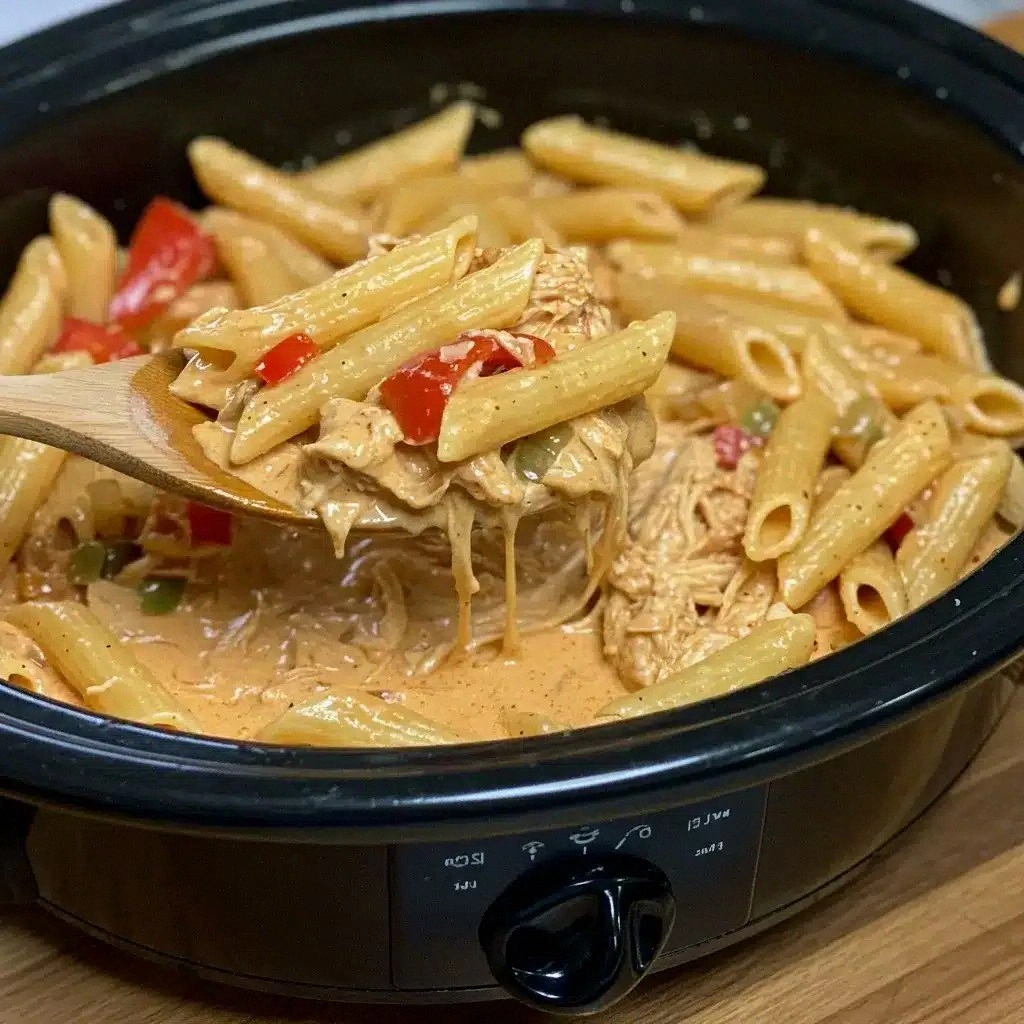
The Method — Step by Step
- Brown the chicken: Heat a tablespoon of olive oil in a skillet over medium‑high heat. Season the chicken breasts with salt, pepper, and a generous dusting of Cajun seasoning. Sear each side for 2–3 minutes until golden brown. This step locks in flavor and gives the meat a caramelized crust. While it browns, I keep an eye on the pan; a quick flip prevents sticking and ensures even browning.
- Sauté aromatics: In the same skillet, reduce heat to medium and add a tablespoon of butter. Add diced onions and minced garlic, cooking until translucent and fragrant—about 3 minutes. The butter adds richness, and the onions provide a sweet counterpoint to the heat of the Cajun seasoning. If you’re short on time, use pre‑minced garlic to save a few minutes.
- Layer the slow cooker: Transfer the browned chicken to the slow cooker. Pour in the sautéed onions and garlic, then add the diced bell peppers. Sprinkle the remaining Cajun seasoning over the top. This layering ensures the spices permeate the chicken and vegetables evenly as they cook.
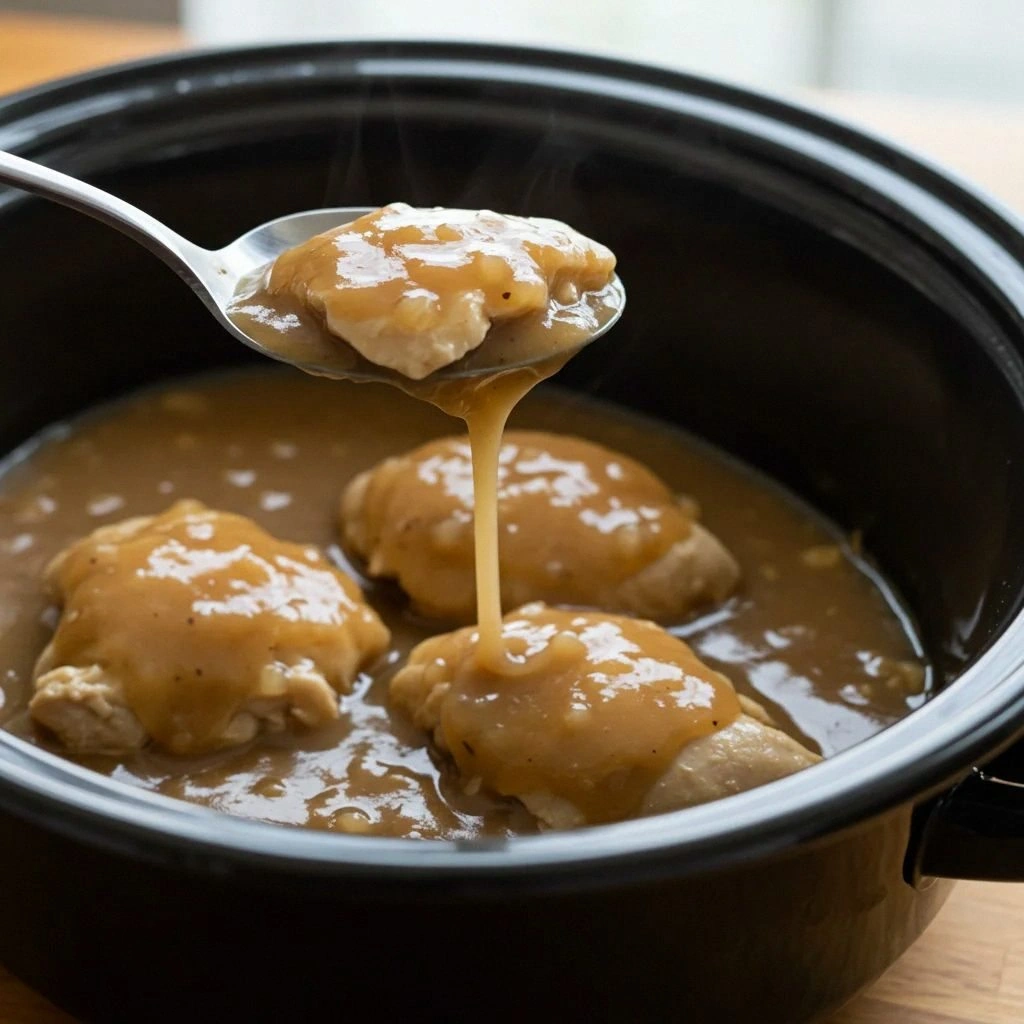
- Add liquids: Pour in the cup of heavy cream and the cup of chicken broth. Stir gently to combine. The liquid mixture should cover the chicken halfway; this creates a creamy environment that will slowly cook the chicken to tender perfection.
- Cook low: Cover and cook on low for 4–5 hours, or until the chicken is fork‑tender. The slow cooker’s gentle heat allows the flavors to meld without overcooking the chicken. While it cooks, I check the aroma—there should be a warm, savory perfume that signals everything is on track.
- Shred the chicken: Once the chicken is tender, remove it from the slow cooker and shred it with two forks. Return the shredded chicken to the pot, stirring to combine with the sauce. The shredded chicken absorbs the sauce, creating a cohesive, flavorful mixture.
- Cook the pasta: While the chicken rests, bring a large pot of salted water to a boil. Add the pasta and cook until al dente—usually 8–10 minutes. Drain and set aside, reserving a cup of pasta water for later.
- Combine pasta and sauce: Add the cooked pasta to the slow cooker, tossing to coat with the creamy sauce. If the sauce seems too thick, add a splash of reserved pasta water to reach your desired consistency. The pasta should be glossy and coated, not clumpy.
- Final touches: Stir in the shredded mozzarella and grated Parmesan until melted and smooth. Sprinkle toasted bread crumbs and a drizzle of melted butter over the top. Finish with fresh parsley and a squeeze of lemon juice. The cheese melts into a golden crust, the bread crumbs add crunch, and the lemon brightens everything.
That’s it — you did it. But hold on, I’ve got a few more tricks that’ll take this to another level. Let’s dive into some insider knowledge that turns a great dish into an unforgettable meal.
Insider Tricks for Flawless Results
The Temperature Rule Nobody Follows
Many people set their slow cooker on high to save time, but this can scorch the sauce and burn the chicken. Cooking on low for 4–5 hours allows the flavors to meld gently and keeps the sauce silky. If you’re in a rush, use the high setting but keep an eye on the liquid level; add a splash of broth if it begins to evaporate. I’ve found that a low‑heat approach consistently yields the best texture.
Why Your Nose Knows Best
The aroma of a slow‑cooked dish is a powerful indicator of doneness. When the sauce smells buttery and the chicken is fragrant, it’s a sign that the dish is ready. If the aroma is too sharp, the Cajun seasoning may be overpowering; if it’s bland, give it a minute more. I always trust my nose over the clock.
The 5‑Minute Rest That Changes Everything
After cooking, let the dish rest for five minutes before serving. This short pause allows the flavors to settle, the sauce to thicken slightly, and the pasta to absorb more of the creamy mixture. It also gives the cheese crust a chance to set, creating a satisfying bite. I always keep a timer on my phone for this step.
Cheese Choice Matters
While mozzarella and Parmesan are the classic pair for this dish, swapping in cheddar or gouda can give it a different flavor profile. Cheddar adds sharpness; gouda adds a subtle caramel sweetness. Use a blend of both for a balanced richness. If you’re lactose intolerant, try a dairy‑free cheese alternative.
The Secret of Toasted Bread Crumbs
Toasted bread crumbs add a delightful crunch that contrasts with the creamy sauce. Toast them in a dry skillet with a splash of butter until golden, then sprinkle over the finished dish. The butter gives them a crisp finish and a buttery flavor that complements the sauce. I always keep a small batch in the pantry for quick use.
The Lemon Lift
A squeeze of lemon juice at the end brightens the dish, cutting through the richness and adding a fresh pop. The acidity also helps to balance the heat from the Cajun seasoning. If you’re not a fan of citrus, you can omit it, but the dish will feel a bit heavier.
Creative Twists and Variations
This recipe is a playground. Here are some of my favorite ways to switch things up:
Spicy Shrimp Version
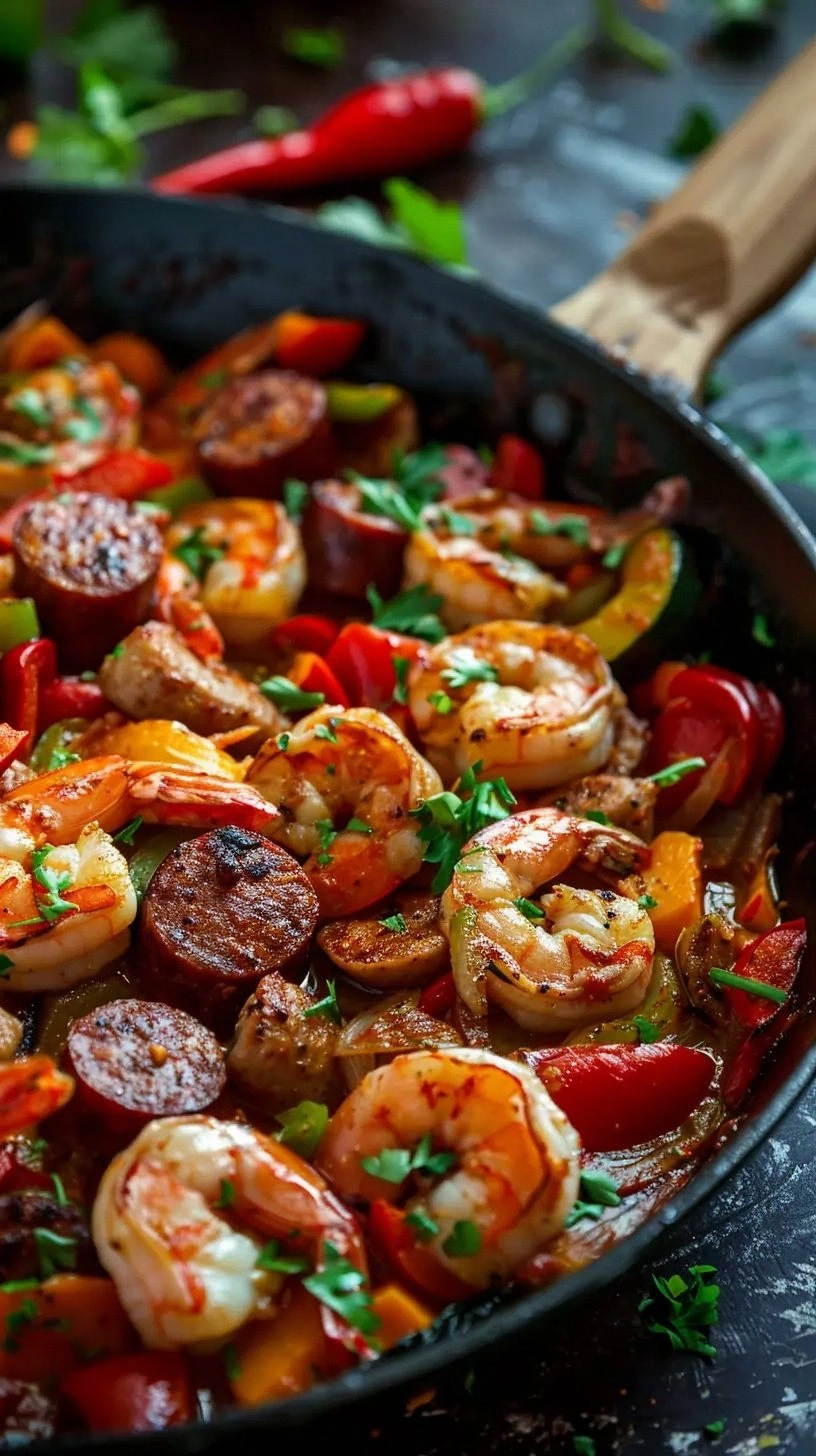
Swap the chicken for peeled shrimp. Brown the shrimp briefly, then follow the same slow‑cooking steps. The shrimp’s quick cooking time means you’ll need to add it later in the process. The result is a seafood twist that’s lighter but still packed with Cajun heat.
Vegetarian Delight
Replace chicken with diced butternut squash or sliced eggplant. Use a plant‑based cream and cheese. The vegetables absorb the sauce beautifully, creating a hearty, vegan-friendly dish that still feels indulgent.
Gluten‑Free Pasta
Use a gluten‑free pasta variety like rice or corn pasta. The texture is slightly different but still works wonderfully with the creamy sauce. Be sure to check the pasta’s cooking time; gluten‑free varieties often cook faster.
Cheese‑Free Option
Omit the mozzarella and Parmesan, and replace them with a splash of nutritional yeast for a cheesy flavor without dairy. The sauce will be lighter, making it a great option for those with dairy sensitivities.
Breakfast Twist
Serve the sauce over scrambled eggs instead of pasta. Add a handful of spinach or kale for extra greens. The creamy, spicy sauce pairs perfectly with a hearty breakfast, turning the dish into a brunch staple.
Pesto Fusion
Stir in a spoonful of basil pesto before adding the pasta. The pesto adds a fresh, herbal depth that complements the Cajun spices. The result is a complex, multi‑layered flavor profile that’s both familiar and adventurous.
Storing and Bringing It Back to Life
Fridge Storage
Store leftovers in an airtight container in the refrigerator for up to 3 days. The creamy sauce may thicken, so add a splash of milk or water when reheating to restore its silky texture. The chicken and pasta remain tender, and the flavors intensify overnight.
Freezer Friendly
Freeze the dish in freezer‑safe containers for up to 2 months. Thaw overnight in the refrigerator before reheating. Reheat in a saucepan over low heat, stirring occasionally, until hot. The sauce may separate slightly; whisking will bring it back together.
Best Reheating Method
The best way to reheat is on the stovetop over medium‑low heat, stirring frequently. This method preserves the sauce’s creaminess and prevents scorching. Add a small amount of water or broth to keep the sauce from drying out.