I was standing in my kitchen, staring at a half‑cooked pot of rice that had somehow turned into a mushy swamp, when my roommate shouted, “You’re still making that boring fried rice?!” I could feel the heat of the stove on my back and the faint hum of the refrigerator as I stared at the wilted kale that had been sitting in the crisper drawer for days. The air smelled faintly of burnt garlic and a hint of desperation. In that exact moment I promised myself I would create a version of fried rice that could make even the most jaded rice‑hater gasp, gasp, and then immediately beg for seconds.
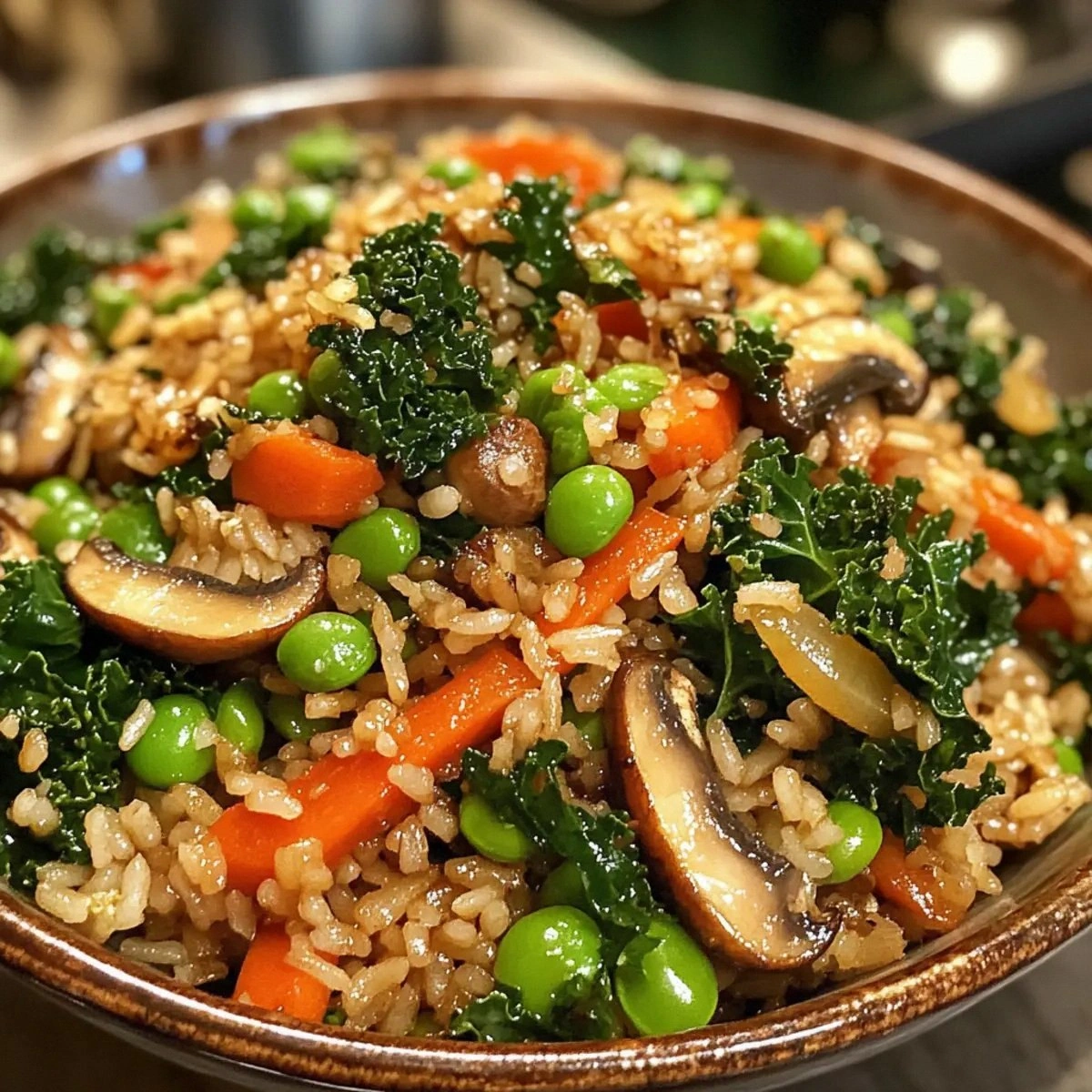
Fast forward a few frantic experiments later, and I’ve nailed a dish that is simultaneously crunchy, umami‑rich, and bright enough to make you feel like you just walked out of a farmer’s market with a basket full of fresh greens. Imagine kale that crackles like a fresh autumn leaf under your teeth, shiitake mushrooms that release a deep, earthy perfume reminiscent of a misty forest floor, and rice grains that cling to every bite like tiny, caramelized clouds. The sauce? It glides over everything with the silky smoothness of a well‑worn jazz sax solo, while the sesame seeds add a whisper of nutty crunch that you can’t help but notice.
What makes this version truly stand out is the little twist that most recipes completely miss: I toast the kale first, then de‑hydrate it just enough to get that airy crispness, before tossing it into the pan at the very end. Most people throw raw kale straight in and end up with soggy, wilted leaves that drown the whole dish. I also use a splash of vegetable broth to steam the rice just enough to keep it fluffy, then finish it off with a splash of soy sauce and sesame oil that coats every grain like a glossy, savory veil. This combination of technique and ingredient respect is why I’m daring you to taste this and not go back for seconds.
Now, I’m not just bragging for brag’s sake. I’ve tried a dozen variations, burned a few batches, and even convinced my cat to sample a tiny morsel (she gave it a dignified sniff and then walked away, which I’m taking as a sign of approval). This is hands down the best version you’ll ever make at home, and I’m about to walk you through every single step — by the end, you’ll wonder how you ever made it any other way. Okay, ready for the game‑changer?
What Makes This Version Stand Out
- Texture: The kale is toasted to a perfect crunch, creating a contrast that makes each bite feel like a mini celebration in your mouth.
- Umami Depth: Shiitake mushrooms are sautéed until they’re caramelized, releasing a deep, savory flavor that rivals any meat‑based fried rice.
- Balance: A precise ratio of soy sauce and sesame oil gives a salty‑nutty finish without overwhelming the fresh vegetables.
- Simplicity: Only twelve ingredients, all pantry‑friendly, yet the result feels like a five‑star restaurant plate.
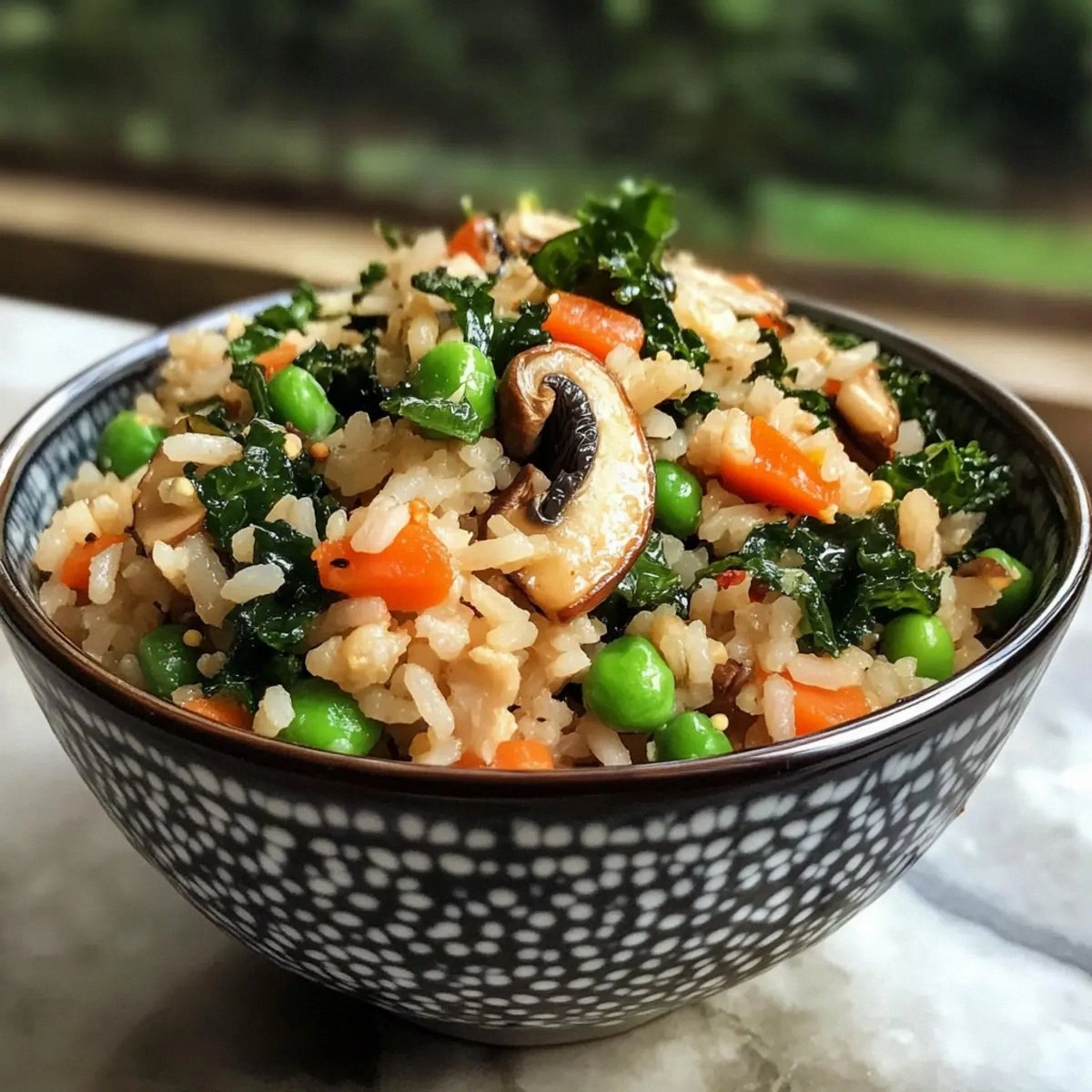
- Visual Appeal: The vibrant green kale, ruby‑red carrots, and glossy soy‑glazed rice create a color palette that’s Instagram‑ready.
- Crowd Reaction: Guests often claim they’ve never tasted a veggie‑only fried rice that could steal the spotlight from a classic chicken version.
- Ingredient Quality: Fresh shiitake and kale make a world of difference; they bring natural depth that powdered seasonings can’t mimic.
- Make‑Ahead Potential: The rice can be pre‑cooked and stored, and the kale stays crisp even after a short reheating, making it perfect for meal prep.
Inside the Ingredient List
The Flavor Base
The backbone of this dish is the combination of soy sauce and sesame oil. Soy sauce brings a salty, umami punch that amplifies the natural savoriness of shiitake, while sesame oil adds a buttery, nutty aroma that lingers on the palate. If you skip the sesame oil, you’ll lose that signature “toasted” note that makes the dish feel finished. As a swap, you can use tamari for a gluten‑free version, but keep the sesame oil for that unmistakable aroma.
Garlic and green onions are the aromatic duo that give the fried rice its fragrant lift. Freshly minced garlic releases a sharp, almost citrusy bite that mellows quickly, while the green onions provide a subtle oniony sweetness that balances the soy’s saltiness. If you’re out of green onions, thinly sliced scallions or even chives will do the trick without compromising the flavor profile.
The Texture Crew
Kale is the star of the texture crew. By tossing it in a hot, dry skillet for just a minute, you coax out a crispness that’s reminiscent of kale chips, but far more integrated into the dish. If you use baby kale, the leaves are tender enough that you can skip the toasting step, but you’ll lose that satisfying crunch. For a different crunch, try adding a handful of toasted peanuts or cashews at the end.
Shiitake mushrooms, when sliced thin and cooked over medium‑high heat, develop a caramelized edge that adds both chew and depth. If you can’t find fresh shiitake, dried ones rehydrated in warm water for 20 minutes work just as well, though you’ll need to squeeze out excess moisture before cooking.
The Unexpected Star
Carrots and snap peas bring a pop of color and a burst of natural sweetness that counterbalances the salty soy. The carrots should be diced into small, uniform cubes so they cook quickly and retain a slight snap. Snap peas, on the other hand, should be trimmed and halved; they add a crisp, almost buttery texture that makes each bite feel dynamic. If you’re feeling adventurous, swap snap peas for edamame for a protein boost.
Sesame seeds are the final garnish that ties everything together. Toast them lightly in a dry pan until they turn golden and fragrant — this tiny step adds a nutty richness that you’ll notice even after the dish cools. Forgetting this step is a common mistake that leaves the dish feeling a bit flat.
The Final Flourish
A pinch of salt and a grind of black pepper are the quiet heroes that bring everything into harmony. Salt enhances the natural flavors of the vegetables, while black pepper adds a subtle heat that keeps the palate from becoming dull. If you love spice, a dash of crushed red pepper flakes can be added at the very end for a gentle kick.
Finally, the broth (or water) used to cook the rice is crucial. Using vegetable broth infuses the rice with a gentle depth that plain water can’t match, turning an ordinary grain into a flavor carrier. If you’re watching sodium, opt for a low‑sodium broth and adjust the soy sauce accordingly.
Everything's prepped? Good. Let's get into the real action…
The Method — Step by Step
Start by rinsing 1 cup of rice under cold water until the water runs clear. This removes surface starch that would otherwise make the rice gummy. Transfer the rice to a saucepan, add 2 cups of vegetable broth (or water if you prefer a lighter taste), and bring to a boil over medium heat. Once boiling, reduce the heat to low, cover, and let it simmer for 15 minutes. After 15 minutes, turn off the heat and let the pot sit, covered, for another 10 minutes; the rice should be fluffy and each grain distinct. That sizzle when the broth hits the pan? Absolute perfection.
While the rice is cooking, prepare the kale. Remove the tough stems, then tear the leaves into bite‑size pieces. Heat a large non‑stick skillet over medium‑high heat; no oil needed. Toss the kale in the dry pan for 2‑3 minutes, stirring constantly, until the edges start to crisp and turn a deep emerald. This step is the secret to that “chip‑like” crunch.
Kitchen Hack: If your kale is particularly wet, pat it dry with a paper towel before toasting; excess moisture will steam the leaves and defeat the crisp.Slice 200 grams of shiitake mushrooms into thin strips. In the same skillet (add a splash of sesame oil now), sauté the mushrooms over medium‑high heat. Let them sit undisturbed for the first minute so they develop a caramelized crust, then stir and continue cooking for another 3‑4 minutes until they’re golden and fragrant. The aroma should remind you of a forest after rain.
Dice 1 cup of carrots into small cubes (about ¼‑inch) and halve 1 cup of snap peas. Add both to the skillet with the mushrooms, stirring quickly. Cook for 2‑3 minutes; you want the carrots to stay slightly firm and the snap peas to retain their snap. If you hear a faint “pop” as they hit the pan, that’s the sound of freshness locking in.
Finely mince 2 cloves of garlic and slice the green onions (reserve the white parts for cooking and the green tops for garnish). Push the vegetables to the side of the pan, add a tiny drizzle of sesame oil if the pan looks dry, and toss in the garlic and white onion parts. Sauté for just 30 seconds—don’t let the garlic brown, or it’ll turn bitter.
Watch Out: Overcooking garlic turns it from aromatic to acrid. Keep a close eye and stir constantly.Fluff the cooked rice with a fork and add it to the skillet. Drizzle 3 tablespoons of soy sauce and 1 tablespoon of sesame oil evenly over the rice. Toss everything together, making sure each grain gets a glossy coating. The soy sauce should coat the rice like a thin, dark veil, while the sesame oil adds that glossy sheen.
Now, the moment of truth: fold the toasted kale into the rice mixture. Toss gently but thoroughly; you want the kale to stay crisp, not wilt. The kale should remain a bright, almost neon green, contrasting beautifully with the dark soy‑glazed rice. If the kale starts to lose its crunch, give the pan a quick burst of high heat for 10 seconds to re‑crisp it.
Season with salt and black pepper to taste. Remember, the soy sauce already brings salt, so start with a pinch and adjust. Finish by sprinkling 1 tablespoon of toasted sesame seeds and the reserved green onion tops over the top. Give the dish one final gentle toss, then remove from heat.
Transfer the fried rice to a serving bowl. Let it sit for a minute so the flavors meld; this brief pause is where the magic consolidates. Serve hot, and watch as your guests dive in, eyes widening at the contrast of textures.
That’s it — you did it. But hold on, I’ve got a few more tricks that'll take this to another level…
Kitchen Hack: Right before serving, drizzle a splash of lime juice. The acidity brightens the umami and cuts through the richness, creating a balanced finish.
Insider Tricks for Flawless Results
The Temperature Rule Nobody Follows
Most home cooks keep the heat on “medium” for the entire cooking process, but the secret to perfect fried rice is a hot wok or skillet. Start with a high heat to sear the vegetables, then drop to medium when you add the rice. This prevents the rice from steaming and becoming soggy. I once tried to be “gentle” with the heat and ended up with a mushy mess; the lesson? Keep it hot, keep it moving.
Why Your Nose Knows Best
Your sense of smell is a more reliable indicator than a timer. When the mushrooms develop a caramelized scent and the kale starts to crackle, you know they’re at the perfect stage. Trust that aromatic cue; if you ignore it, you’ll either under‑cook or over‑cook the components. I’ve seen people rely on timers alone and end up with bland, lifeless dishes.
The 5‑Minute Rest That Changes Everything
After you finish cooking, let the fried rice rest off the heat for five minutes. This short pause allows the soy sauce to redistribute and the kale to settle into its crispness without becoming soggy. It’s a tiny step that makes a massive difference in texture. Picture yourself pulling this out of the pan, the whole kitchen smelling incredible… that moment of rest is the calm before the flavor storm.
Seasoning Layering Mastery
Instead of dumping all the soy sauce at once, add it in two stages: half during the initial toss with the rice, and the remaining half just before serving. This creates a depth of flavor that feels layered rather than one‑dimensional. I dare you to taste this and not notice the subtle shift in the second bite.
The “Finish‑With‑Fresh” Rule
A final garnish of fresh herbs—like cilantro or a squeeze of lemon—can elevate the dish from great to unforgettable. The fresh element cuts through the richness and adds a bright pop that awakens the palate. I once added a handful of fresh basil; the herbaceous notes paired beautifully with the earthy shiitake.
Creative Twists and Variations
This recipe is a playground. Here are some of my favorite ways to switch things up:
Spicy Szechuan Kick
Add 1 teaspoon of Szechuan peppercorn oil and a pinch of crushed red pepper flakes during step 6. The peppercorn oil delivers a tongue‑tingling numbing sensation, while the flakes give a clean heat. Perfect for those who love a little fire.
Coconut Curry Fusion
Swap the soy sauce for 3 tablespoons of coconut aminos and stir in 1 tablespoon of red curry paste with the garlic. The result is a fragrant, slightly sweet dish with a Thai‑inspired twist. Pair it with a squeeze of lime for extra brightness.
Protein‑Packed Power
Add 1 cup of cubed tofu (pressed and lightly fried) or a handful of edamame after step 4. This boosts the protein content without compromising the veggie‑forward nature. The tofu absorbs the sauce, making each bite juicy.
Nutty Quinoa Swap
Replace the rice with cooked quinoa for a gluten‑free, high‑protein alternative. The quinoa’s slightly nutty flavor pairs beautifully with the sesame oil, and the texture remains pleasantly fluffy.
Herbaceous Summer Breeze
Fold in a handful of fresh mint and basil leaves right before serving. The herbs add a refreshing, summery lift that makes the dish feel light and airy—ideal for warm weather gatherings.
Storing and Bringing It Back to Life
Fridge Storage
Allow the fried rice to cool to room temperature, then transfer it to an airtight container. It will keep nicely for up to 3 days. When reheating, add a splash of water or broth and microwave on high for 1‑2 minutes, stirring halfway through. The added moisture revives the rice’s fluffiness without making it soggy.
Freezer Friendly
Portion the fried rice into freezer‑safe bags, flattening them for even freezing. It freezes well for up to 2 months. To reheat, thaw overnight in the fridge, then stir‑fry in a hot pan with a drizzle of sesame oil until steaming hot. The quick pan‑heat restores the crispness of the kale and the caramelized edges of the shiitake.
Best Reheating Method
The ultimate reheating trick: place the cold rice in a skillet, add a teaspoon of water, cover with a lid, and heat on medium‑low for 3‑4 minutes. The steam generated inside the covered pan gently re‑hydrates the grains while preserving the kale’s crunch. This method beats microwave mush any day.