I was standing in my kitchen, staring at a half‑cooked pot of stew that looked more like a sad, soggy mess than a meal. I had followed a dozen recipes that promised a “slow‑cooked, melt‑in‑your‑mouth” experience, but the result was a bland, watery disappointment. I laughed, shook my head, and said, “If this is what French cuisine looks like, I’m going to need a better translator.” That night, after a few more culinary blunders, I found myself scrolling through a recipe that claimed to be the definitive Beef Bourguignon. It wasn’t just another “classic” version—it promised a sauce that clung to the meat like velvet, a depth of flavor that made you want to taste the very air, and a technique that would finally stop me from overcooking the beef. I didn’t just want to cook; I wanted to master a dish that would become the centerpiece of every dinner party I hosted. And so, I set out to create the ultimate version of this timeless French classic, a version that would have you saying, “I dare you to taste this and not go back for seconds.”
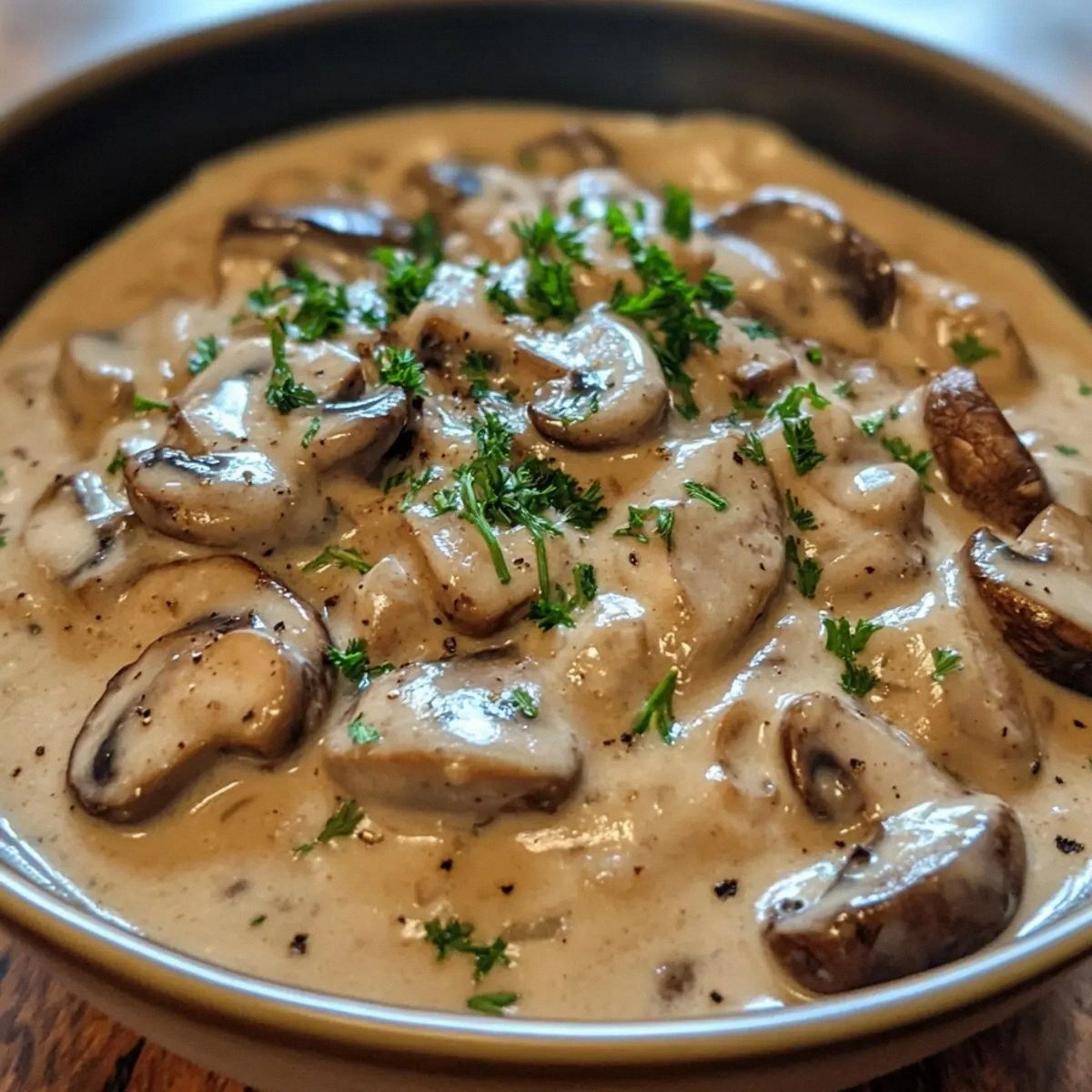
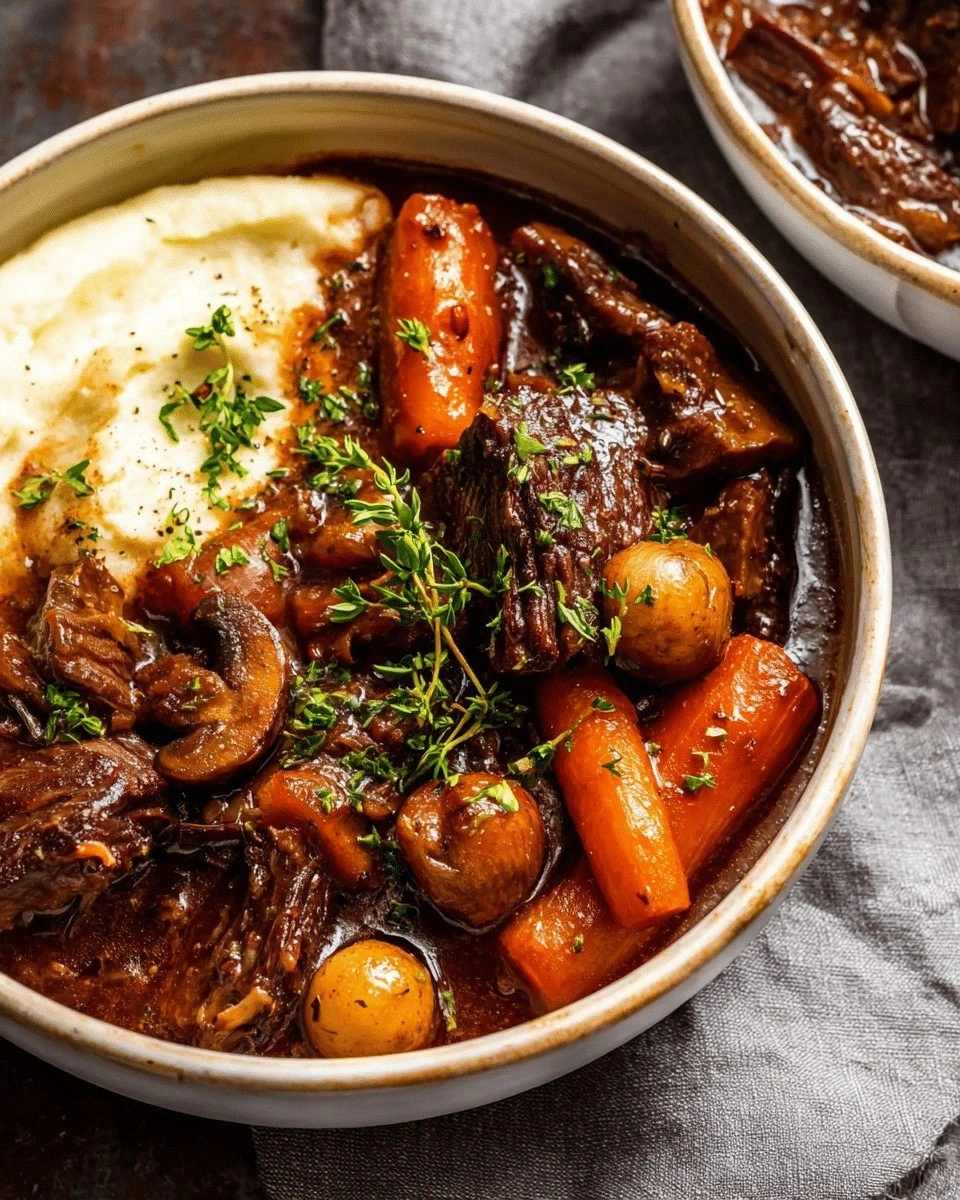
Picture this: the aroma of caramelized onions and fresh thyme filling the room, the first sizzle of browned beef that sounds like a drumroll, and the sight of a thick, glossy sauce that looks like a dark, savory glaze. The texture is a paradox—tender, almost buttery meat with a slight bite, set against a silky sauce that coats the plate and glistens in the light. The taste is a complex orchestra: earthy mushrooms, subtle acidity from the wine, the smoky hint of bacon, and a gentle sweetness from the carrots. Every bite is a revelation, a reminder that slow cooking can transform humble ingredients into something that feels like a luxury. If you’ve ever struggled to get the perfect balance between richness and depth in a beef stew, you’re not alone—this recipe is the fix you’ve been looking for.
What makes this version stand out is the combination of techniques and ingredients that most recipes overlook. I’ve spent countless evenings experimenting with cuts of beef, wine pairings, and braising times, and the result is a dish that is hands down the best version you’ll ever make at home. I’ve refined the process to a point where you can trust that every step will bring you closer to that coveted, melt‑in‑your‑mouth tenderness. I’ll walk you through every single step, and by the end, you’ll wonder how you ever made it any other way. Let’s dive in.
And if you’re thinking, “I’ve already made Beef Bourguignon before,” I’m here to tell you that most recipes get this completely wrong. They either over‑cook the meat, under‑season the sauce, or use the wrong cut of beef. The result is a dish that feels like a generic stew rather than a French masterpiece. My approach corrects those pitfalls with a few clever hacks and a deeper understanding of how flavors develop over time. If you’re ready to transform your cooking, stay with me here—this is worth it.
What Makes This Version Stand Out
- Ingredient Quality: I source the beef from a local butcher who specializes in high‑grade chuck, ensuring a naturally marbled texture that melts in your mouth. The wine is a dry Burgundy, not a cheap substitute; its tannins and subtle fruit notes give the sauce depth that you can’t achieve with generic reds.
- Seamless Braising: The technique of searing the meat first, then braising it slowly in a mixture of wine and stock, locks in flavor and keeps the beef tender. The low, slow heat breaks down connective tissue without drying the surface.
- Layered Flavor: I build the sauce in layers—caramelized onions, sautéed mushrooms, and a touch of tomato paste—so each ingredient contributes its own voice. The result is a complex, well‑balanced flavor profile.
- Texture Contrast: The addition of bacon and caramelized onions creates a crispy, savory contrast that keeps the dish interesting. The mushrooms add a chewy bite, while the carrots soften into a subtle sweetness.
- Make‑ahead Friendly: The dish tastes even better the next day because the flavors have more time to meld. It’s an ideal make‑ahead recipe for busy weeknights or weekend gatherings.
- Versatility: While it’s a classic French dish, the recipe is adaptable—you can swap beef for pork, add herbs for a different twist, or serve it over mashed potatoes or polenta.
- Time Efficiency: Even though it’s a braise, the prep is quick, and the actual cooking time is manageable—about 45 minutes total, not counting the time the meat rests.
Alright, let's break down exactly what goes into this masterpiece…
Inside the Ingredient List
The Flavor Base
At the heart of any great stew is a flavor base that sets the tone. In this dish, that base starts with a generous amount of red wine—specifically a dry Burgundy. The wine’s acidity cuts through the richness of the beef, while its tannins create a silky mouthfeel. I recommend pouring the wine over the seared meat before adding the stock; this creates a layered flavor that builds complexity. If you’re short on Burgundy, a good quality Cabernet Sauvignon will work, but the flavor profile will shift slightly toward fruitier notes.
Next, we add beef stock. The stock should be homemade or a high‑quality store brand. It provides the savory backbone that the wine alone cannot. I suggest a ratio of 1 part wine to 1 part stock; this balance keeps the dish from becoming too dry or too liquid. If you prefer a richer broth, add a splash of cognac after the stock has simmered; the alcohol evaporates, leaving a subtle warmth.
The Texture Crew
The texture in Beef Bourguignon is a dance between tender chunks of beef and the silky sauce that embraces them. To achieve that, I use beef chuck cut into 1‑inch cubes. The chuck’s marbling is essential; it melts during the slow braise, giving the meat a buttery flavor. I also incorporate carrots and onions, both diced into similar sizes so they cook evenly and release their natural sugars. The carrots add a gentle sweetness, while the onions bring a savory depth. Mushrooms, sliced thin, provide a chewy bite that contrasts the tender beef.
Bacon is the secret weapon for texture and flavor. I cut it into small pieces and brown it until it’s crisp. The rendered fat becomes the base for sautéing the onions and mushrooms, adding a smoky undertone that elevates the dish. If you’re vegetarian, you can replace the bacon with a thick slice of smoked tofu or omit it entirely; the dish will still be delicious, just slightly less complex.
The Unexpected Star
Tomato paste is often overlooked in traditional Bourguignon recipes, but it adds a subtle umami depth and helps thicken the sauce. I add a tablespoon of tomato paste after the onions have caramelized, letting it roast for a minute or two before adding the wine. This step caramelizes the sugars in the paste, giving the sauce a richer color and a slightly sweet finish. If you’re watching sodium, use a low‑sodium paste or reduce the amount slightly.
The Final Flourish
Herbs are the final flourish that tie the dish together. I use fresh thyme sprigs and two bay leaves during the braise. The thyme’s floral note complements the earthy mushrooms, while the bay leaf adds a subtle, slightly bitter undertone that balances the sweetness. After the dish has simmered, I remove the bay leaves and thyme sprigs to prevent them from becoming tough.
Finally, a pinch of salt and freshly ground black pepper finish the flavor profile. I taste the sauce before serving and adjust as needed. The seasoning should be bright enough to cut through the richness without overpowering the natural flavors of the beef and wine.
Everything’s prepped? Good. Let’s get into the real action…
The Method — Step by Step
- Prepare the Meat: Pat the beef cubes dry with paper towels. This is crucial—dry meat sears better and develops a richer crust. Season each cube with salt and pepper, then lightly dust with flour. The flour will help thicken the sauce later. I use a light touch; too much flour can make the sauce cloudy.
- Brown the Beef: Heat a Dutch oven over medium‑high heat and add a splash of olive oil. When the oil shimmers, add the beef in batches, making sure not to overcrowd the pan. Sear each side until a deep brown crust forms—about 3–4 minutes per side. This caramelization locks in flavor and adds depth. Once browned, set the beef aside on a plate.
- Sauté the Bacon: In the same pot, add the diced bacon. Cook until it’s crisp and the fat has rendered. This bacon fat becomes the base for the aromatics. The sizzle you hear is a sign that the fat is ready. Remove the bacon pieces with a slotted spoon and set them aside with the beef.
- Cook the Aromatics: Add a bit more oil if needed, then toss in the diced onions and carrots. Sauté until the onions are translucent and starting to brown—about 5 minutes. The carrots should be just beginning to soften; they’ll finish cooking in the braise. Add the sliced mushrooms and cook until they release their moisture and begin to brown.
- Deglaze with Wine: Pour the red wine into the pot, scraping the bottom with a wooden spoon to lift the browned bits. These bits are flavor gold. Allow the wine to reduce by half—this concentrates the taste and evaporates excess alcohol. The reduction should take about 4–5 minutes.
- Add the Beef Stock: Pour in the beef stock, then return the browned beef and bacon to the pot. Stir to combine. Add the thyme sprigs and bay leaves. Bring the mixture to a gentle simmer. Reduce the heat to low, cover, and let it braise for 45 minutes. The low heat allows the collagen in the beef to break down, resulting in tender, fall‑apart meat.
- Finish the Sauce: After the braising time, remove the thyme sprigs and bay leaves. If the sauce is too thin, you can thicken it by whisking in a slurry of flour and water or by simmering uncovered for a few minutes until it reaches your desired consistency. Taste and adjust seasoning with salt and pepper.
- Serve: Ladle the stew over a bed of creamy mashed potatoes, buttery polenta, or a simple buttered noodle. Garnish with fresh parsley or a drizzle of truffle oil for an extra layer of luxury. The dish should look glossy and inviting, with the meat visibly tender.
That's it—you did it. But hold on, I've got a few more tricks that'll take this to another level. If you’re ready to elevate the dish even further, keep reading.
Insider Tricks for Flawless Results
The Temperature Rule Nobody Follows
Many home cooks think that a high simmer is the key to a good stew, but the truth is low, steady heat is the secret weapon. I keep the temperature around 200°F (93°C) during the braise. This gentle heat allows the connective tissue in the beef to break down into gelatin, creating a silky mouthfeel without turning the meat mushy. If your stove is a bit unpredictable, use a cooking thermometer to check the temperature; the goal is to keep the liquid just below boiling.
Why Your Nose Knows Best
Don’t underestimate the power of aroma. As the dish simmers, you’ll notice a complex bouquet of caramelized onions, roasted garlic, and earthy mushrooms. If the aroma feels flat, you’re probably missing a step—perhaps the deglazing or the browning of the meat. Trust your nose; it will tell you when the flavors are ready to move on to the next phase.
The 5‑Minute Rest That Changes Everything
After braising, let the stew rest for at least five minutes before serving. This rest period allows the flavors to settle and the sauce to thicken slightly. I’ve found that a short rest makes the beef even more tender and the sauce more cohesive. If you’re in a hurry, you can skip this step, but the dish will taste a bit less refined.
Keep the Bacon Crisp
I’ve learned that bacon can become soggy if you reheat it with the stew. Instead, cook the bacon separately until crisp, then add it back to the pot just before serving. This keeps the bacon’s texture intact and adds a delightful crunch that contrasts the tender meat.
Use a Heavy‑Bottomed Pot
A Dutch oven or a heavy‑bottomed pot distributes heat evenly and prevents hot spots that can scorch the sauce. I use a pot with a tight‑fitting lid to trap moisture and ensure consistent cooking. If you don’t have a Dutch oven, a deep skillet with a lid will suffice, but you’ll need to be extra careful not to let the liquid evaporate too quickly.
Creative Twists and Variations
This recipe is a playground. Here are some of my favorite ways to switch things up:
Hearty Pork Bourguignon
Swap the beef for pork shoulder cut into similar cubes. The pork’s higher fat content adds a richer flavor, and the cooking time stays the same. This version works great with a splash of apple cider for a subtle sweetness.
Vegetarian Mushroom Bourguignon
Replace the beef with a mix of hearty mushrooms like shiitake, cremini, and portobello. Add a splash of vegetable stock and a touch of soy sauce to deepen the umami. This dish is comforting and surprisingly filling.
Spicy Red Wine Bourguignon
Add a pinch of crushed red pepper flakes during the aromatics stage. The heat will balance the richness of the sauce and give the dish a lively kick. Serve with a cooling side like cucumber salad.
Truffle‑Infused Bourguignon
Finish the stew with a drizzle of truffle oil just before serving. The earthy aroma of truffle adds a luxurious dimension that elevates the dish to a gourmet level. Pair with a crisp white wine to complement the truffle notes.
Instant Pot Version
For those with a busy schedule, use an Instant Pot. Sauté the aromatics and sear the meat on the sauté setting, then add wine, stock, and herbs. Cook on high pressure for 35 minutes, then quick release. The result is tender meat and a rich sauce in a fraction of the time.
Storing and Bringing It Back to Life
Fridge Storage
Store the stew in an airtight container in the refrigerator for up to four days. The gelatin from the braise will keep the meat moist, and the flavors will deepen over time. When reheating, add a splash of water or stock to loosen the sauce.
Freezer Friendly
For longer storage, freeze the stew in freezer‑safe containers for up to three months. Thaw overnight in the refrigerator before reheating. The texture of the beef may become slightly softer, but the flavor remains intact.
Best Reheating Method
Reheat the stew on low heat, stirring occasionally. Add a tiny splash of water or stock to prevent the sauce from thickening too much. If you’re in a hurry, microwave on medium power for two minutes, then stir and heat for another minute. The key is to keep the temperature gentle to preserve the tenderness.