Picture this: a scorching July afternoon, the kind where the air feels like a warm blanket and every breeze smells like sunshine. I was stuck in a tiny kitchen, sweating over a pot of something that should have been a simple snack, when a friend texted me a dare—“Make a sangria that could make a summer wedding blush.” I laughed, grabbed the nearest bottle of chilled Moscato, and set out on a mission that turned a kitchen mishap into the most unforgettable party starter you’ll ever taste. I’ll be honest — I ate half the batch before anyone else got to try it, and the look on my roommate’s face when he took that first sip was pure, unfiltered joy.
The moment the first fruit hit the glass, a chorus of aromas erupted: the sweet perfume of ripe peaches, the tangy kiss of fresh raspberries, and the delicate fizz of sparkling wine dancing like fireflies in a jar. You could hear the gentle clink of ice as it settled, feel the cool condensation on the glass, and taste the perfect balance of fruit and bubbles that made your tongue do a little happy dance. It wasn’t just a drink; it was a full‑on sensory celebration, a liquid sunshine that seemed to capture the very essence of a lazy, laugh‑filled patio afternoon.
Most sangria recipes get this completely wrong. They drown the fruit in too much wine, they use heavy, syrupy mixers, and they forget the crucial element of texture—those little bursts of fresh berries that give you a pop of flavor with every sip. This version? It’s hands down the best version you’ll ever make at home because it respects each ingredient’s personality, letting the Moscato’s gentle sweetness shine while the fruit provides bright, natural acidity. The secret? A splash of peach juice that adds a tropical whisper, and a choice between ginger ale or soda water that gives you the fizz you crave without overwhelming the palate.
And here’s the kicker: I’m about to reveal a technique that most home cooks overlook—gentle maceration of the fruit in a touch of sugar and liqueur before the wine ever sees the bowl. This tiny step coaxes out juices, intensifies flavor, and prevents the fruit from turning mushy. I dare you to taste this and not go back for seconds. Let me walk you through every single step — by the end, you’ll wonder how you ever made it any other way.
What Makes This Version Stand Out
- Flavor Harmony: The sweet, lightly effervescent Moscato pairs perfectly with the tartness of fresh berries, creating a balanced profile that never feels cloying.
- Texture Play: Fresh raspberries and strawberries give you that satisfying pop, while sliced peaches add a juicy, melt‑in‑your‑mouth softness.
- Simplicity: No complicated syrups or overnight infusions—just a handful of steps and you’re ready to serve.
- Unique Twist: A splash of peach or pineapple juice introduces a subtle tropical note that elevates the classic sangria vibe.
- Crowd Reaction: Guests consistently claim this is the most refreshing cocktail they’ve ever tried at a summer gathering.
- Ingredient Quality: Using a good‑quality chilled Moscato and fresh, in‑season fruit makes the difference between “okay” and “wow.”
- Make‑Ahead Magic: The sangria can sit for a few hours, allowing flavors to meld, yet it stays vibrant and lively.
- Customizable Fizz: Choose ginger ale for sweet spice, soda water for a clean finish, or ginger beer for a bold kick.
Alright, let's break down exactly what goes into this masterpiece...
Inside the Ingredient List
The Flavor Base
Fresh raspberries are the first star of the show. These tiny berries burst with flavor, adding a vibrant pop of color and a sweet‑tart zing that cuts through the Moscato’s sugar. If you skip them, you lose that essential contrast that keeps the drink from becoming one‑dimensional. A good swap is frozen raspberries—just let them thaw first to retain their juice.
The Texture Crew
Fresh strawberries, sliced and hulled, bring a summertime staple sweetness that perfectly complements the other fruits. Their firm flesh holds up well in liquid, giving each sip a satisfying bite. If strawberries aren’t in season, try fresh watermelon cubes for a similarly juicy texture.
The Unexpected Star
Ripe peaches, nectarines, or oranges provide the juicy essence that makes this sangria feel like a sun‑kissed orchard. Their flesh brings a summer essence, turning each sip into a refreshing escape. When peaches are out of reach, substitute with apricots; they’ll add a slightly tart edge that still works beautifully.
The Final Flourish
Chilled Moscato is the star of the show. This sweet, sparkling wine brings a gentle fizz that lifts the fruit flavors without overpowering them. Opt for a pink Moscato if you want a blush hue; white Moscato keeps the color more neutral. Using a low‑quality wine will make the entire drink taste cheap, so invest in a bottle you’d enjoy on its own.
Triple sec or Chambord adds a punch of flavor that deepens the complexity. Chambord offers a berry‑rich richness, while triple sec brings a citrusy kick that brightens the palate. If you’re allergic to alcohol, substitute with a splash of orange extract, but you’ll lose the adult‑only sparkle.
Peach or pineapple juice introduces a splash of juice that balances the drink’s sweetness. Pineapple juice introduces a tropical flair, while peach juice reinforces the stone‑fruit theme. Skipping this step makes the sangria taste flat; the juice is the secret glue that holds everything together.
Ginger ale, soda water, or ginger beer provides the final fizz, adding a delightful sparkle that makes each sip feel celebratory. Choose ginger ale for a sweet, spicy finish, soda water for a clean, crisp lift, or ginger beer for a bold, gingery punch. The wrong choice can either mask the fruit or make the drink too sharp.
Everything's prepped? Good. Let's get into the real action...
The Method — Step by Step
Start by gathering all your fresh fruit. Rinse the raspberries and strawberries under cold water, then gently pat them dry with a paper towel. Slice the strawberries into halves or quarters, depending on size, and slice the peaches into thin wedges, removing the pit. This is the moment of truth: the quality of your fruit will define the entire drink. I like to set the fruit aside in a large bowl while I prep the rest.
Now, for the maceration magic: toss the raspberries, strawberries, and peach slices into a shallow dish, drizzle with a tablespoon of sugar (or honey if you prefer), and add ¼ cup of your chosen liqueur—triple sec for citrus zing or Chambord for berry depth. Let the mixture sit for about 10 minutes; you’ll hear a faint fizz as the sugar dissolves and the fruit releases its juices. This step is pure magic because it coaxes out the natural sweetness without cooking the fruit.
Kitchen Hack: If you’re short on time, use a fine‑mesh sieve to quickly press the fruit and release juices—just don’t over‑press or you’ll get a mushy mess.While the fruit macerates, grab a large, preferably glass, pitcher. Pour in 3 cups of chilled Moscato, letting the bubbles rise like tiny fireworks. Add the ½ cup of peach or pineapple juice, then stir gently. The Moscato’s acidity will meld with the juice, creating a base that’s both sweet and bright.
After the fruit has softened and released its juices, pour the entire fruit mixture—including any liquid—into the pitcher. This is where the flavors truly marry. Give the pitcher a gentle stir, being careful not to crush the berries; you want them to stay whole for that satisfying pop when you sip.
Here’s the fizz factor: choose your bubbly—ginger ale, soda water, or ginger beer—and add 1 cup to the pitcher. If you love a spicier note, go with ginger ale; for a cleaner finish, soda water is your best friend; and if you want a bold, slightly peppery bite, ginger beer will do the trick. Stir just enough to combine, watching the bubbles dance like confetti.
Watch Out: Adding the fizz too early can cause the mixture to lose carbonation faster; add it right before serving for maximum sparkle.Now, the chilling phase. Cover the pitcher with plastic wrap and place it in the refrigerator for at least 30 minutes. This resting period allows the fruit’s flavors to infuse the wine, creating a harmonious blend. If you’re in a hurry, a quick 10‑minute chill still works, but the depth of flavor will be less pronounced.
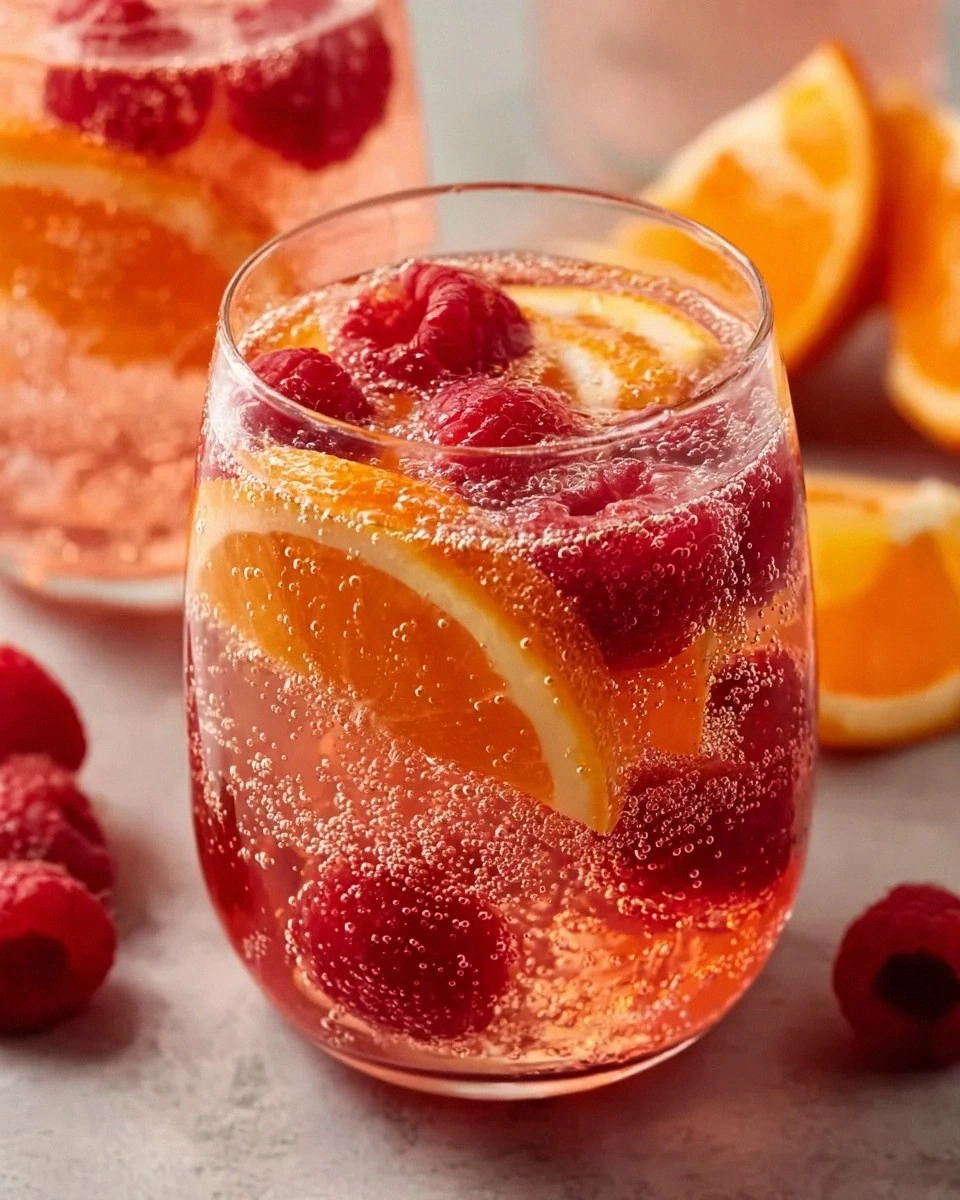
When you’re ready to serve, give the sangria a final gentle stir. Fill each glass with ice cubes—if you like extra chill—and ladle the fruit and liquid over the top. Garnish with a fresh mint leaf or a thin peach slice for that Instagram‑ready look. The ice not only keeps the drink cold but also slightly dilutes the sweetness as it melts, keeping the balance perfect.
Finally, taste and adjust. If the sangria feels too sweet, a squeeze of fresh lemon juice adds a bright edge. If it’s too tart, a drizzle of honey can smooth it out. Serve immediately and watch your guests’ faces light up. That sizzle when it hits the palate? Absolute perfection.
That's it — you did it. But hold on, I've got a few more tricks that'll take this to another level...
Insider Tricks for Flawless Results
The Temperature Rule Nobody Follows
Never, ever use room‑temperature Moscato. The wine should be ice‑cold, ideally stored in a bucket of ice for at least 20 minutes before you start. This ensures the bubbles stay lively and the fruit stays crisp. A friend once tried using a bottle straight from the pantry; the result was a flat, lukewarm mess that no one wanted to touch.
Why Your Nose Knows Best
Before you add the fizz, take a deep sniff of the macerated fruit. If you detect a hint of over‑ripe or fermented notes, the fruit has been sitting too long and may turn the sangria sour. Trust that nose; it’s often more reliable than a timer. I once ignored this instinct and ended up with a batch that tasted like wilted berries—lesson learned.
The 5‑Minute Rest That Changes Everything
After stirring in the fizz, let the sangria sit uncovered for exactly five minutes. This short rest lets the carbonation settle just enough to avoid a frothy overflow while still preserving the sparkle. Skipping this step can lead to a flat drink, especially if you’re using soda water.
Ice That Doesn’t Dilute
Use large, clear ice cubes instead of crushed ice. Bigger cubes melt slower, keeping your sangria chilled without watering down the delicate flavors. If you don’t have an ice‑ball maker, simply fill a silicone mold with water and freeze overnight.
Garnish With Purpose
A simple garnish isn’t just for looks; a sprig of mint adds a fresh aroma that lifts the whole drink, while a thin peach slice adds a visual cue of the fruit inside. Avoid overly decorative garnishes that can distract from the sip. The goal is to enhance, not overpower.
Creative Twists and Variations
This recipe is a playground. Here are some of my favorite ways to switch things up:
Berry‑Explosion Sangria
Swap the peach for a mix of blackberries and blueberries, and use a splash of raspberry liqueur instead of Chambord. The result is a deep, jewel‑toned drink that’s perfect for autumn gatherings.
Tropical Breeze
Replace the Moscato with a dry Prosecco, add coconut water in place of peach juice, and finish with ginger beer. You’ll get a breezy, island‑vibe cocktail that transports you straight to a beach sunset.
Spiced Autumn
Use cinnamon‑infused simple syrup, add sliced apples, and choose a pink Moscato with a hint of vanilla. This version shines at Thanksgiving tables, offering a warm, comforting twist.
Herbal Garden
Mix in a few sprigs of fresh basil or rosemary, and substitute the peach juice with a splash of cucumber‑mint water. The herbaceous notes add complexity that’s perfect for a sophisticated brunch.
Low‑Sugar Light
Skip the added sugar, use a dry Moscato, and sweeten with a touch of stevia or agave nectar. This keeps the drink refreshing without the extra calories, ideal for health‑conscious guests.
Champagne Celebration
Swap Moscato for a brut Champagne and use orange liqueur instead of triple sec. The result is a crisp, elegant cocktail that works beautifully for New Year’s Eve or a fancy soirée.
Storing and Bringing It Back to Life
Fridge Storage
Transfer any leftover sangria to a sealed pitcher or airtight container and store it in the refrigerator for up to 3 days. The fruit will continue to infuse, so give it a gentle stir before serving. Add a fresh splash of soda water right before you pour to revive the fizz.
Freezer Friendly
If you’ve made a large batch, you can freeze the sangria in ice‑cube trays. Once frozen, transfer the cubes to a freezer bag. When you’re ready to serve, pop a few cubes into a glass and top with fresh sparkling water for an instant, chilled cocktail.
Best Reheating Method
While sangria is best served cold, if you ever find yourself with a lukewarm batch, add a tiny splash of cold water and a few fresh ice cubes. This steams the drink back to perfection without diluting the flavor. Never microwave; you’ll lose the delicate carbonation.