I was standing in the middle of my kitchen, staring at a jar of butter beans and a handful of cherry tomatoes, when I realized I had forgotten the secret sauce that would bring everything together. The pantry felt like a battlefield, with olive oil, garlic, and a bag of red pepper flakes begging for attention. I pulled out the canned beans, the cherry tomatoes, and a jar of olives, feeling the familiar scent of brine and sun‑kissed fruit. The idea struck me like a lightning bolt: why not turn this humble pantry into a creamy, savory puttanesca that would make even the most skeptical foodie swoon? I grabbed my trusty skillet, turned on the stove, and let the adventure begin. This moment was the spark that would ignite a dish I would soon brag about for years.
Picture the scene: a sizzling pan, the gentle pop of garlic in olive oil, and the first splash of vegetable broth turning the mixture into a glossy, aromatic base. The kitchen filled with an intoxicating aroma that made my mouth water before I even tasted it. I was already half‑way through the recipe, and the anticipation was a tangible, almost electric feeling. I could hear the clatter of the spoon against the pan, the hiss of the broth, and the subtle crunch of the tomato skins as they softened. Every element was playing its part, creating a symphony of flavors that promised something extraordinary. By the time the sauce thickened, my kitchen smelled like a Mediterranean summer afternoon.
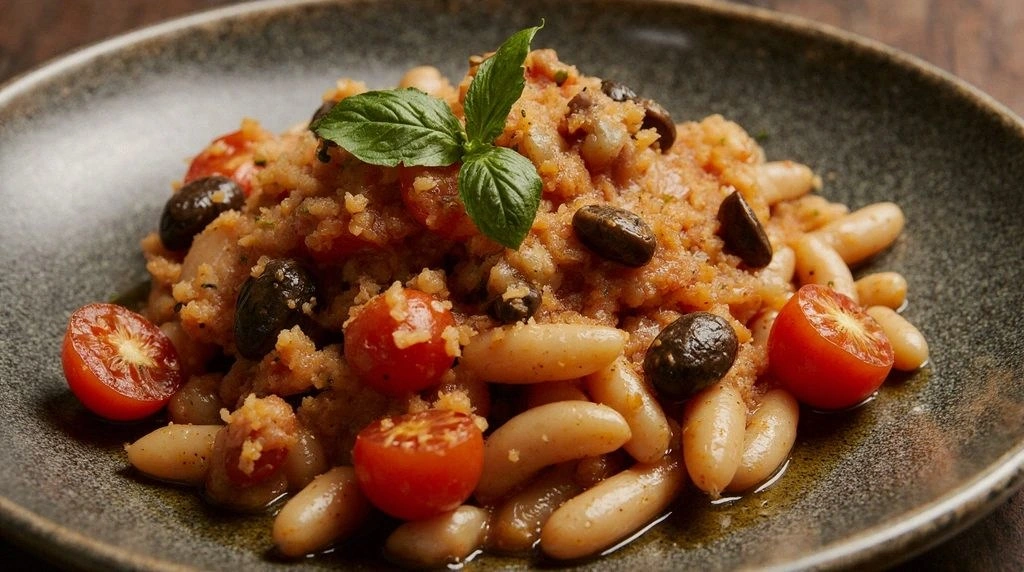
But this is no ordinary puttanesca. It's a buttery, bean‑laden twist that turns a classic into a comfort‑food masterpiece. The beans give it a velvety texture that coats the pasta like a silk scarf, while the cherry tomatoes add a burst of sweet freshness that cuts through the richness. The olives and capers provide that quintessential briny kick, and the garlic and red pepper flakes bring depth and a subtle heat that lingers on the tongue. I dare you to taste this and not go back for seconds. The sauce is so luscious that it turns even plain spaghetti into a decadent feast. By the end of this post, you'll wonder how you ever made puttanesca any other way.
I remember the first time I tried the original recipe from a friend’s Instagram post. It was a hit, but something felt missing—a heartier, more filling base that could stand up to a crowd. I experimented in secret, adding butter beans to create a richer mouthfeel. The result was a sauce that was both comforting and sophisticated, a perfect balance of sweet, salty, and savory. My friends were amazed, and the dish quickly became a staple at our dinner parties. They asked me to share the recipe, and that's why I'm writing this post. I'm excited to walk you through every single step, from pantry prep to plating, so you can recreate this masterpiece at home.
Imagine yourself pulling this out of the oven, the whole kitchen smelling incredible, and the plate gleaming with glossy sauce. The aroma alone is enough to make anyone’s stomach growl. The first bite will hit you with a burst of sweet tomatoes, followed by the briny depth of olives and capers, and then the creamy texture of butter beans that lingers on your palate. The finish is brightened by fresh parsley, giving the dish a lively, herbaceous lift. I’ve been told that this version is hands down the best you’ll ever make at home. It's the kind of dish that turns an ordinary evening into a celebration. And the best part? It's incredibly forgiving, so even novice cooks can nail it.
What makes this version stand out is not just the ingredients but the way they come together. The beans are the backbone, providing body and subtle sweetness that contrast beautifully with the acidity of the tomatoes. The olives and capers add that classic puttanesca punch without overpowering the dish. The garlic and red pepper flakes create a fragrant base that sets the stage for the sauce. The olive oil is the secret that ties everything together, giving the sauce a silky finish. The vegetable broth adds depth, making the sauce rich but not heavy. Fresh parsley lifts the dish, adding brightness and a touch of green. All of these elements combine to create a sauce that coats pasta like velvet, delivering a mouth‑watering experience that will keep you coming back for more. This is a dish that will transform your weeknight dinner routine.
The beauty of this recipe lies in its simplicity and the quality of its ingredients. You don't need exotic spices or complicated techniques; just a handful of pantry staples and a bit of love. The beans are the star, but they work in harmony with the tomatoes, olives, and capers. The broth provides a savory base that brings all the flavors together. The parsley adds a fresh finish that brightens the dish. The result is a sauce that is both comforting and sophisticated, a true crowd‑pleaser. If you've ever struggled with puttanesca, you're not alone—and I've got the fix. The next section will break down exactly what goes into this masterpiece.
Alright, let's break down exactly what goes into this masterpiece. The first thing you need is a good quality olive oil that can withstand high heat without smoking. The second is fresh garlic, which will infuse the oil with flavor before the tomatoes and beans even hit the pan. The third is a generous amount of red pepper flakes, which add a gentle heat that balances the sweetness of the tomatoes. The fourth is the butter beans, which provide a creamy texture that will coat the pasta like a silky blanket. The fifth is the cherry tomatoes, which burst into juicy pockets of flavor when cooked. The sixth is olives and capers, the classic puttanesca duo that give the dish its signature briny kick. The seventh is vegetable broth, which creates a savory sauce that ties all the flavors together. The eighth is fresh parsley, which adds a bright, herbaceous finish. The ninth is salt and black pepper, which are essential for seasoning and balancing the flavors. With these ingredients, you're ready to create a sauce that is both comforting and sophisticated.
What Makes This Version Stand Out
- Flavor: The sweet and savory notes from the beans and tomatoes create a balanced sauce that is both comforting and sophisticated.
- Texture: The creamy beans coat the pasta like velvet, giving each bite a luxurious mouthfeel.
- Ingredients: Fresh, pantry staples like olive oil, garlic, and red pepper flakes keep the dish simple yet flavorful.
- Versatility: The sauce works beautifully with spaghetti, penne, or even baked ziti for a comforting dinner.
- Make‑ahead: The sauce can be stored and reheated without losing its flavor, making it perfect for busy weeknights.
- Kid‑Friendly: The mild heat from the pepper flakes is adjustable, making it suitable for younger palates.
- Health: The beans provide protein and fiber, while the olive oil offers heart‑healthy fats.
- Presentation: The glossy, briny sauce glistens on the pasta, making it a feast for the eyes as well as the taste buds.
Alright, let's break down exactly what goes into this masterpiece. The first thing you need is a good quality olive oil that can withstand high heat without smoking. The second is fresh garlic, which will infuse the oil with flavor before the tomatoes and beans even hit the pan. The third is a generous amount of red pepper flakes, which add a gentle heat that balances the sweetness of the tomatoes. The fourth is the butter beans, which provide a creamy texture that will coat the pasta like a silky blanket. The fifth is the cherry tomatoes, which burst into juicy pockets of flavor when cooked. The sixth is olives and capers, the classic puttanesca duo that give the dish its signature briny kick. The seventh is vegetable broth, which creates a savory sauce that ties all the flavors together. The eighth is fresh parsley, which adds a bright, herbaceous finish. The ninth is salt and black pepper, which are essential for seasoning and balancing the flavors. With these ingredients, you're ready to create a sauce that is both comforting and sophisticated.
Inside the Ingredient List
The Flavor Base
The foundation of this sauce is the olive oil, which acts as a canvas for the garlic and red pepper flakes. The oil must be high‑quality extra virgin olive oil to bring out the subtle fruitiness that complements the beans. When the oil is heated, the garlic releases its aromatic oils, creating a fragrant base that permeates the sauce. The red pepper flakes add a gentle heat that balances the sweetness of the tomatoes. If you skip the oil, the sauce will lack depth and richness. The oil also helps the beans absorb the flavors, making every bite more satisfying.
The Texture Crew
Butter beans are the heart of this dish, providing a creamy texture that coats the pasta like velvet. The beans are canned for convenience, but you can use dried beans for a more rustic feel if you have the time. The beans absorb the sauce, becoming silky and slightly sweet, which balances the briny olives. If you skip the beans, the sauce will be thin and lack body. The beans also add protein and fiber, making the dish more filling. The texture of the beans is essential for the luxurious mouthfeel that makes this puttanesca unforgettable.
The Unexpected Star
Cherry tomatoes are the unexpected star that adds a burst of sweet, juicy flavor. When cooked, they release their natural juices, creating a vibrant sauce that is both sweet and tangy. The tomatoes also provide a pop of color that brightens the dish. If you use regular tomatoes, the sauce will be less bright and more watery. The cherry tomatoes also contain natural sugars that caramelize slightly, adding depth. Their small size allows them to burst easily, giving the sauce a lively, chunky texture.
The Final Flourish
Fresh parsley is the final flourish that brightens the sauce with a herbaceous finish. It adds a fresh, green note that cuts through the richness of the beans and olive oil. The parsley also provides a subtle peppery flavor that complements the capers. If you skip the parsley, the sauce will taste a little flat and less vibrant. The parsley is best added at the end of cooking to preserve its bright flavor. This final touch transforms the sauce from comforting to refreshing, making it a true Mediterranean delight.
Everything's prepped? Good. Let's get into the real action.
Insider Tricks for Flawless Results
The Temperature Rule Nobody Follows
Temperature is everything when it comes to sautéing garlic. Too low, and the garlic will taste raw; too high, and it burns. I learned this the hard way when a friend’s garlic turned the sauce bitter and ruined the entire dish. The trick is to heat the oil until it’s just shimmering, then add the garlic and let it bloom for 30 seconds. This ensures maximum flavor without the risk of burning. Remember, a gentle sizzle is the hallmark of a well‑seasoned sauce.
Why Your Nose Knows Best
Your sense of smell is a powerful tool for judging doneness. As the sauce simmers, the aroma will shift from garlicky to tomato‑rich to briny. When you smell the tomatoes blistering, you know they’re ready. If you notice a sharp, metallic scent, the garlic may be burning. Trust your nose and adjust the heat accordingly. This sensory checkpoint will help you avoid common pitfalls and keep the sauce on point.
The 5-Minute Rest That Changes Everything
After cooking, let the sauce rest for five minutes before serving. This allows the flavors to meld and the beans to absorb the broth fully. It also gives the sauce time to thicken slightly, making it cling better to the pasta. Many people skip this step, resulting in a watery sauce that feels flat. The rest period is a simple, yet effective, trick that elevates the entire dish.
The Secret to a Creamy Texture
If you want an extra creamy sauce, reserve a small amount of pasta water before draining. Stir it into the sauce after adding the beans. The starch in the pasta water helps bind the sauce together, giving it a silky finish. This trick is often used in classic Italian sauces and works wonders here. Just a splash is enough to transform the sauce’s mouthfeel.
The Final Finish
A drizzle of high‑quality olive oil just before serving adds a glossy sheen and a burst of freshness. It also helps the sauce cling to the pasta more evenly. Some cooks add a squeeze of lemon juice for brightness, but I prefer the subtle lift of the oil. Either way, finish the dish with a flourish that showcases the sauce’s richness.
The Perfect Pairing
Pair this dish with a crisp white wine like Pinot Grigio or a light rosé for a balanced meal. The acidity of the wine cuts through the richness of the beans and olive oil, while complementing the briny olives and capers. If you prefer beer, a pale ale or a light lager works beautifully. The key is to choose a drink that enhances the sauce’s complex flavors.
The Quick Fix for Extra Heat
If you want to spice up the dish, add a pinch of crushed red pepper flakes at the end of cooking. This will give a subtle heat that lingers without overpowering the sauce. Another option is to add a splash of hot sauce for a different flavor profile. The trick is to taste as you go, ensuring the heat remains balanced with the sweetness of the tomatoes.
Creative Twists and Variations
Puttanesca with Lentils
Swap the butter beans for cooked lentils for a different texture and a protein boost. Lentils have a firmer bite that contrasts nicely with the sweet tomatoes. The flavor profile remains similar, but the dish gains a slightly earthier note. This variation is perfect for those who want a lighter yet still hearty meal. Serve it with crusty bread for a complete experience.
Puttanesca with Shrimp
Add shrimp for a seafood twist that elevates the dish to a new level of indulgence. Sauté the shrimp briefly until pink, then fold them into the sauce. The shrimp’s natural sweetness complements the briny olives and capers. This version is great for a special occasion or when you want a touch of luxury. Pair it with a glass of white wine to finish the meal.
Puttanesca with Zucchini Noodles
Use spiralized zucchini for a low‑carb, veggie‑packed alternative. The zucchini noodles absorb the sauce beautifully, creating a satisfying bite. This version is ideal for a quick weeknight dinner that feels healthy and comforting. Toss the noodles in the sauce right before serving to keep them from wilting. Add a sprinkle of grated Parmesan for extra depth.
Puttanesca with Polenta
Serve the sauce over creamy polenta for a comforting, comforting twist. The polenta’s mild flavor balances the boldness of the olives and capers. This version is perfect for a cozy dinner when you want a dish that feels like a hug. Top with fresh herbs and a drizzle of olive oil for a finishing touch. The combination of textures is truly irresistible.
Puttanesca with Cauliflower Rice
Replace pasta with cauliflower rice for a low‑calorie, gluten‑free option. The cauliflower’s mild taste allows the sauce’s flavors to shine. This version is great for a light dinner that still feels indulgent. Stir the cauliflower rice into the sauce just before serving to keep it from drying out. A squeeze of lemon will add brightness and cut through the richness.
Storing and Bringing It Back to Life
Fridge Storage
Store the sauce in an airtight container in the refrigerator for up to 3 days. The beans will keep their texture, and the flavors will deepen over time. When reheating, add a splash of vegetable broth to loosen the sauce slightly. Stir gently to distribute heat evenly. Avoid reheating more than once to preserve the sauce’s integrity.
Freezer Friendly
The sauce freezes well for up to 2 months. Portion into freezer‑safe containers and label with the date. When ready to use, thaw overnight in the refrigerator. Reheat gently on the stove, adding a little broth or water to adjust thickness. The beans will remain tender, and the sauce will retain its flavor profile.
Best Reheating Method
Reheat the sauce over low heat, stirring frequently to prevent sticking. Add a small amount of water or broth if it appears too thick. The goal is to achieve a silky consistency without scorching the bottom. Use a wooden spoon to stir, which helps distribute heat evenly. Once heated through, serve immediately for the best texture.