Black Pepper Mutton Curry
Picture this: I was standing in my kitchen, the stove roaring like a beast, when I realized my mutton was about to turn into a dry, flavorless slab. I stared at the pot, feeling the heat rise, and then I remembered that my neighbor's recipe blog had a line that read, “The secret is black pepper.” I decided then and there that I would not let that pot of mutton go to waste. The result? A curry that sings with a peppery punch, a silky gravy that clings to each tender piece, and a kitchen that smells like a spice market at dusk.
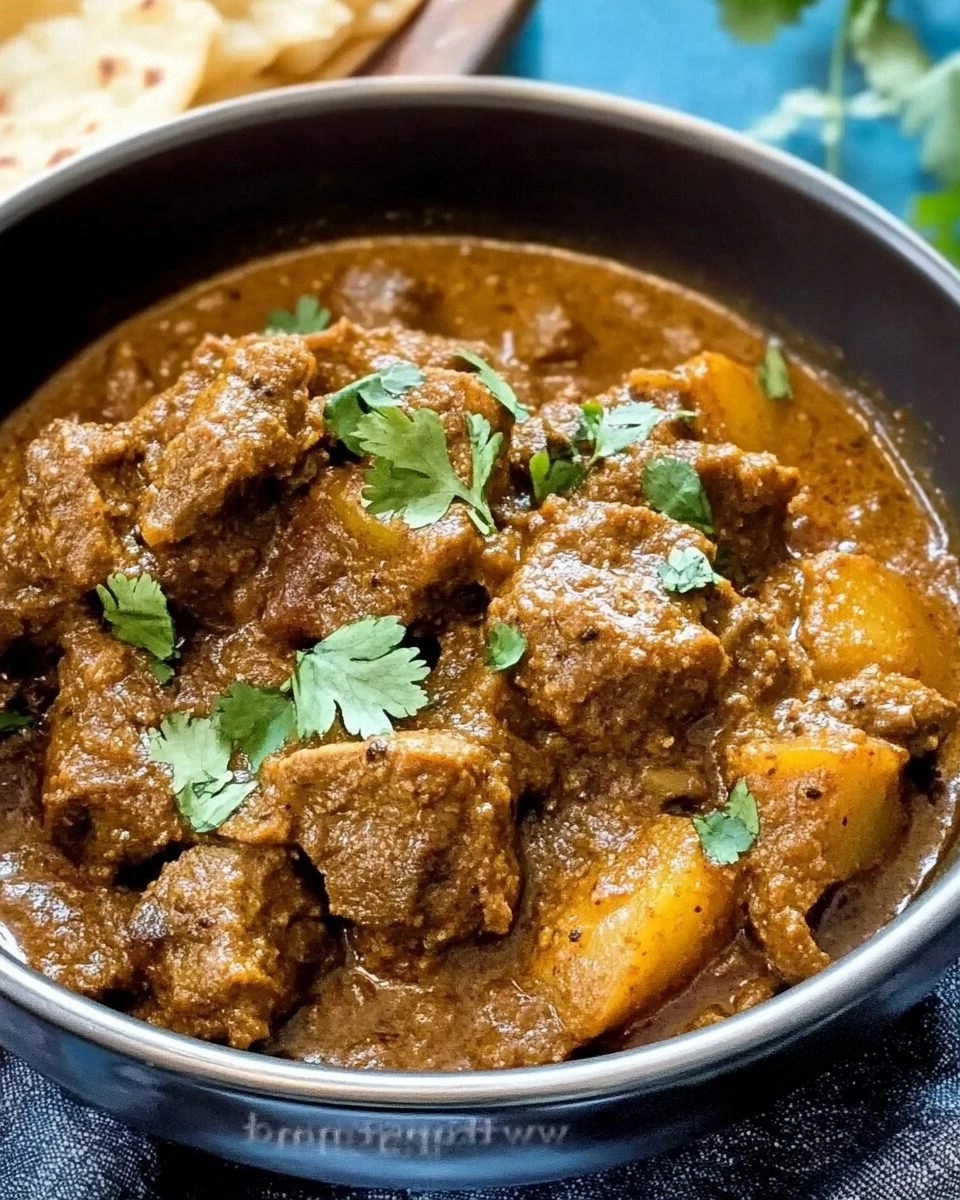
When I first tasted the dish, the aroma hit me like a thunderclap: the sharp, almost citrusy scent of freshly crushed pepper mingled with the deep, earthy tones of slow‑cooked mutton. The sound was unmistakable—a gentle sizzle that whispered promises of a rich sauce. The texture was a velvet‑like coating on the meat, a subtle crunch from the caramelized onion edges, and a silky finish that left a lingering peppery trail on my tongue. The taste was a bold, layered symphony: the meat’s savory depth, the pepper’s bite, the acidity of tomatoes, and a hint of yogurt that balanced everything. The feel was comforting, the heat just enough to warm you from within without burning your palate.
What makes this version stand out is that it doesn’t rely on the usual heavy hand of garam masala or the over‑used tomato base. Instead, it leans into the simplicity of a single spice—black pepper—while still honoring the depth of a well‑constructed curry. I dare you to taste this and not go back for seconds because the pepper’s brightness will keep you coming back for more. The sauce coats the mutton like velvet, and every bite delivers a punch that lingers long after you’ve finished. I’ll be honest—I ate half the batch before anyone else even got to the first spoon.
Most recipes get this completely wrong. They either under‑season the pepper or drown it in other spices. Here, the pepper is the star, but it’s supported by a balanced foundation of aromatics and a touch of acidity that brightens the dish. Picture yourself pulling this out of the oven, the whole kitchen smelling incredible, and the steam curling up like a fragrant cloud. I promise, by the end of this guide, you’ll wonder how you ever cooked this dish any other way. Let me walk you through every single step — by the end, you’ll wonder how you ever made it any other way.
What Makes This Version Stand Out
- Bold Pepper: The pepper isn’t just an accent; it’s the backbone of flavor. It cuts through the richness of mutton, giving each bite a lively, almost citrusy finish that wakes up the taste buds.
- Texture Contrast: The caramelized onions add a sweet, slightly crunchy element that balances the tender meat and silky gravy.
- Minimalist Spice Profile: By limiting the number of spices, the recipe lets the meat’s natural flavor shine while still delivering depth.
- Make‑Ahead Friendly: The curry tastes even better the next day as the flavors meld, making it perfect for busy weeknights.
- Crowd‑Pleaser: Whether you’re cooking for a family or a group, this dish delivers a wow factor that leaves everyone asking for the recipe.
- Ingredient Quality: Fresh, high‑quality mutton and pepper are key; the difference is like comparing a farm‑to‑table steak to a frozen one.
- Time‑Efficient: With a prep of 15 minutes and a cook time of 30 minutes, you can have a restaurant‑quality curry on the table in under an hour.
- Versatile Base: The sauce can be paired with rice, naan, or even mashed potatoes, making it a flexible centerpiece for any meal.
Alright, let’s break down exactly what goes into this masterpiece…
Inside the Ingredient List
The Flavor Base
Onions, garlic, and ginger form the aromatic foundation of this curry. They provide a sweet, savory base that balances the sharpness of black pepper. If you skip them, the dish becomes one-dimensional; the pepper will dominate without any counterbalance, leaving the curry tasting like a pepper‑only soup. A good tip is to use medium‑sized onions so they caramelize evenly, creating that golden crust that adds depth.
For the best results, slice the onions thinly so they break down quickly. A small trick is to sprinkle a pinch of salt while sautéing; it draws out moisture and accelerates caramelization. If you’re short on time, pre‑chop the aromatics the night before and store them in an airtight container. When you’re ready to cook, they’ll be ready to go.
The Meat and Protein Crew
Mutton is the hero of this dish. Its rich, gamey flavor pairs beautifully with pepper’s bite. Choose a cut with a bit of fat, like shoulder or shank, to keep the meat moist during the long simmer. If you’re using a leaner cut, add a splash of oil or a few tablespoons of yogurt to prevent it from drying out.
Cut the mutton into bite‑sized pieces, about 2 to 3 centimeters each. This ensures even cooking and quick tenderness. A quick blanch in boiling water for a minute can help remove any excess blood and improve the meat’s texture. Remember, the mutton should be browned on all sides before adding the spices; this step locks in flavor.
The Unexpected Star
Black pepper is the star that sets this curry apart. Freshly cracked pepper releases aromatic oils that give the dish its signature punch. Use a generous amount—about 2 tablespoons for a 4‑serving batch—to create a peppery aroma that permeates every bite. If you’re sensitive to heat, you can reduce the quantity, but don’t compromise the flavor profile.
Some people add a pinch of sugar or a splash of vinegar to balance the pepper’s heat. I prefer to keep it simple: let the pepper do its job. The pepper’s heat is balanced by the yogurt and tomatoes, creating a harmonious blend that isn’t overpowering.
The Final Flourish
Yogurt adds creaminess and a slight tang that cuts through the richness of the meat. It also helps tenderize the mutton, making it melt‑in‑your‑mouth. If you’re lactose‑intolerant, substitute with a dairy‑free yogurt or a splash of coconut milk for a subtle twist.
Fresh cilantro at the end adds a bright, herbal note that lifts the dish. It’s the finishing touch that transforms the curry from a hearty stew to a vibrant, aromatic plate. A squeeze of lime can also brighten the flavors, but I keep it simple with cilantro.
Everything’s prepped? Good. Let’s get into the real action…
The Method — Step by Step
- Heat 2 tablespoons of oil in a heavy‑bottomed pot over medium heat. Add 1 teaspoon of cumin seeds and let them sizzle for 30 seconds until they pop. This releases a nutty aroma that sets the stage for the rest of the dish. I always keep an eye on them; if they burn, the entire curry takes a hit.
- Add 2 medium sliced onions, a pinch of salt, and a dash of pepper. Sauté until the onions turn translucent and start to brown, about 8 to 10 minutes. The caramelization adds depth; if you skip it, the curry will taste flat.
- Stir in 4 cloves of minced garlic and 2 tablespoons of grated ginger. Cook for 2 minutes until the raw aroma disappears. The garlic and ginger form the backbone of the flavor profile, creating a fragrant base.
- Add 2 diced tomatoes and 1 teaspoon of chili powder. Let the mixture simmer until the tomatoes break down into a thick sauce, about 5 minutes. The acidity of the tomatoes balances the pepper’s heat and adds a subtle sweetness.
- Introduce 2 tablespoons of freshly cracked black pepper, 1 teaspoon of garam masala, and 1 teaspoon of coriander powder. Stir well to combine and let the spices toast for 30 seconds. This step is the moment of truth; the aroma should be intoxicating.
- Add the browned mutton pieces to the pot. Stir to coat them evenly with the spice mixture. Cook for 5 minutes, allowing the meat to brown slightly on all sides. The sear locks in juices and adds a savory crust.
- Pour in 1 cup of water and bring the mixture to a gentle boil. Reduce the heat to low, cover, and let it simmer for 30 minutes. The slow simmer ensures the mutton becomes tender and the flavors meld beautifully.
- Stir in 1 cup of plain yogurt, whisking it into the sauce to create a creamy, velvety texture. Allow the curry to simmer for another 5 minutes, just enough for the yogurt to thicken slightly without curdling.
- Finish with a handful of chopped cilantro and a squeeze of lime if desired. Taste and adjust salt or pepper as needed. The final flourish should feel like a burst of freshness that cuts through the richness.
- Serve hot with steamed rice or warm naan. The sauce should coat the grains or bread, and the pepper should linger on the palate, inviting you to take another bite.
That’s it — you did it. But hold on, I’ve got a few more tricks that’ll take this to another level…
Insider Tricks for Flawless Results
The Temperature Rule Nobody Follows
Cooking at the right temperature is key. Many people turn the heat up too high, causing the curry to stick or burn. Keep the simmer low and steady; this allows the mutton to become fall‑apart tender while the spices develop their full flavor. I once tried a high‑heat method and ended up with a burnt pepper aroma that overpowered the meat.
Why Your Nose Knows Best
When the onions start to brown and the spices toast, the aroma is your cue to add the next ingredient. A strong, nutty smell indicates that the cumin seeds have released their oils. If you’re uncertain, trust your nose; it’s the most reliable guide in the kitchen.
The 5‑Minute Rest That Changes Everything
After removing the pot from the heat, let the curry rest for 5 minutes before serving. This allows the flavors to settle and the pepper’s heat to mellow. I’ve found that the rest period also improves the sauce’s consistency, giving it a silky finish.
Keep the Heat Low, Keep the Flavor High
Once you add the yogurt, lower the heat to prevent curdling. Stir constantly, and if the sauce begins to separate, add a tablespoon of warm water to bring it back together. This trick keeps the sauce creamy and smooth.
Use Fresh Pepper, Not Powder
Freshly cracked pepper provides a bright, vibrant flavor that powder can’t match. If you only have pepper powder, use it sparingly and pair it with fresh pepper to maintain complexity. I’ve experimented with both and found fresh pepper unbeatable.
Serve Immediately, or Reheat Carefully
If you need to reheat, add a splash of water or broth and warm gently on low heat. This prevents the sauce from drying out. I like to reheat in a skillet with a lid to keep the moisture locked in.
Creative Twists and Variations
This recipe is a playground. Here are some of my favorite ways to switch things up:
Spicy Red Pepper Variation
Swap black pepper with crushed red pepper flakes for a fiery kick. The heat will be more intense, and the sauce will gain a subtle smoky undertone. This version is perfect for those who love a spicy challenge.
Indian‑Style Tandoori Twist
Marinate the mutton in yogurt, lemon juice, and tandoori masala for 2 hours before cooking. This adds a smoky, charred flavor that pairs wonderfully with the pepper’s bite.
Vegetable‑Rich Version
Add diced carrots, peas, and bell peppers in step 7. The vegetables absorb the peppery sauce and add a burst of color and nutrition. This is a great way to stretch the recipe for a larger family.
Herbal Infusion
Introduce fresh mint or basil leaves during the final simmer. The herbs bring a bright, sweet contrast that balances the pepper’s sharpness.
Low‑Carb Option
Serve the curry over cauliflower rice or sautéed spinach instead of regular rice. This keeps the dish low in carbs while still delivering the full flavor experience.
Storing and Bringing It Back to Life
Fridge Storage
Cool the curry completely before refrigerating. Store it in an airtight container for up to 3 days. The pepper’s flavor intensifies, making it even more delicious the next day.
Freezer Friendly
Divide the curry into individual portions and freeze for up to 3 months. Thaw overnight in the fridge before reheating. The texture remains tender, and the pepper’s aroma stays vibrant.
Best Reheating Method
Reheat gently on low heat, adding a splash of water or broth to maintain moisture. Stir occasionally and let it come to a gentle simmer. The final touch: a handful of fresh cilantro to revive the freshness.