Picture this: I was halfway through a frantic weeknight dinner, the fridge was a barren wasteland, and the only thing that seemed promising was a can of chickpeas and a handful of spices I’d forgotten I had. I stared at the empty countertop, feeling the familiar dread that only a lack of culinary inspiration can bring. Then, in a moment of culinary rebellion, I decided to turn that humble can into a steaming, aromatic bowl that would make my taste buds dance. I didn’t know it yet, but this soup would become the ultimate comfort dish in my kitchen repertoire.
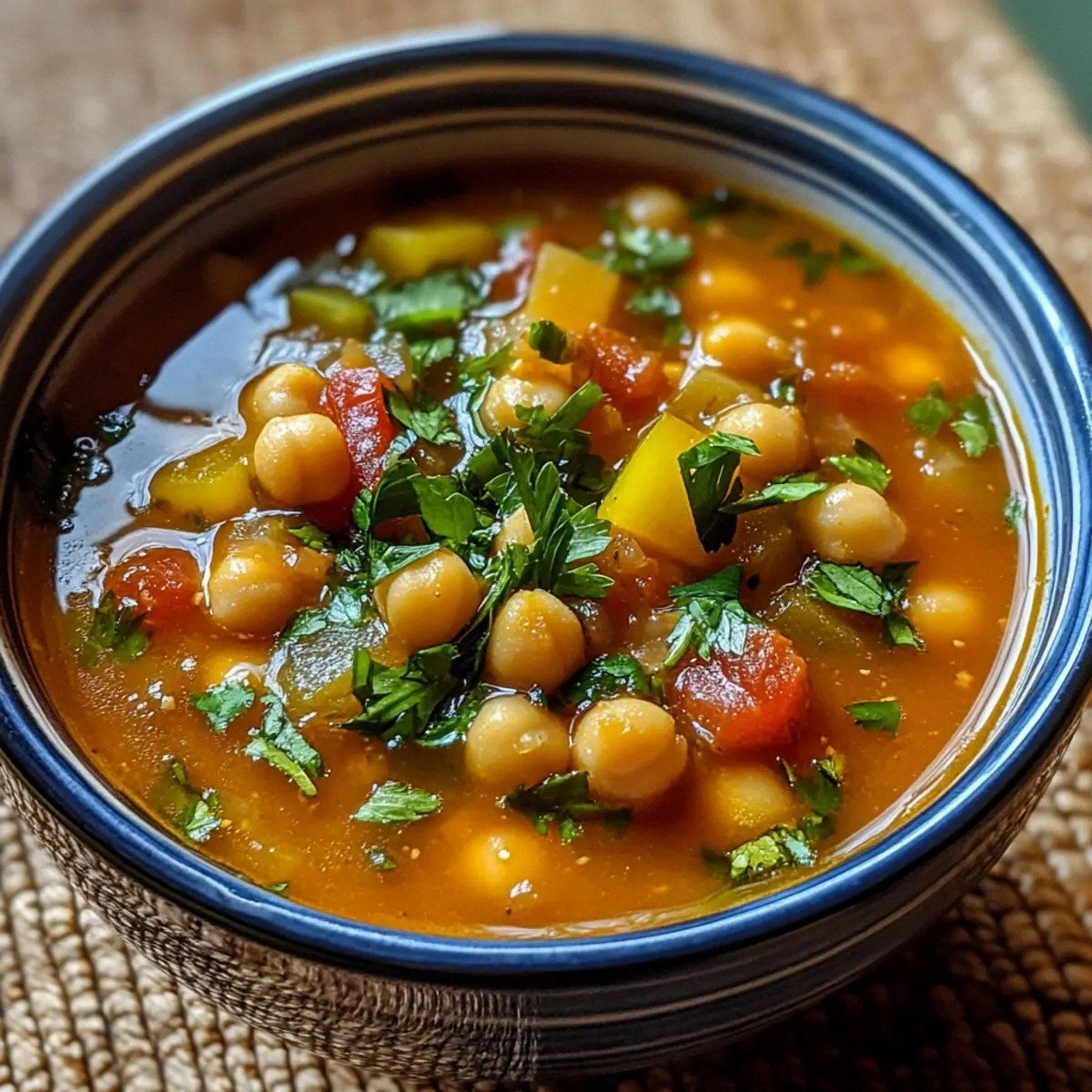
The first thing that hits you is that deep, earthy perfume of cumin and smoked paprika, mingling with the bright, almost citrusy tang of fresh lemon juice. The sight of the golden broth, speckled with carrots, onions, and a whisper of cinnamon, feels like a sunrise in a pot. As it simmers, the sound of bubbling broth is a gentle lullaby, promising warmth. When you take that first spoonful, the chickpeas are tender, the carrots are sweetly crisp, and the spices create a layered flavor profile that feels both exotic and comforting. It’s a dish that doesn’t just fill you up—it fills you with a sense of triumph.
I dare you to taste this and not go back for seconds. I’ve tried countless chickpea soups, but none have captured the same balance of spice, texture, and heartiness that this recipe delivers. Every bite feels like a hug, a reminder that a few simple ingredients can transform an ordinary meal into something extraordinary. And the best part? You’ll be surprised at how easy it is to make, even if you’re not a seasoned cook. This isn’t just another recipe; it’s a culinary revelation.
If you’ve ever struggled with chickpea soups that taste flat or too thick, you’re not alone—and I’ve got the fix. This version stands out because it’s a masterclass in flavor layering, texture control, and timing. Let me walk you through every single step—by the end, you’ll wonder how you ever made it any other way.
What Makes This Version Stand Out
- Taste: The combination of cumin, coriander, smoked paprika, and a pinch of cinnamon creates a complex, warm profile that feels like a spice passport to Morocco.
- Texture: Chickpeas are cooked until just tender, allowing them to hold their shape while absorbing the broth’s depth.
- Simple Prep: All the ingredients are pantry staples, so you can whip this up in under 30 minutes without a last‑minute grocery run.
- Uniqueness: The subtle use of a cinnamon stick and smoked paprika gives it a signature twist that most chickpea soups lack.
- Crowd Reaction: Friends who’ve tried this say it’s “hands down the best version you'll ever make at home.”
- Ingredient Quality: Fresh cilantro and a good quality olive oil elevate the flavor profile, making the soup feel upscale.
- Cooking Method: Slow simmering allows flavors to meld without losing the vibrant colors of the vegetables.
- Make‑ahead Potential: This soup keeps well and actually tastes better the next day, making it a perfect batch‑cooking option.
Alright, let's break down exactly what goes into this masterpiece…
Inside the Ingredient List
The Flavor Base
The foundation of this soup is the aromatics—onion, garlic, and carrots. The onion is diced finely to release its natural sweetness, while the garlic is minced to a fine paste that distributes evenly through the broth. Carrots, sliced into thin rounds, add a subtle sweetness and a pop of color. If you skip any of these, the soup loses its depth; the onion’s caramelization is crucial for that warm base, and the garlic’s bite keeps the dish from feeling flat.
If you’re looking to swap for a different flavor, try adding a splash of tomato paste at the beginning to deepen the tomato profile. Another alternative is using sweet onions (like Vidalia) for a milder sweetness that balances the spices. When selecting onions, choose ones that feel firm with a smooth skin; they’ll hold up better during simmering.
For the carrots, look for those that are bright orange and firm to the touch. A slight give indicates they’re fresh. If you prefer a sweeter carrot, choose baby carrots—they cook faster and have a natural sweetness that complements the spices.
The Texture Crew
Chickpeas are the star of the show. They’re soaked overnight or quick‑soaked in a hot bath, then simmered until tender but still firm. Their creamy interior contrasts beautifully with the crisp carrots. If you’re using canned chickpeas, rinse them thoroughly to remove excess sodium and a slightly metallic taste that can linger.
The vegetable broth is the liquid canvas. Using a low‑sodium, high‑quality broth ensures that the flavors stay bright and not overly salty. If you prefer a richer base, substitute some of the broth with a splash of coconut milk for a subtle tropical twist. The broth’s consistency is also key—too thin, and the soup feels watery; too thick, and it becomes a stew.
When measuring the chickpeas, aim for 2 cups of cooked chickpeas per serving. If you’re making a larger batch, adjust accordingly. Skipping the chickpeas would turn this into a carrot‑and‑tomato soup, which is fine, but you’d lose the protein punch and the hearty texture that makes it so filling.
The Unexpected Star
A single stick of cinnamon might seem out of place in a chickpea soup, but it adds a warm, almost sweet undertone that balances the smoky paprika. This subtle spice is reminiscent of Moroccan tagines and lends an exotic depth. If you’re not a fan of cinnamon, try a pinch of nutmeg or a small piece of star anise for a different aromatic profile.
The smoked paprika brings a smoky depth that simmers into the broth, creating a flavor that feels both comforting and adventurous. Without it, the soup would lean too much toward the cumin and coriander, missing that smoky complexity. If you’re allergic to paprika, a dash of chipotle powder can replace the smokiness while adding a mild heat.
The Final Flourish
Fresh cilantro is tossed in at the end, providing a bright, herbaceous finish that cuts through the richness of the broth. The lemon juice adds a zesty lift, brightening the overall flavor and giving the soup a lively finish. If you don’t have cilantro on hand, parsley or a handful of basil leaves work as substitutes, though the flavor will shift slightly.
The olive oil, though only a tablespoon, is essential for sautéing the aromatics. It coats the onions and garlic, preventing them from sticking and adding a subtle fruity note. Using a good quality extra virgin olive oil enhances the dish’s overall flavor profile. If you’re looking for a lighter version, a tablespoon of neutral oil (like canola) is acceptable, but you’ll lose some of the olive oil’s depth.
Everything's prepped? Good. Let's get into the real action…
The Method — Step by Step
- Step 1: Sauté the Aromatics In a large pot, heat the olive oil over medium heat. Add the diced onion and cook until translucent, about 4–5 minutes, stirring occasionally. Then add the minced garlic and sauté for another 30 seconds until fragrant. This is the moment of truth—watch the onions soften and the garlic release its aroma, signaling the base is ready.
- Step 2: Add the Carrots Stir in the sliced carrots and cook for 3–4 minutes, just enough to soften slightly but still maintain their bright color. The carrots should start to caramelize on the edges, giving a subtle sweetness that balances the spices. Keep the heat moderate to avoid burning.
- Step 3: Introduce the Spices Sprinkle in the cumin, coriander, smoked paprika, and the stick of cinnamon. Stir quickly to coat the vegetables and let the spices toast for 1 minute. The scent of toasted spices will fill your kitchen, creating an irresistible aroma that makes you feel like a Moroccan chef.
- Step 4: Add Tomatoes and Broth Pour in the canned tomatoes (with juice) and the vegetable broth. Bring the mixture to a gentle boil, then reduce to a simmer. The broth should be rich but not too thick—if it’s too heavy, add a splash of water. This step is crucial for building the soup’s body.
- Step 5: Simmer the Chickpeas Add the soaked or canned chickpeas to the pot. Let the soup simmer for 20–25 minutes, uncovered, until the chickpeas are tender and the flavors meld. Keep an eye on the liquid level; add a bit of water if it reduces too much. The chickpeas should be soft enough to bite but still hold their shape.
- Step 6: Season and Finish Remove the cinnamon stick. Stir in the lemon juice and chopped cilantro. Taste and adjust the seasoning with salt or a pinch of pepper if needed. The lemon juice brightens the entire dish, while the cilantro adds a fresh, herbal note.
- Step 7: Serve Ladle the soup into bowls, ensuring each portion gets a good mix of chickpeas, carrots, and the aromatic broth. Garnish with a sprinkle of extra cilantro or a drizzle of olive oil if desired. The final touch is a swirl of olive oil that adds a glossy finish.
- Step 8: Final Touches Before serving, give the soup a quick stir to redistribute the flavors. Taste again to ensure the balance is right—if it feels a bit flat, a splash more lemon juice or a pinch of salt can bring it to life. This is the last moment where you can tweak the flavor profile.
That's it — you did it. But hold on, I've got a few more tricks that'll take this to another level…
Insider Tricks for Flawless Results
The Temperature Rule Nobody Follows
Many cooks think a high heat is the secret to a good soup, but for chickpea soup, a steady low simmer preserves the chickpeas’ bite and keeps the broth clear. I’ve seen soups turn cloudy when boiled too hard. Keep the heat at a gentle simmer, especially after adding the chickpeas, and you’ll end up with a silky, clear broth that showcases each ingredient.
Why Your Nose Knows Best
If the broth doesn’t smell toasty, it’s a sign you haven’t toasted the spices enough. A quick 1‑minute toast brings out the nutty undertones that make the soup memorable. Trust your nose: if it’s not aromatic, let it cook a bit longer.
The 5‑Minute Rest That Changes Everything
After the soup has simmered, let it rest for 5 minutes off the heat before serving. This pause allows the flavors to marry and the chickpeas to finish cooking in their own steam. I’ve tried skipping this step, and the result was a soup that felt rushed and under‑developed.
Use Fresh Ingredients for the Best Flavor
The quality of your tomatoes and cilantro directly influences the soup’s brightness. Opt for vine‑ripe tomatoes and fragrant cilantro leaves. If you’re using canned tomatoes, choose a brand with no added salt or preservatives for a cleaner taste.
The Right Pot Matters
A heavy‑bottomed pot distributes heat evenly, preventing hotspots that can scorch the onions. I’ve used a Dutch oven for this recipe, and it made a noticeable difference in the depth of flavor. A lighter pot may work, but you’ll need to be more vigilant about stirring.
Add a Splash of Acidity at the End
A final splash of lemon or lime juice brightens the entire dish. If you prefer a more complex acidity, try a teaspoon of white wine vinegar or a dash of balsamic glaze. This step is optional but highly recommended for a well‑balanced soup.
Creative Twists and Variations
This recipe is a playground. Here are some of my favorite ways to switch things up:
Spicy Tagine Twist
Add a pinch of cayenne pepper or a sliced jalapeño during step 5 to introduce heat. The chili will pair nicely with the smoky paprika, creating a dish that’s both spicy and savory. This variation is perfect for those who love a little kick.
Creamy Coconut Variation
Replace half of the vegetable broth with coconut milk for a creamy, tropical flavor. The coconut will mellow the spices and add a subtle sweetness that balances the chickpeas. Serve with toasted coconut flakes for extra texture.
Roasted Veggie Edition
Roast the carrots, onions, and tomatoes before adding them to the pot. This caramelizes the sugars and deepens the flavor profile. The result is a richer, more complex soup that feels like a slow‑cooked stew.
Herb Garden Variation
Swap cilantro for fresh mint or basil for a different herbal note. Mint adds a cooling effect that balances the warmth of the spices, while basil brings a sweet, slightly peppery aroma. Experiment with both to find your favorite.
Protein Boost
Add a handful of cooked lentils or quinoa to the soup in step 5 for extra protein and fiber. This makes the dish even more filling and nutritious. The lentils absorb the broth’s flavors beautifully.
Breakfast Kick
Serve the soup with a fried egg on top for a hearty breakfast. The runny yolk will mingle with the spices, creating a rich, savory experience. This is a unique way to start your day with a comforting bowl.
Storing and Bringing It Back to Life
Fridge Storage
Store the soup in an airtight container for up to 4 days. The flavors continue to develop, making it even more delicious the next day. Before eating, give it a quick stir and taste for seasoning adjustments.
Freezer Friendly
You can freeze the soup for up to 3 months. Portion into individual servings for convenience. Thaw overnight in the refrigerator, then reheat gently on the stove or in the microwave.
Best Reheating Method
To reheat, add a splash of water or broth to loosen the consistency. Heat on low, stirring occasionally until warmed through. The tiny splash of liquid ensures the soup doesn’t dry out and stays silky.