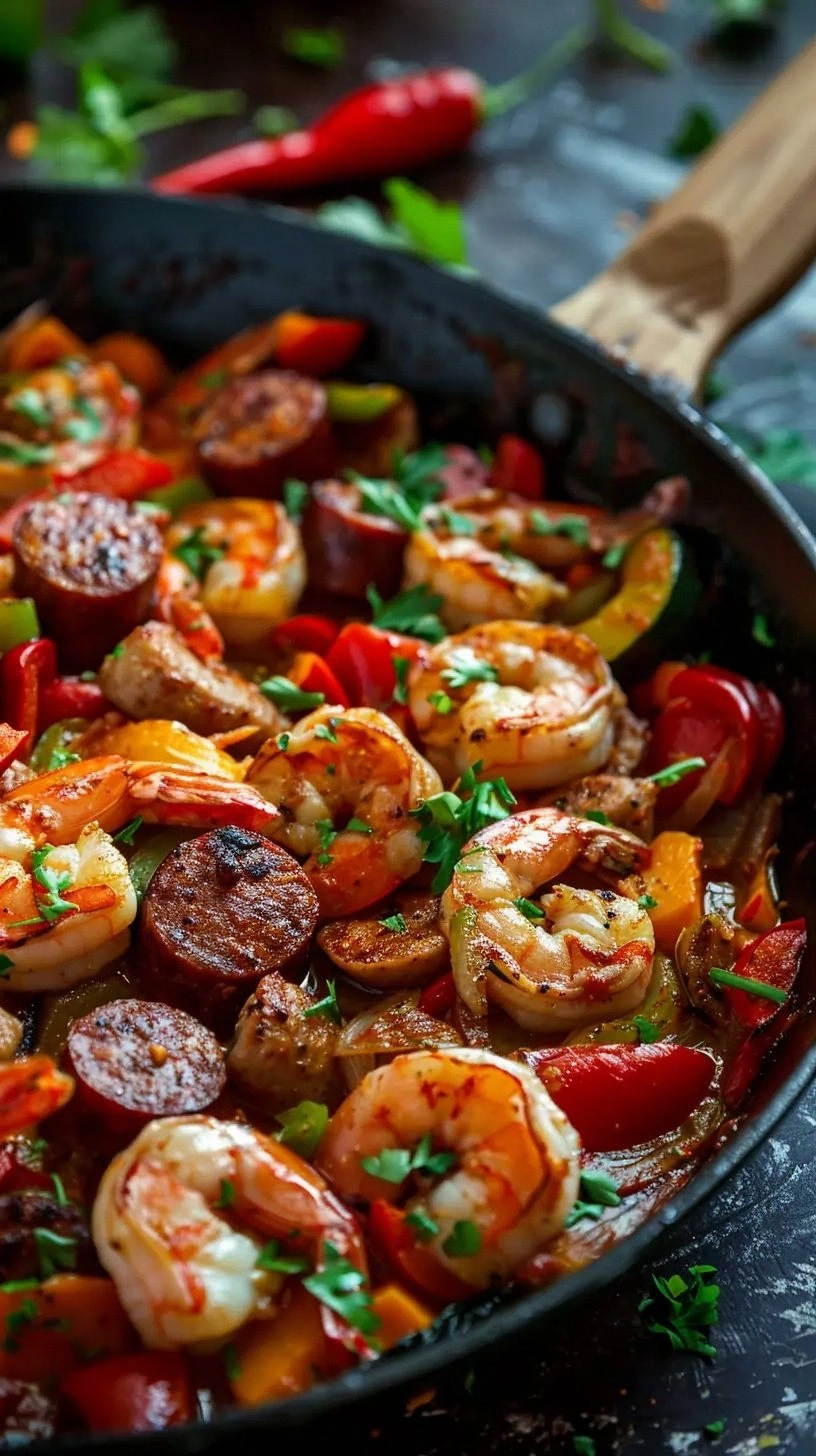
I was halfway through a late‑night dinner experiment when my stove decided to go rogue—flames licking the pan, the air thick with burnt garlic, and my heart racing like a drumbeat. The kitchen smelled like a disaster zone, but in that chaos I realized I could turn a culinary catastrophe into a masterpiece. That night, I dared myself to create a dish that would make my friends question why they ever settled for anything less than gourmet. And so I set out to craft the Best Gourmet Seafood Cassolett, a casserole that marries the ocean’s bounty with comforting pasta, a velvety sauce, and a golden breadcrumb crown.
Picture this: the sizzling sizzle of garlic in olive oil, the gentle pop of onions as they soften, the rich aroma of white wine evaporating into a fragrant broth, and the moment when the seafood starts to blush with color. Your senses are on a rollercoaster—visuals of glistening shrimp, the smell of fresh herbs, the sound of bubbling sauce, the taste of buttery pasta, and the feel of a warm, golden crust. Every bite is a revelation: the pasta is al dente, the seafood tender, and the sauce coats like velvet, with a hint of lemon zest that cuts through the richness. Most people forget that a casserole can be a showstopper, but this one is hands down the best version you'll ever make at home, and I dare you to taste it and not go back for seconds.
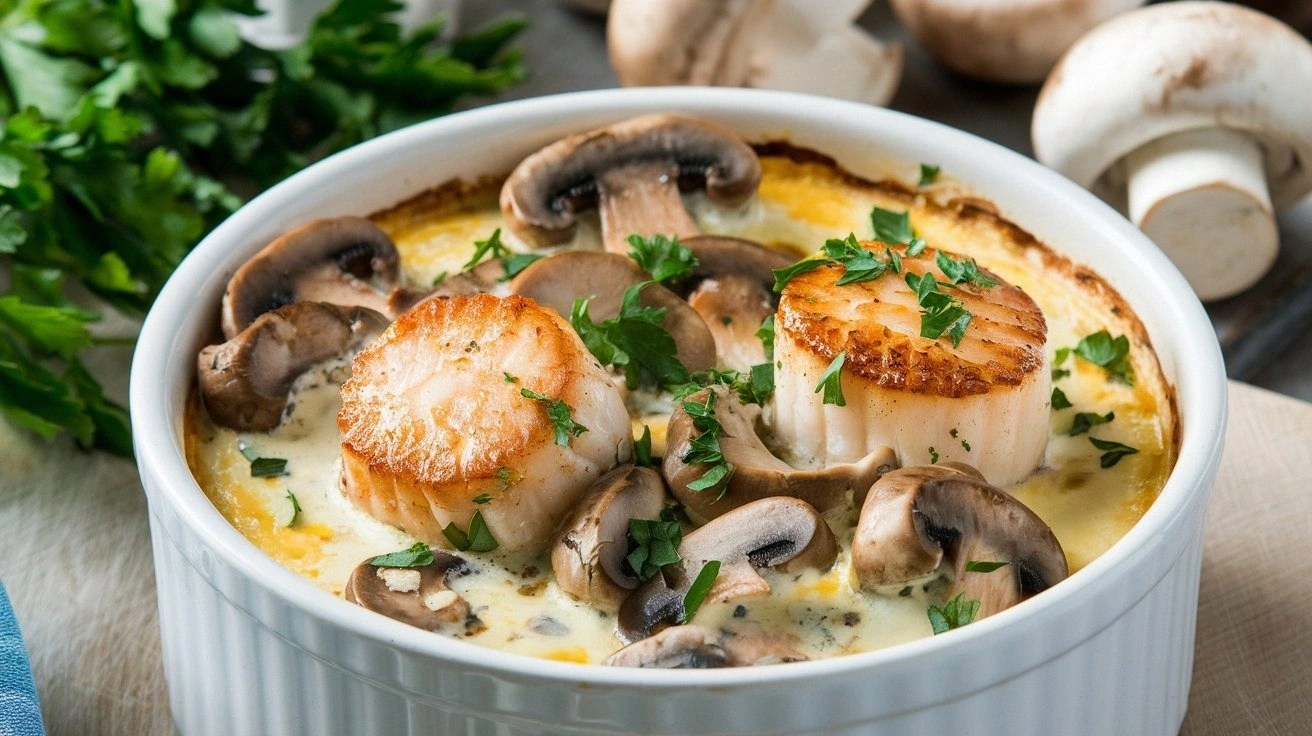
What sets this Cassolett apart is the meticulous layering of flavors and textures. The sauce is a silky blend of cream, white wine, and tomato sauce that clings to each noodle, while the seafood adds a burst of briny sweetness. The breadcrumb topping, toasted to a golden crunch, provides a satisfying contrast that shatters like thin ice with each bite. The dish is also a visual feast—bright green parsley, golden crust, and a splash of lemon zest that gleams like a jewel. If you've ever struggled with a one‑pot wonder that ends up bland or soggy, you're not alone—this is the fix you've been waiting for.
I’ve spent countless evenings experimenting with sauces, but this particular combination of white wine, heavy cream, and tomato sauce is pure magic. The trick lies in reducing the wine to a concentrated flavor before adding the seafood, ensuring every morsel is infused with depth. The result? A dish that feels luxurious yet approachable, perfect for a cozy dinner or a special occasion. Let me walk you through every single step—by the end, you'll wonder how you ever made it any other way.
What Makes This Version Stand Out
- Flavor Depth: The reduction of white wine creates a rich, aromatic base that elevates every ingredient.
- Texture Contrast: Crispy breadcrumb topping against silky sauce delivers a satisfying bite.
- Seafood Variety: Combining shrimp, scallops, and mussels gives a spectrum of flavors and textures.
- Herb Harmony: Fresh parsley and basil balance the richness with bright, green notes.
- Heat Balance: A pinch of red pepper flakes adds just enough kick without overpowering.
- Make‑Ahead Friendly: Assemble before baking, let it chill, and bake straight from the fridge for convenience.
- Elegant Presentation: The golden crust and vibrant garnishes make it a showstopper on any table.
- Time Efficiency: From prep to plate, it takes less than an hour, saving you precious dinner time.
Inside the Ingredient List
The Flavor Base
The heart of this Cassolett is the sauce—a silky concoction of white wine, heavy cream, and a splash of tomato sauce. The wine is reduced until it thickens, concentrating its fruity notes before the cream is folded in, creating a smooth, velvety coating that clings to every noodle. If you skip the wine, the sauce will taste flat and lack depth, leaving the dish feeling like a plain pasta bake.
Tip: For a slightly sweeter sauce, add a teaspoon of honey after the wine reduction. This balances the acidity of the tomato sauce and brings out the natural sweetness of the seafood.
The Texture Crew
Pasta is the backbone of the casserole, and I recommend using penne or rigatoni for their ability to hold sauce and provide a satisfying bite. Cook the pasta just shy of al dente so it can finish cooking in the oven without becoming mushy. If you prefer a gluten‑free version, swap for a high‑protein pasta made from chickpeas or lentils.
The breadcrumb topping adds crunch, while the grated Parmesan brings a nutty, umami flavor that complements the seafood. If you’re short on breadcrumbs, crushed crackers or panko will work as a substitute, giving a different but delightful texture.
The Unexpected Star
Capers are the secret weapon that injects a briny punch, cutting through the richness of the sauce. They’re not mandatory, but they elevate the dish from good to unforgettable. If capers are unavailable, a splash of anchovy paste or a few olives can mimic the same savory depth.
The lemon zest provides a bright citrus lift that prevents the casserole from feeling heavy. A small pinch of zest is enough—too much can overpower the delicate seafood flavors.
The Final Flourish
Fresh herbs—parsley and basil—are sprinkled on top before baking, infusing the dish with green freshness that balances the richness. After baking, a final squeeze of fresh lemon juice brightens the flavors and adds a subtle tang. If you like a smoky note, a dusting of smoked paprika can be added to the breadcrumb mix.
The vegetable stock is added to keep the sauce from drying out during baking, ensuring a moist, luscious finish. If you prefer a lower‑sodium version, use a homemade broth made from simmered vegetables.
Everything's prepped? Good. Let's get into the real action.
The Method — Step by Step
- Heat the olive oil and butter in a large, oven‑proof skillet over medium heat until the butter foams. Add the minced garlic and diced onion, sautéing until the onion turns translucent and the garlic releases its fragrance—about 3 minutes. This step builds the aromatic foundation that will carry the entire dish.
- Pour in the white wine, bringing the mixture to a gentle simmer. Let it reduce for about 5 minutes until the liquid has cut in half, concentrating the fruity notes. Watch the color deepen; this is the moment when the sauce starts to sing.
- Stir in the tomato sauce and heavy cream, whisking until the mixture is smooth. Season with dried oregano, basil, red pepper flakes, salt, and black pepper. The sauce should thicken slightly, forming a silky base that will coat the pasta and seafood.
- Add the cooked pasta, seafood mix, and vegetable stock, stirring gently to combine. The pasta should be just shy of al dente so it finishes cooking in the oven without becoming mushy. This is the moment of truth—don’t rush it; let the flavors mingle for a minute.
- Sprinkle grated Parmesan and breadcrumbs evenly over the top. Toss in the capers and a tablespoon of lemon zest. The breadcrumb layer will caramelize and form a golden crust as the casserole bakes.
- Transfer the skillet to a preheated oven at 180°C (350°F). Bake for 20-25 minutes, or until the top is golden brown and the sauce is bubbling. The edges should start pulling away slightly, indicating the casserole is done.
- Remove the skillet from the oven and let the casserole rest for 5 minutes. This allows the sauce to set and the flavors to meld. While it rests, sprinkle fresh parsley and basil on top for a burst of color.
- Serve hot straight from the skillet, spooning generous portions onto plates. Pair with crusty bread to soak up the luscious sauce. And now the fun part—watch your guests’ faces light up as they dive into this oceanic masterpiece.
That's it — you did it. But hold on, I've got a few more tricks that'll take this to another level.
Insider Tricks for Flawless Results
The Temperature Rule Nobody Follows
Many bakers bake at the highest temperature to get a crisp top, but this dish thrives at a steady 180°C (350°F). Lower temperatures allow the sauce to meld without scorching the breadcrumbs. If you’re using a convection oven, reduce the temperature by 10-15°C to avoid over‑browning.
Why Your Nose Knows Best
The aroma of simmering garlic and wine is a reliable indicator that the sauce is ready. If the scent feels flat, let it simmer a bit longer. A robust aroma translates to a richer taste in the final dish.
The 5-Minute Rest That Changes Everything
Letting the casserole rest after baking allows the sauce to thicken and the flavors to settle. It also makes the dish easier to serve, as the edges will be less likely to stick to the skillet. Skipping this step can result in a runny, uneven texture.
Skip the Stock, Not the Flavor
If you’re short on stock, replace it with a splash of white wine or even water. The wine will carry the same depth, while water keeps the sauce from becoming too thick. Just remember to season more heavily if you use water.
The Power of Fresh Herbs
Adding fresh herbs after baking preserves their bright flavor and vibrant color. Dried herbs can become bitter if exposed to high heat for too long, so reserve the fresh parsley and basil for the final garnish.
The Secret to Crispy Breadcrumbs
Lightly toss the breadcrumbs in melted butter before sprinkling them on top. This creates a golden, crunchy crust that won't turn soggy. If you’re vegan, use a plant‑based butter or a drizzle of olive oil instead.
Creative Twists and Variations
This recipe is a playground. Here are some of my favorite ways to switch things up:
Mediterranean Medley
Swap the tomato sauce for a pesto base, add olives, and finish with a sprinkle of feta. The Mediterranean flavors pair beautifully with the seafood, giving the dish a bold, aromatic twist.
Spicy Cajun Kick
Replace the dried basil with Cajun seasoning, add a splash of hot sauce, and sprinkle extra red pepper flakes. The heat will dance on the palate while the creamy sauce balances the spice.
Creamy Spinach Fusion
Fold in a cup of wilted spinach just before baking. The green adds a nutritional boost and a subtle earthy tone that complements the seafood.
Lemon‑Garlic Zest
Increase the lemon zest to a tablespoon and add a squeeze of fresh lemon juice after baking. The citrus brightness lifts the dish, making it feel lighter.
Vegan Version
Use plant‑based cream, vegan Parmesan, and replace the seafood with sautéed mushrooms. The flavors remain rich, and the texture stays satisfying.
Pasta Swap
Try using fettuccine or tagliatelle for a silkier bite. The wide ribbons hold sauce better, delivering a luxurious mouthfeel.
Storing and Bringing It Back to Life
Fridge Storage
Cool the casserole to room temperature, then cover tightly with plastic wrap and refrigerate for up to 3 days. The flavors deepen, and the sauce remains silky.
Freezer Friendly
Wrap the casserole in foil, then place in a freezer bag. Freeze for up to 2 months. Reheat directly from the freezer; no thawing needed.
Best Reheating Method
Reheat in a preheated oven at 180°C (350°F) for 15–20 minutes. Add a splash of water or stock before reheating to steam the dish back to perfection, preventing it from drying out.